What Is a VSD Drive? Industrial Guide & Vendor Comparison
What Is a VSD drive and Why Does It Matter Industrially?
Having spent over a decade in industrial equipment, I’ve seen how Variable Speed Drives (VSDs) quietly revolutionized the way machines operate on factory floors. Frankly, a VSD drive might not sound exciting at first, but it’s one of those tech nuggets that really changed the efficiency game in motor control and energy savings.
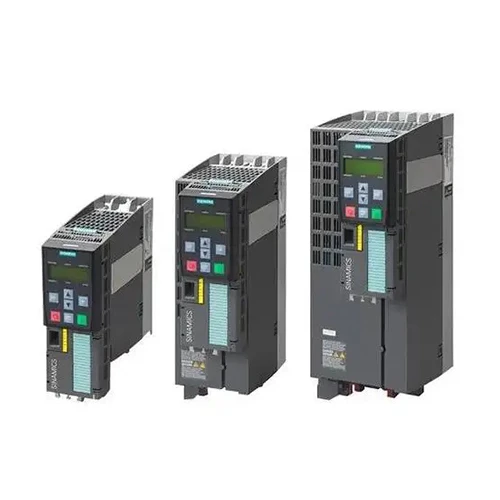
So, what is a VSD drive in real terms? Simply put, it’s a device that adjusts the speed and torque of an electric motor by varying the electrical power frequency supplied. Before VSDs, motors used to run full throttle or nothing at all – not exactly energy efficient or gentle on equipment. Now, these drives allow for precise adjustments matching load demands. Kind of like having an accelerator pedal on a motor rather than an on/off switch.
Industrial trends have definitely leaned towards sustainability and cost reduction, making VSDs pretty much indispensable. You can find them in pumps, fans, conveyors – honestly, just about anywhere variable motor speed can optimize process outcomes and cut power bills. Many engineers I’ve talked to swear by their ability to extend motor life and reduce mechanical stress, which of course spells less downtime and maintenance.
Interestingly, the core design of a VSD drive involves three primary components: a rectifier stage (to convert AC to DC), a DC bus, and an inverter stage that produces variable frequency AC output. This arrangement allows the motor to smoothly ramp up or down speed. The materials used, typically silicon-based power semiconductors, have gotten better over the years, improving robustness and efficiency. Testing standards are pretty rigorous because failures on the line can cost serious money – trust me, I learned that the hard way once!
One vivid memory I have: a client wanted to reduce energy consumption on their wastewater pumps. We installed a VSD drive, and within months energy use dropped nearly 30%. That’s money back in their pockets and fewer things to fuss with. Customization options also make VSDs adaptable to unique industrial environments – whether harsh temperature, dust, or vibration. It’s almost like they tailor-make themselves for each operation.
Typical VSD Drive Specifications
| Parameter | Value |
|---|---|
| Input Voltage | 380 – 480 V AC |
| Output Frequency | 0 – 400 Hz |
| Power Range | 0.75 kW to 500 kW |
| Control Method | Vector Control / V/f Control |
| Cooling | Forced Air / Liquid Cooling options |
| Communication | Modbus, Profibus, Ethernet/IP |
Comparing Popular VSD Drive Vendors
| Vendor | Power Range | Key Feature | Typical Industries |
|---|---|---|---|
| Siemens | 0.12 kW – 5,000 kW | Advanced diagnostics & integration | Manufacturing, HVAC, Water |
| ABB | 0.18 kW – 10,000 kW | High efficiency & rugged design | Mining, Oil & Gas, Marine |
| Tianjin Yongkai VSD Drives | 0.75 kW – 500 kW | Cost-effective with customizable options | Water treatment, Manufacturing, Agriculture |
| Schneider Electric | 0.18 kW – 1,300 kW | User-friendly interfaces & safety features | Building automation, Food processing |
To wrap it up, a VSD drive is more than just a motor controller; it’s sort of the unsung hero that balances power, performance, and efficiency in harsh industrial environments. If you ask me, investing in a quality VSD can pay off sooner than expected, both in energy savings and equipment life. So, if you're exploring options, do keep in mind the specific industrial context and support capabilities of vendors — I’ve learned that some “bells and whistles” matter only if they suit your process.
References:
- IEC 61800-9-2: Variable speed electrical power drive systems
- IEEE Industrial Electronics Magazine, 2021 – Energy efficiency with VSDs
- Tianjin Yongkai official product brochures & user testimonials