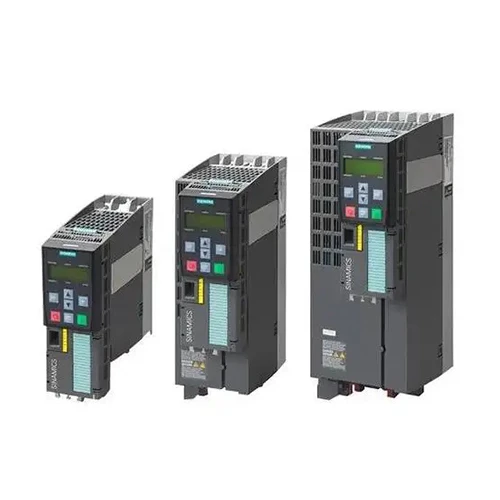
1 HP Single Phase VFD: Energy Saving, Precision Motor Control & Global Applications
Understanding the 1 HP Single Phase VFD: A Key to Energy Efficiency and Industrial Precision
At first glance, a “1 hp single phase VFD” might sound a bit technical or overly specific, but it’s actually a game-changer in many industrial and even residential setups worldwide. Variable Frequency Drives (VFDs) allow motors to run at variable speeds instead of just full throttle, meaning machines work smarter, save energy, and last longer. When you’re dealing with a 1 horsepower (hp) motor on a single phase power supply — common in homes or small factories — having a VFD tailored for that setup can significantly reduce electrical waste and improve performance.
Why does it matter globally? Energy consumption from motors is enormous—according to the International Energy Agency, industrial motors consume roughly 45% of global electricity. Naturally, anything that makes these motors more efficient scales up to massive energy savings and emissions reductions worldwide.
Introduction: The Global Significance of the 1 HP Single Phase VFD
To put this in perspective: countless small industrial systems, agricultural pumps, HVAC units, and machinery engines worldwide rely on 1 hp single phase motors. The problem is, traditional motors operate at fixed speeds controlled by mechanical throttling or on/off switching, which wastes energy and causes premature wear. Enter the variable frequency drive.
Across developing economies and remote areas, where power grids may be unstable or expensive, 1 hp single phase VFD units help reduce consumption, improve motor control, and lower operational costs. Also, as renewable energy integration demands smarter load management, VFDs offer the flexibility every modern energy scenario requires.
Definition & Meaning
Simply put, a 1 HP single phase VFD is an electronic device that regulates the frequency and voltage supplied to a 1 horsepower motor powered by single phase electricity—typically the kind found in homes or small-scale industrial settings. By adjusting those parameters continuously, the VFD controls motor speed and torque, rather than leaving the motor always running at full speed.
In a nutshell, they are vital for energy efficiency upgrades, precision control in manufacturing processes, and for providing adaptable, sustainable motor solutions where three-phase power isn’t available.
Key Factors of 1 HP Single Phase VFDs
1. Durability and Thermal Stability
Since these drives operate continuously, many engineers emphasize the importance of adequate heat dissipation. The best VFDs include heatsinks and thermal protection to ensure they last in tough environments.
2. Power Quality and Harmonic Reduction
Single phase systems can be sensitive to power disturbances. Good VFD units mitigate voltage spikes and reduce harmonic distortions, improving overall power quality.
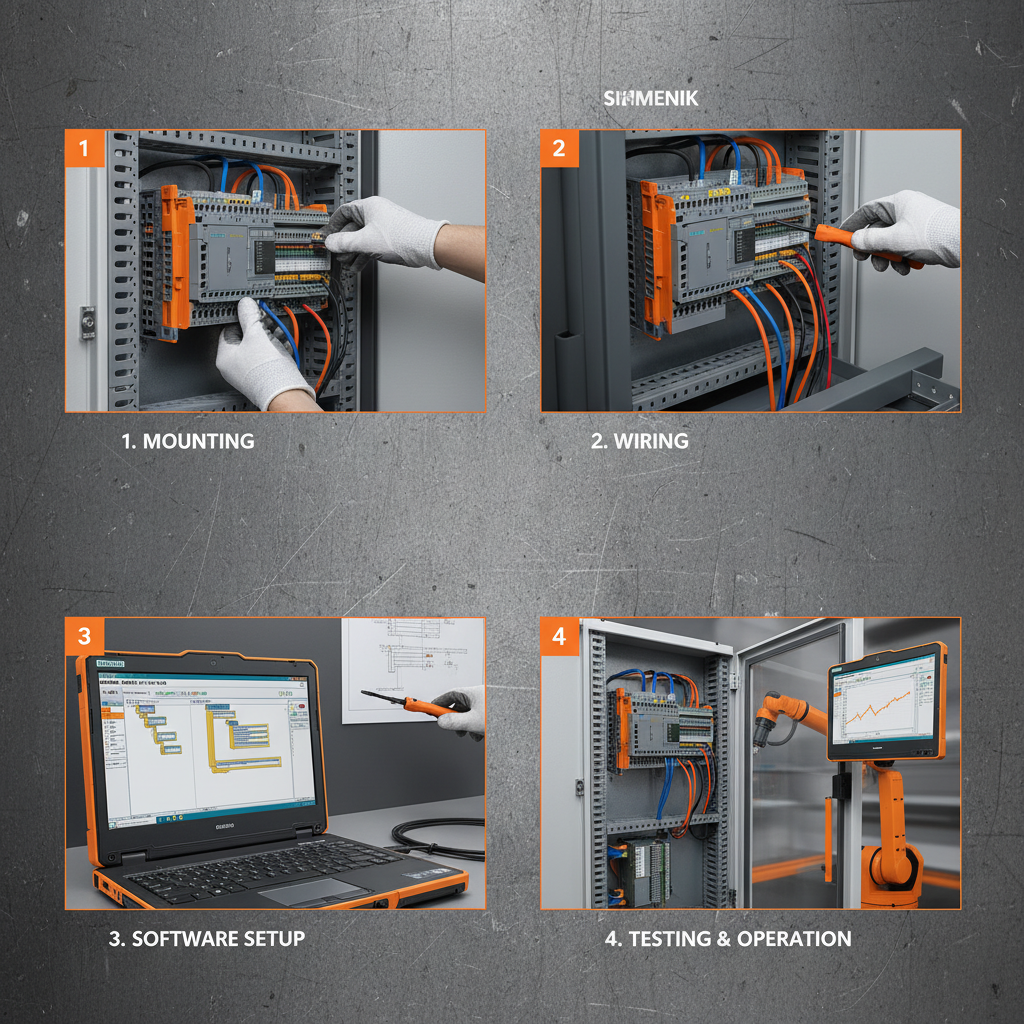
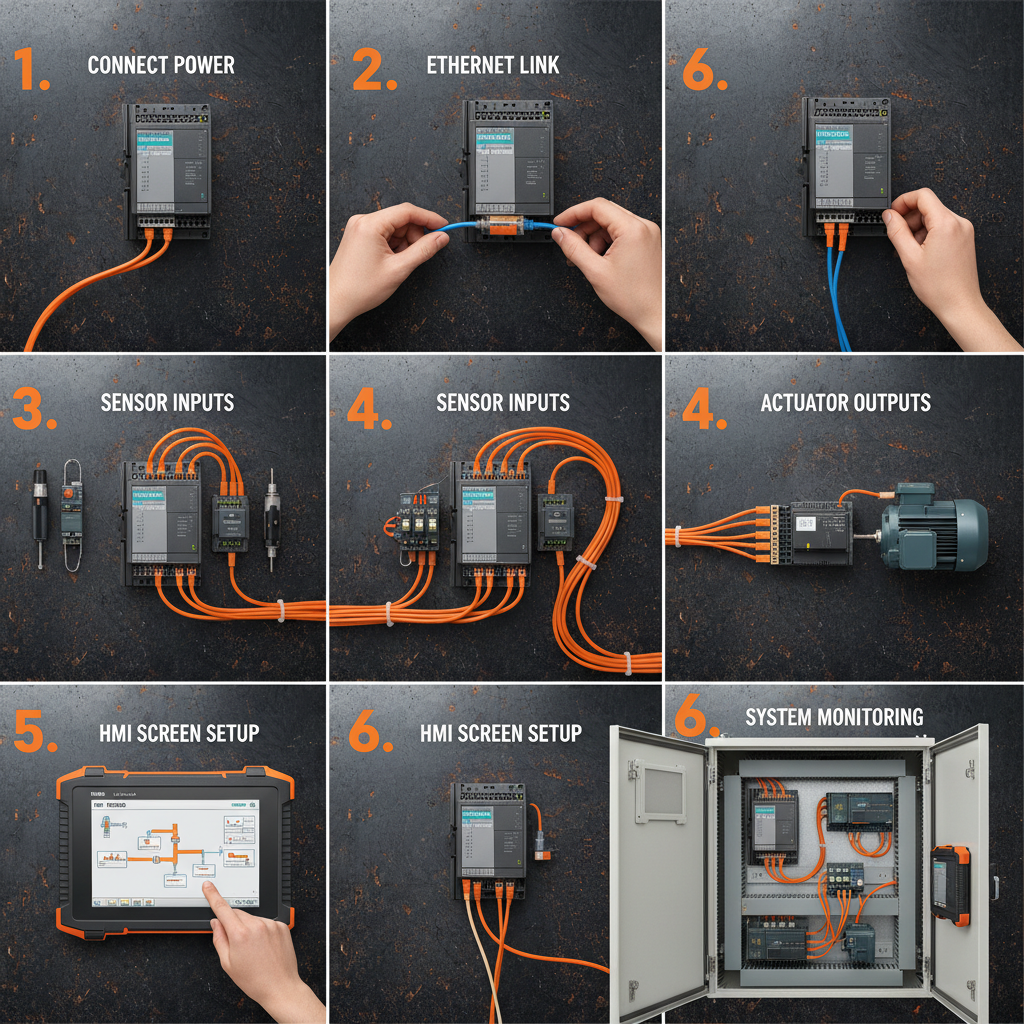
3. Ease of Installation & Integration
For smaller operations, plug-and-play features, intuitive programming interfaces, and compatibility with standard motors matter a lot — especially when in-field technical support is scarce.
4. Cost Efficiency
Compared to larger multi-phase VFDs, single phase drives usually carry a simpler design, which helps keep costs accessible without sacrificing essential features.
5. Scalability and Control Features
Many modern 1 hp single phase VFDs come with programmable speed profiles, auto-tuning functions, and communication protocols like Modbus, making them surprisingly versatile despite their small size.
Product Specification Table for Typical 1 HP Single Phase VFD
| Specification | Typical Value |
|---|---|
| Input Voltage | 230 VAC ±10% |
| Input Frequency | 50/60 Hz |
| Output Voltage | Variable, up to 230 V |
| Output Frequency | 0.1 to 400 Hz |
| Max Output Current | 5 A (approx.) |
| Protection Features | Overload, overvoltage, undervoltage, short circuit |
| Control Method | V/F control, sensorless vector control |
Global Applications & Use Cases
- Agriculture: From irrigation pumps in Southeast Asia and Sub-Saharan Africa to greenhouse ventilation systems in Europe, the 1 hp single phase VFD enables precise control and reduces electricity bills, critical for smallholder farmers and agribusinesses alike.
- Manufacturing and Machining: Small workshops and factories use these drives for conveyor belts, mixers, and pumps, especially where three-phase power is unavailable or costly.
- Residential HVAC: Home air conditioning and heating systems in North America and Europe increasingly adopt VFDs for quieter operation and lower energy consumption.
- Disaster Relief and Remote Installations: Portable water pumps and generators running on single phase can be fine-tuned with VFDs, helping NGOs improve efficiency in harsh environments.
Oddly enough, though they seem niche, 1 hp single phase VFDs quietly clog the veins of many sectors worldwide, often unnoticed but crucial.
Vendor Comparison Table: Leading 1 HP Single Phase VFD Suppliers
| Vendor | Price Range | Features | Warranty | Support Quality |
|---|---|---|---|---|
| Brand A | $150 - $200 | Basic V/F control, Overload protection | 1 year | Email and phone support |
| Brand B | $180 - $220 | Sensorless vector control, LCD display | 2 years | 24/7 support hotline |
| Brand C | $160 - $210 | Modbus compatible, Auto-tuning | 18 months | Online knowledge base |
Advantages & Long-Term Value
Frankly, investing in a 1 hp single phase VFD brings a mix of practical and emotional benefits. Practically, businesses see 20 to 30% cuts in electricity costs. Motors last longer because they're not pushed full speed nonstop. Less downtime means better reliability — vital for small producers.
On the social side, lower power consumption means less environmental impact, fostering corporate responsibility and community trust. It’s a quiet innovation that upholds safety and dignity by ensuring systems that control water or air flow don’t fail unexpectedly.
Future Trends & Innovations
Looking forward, the world of 1 hp single phase VFDs is paying close attention to digital transformation. Expect smarter VFDs integrated with IoT sensors, allowing real-time monitoring and predictive maintenance. Also, as green energy spreads, these drives will increasingly pair with solar or microgrid setups, enabling even off-grid industries to run efficiently.
Material advances may allow smaller but more robust VFDs, and tighter industry standards will improve interoperability and safety.
Challenges & Solutions
Of course, challenges remain. Single phase VFDs can be more prone to harmonic distortions, affecting power quality. Small users sometimes struggle with initial setup, and the upfront cost can be a hurdle for low-income users.
Solutions? Manufacturers are working on better built-in filters, simpler user interfaces, and offering subsidies or financing to boost adoption. Training and support networks also help spread knowledge to onsite technicians.
FAQ: Frequently Asked Questions About 1 HP Single Phase VFD
- Q1: Why choose a 1 hp single phase VFD over a traditional motor controller?
- A1: VFDs provide precise speed control, reduce energy consumption, and extend motor life by avoiding mechanical stress. Traditional controllers lack these efficiency and durability benefits.
- Q2: Can a 1 hp single phase VFD handle varying loads, like pumps and fans?
- A2: Yes, VFDs excel at adjusting motor speed to load demands, ensuring optimal performance for pumps, fans, and other variable load applications.
- Q3: How complicated is the installation of a 1 hp single phase VFD?
- A3: Most modern units are designed for easy installation with user-friendly manuals and plug-and-play connectors, though professional assistance may be advised for optimal setup.
- Q4: Are there any maintenance requirements specific to these VFDs?
- A4: Periodic inspections for dust buildup and firmware updates are recommended. VFDs typically require less maintenance than mechanical speed controllers.
Conclusion & Call to Action
All things considered, the 1 hp single phase VFD is an elegant solution bridging simplicity and advanced motor control technology. It’s not just about saving money—though that’s quite compelling—but also about reducing environmental impact and enabling smarter, more adaptable operations on a global scale.
If you find yourself curious, or maybe need to upgrade your systems, take a moment to explore more at https://www.tianjinyongkai.com — they have everything you need to start making your motors work smarter, not harder.
Mini takeaway: The 1 hp single phase VFD combines energy efficiency, precise control, and affordability to power industries and communities sustainably worldwide.