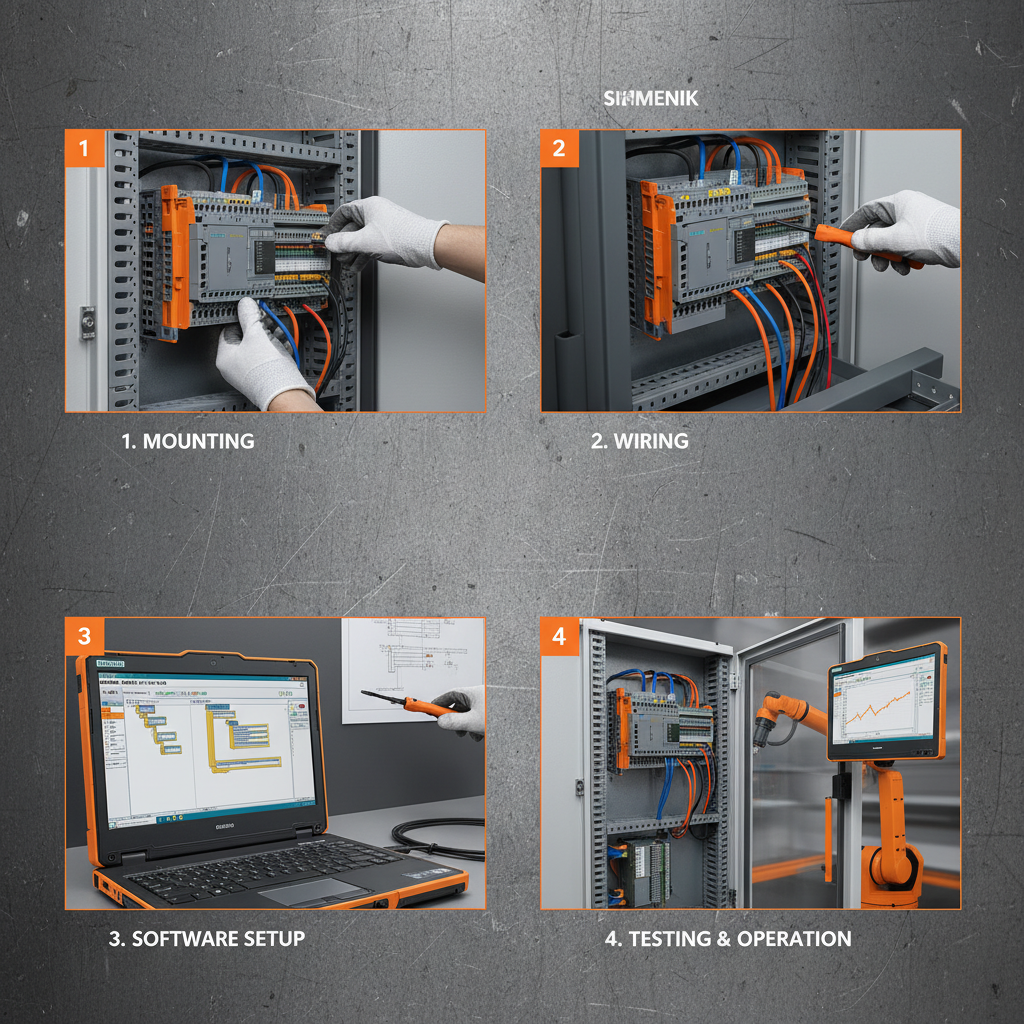
Comprehensive Guide to Frequency Drive Controllers: Features, Benefits, and Trends
Frequency Drive Controller: Unlocking Efficiency in Modern Industry
If you’ve ever wondered what powers the silent but powerful heartbeats of countless machines worldwide, the frequency drive controller might just be that unsung hero. This device plays a critical role in modern industrial and humanitarian endeavors by optimizing motor speed, improving energy efficiency, and ensuring smoother operations — globally essential as industries strive for sustainability and cost-cutting.
Why Understanding Frequency Drive Controllers Matters—A Quick Overview
From giant pumps in water treatment plants to conveyor belts in factories, frequency drive controllers regulate motor speeds according to demand — cutting energy waste significantly. With energy consumption accounting for roughly 40% of global industrial electricity use (according to the International Energy Agency), even modest improvements ripple into massive carbon footprint reductions. Plus, they help in prolonging equipment lifespan, reducing downtime, and streamlining complex operations.
Frequency drive controller: A Global Challenge & Opportunity
With worldwide urbanization skyrocketing and industries expanding, the demand for efficient motor control is surging. Data from the International Organization for Standardization (ISO) suggest that frequency drive installations could abate up to 20% of industrial energy usage if widely adopted. However, many developing regions still struggle with expensive or outdated motor control technology, leading to inefficient operations and greater emissions.
Addressing this gap isn’t just about technology, but also about infrastructure, training, and adaptability — challenges few talk about but many engineers wrestle with behind the scenes.
What Exactly Is a Frequency Drive Controller?
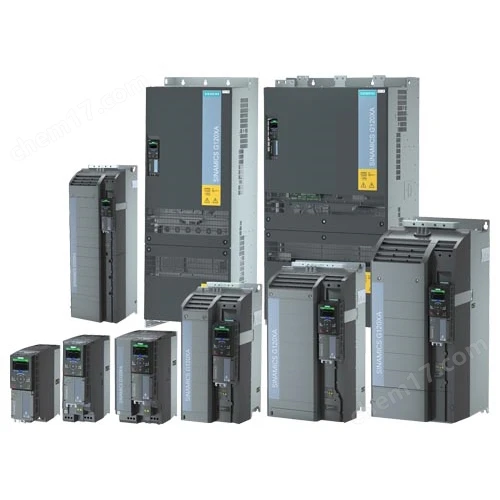
Simply put, a frequency drive controller (often called a variable frequency drive or VFD) is an electronic device that controls the rotational speed of an electric motor by adjusting the frequency of the electrical power supplied. Rather than forcing a motor to run at full speed all the time, these controllers tweak voltage and frequency, making machines adaptable to changing loads.
In modern industries — from manufacturing to renewable energy — this control translates directly to energy savings, less mechanical stress on equipment, and more precise process control. Oddly enough, they’ve also found applications in humanitarian efforts, such as water pumping for disaster relief and remote site logistics, where power efficiency can be a game changer for survival.
Core Components And Key Features of Frequency Drive Controllers
1. Durability and Environmental Resistance
Frequency drive controllers are often exposed to harsh environments: dust, moisture, and extreme temperatures. Durable design is crucial for uninterrupted service, especially in mining, offshore platforms, or rural installations where service calls aren’t easy or cheap.
2. Scalability and Compatibility
Practical drive controllers must be scalable from fractional horsepower motors to massive industrial motors. Equally important is compatibility with different motor types (induction, synchronous, permanent magnet), allowing flexibility across sectors.
3. Energy Efficiency & Cost Effectiveness
The primary goal is to minimize wasted energy. By adjusting motor speed, frequency drives cut down peak power draw and help utilities reduce load. That pays off not only on electricity bills but extends motor life, reducing total cost of ownership.
4. User Interface & Remote Connectivity
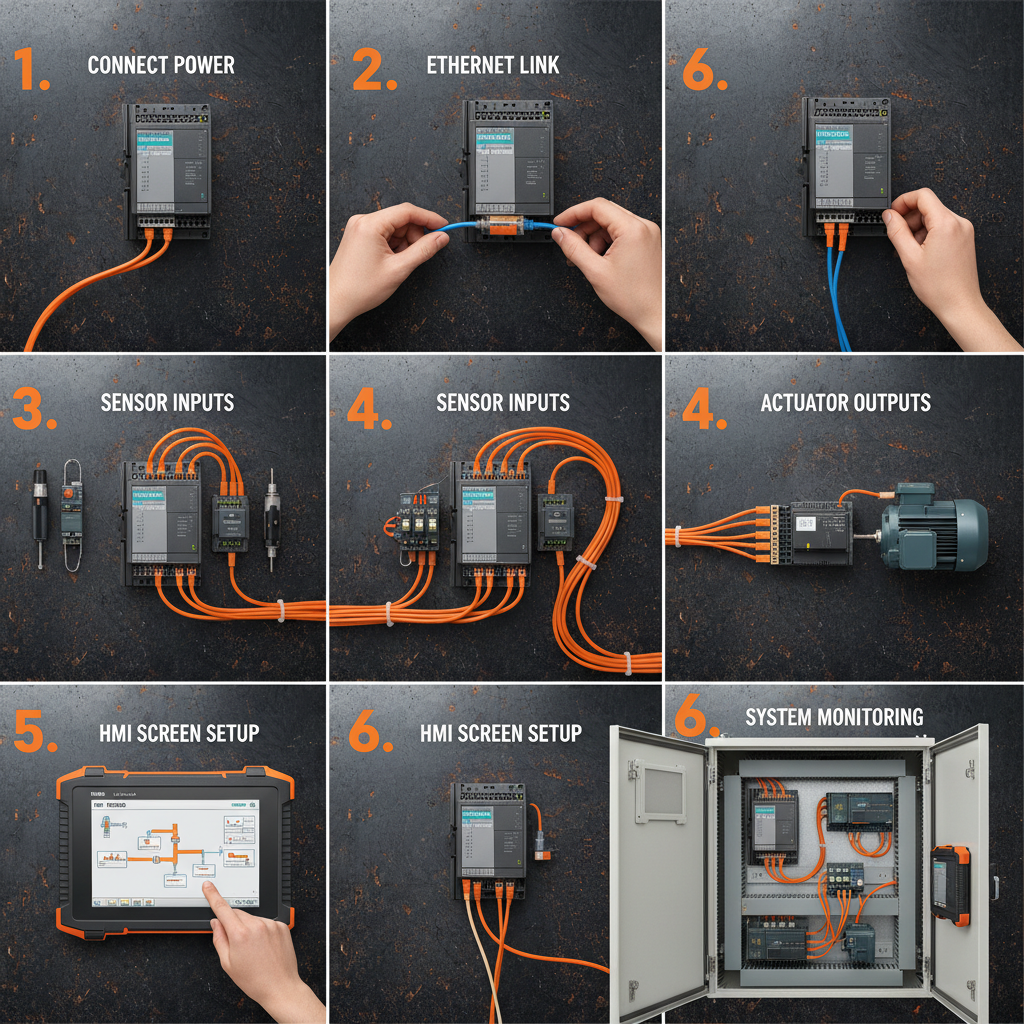
Modern controllers come with intuitive digital interfaces and increasingly with IoT-enabled remote monitoring. This means operators can tweak performance or troubleshoot from afar—a lifesaver for large or remote facilities.
5. Safety Features
Integrated protections like overload, short circuit, and thermal monitoring reduce risk to both machines and people, enhancing trust and reliability in critical systems.
Mini takeaway:
Frequency drive controllers offer not just technical perks but intertwine environmental resilience, scale, cost, usability, and safety into one smart package.
Global Applications & Practical Use Cases
In manufacturing hubs like Germany and Japan, frequency drives help maintain precise conveyor speeds while reducing energy spikes. Meanwhile, in places like South Asia, these controllers aid water pumping stations delivering clean water to millions.
For example: In post-disaster relief operations, portable pumping systems powered by VFDs can adapt to fluctuating power supplies and water demand, ensuring survivors get water reliably. In remote mining camps in Australia, frequency drives reduce fuel consumption for generators, cutting costs and emissions.
Advantages & Long-Term Impact of Frequency Drive Controllers
- Lower Energy Consumption: Drives slash unnecessary motor power usage, aiding sustainability goals.
- Extended Equipment Lifespan: Smooth acceleration/deceleration reduces wear-and-tear.
- Enhanced Control & Process Quality: Precise motor adjustments optimize product outcomes and reduce defects.
- Social Impact: Safer, more reliable machinery fosters worker confidence and dignity.
Beyond numbers, there’s an emotional satisfaction in knowing that such tech quietly supports cleaner cities, more resilient infrastructure, and better livelihoods worldwide.
Future Trends & Innovations Shaping Frequency Drive Controllers
Looking ahead, digital transformation is pushing frequency drive controllers toward smarter, cloud-connected devices. Machine learning algorithms are starting to predict failures before they happen. Meanwhile, as green energy ramps up, drives optimized for solar or wind-powered motors are emerging.
Materials innovation is also shaping rugged yet lightweight enclosures, while increasing demand for compliance with stricter international environmental policies (like ISO 50001 on Energy Management) means these devices will keep getting smarter and “greener.”
Challenges Still on the Horizon & Emerging Solutions
Despite advances, issues remain — such as compatibility with legacy systems, initial cost barriers in developing regions, and technical skill shortages for installation and maintenance. Many companies counter this by offering modular, easily upgradable drives and partnering with local governments for training programs.
Innovations in plug-and-play designs and user-friendly software promise to democratize adoption, lowering barriers — a welcome development in a noisy, fast-changing industrial landscape.
FAQ: Your Most Common Questions About Frequency Drive Controllers
- What is the typical energy saving I can expect from installing a frequency drive controller?
- Depending on the application, energy savings typically range from 20% to 50% compared to fixed-speed motor operations, especially in pumps and fans where load varies frequently.
- Can frequency drive controllers be retrofitted into existing motor setups?
- Yes, most frequency drives are designed for retrofitting into existing systems, but compatibility checks and sometimes minor adjustments are required to ensure safe and optimal operation.
- Are frequency drive controllers suitable for hazardous environments?
- There are models specifically certified for hazardous locations with explosion-proof enclosures and special safety features. It's crucial to select a controller that meets your site’s regulatory requirements.
- How does remote monitoring improve frequency drive controller performance?
- Remote monitoring allows operators to detect faults early, optimize parameters on-the-fly, and minimize downtime, leading to improved operational efficiency and reduced maintenance costs.
Product Specification Table: Sample Frequency Drive Controller
| Feature | Specification |
|---|---|
| Power Range | 0.5 HP to 500 HP |
| Input Voltage | Three-phase 380-480 V |
| Frequency Range | 0.1 Hz to 400 Hz |
| Communication | Modbus RTU, Ethernet/IP |
| Protection | Overload, Overcurrent, Thermal, Short Circuit |
| Cooling | Forced Air Cooling |
Vendor Comparison: Leading Frequency Drive Controller Providers
| Vendor | Product Range (HP) | Smart Features | Price Range | Support Service |
|---|---|---|---|---|
| XDrive Solutions | 0.5 - 250 | IoT-enabled Monitoring | $$$ | 24/7 Technical Support |
| VoltMaster Corp | 1 - 500 | Advanced AI Diagnostics | $$$$ | On-site Training Programs |
| EcoDrive Tech | 0.75 - 300 | Energy Usage Analytics | $$ | Remote Assistance |
Wrapping Up: Why Frequency Drive Controllers Are Here To Stay
It feels a bit like magic — the silent adjustments of frequency drive controllers making machines smarter, more reliable, and kinder to the planet. As global demands for energy efficiency and operational resilience grow, these controllers bridge the gap between today’s challenges and tomorrow’s possibilities.
If you want to explore how frequency drive controllers can breathe new life into your operation or facility, don’t hesitate — technology is moving fast, and it’s worth staying ahead. Visit our website for expert solutions tailored to your needs.