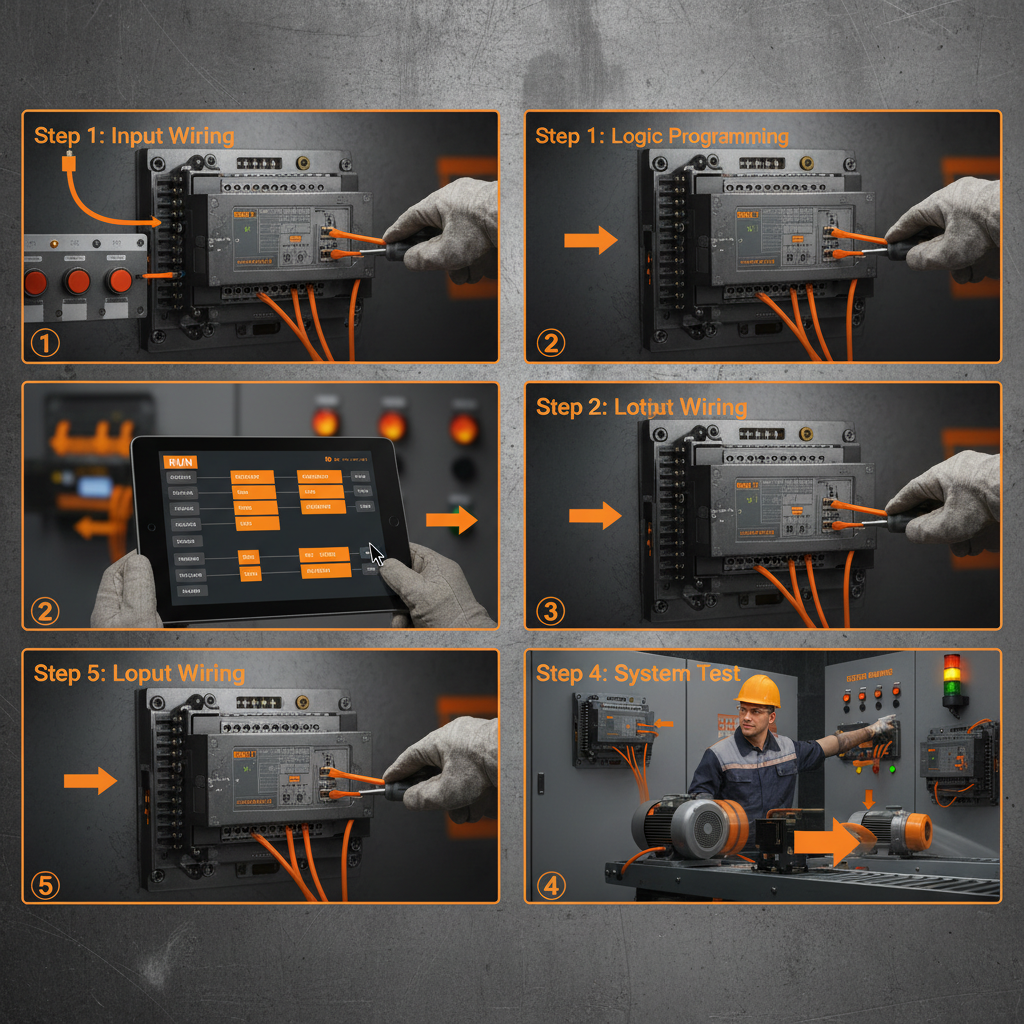
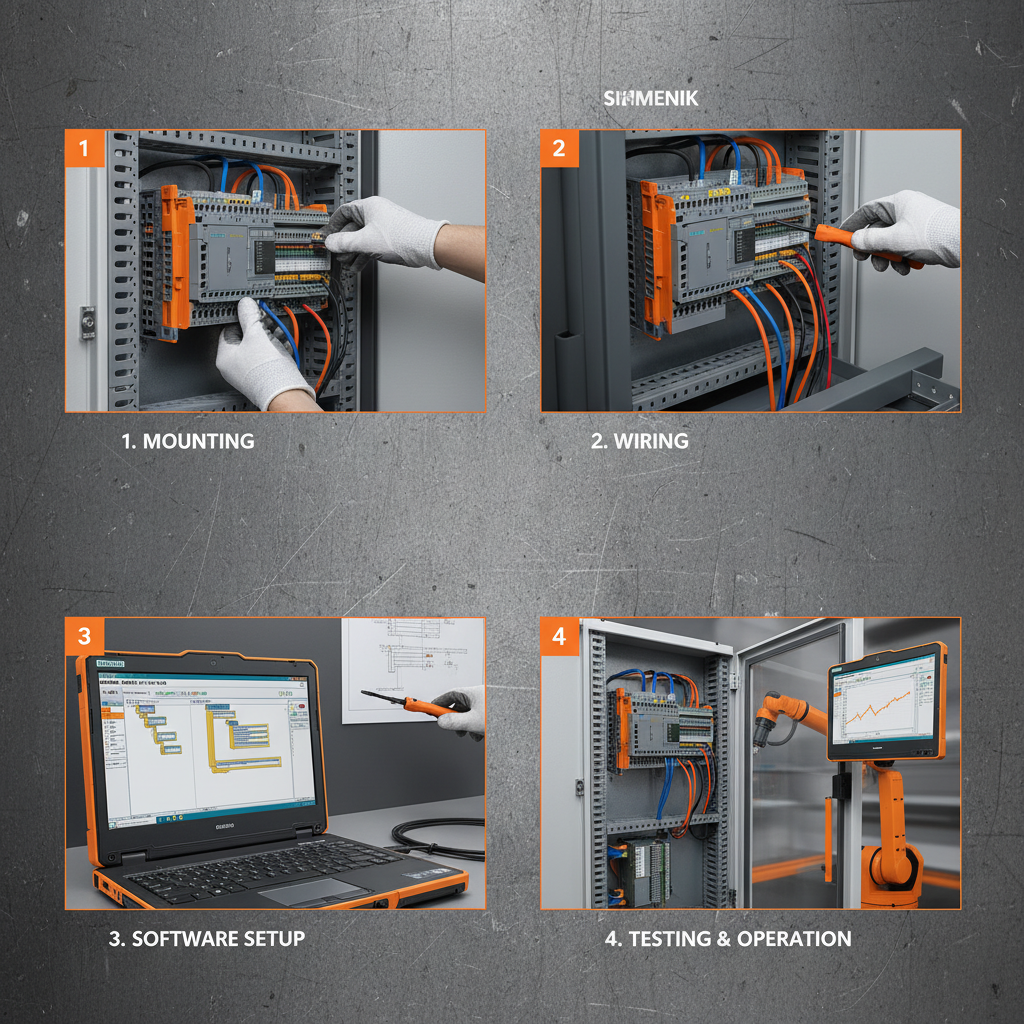
Comprehensive Guide to VFD Function and Operation | Energy-Efficient Motor Control
Understanding VFD Function and Operation: A Key to Modern Efficiency
Variable Frequency Drives, commonly known as VFDs, are the unsung heroes behind many efficient industrial operations worldwide. At their core, VFD function and operation revolve around controlling motor speed and torque by varying electrical frequency. It might seem niche, but the global importance is quite striking. With industries pushing towards smarter energy use and precision control, grasping how VFDs work is essential—not just for engineers but for anyone keen on sustainable tech. Whether it’s reducing energy consumption in manufacturing plants or optimizing water pumping in remote areas, VFDs are quietly transforming outcomes.
Mini takeaway: VFDs are critical for energy-efficient, precise motor control, impacting industries on a global scale.
Introduction: Why VFD Function and Operation Matter Globally
Globally, electrical motors consume nearly 45% of the electricity generated by industries, making efficiency improvements in motor control a top priority for organizations like the International Energy Agency (IEA). You might find it surprising that by implementing smart VFD technologies, some factories reduce their energy usage by up to 30%. According to ISO standards on energy management (ISO 50001), this kind of optimization isn’t merely cost-effective—it’s a necessity in today’s environmental climate.
But the challenge is real: many plants, especially in developing countries, still run motors at full speed regardless of demand, wasting precious energy and facing premature equipment failure. VFD function and operation provide a solution here, allowing for dynamic speed adjustments and protection features that extend motor life and cut emissions.
Mini takeaway: VFD technology addresses rising energy demands and environmental sustainability challenges worldwide.
What Is VFD Function and Operation?
So, what are VFD function and operation, exactly? It’s the process by which a Variable Frequency Drive alters the frequency of the electrical power supplied to an AC motor. By controlling that frequency, the drive adjusts motor speed and torque to match specific application needs. Think of it as having a dimmer switch for motors instead of an on/off switch.
This isn’t just fancy tech jargon—it links directly to the real needs of modern industries that demand flexibility, energy savings, and longevity. Engineers use VFDs in everything from HVAC systems to manufacturing lines, and even humanitarian projects where equipment reliability can make a life-or-death difference.
Key Components and Core Aspects of VFD Functionality
1. Frequency Control
The central role of a VFD is to adjust the electrical frequency fed to the motor. This ability means the motor can run slower or faster than its default speed, saving energy when full speed isn't necessary.
2. Torque Management
VFDs also manage the torque output, which is crucial during startup or variable load conditions. This control prevents mechanical stress and reduces wear and tear.
3. Energy Efficiency
Because the motor only uses the energy required to perform its task, VFD operation reduces waste and lowers operating costs.
4. Protection Features
Modern drives include safeguards like overload protection, short-circuit detection, and thermal monitoring. These features boost the reliability of systems significantly.
5. Programmability and Integration
Many VFDs allow flexible programming and integration with control systems, making them adaptable to complex industrial environments.
6. Durability and Scalability
Most drives are built to withstand harsh environments and are scalable for applications ranging from small pumps to large industrial motors.
Mini takeaway: VFDs combine frequency control, torque management, and built-in protections to deliver efficient, reliable, and adaptable motor operation.
VFDs Around the World: Real-World Applications
VFDs are everywhere—sometimes where you least expect them. In Europe, their integration into renewable energy infrastructures like wind and solar farms is crucial for smooth power conversion. In North America, HVAC systems in high-rise buildings use VFDs to cut energy consumption significantly. In Asia and Africa’s water management sectors, VFDs help optimize pumping, ensuring energy-efficient and reliable access to safe water in remote communities.
In post-disaster relief operations—where power supply could be patchy—VFDs enable generators to run efficiently without unnecessary fuel consumption, supporting NGOs and governments in their efforts. Oddly enough, the adoption rates differ widely based on local regulations, infrastructure maturity, and investment levels.
Mini takeaway: VFD function and operation play a vital role in industries from renewables to humanitarian aid, across diverse geographies.
Product Specification Table: Typical VFD Parameters
| Specification | Value | Description |
|---|---|---|
| Voltage | 220-480 V | Input voltage range |
| Power Rating | 0.5 - 500 kW | Motor power capacity |
| Frequency Range | 0 – 400 Hz | Output frequency control |
| Control Type | V/f, Vector Control | Speed and torque control methods |
| Protection Features | OVP, OCP, Thermal | Overvoltage, overcurrent, and thermal protections |
How Do Vendors Compare? A Quick Look
| Vendor | Energy Efficiency | Smart Features | Price Range | Support & Warranty |
|---|---|---|---|---|
| DriveX | High (up to 98%) | IoT-enabled | $$$ | 5 years + 24/7 support |
| EcoFlow | Moderate (95%) | Basic programming | $$ | 3 years, business hours support |
| SafeVolt | High (97%) | Advanced protection | $$$ | 4 years + remote diagnostics |
Advantages and Long-Term Benefits
Honestly, the advantages of mastering VFD function and operation are many. Energy savings alone lead directly to cost cuts that any CFO would appreciate. Beyond the dollars, VFDs enhance equipment safety and reduce unexpected downtime—delivering consistent quality and trust in production. Environmentally, fewer emissions mean companies align better with stringent global carbon regulations. On a social level, especially in emerging markets, reliable motor control can improve water supply, sanitation, and thus community health and dignity.
You know, innovation isn’t just about shiny gadgets; it’s about practical improvements that last decades. Reliable VFD operation fosters the kind of sustainability that builds trust both inside and outside organizations.
Emerging Trends in VFD Technology
The future looks bright—with increased integration of vfd function and operation with Internet of Things (IoT) systems enabling predictive maintenance. Automated tuning and AI-driven performance optimizations are already bubbling beneath the surface. Green energy compatibility is another hot trend; as more motors are tied to solar or wind power, VFDs are evolving to handle fluctuating inputs more gracefully.
Material science advances, such as using wide bandgap semiconductors like SiC, make drives smaller, cooler, and more efficient. Policy-wise, stricter international energy standards are pushing companies towards smarter motor control solutions sooner rather than later.
Challenges and Expert Solutions
Yet, I won’t pretend everything is smooth sailing. One challenge is the upfront cost and complexity of retrofitting legacy systems with modern VFDs. Also, without proper setup, drives can induce electrical noise impacting other equipment. Then there’s training—many operators aren’t well-versed in configuring or maintaining VFDs optimally.
Experts suggest stepwise integration paired with comprehensive training programs and choosing vendors that offer strong technical support—like those in the comparison table above. It’s also wise to invest in quality filters and shielding to minimize electrical interference.
In real terms, patience and planning pay off handsomely when adopting VFD function and operation.
Frequently Asked Questions About VFD Function and Operation
- Q1: How much energy can a VFD save in typical industrial use?
A: Depending on the application, energy savings range from 10% to over 30%, especially where full motor speed isn’t always needed. Processes with variable load and demand see the biggest benefits. - Q2: Are all motors compatible with VFDs?
A: Most AC induction motors are compatible, but some older or specialty motors may require assessment or upgrades to work properly with VFDs. - Q3: How difficult is it to program a VFD?
A: Many modern VFDs come with user-friendly interfaces and presets, though complex applications may require skilled technicians. Training and vendor support are key. - Q4: Can VFDs reduce maintenance costs?
A: Yes. By reducing mechanical stress and providing diagnostic data, VFDs can extend equipment life and lower maintenance expenses. - Q5: How do I choose the best VFD for my operation?
A: Consider energy efficiency, control features, integration capabilities, vendor support, and cost. Refer to comparison tables to weigh options carefully.
Conclusion: Why VFD Function and Operation Deserve Your Attention
As we’ve explored, VFD function and operation are more than technical jargon—they’re essential tools in the modern industrial and humanitarian toolkit. With tangible savings, reliability improvements, and environmental benefits, understanding and adopting this technology is a strategic move for organizations serious about a sustainable future. So, why not dig a little deeper? Visit our website at https://www.tianjinyongkai.com to explore how VFD solutions can transform your processes.
Final thought: In a world racing toward efficiency and sustainability, the humble VFD is quietly powering the way forward.