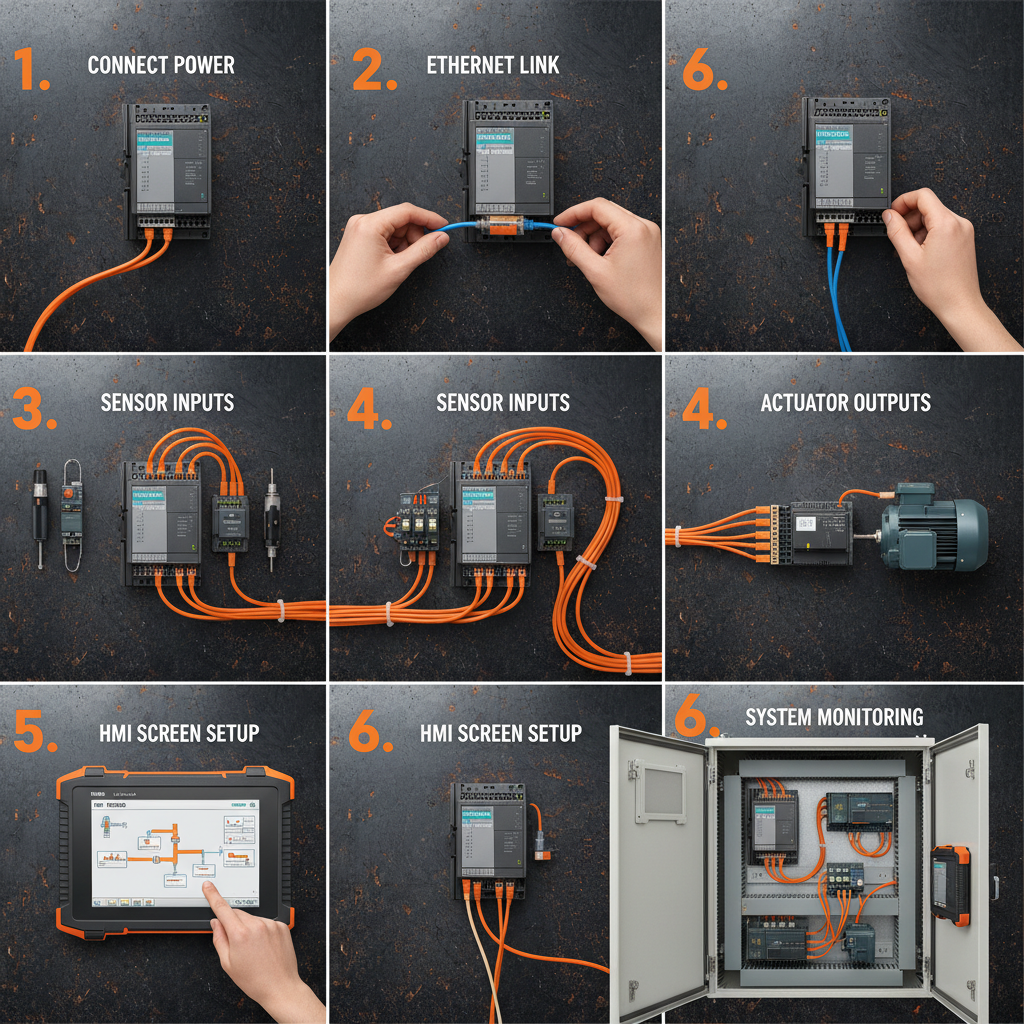
Efficient Industrial Motor Control with VFD Drive 10HP | Energy Saving Solutions
Why the 10HP VFD Drive Matters in Today’s Industry
Variable Frequency Drives, especially the vfd drive 10hp, have quietly become the unsung heroes of modern industrial operations worldwide. Whether it’s in manufacturing plants, water treatment facilities, or large HVAC systems, these drives are crucial for efficient motor control and energy savings. But why is this seemingly niche component so important, globally? Well, saving energy and improving motor performance aren’t just buzzwords; they directly impact costs, sustainability targets, and operational reliability across industries.
According to the International Energy Agency (IEA), electric motors consume roughly 45% of global electricity in industry alone, and because traditional motors often run at a constant speed regardless of demand, the inefficiencies pile up. Enter the 10HP VFD: a compact, cost-effective tool capable of adjusting motor speed to real-time needs, slicing energy use and carbon footprints substantially. So, understanding the vfd drive 10hp isn’t just for engineers – it’s pivotal for anyone working to make industry cleaner and smarter.
Global Context: Challenges that the 10HP VFD Tackles
Globally, industries face the dual challenge of rising energy costs and increasing pressure to reduce greenhouse gas emissions. The UN’s Sustainable Development Goal 7 aims for affordable and clean energy for all, and devices like the variable frequency drive for 10 horsepower motors are a practical step toward that by enhancing motor-driven systems’ efficiency.
Additionally, many mid-sized industrial enterprises in emerging markets struggle with grid instability and fluctuating power quality. Here, VFDs ensure smoother operations by protecting motors from voltage spikes or drops, reducing downtime — a chronic problem in several developing regions.
What Exactly is a VFD Drive 10HP?
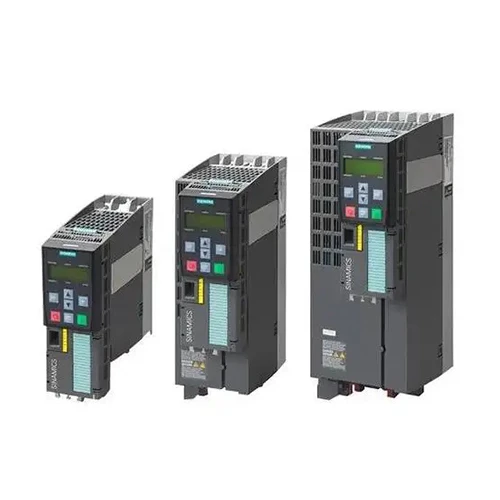
Simply put, a VFD (Variable Frequency Drive) 10HP is an electronic device that controls the speed and torque of a 10 horsepower electric motor by varying the input frequency and voltage. Instead of motors running at full speed constantly—like an old-school ceiling fan—VFDs adjust motor performance to perfectly match the load requirements.
This “speed on demand” approach improves system flexibility and energy consumption. In industries ranging from water pumping to automated conveyor belts, it's a small gizmo with a huge impact, helping to reduce wear and tear and extend equipment lifespan, too.
Key Features of a VFD Drive 10HP
Energy Efficiency
The core benefit is cutting down energy wastage. By matching motor speed with real-time demands, a 10HP VFD can reduce energy consumption by up to 50% in variable load applications. It’s more than saving money—think of lowering your carbon footprint.
Durability and Reliability
VFDs are designed to withstand harsh electrical conditions, protecting motors from stress caused by voltage fluctuations and sudden startups. Many models are also built with dust- and moisture-resistant enclosures, ideal for challenging environments.
Cost-effectiveness over Time
Yes, the upfront cost is higher than a simple motor starter. But when you factor in energy savings and reduced maintenance, a vfd drive 10hp quickly pays for itself — often within 2–3 years.
Scalability & Flexibility
Whether you run a small factory line or a large pumping station, 10HP VFDs offer flexible integration options. You can customize settings to optimize performance for different motors and applications.
Easy Integration with Automation
Modern VFD drives support digital controls and communication protocols such as Modbus or Ethernet, allowing seamless integration into Industry 4.0 processes.
How Are VFD Drive 10HP Systems Applied Globally?
From large sugar mills in Brazil to municipal water treatment plants in Canada, the 10HP VFD finds a home everywhere. Here are a few examples:
- Water & Wastewater Management: Controlling pump speeds to align with fluctuating demand, reducing both energy use and mechanical stress.
- HVAC Systems: Adjusting fan and blower speeds in commercial buildings for optimized climate control without wasted power.
- Manufacturing Lines: In conveyor belts and mixers, variable speed control means smoother operations and fewer mechanical faults.
- Mining & Construction: Protecting motors in remote, tough environments from unstable power supply and overloading.
Oddly enough, in some disaster-prone regions, VFD-driven pumps become critical for ensuring water supply stability during recovery — an unsung humanitarian angle.
Takeaway:
Whether in an energy-conscious metropolis or a remote industrial site, the 10HP VFD is the quiet workhorse balancing efficiency, cost, and reliability.
Technical Specifications of a Typical 10HP VFD Drive
| Specification | Details |
|---|---|
| Power Rating | 10 Horsepower (7.5 kW) |
| Input Voltage | 380 – 480 VAC (3-phase) |
| Output Frequency | 0 – 400 Hz |
| Control Method | V/f Control, Sensorless Vector Control |
| Communication Interfaces | RS-485, Modbus, Ethernet (optional) |
| Protection Features | Overcurrent, Overvoltage, Overtemperature, Short circuit |
| Operating Temperature | -10°C to 50°C |
Comparing Leading Vendors of 10HP VFD Drives
| Vendor | Price Range | Warranty | Special Features | Best Use Cases |
|---|---|---|---|---|
| Vendor A | $800 – $1100 | 3 years | Advanced vector control, integrated PLC | Heavy industrial pumps, mining |
| Vendor B | $700 – $950 | 2 years | Compact design, easy setup | HVAC, light manufacturing |
| Vendor C | $900 – $1200 | 5 years | Full digital control, IoT ready | Automated factories, water stations |
Advantages and Long-Term Benefits of the 10HP VFD
Many engineers swear by the reliable cost and sustainability benefits of using the vfd drive 10hp. The immediate advantage? Substantial energy cost savings. Over a few years, these savings stack up into a serious ROI, especially in continuous operations.
On a social level, reduced energy demands mean less strain on local grids—often crucial in regions with unstable power supplies. That not only uplifts operational continuity but promotes environmental responsibility, reducing harmful emissions tied to fossil-fuel electricity.
Emotionally, using smart, efficient technology cultivates pride among operators and managers alike. It’s like giving their facilities a bit of a brain — working smarter, not harder.
Emerging Trends and Innovations
Looking ahead, 10HP VFDs are not just getting smarter—they’re becoming greener. Hybrid energy integration is on the rise, allowing VFDs to work hand-in-hand with solar or wind energy sources for near-zero carbon footprint operations.
Artificial Intelligence (AI) and machine learning-based adaptive control algorithms are quietly creeping into VFD technology, promising predictive maintenance and even more precision in motor control.
Plus, wireless communication modules are making remote monitoring and control standard for many units, which is a godsend for industries with distributed or hard-to-reach equipment.
Overcoming Challenges with VFD Drive 10HP
Nonetheless, some hurdles remain. The upfront cost can be intimidating for smaller enterprises, and integrating VFDs into legacy systems is sometimes fraught with compatibility issues. Additionally, improper installation or configuration can negate energy savings or even damage equipment.
Experts recommend partnering with vendors who offer strong technical support and training. Plus, modern modular VFDs with plug-and-play features are making installation less painful.
Frequently Asked Questions About VFD Drive 10HP
- Q1: Can a 10HP VFD drive multiple motors?
- A 10HP VFD is generally designed to control a single motor rated up to 10 horsepower. For multiple motors, you’d typically need separate drives or specialized multi-motor control solutions.
- Q2: How much energy savings can I expect?
- Energy savings vary depending on the application, but typical reductions range from 20% to 50% compared to fixed-speed motor control, especially in variable load scenarios.
- Q3: Is installation difficult for the average plant technician?
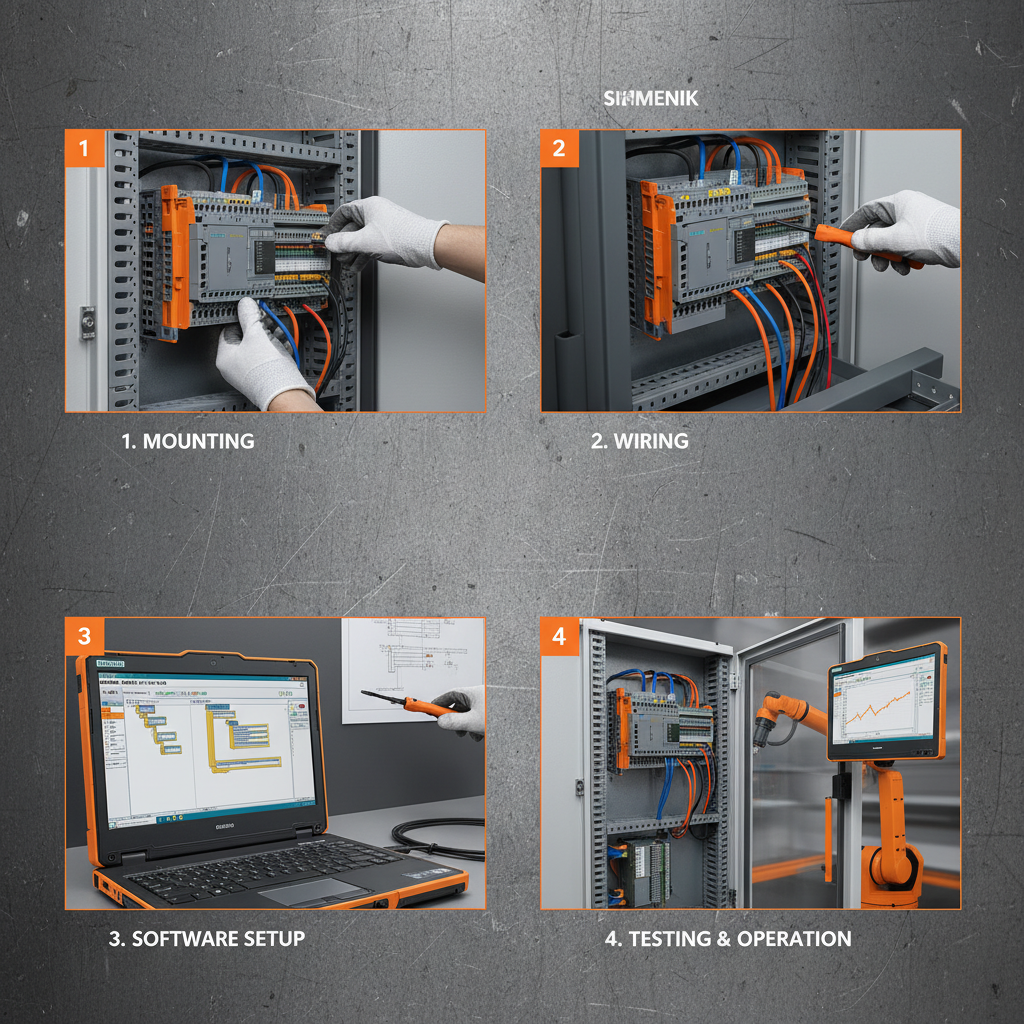
- While basic installation is straightforward, proper programming and configuration need some technical knowledge. Many suppliers offer user-friendly interfaces and remote assistance to ease this process.
- Q4: How does the VFD protect against power surges?
- VFDs usually have built-in protective circuits that regulate voltage and current to prevent damage from surges and short circuits, extending motor life and system reliability.
- Q5: Are 10HP VFDs compatible with older motors?
- Yes, but it’s important to verify motor insulation and cooling because some older motors might not be rated for variable frequency operations without modifications.
Final Thoughts
In the big picture, the vfd drive 10hp offers a versatile, cost-effective pathway toward smarter energy usage and system control in countless industrial settings. All while pushing us a little closer to those ambitious sustainability goals the world desperately needs.
So, if you’re involved in motor-driven systems, whether in manufacturing or municipal services, it’s worth giving this technology a look.
Curious for more? Visit our website: https://www.tianjinyongkai.com
References: