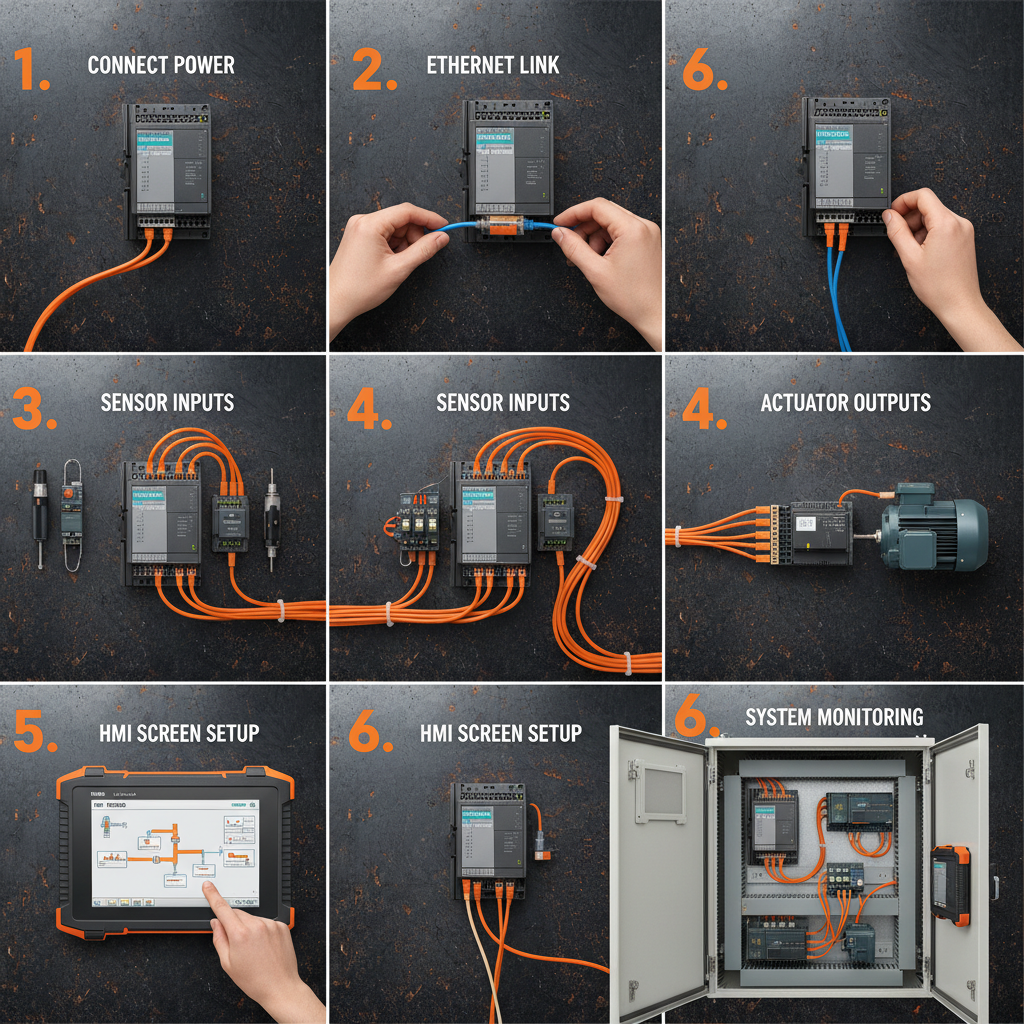
Small Variable Frequency Drive: Enhancing Energy Efficiency & Industrial Control
Understanding the Small Variable Frequency Drive: Powering Global Efficiency
Think about controlling a motor’s speed with the flick of a dial, adjusting it anywhere from a gentle crawl to full throttle. That's essentially the magic of a small variable frequency drive (or VFD). It might sound like tech jargon, but this little device plays a big role worldwide, quietly powering everything from factory machinery to HVAC systems and water pumps. Grasping how these compact drives work and why industries all over rely on them isn’t just about geeky specs; it’s about appreciating a key driver in energy efficiency, industrial automation, and sustainability efforts.
Introduction: Why Small Variable Frequency Drives Matter Globally
Across industries and regions, energy consumption is a growing concern. The International Energy Agency estimates that motor-driven systems account for nearly half of global electricity use. Efficiency improvements here are huge wins for both the environment and the economy. Small variable frequency drives have surged onto the scene as one of the most effective ways to cut down on unnecessary power waste.
They’re especially critical in developing economies and remote regions where infrastructure is often limited. The ability to precisely control motor speed can mean the difference between stable operations and costly downtime. At the same time, with growing pressure to reduce carbon footprints — as championed by standards like ISO 50001 on energy management — these drives help industries inch closer to sustainability goals.
small variable frequency drive systems answer the pressing challenge of balancing energy efficiency without sacrificing performance, and that’s why they’re catching on globally.
What Is a Small Variable Frequency Drive?
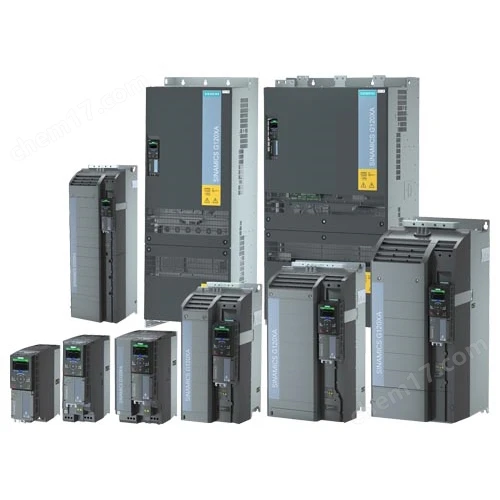
Put simply, a small variable frequency drive is an electronic device designed to control the speed and torque of an electric motor by varying the frequency and voltage supplied to it. Unlike traditional drives that run motors at fixed speeds, VFDs allow adjustments on the fly.
This flexibility is crucial in industries like manufacturing, where adapting motor speeds in real-time improves product quality and reduces wear. It’s also a boon for humanitarian operations, such as water pumping in off-grid communities, where efficiency and reliability mean improved living conditions.
Core Components and Key Features of Small Variable Frequency Drives
1. Compact Size & Portability
True to their name, small VFDs are designed to fit tight spaces and often come in modular forms. This makes them ideal for retrofitting older equipment or deploying quickly in temporary setups.
2. Energy Efficiency
Adjusting motor speed based on real-time demand cuts wasted power, often resulting in energy savings of 20–50%. For companies fighting expensive energy bills, that’s a significant win.
3. Precision & Control
Small VFDs offer smooth acceleration and deceleration, preventing mechanical stress and prolonging equipment life. This precision becomes vital in sensitive applications like conveyor systems or textile production.
4. Durability & Protection
Many models come equipped with built-in safeguards — overvoltage, overheating protection, and fault detection — ensuring robust performance even in challenging environments.
5. Connectivity & Integration
Modern small variable frequency drives support communication protocols (like Modbus or CANbus), making them fit seamlessly into larger automation systems.
Product Specification Table
| Feature | Specification |
|---|---|
| Power Range | 0.5 kW to 7.5 kW |
| Input Voltage | 110V/220V single-phase, 380V three-phase |
| Frequency Output | 0.1 Hz to 400 Hz |
| Control Mode | V/F control & sensorless vector control |
| Communication | RS485 / Modbus RTU |
| Protection Features | Overload, overheat, short circuit |
Mini takeaway: These core specs emphasize why even smaller VFDs pack a powerful punch—offering precise motor control in versatile, compact packages.
Global Applications: Where Small Variable Frequency Drives Shine
- Manufacturing Industries — from automotive parts to packaging lines, VFDs regulate motors to optimize throughput and reduce downtime.
- Water Management and Agriculture — in drought-prone regions, variable speed pumps enhance irrigation efficiency, conserving precious water.
- HVAC Systems — climate control units use small VFDs to adapt to fluctuating building occupancy and weather, cutting energy use.
- Post-Disaster Relief — deployable pump and generator sets with VFD control stabilize power-related infrastructure swiftly.
Oddly enough, while VFDs seem high-tech, they’ve become vital in remote industrial zones of Africa and Southeast Asia, where reliable energy management can directly boost production and local livelihoods.
Vendor Comparison Table
| Vendor | Price Range | Warranty | Unique Features |
|---|---|---|---|
| Tianjin Yongkai | $150-$350 | 2 years | Compact design, modular units, extensive support |
| Yaskawa Electric | $200-$400 | 3 years | Advanced sensorless vector control, premium reliability |
| Siemens | $250-$450 | 2 years | Wide communication compatibility, robust build |
Mini takeaway: Choosing the right small variable frequency drive depends on balancing budget, technical needs, and vendor support — key to smooth, lasting operations.
Advantages & The Long-Term Value of Small Variable Frequency Drives
From a cold ledger perspective, VFDs reduce electricity bills significantly by tailoring motor speed to real demand. But there’s more — less mechanical strain means less downtime and decreased maintenance costs, naturally boosting productivity.
On the social front, these drives enable cleaner manufacturing and water pumping, reducing environmental impact. For operators, there’s peace of mind knowing control systems protect expensive machinery.
Frankly, embracing VFD technology signals a commitment to innovation and sustainability, which can improve brand reputation and compliance with tightening environmental standards worldwide.
Looking Ahead: Future Trends in Small Variable Frequency Drives
Emerging innovations include integrating IoT sensors for real-time diagnostics and predictive maintenance, minimizing unexpected failures. Advances in semiconductor materials promise even smaller, more efficient drives with less heat loss.
Coupling small VFDs with renewable energy setups—like solar-powered water pumps—is gaining traction, especially in off-grid communities. This fusion highlights the drive’s role in energy transition and digital transformation.
Challenges & Expert Solutions
Of course, VFDs aren’t a silver bullet. They can face issues like harmonic distortion on power lines, requiring additional filters or infrastructure upgrades. Some users struggle with complex setup or integration into archaic systems.
Innovatively, many manufacturers now offer built-in harmonic mitigation and user-friendly programming software. Partnering with expert vendors ensures tailored solutions and ongoing training, which frankly makes all the difference.
FAQ: Frequently Asked Questions About Small Variable Frequency Drives
- What industries benefit most from small variable frequency drives?
- Manufacturing, HVAC, water management, and agriculture are prime sectors. Any application involving electric motors that require speed or torque variability can harness VFD benefits.
- Can small VFDs be retrofitted onto existing equipment?
- Absolutely. Their compact design and modularity make them ideal for upgrading older motor systems without extensive modifications, saving cost and downtime.
- Are these drives compatible with renewable energy sources?
- Yes. Many small VFDs can work with solar or wind systems, especially when paired with appropriate inverters, enhancing energy sustainability in off-grid or hybrid setups.
- How do small VFDs contribute to overall system safety?
- They provide soft starting/stopping to prevent mechanical shocks and often include protections against voltage spikes or overloads, helping protect both equipment and operators.
- What kind of maintenance do small variable frequency drives require?
- Generally minimal—mostly regular inspection for dust, cooling performance, and firmware updates. Predictive maintenance can be enabled if IoT features are integrated.
Conclusion: Embracing Efficiency, Innovation, and Sustainability
Small variable frequency drives are quietly shaping the future of energy-efficient industry worldwide. By giving control, protection, and adaptability to motor-driven systems, they solve tangible problems—from reducing carbon footprints to enabling reliable operations in challenging environments.
If you’re curious about integrating small VFDs into your processes or projects, I encourage you to explore options with reliable providers. For a good start, visit our partner website for detailed specs and support.
Energy-smart tech like this isn’t just an upgrade—it’s a pathway to a sustainable and resilient industrial future.
Mini takeaway: Small variable frequency drives blend technology with practicality, offering measurable benefits that reach far beyond the immediate machinery they control.
References: