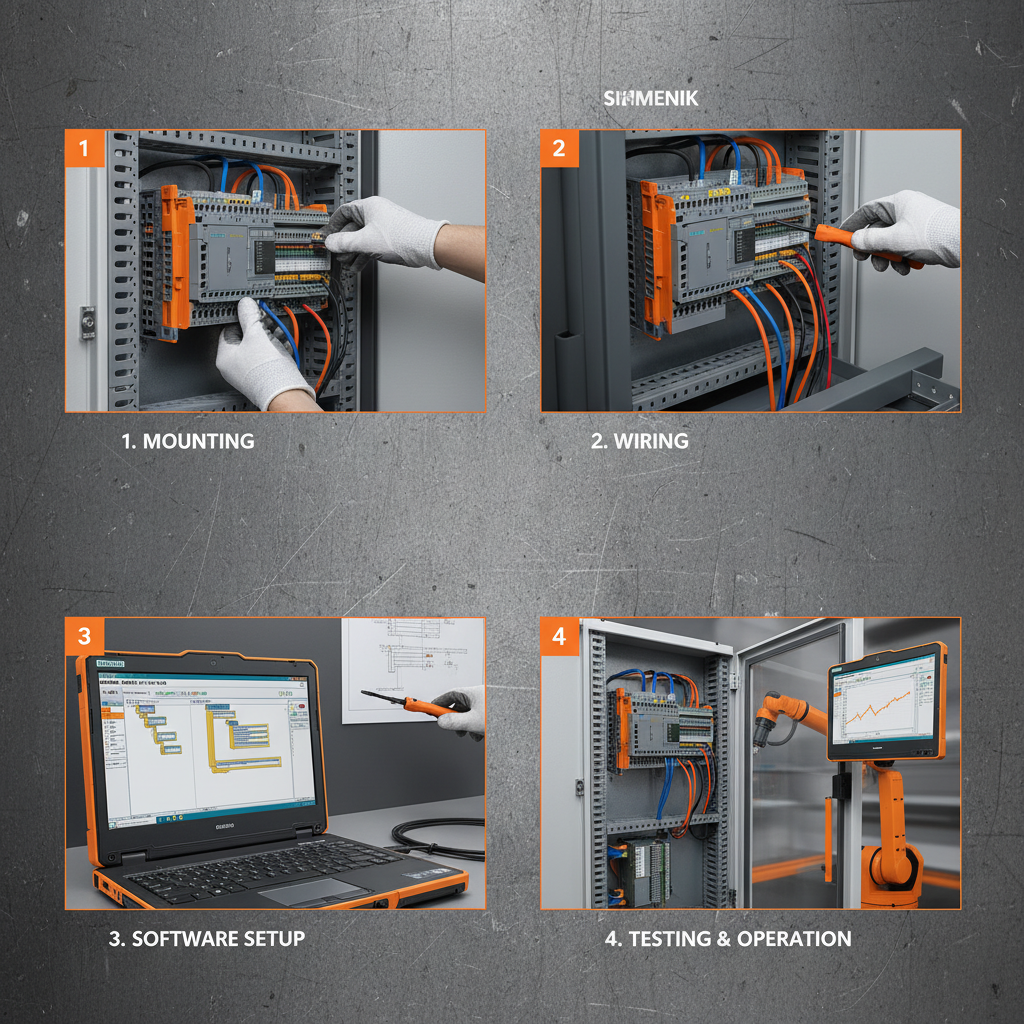
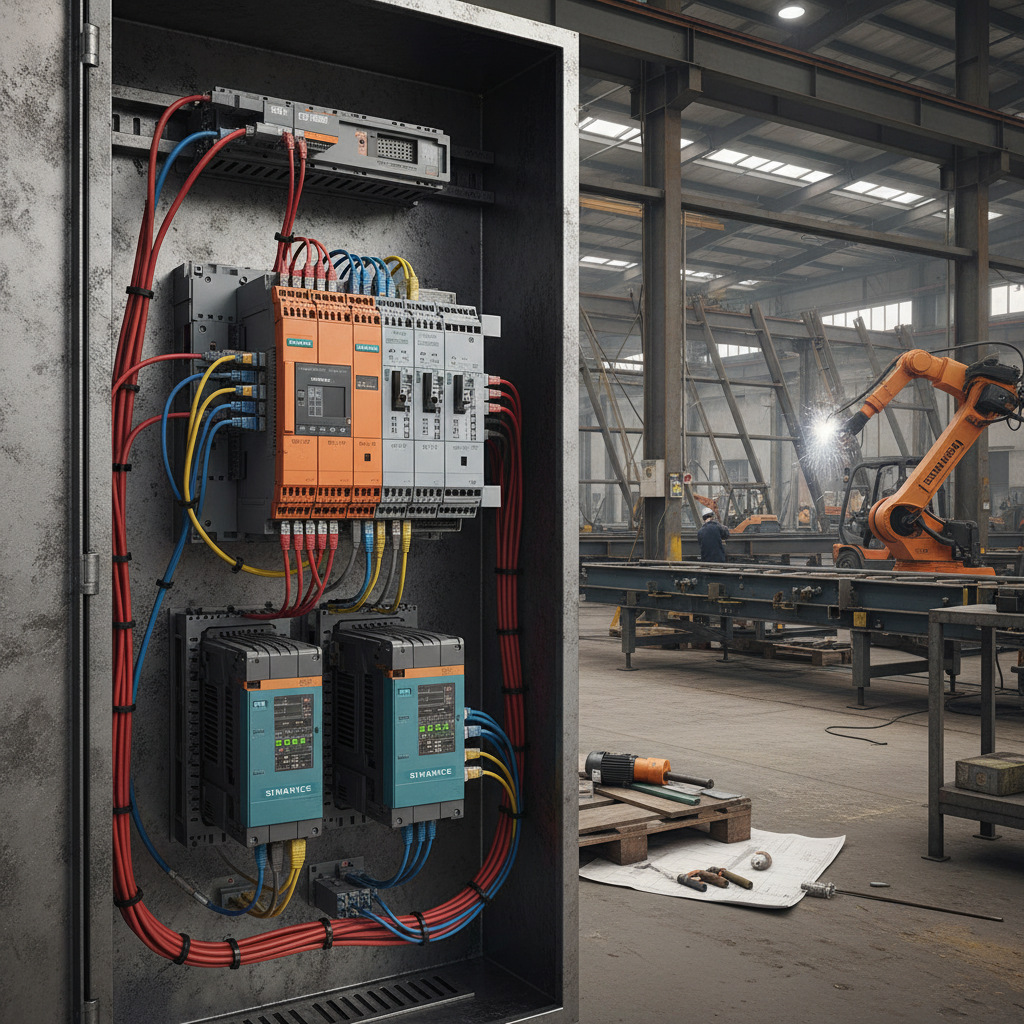
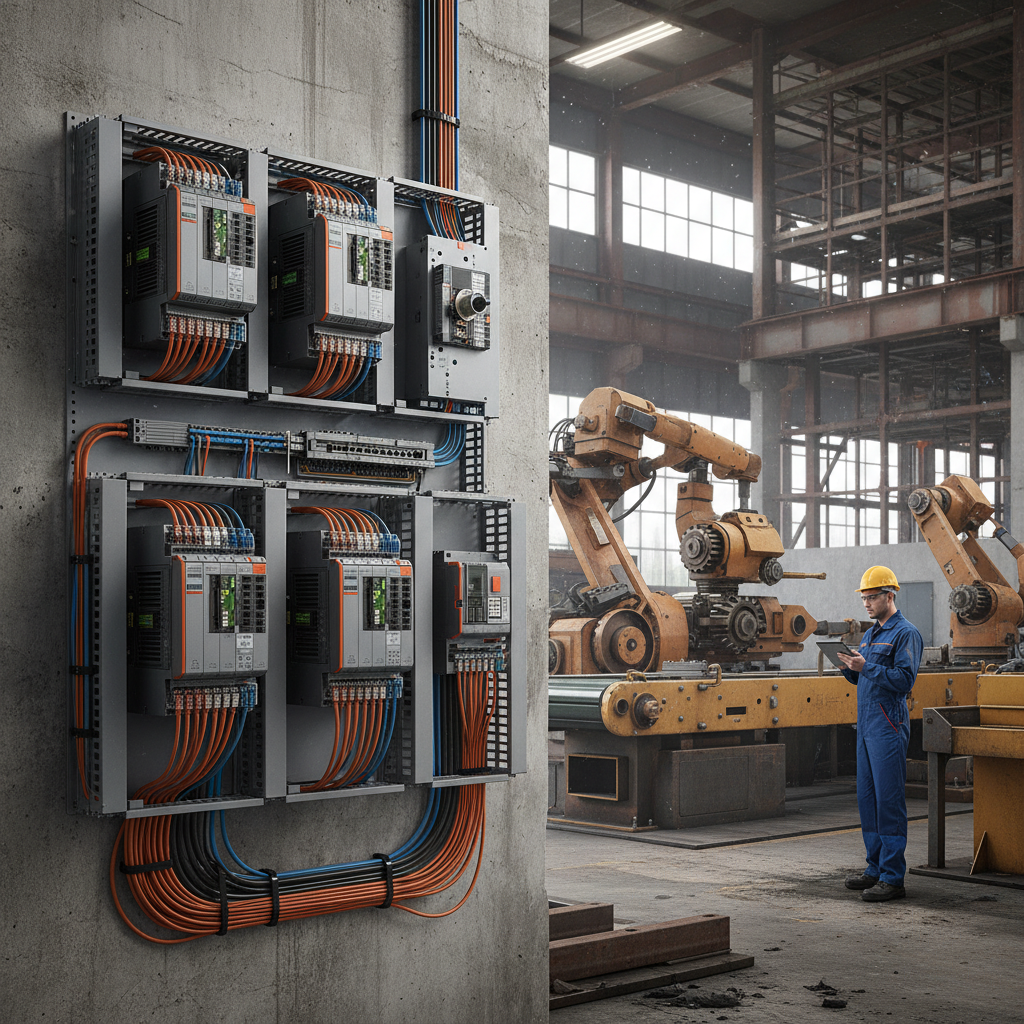
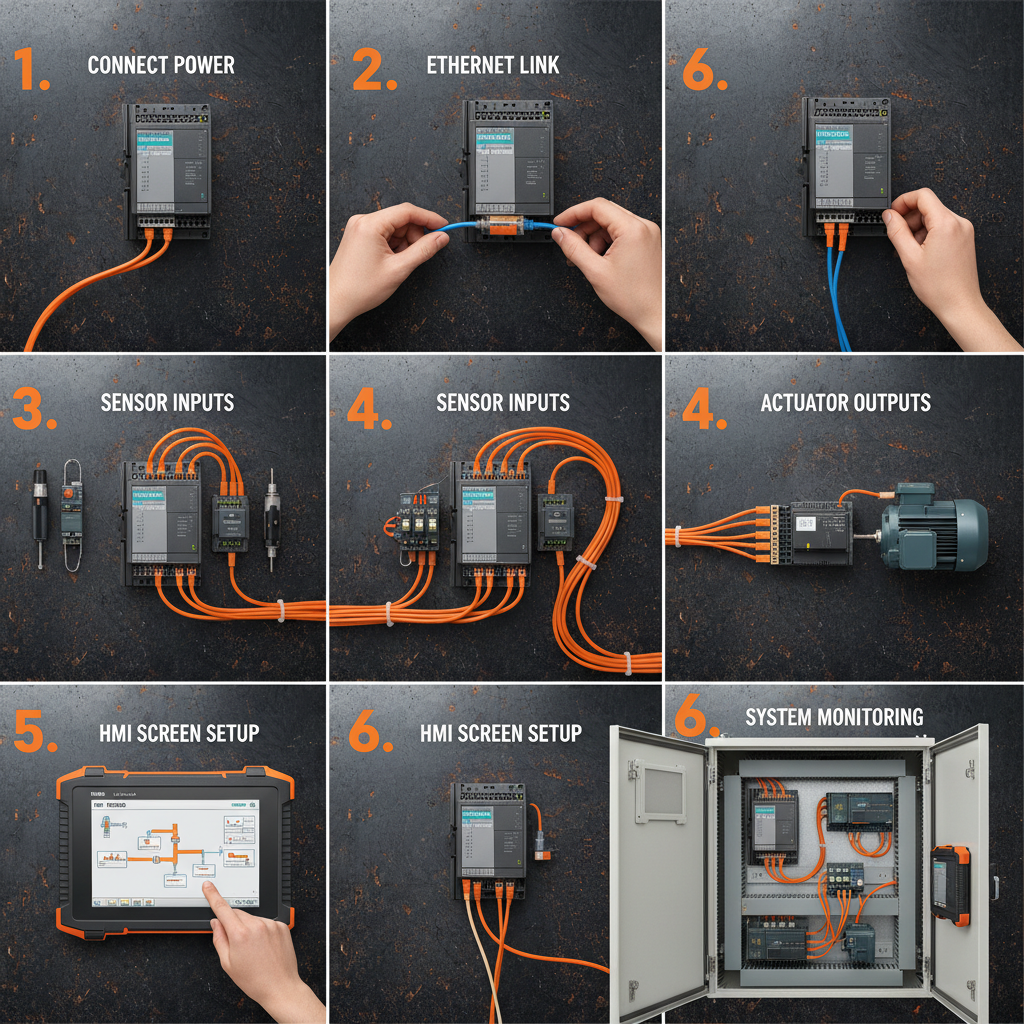
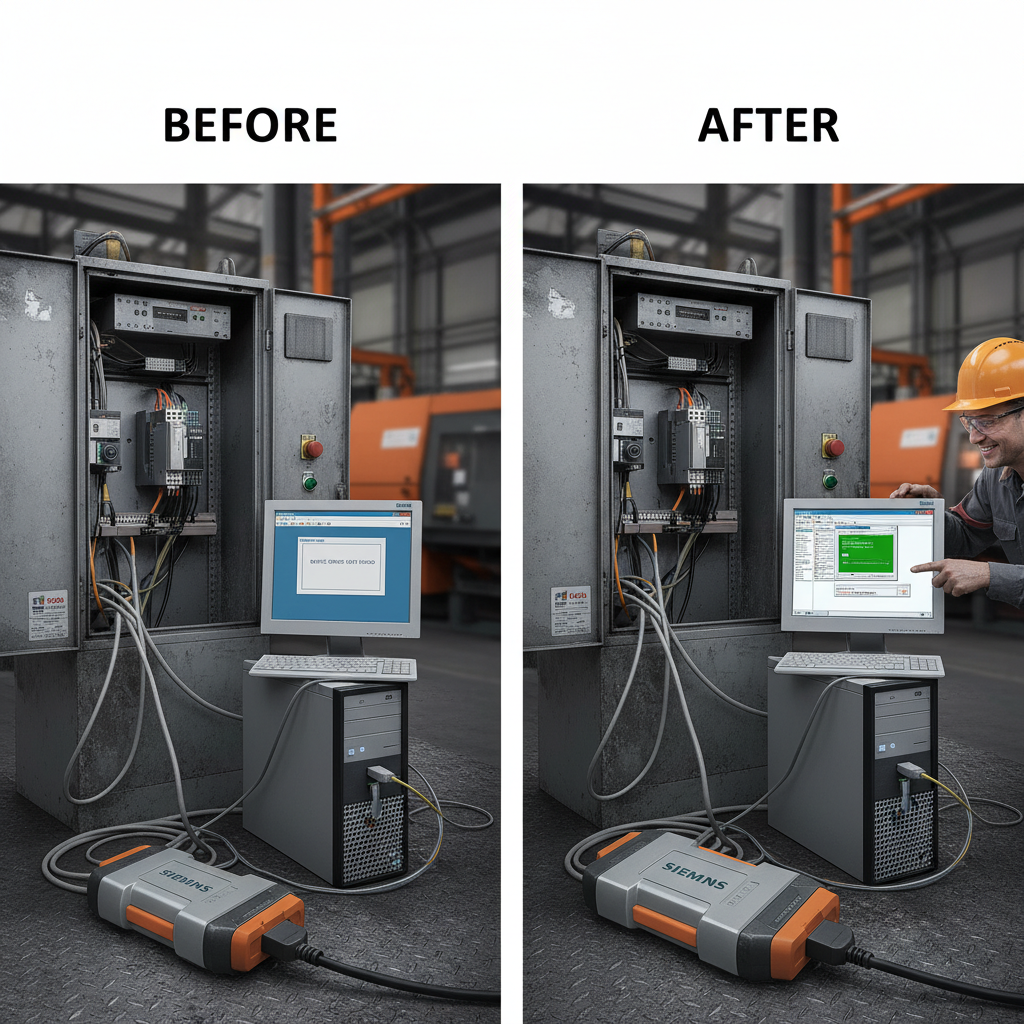
Understanding 3 Phase Variable Speed Drive: Benefits, Applications, and Innovations
What Is a 3 Phase Variable Speed Drive and Why It Matters
If you’ve ever worked around industrial machinery or even dipped a toe into electrical engineering, you might have come across the term 3 phase variable speed drive. It’s one of those essential components quietly powering everything from conveyor belts in factories to HVAC systems in commercial buildings. But why does it matter beyond the buzzwords? Simply put, these drives allow precise control over motor speed and torque, improving energy efficiency and operational flexibility, which is crucial in our increasingly sustainability-conscious and fast-paced industrial world.
Globally, industries are hunting ways to cut energy waste while boosting performance; a savvy 3 phase variable speed drive system answers this call. By understanding this technology, business owners, engineers, and procurement folks stand to save on costs, reduce their carbon footprint, and adapt faster to shifting production demands.
The Global Context: Why 3 Phase Variable Speed Drives Are Crucial Now
In 2023, the global electric motor market was valued at several billion dollars—and nearly half of the electric power consumed worldwide goes into driving motors. According to the International Energy Agency (IEA), industrial motors account for roughly 45% of total electricity use in manufacturing alone. So, any way to optimize this consumption has immense economic and environmental importance.
As governments and companies commit to ambitious emissions reductions targets aligned with the Paris Agreement, technologies like 3 phase variable speed drives are front and center. Imagine a world where every industrial motor runs only as fast as needed instead of at a fixed speed consuming excess energy—this isn’t sci-fi; it’s achievable now. Yet, many facilities still rely on outdated fixed-speed drives, wasting energy, increasing wear, and limiting operational agility.
Then there’s the growing push for automation and Industry 4.0, which demand smarter, digitally-enabled motor controls. 3 phase variable speed drives fit perfectly here, enabling remote monitoring, process optimization, and predictive maintenance.
Defining 3 Phase Variable Speed Drives in Simple Terms
At its core, a 3 phase variable speed drive (VSD) is an electronic device that controls the speed and torque of a 3-phase electric motor by varying the frequency and voltage of the power supplied to it. Unlike fixed-speed motors that run at a constant pace, these drives let you dial the motor’s speed up or down — think of it as the volume knob on your stereo, except for motors.
Why 3 phase? Because three-phase electric power is the standard in industrial and commercial power systems worldwide — it delivers more stable, efficient power compared to single-phase systems, especially for heavy machinery.
Modern VSDs often combine power electronics, embedded microcontrollers, and software algorithms to achieve precise speed regulation. This matters a lot for manufacturing lines that need consistent product quality or for fans and pumps looking to match actual demand rather than run full tilt 24/7.
Core Components and Key Factors of a 3 Phase Variable Speed Drive
1. Power Conversion Module
This is where AC power is rectified to DC, then inverted back to a controlled AC with variable frequency and voltage — essentially shaping the electricity to the motor’s needs.
2. Control Unit
The electronic brain of the system, usually a microprocessor, which interprets input commands (like speed setpoints) and adjusts the power output accordingly.
3. Feedback Devices
Many drives rely on sensors such as encoders or tachometers to measure actual motor speed, feeding data back to maintain precise control.
4. Cooling Systems
Variable speed drives generate heat, so efficient cooling (fans, heat sinks) ensures reliability and a longer lifespan.
5. Communication Interfaces
For modern industrial applications, these drives often support protocols like Modbus, Ethernet/IP, or PROFIBUS, enabling integration with control systems and IoT platforms.
6. Protection Features
Built-in safeguards against overcurrent, overheating, and short circuits keep both the drive and motor safe, minimizing costly downtime.
How Industries Around the World Use 3 Phase Variable Speed Drives
From sprawling factories in Germany to water treatment plants in Singapore, the versatility of 3 phase variable speed drives is evident. Here are some key applications:
- Manufacturing & Automation: Precise speed control improves assembly line consistency and product quality.
- HVAC Systems: Fans and pumps modulate airflow or fluid delivery, saving energy in office complexes, hospitals, and data centers.
- Water & Wastewater Treatment: Variable speed pumps adjust flow rates to demand, ensuring operational efficiency and preventing system stress.
- Mining & Heavy Industry: Drives endure harsh environments, controlling conveyors and crushers with high reliability.
- Renewable Energy Integration: Matching wind turbine or solar plant motor speeds improves grid stability and energy harvesting.
Oddly enough, in some remote industrial zones powered by microgrids, using VSDs can extend battery life by reducing peak power spikes.
Typical Product Specification: A Snapshot
| Parameter | Specification | Notes |
|---|---|---|
| Input Voltage | 380-480 V AC | 3 phase supply |
| Output Power Range | 0.75 kW – 250 kW | Varies by model |
| Speed Control Range | 0 to 150% of rated speed | Wide tuning range |
| Cooling Method | Forced air cooling | Ensures longevity |
| Communication Protocols | Modbus, Ethernet/IP, PROFIBUS | For industry 4.0 integration |
| Protection Class | IP20 / IP54 options | Indoor or harsher environments |
Vendor Comparison: Popular 3 Phase Variable Speed Drive Suppliers
| Vendor | Power Range | Key Features | Price Range | Best For |
|---|---|---|---|---|
| Siemens SINAMICS | 0.75 kW - 2500 kW | Advanced diagnostics, Industry 4.0 ready | $$$ | Large-scale automation |
| ABB ACS880 | 1.5 kW - 5600 kW | Modular, high overload capacity | $$$$ | Heavy industry & mining |
| Yaskawa V1000 | 0.4 kW - 75 kW | Compact, easy integration | $ - $$ | Small to medium machinery |
| Danfoss VLT | 0.18 kW - 1500 kW | Energy-efficient, user-friendly interface | $$ | Building automation & pumps |
Why Investing in a 3 Phase Variable Speed Drive Pays Off
From a practical perspective, you save tangible energy costs—sometimes up to 30–50% in pump and fan applications simply by not running motors full blast all day. The environmental bonus? Less electricity burned means fewer greenhouse gases emitted — a win-win in a world trying to decarbonize fast.
But it’s not just about dollars and carbon. These drives contribute to machine longevity by reducing mechanical stress and soft-starting motors, which cuts maintenance headaches. Many engineers say this reliability instills peace of mind — operations run smoother, minimizing unexpected downtime.
On a human level, better control leads to safer plant conditions, less noise pollution, and improved workplace comfort. And on the innovation front, they futureproof businesses to adapt quickly with digital network integrations and smart analytics.
Looking Ahead: Innovations Shaping the Future of Variable Speed Drives
We’re seeing some neat trends here. The integration of AI-assisted predictive maintenance will help in spotting potential failures well before they happen. Meanwhile, advances in semiconductor tech like silicon carbide (SiC) devices allow drives to be smaller, cooler, and more efficient.
Plus, miniature drives designed for electronics cooling or electric vehicle motors are becoming big niches within the niche. Green energy policies worldwide are pushing for drives that work seamlessly with renewable energy sources, including microgrids and energy storage systems.
And honestly, the biggest growth area might be in digital connectivity — drives embedded deep inside smart factories exchanging data in real time with cloud platforms. Add increasing demand for customization, and you've got a recipe for continuous evolution.
Challenges Faced and How to Overcome Them
However, it’s not all smooth sailing. Initial investment costs can be a barrier, especially for small businesses or emerging markets. Also, older motors sometimes aren’t compatible with modern VSDs without significant retrofitting.
To address these, many vendors now offer scalable solutions and leasing options to reduce upfront costs. Training and support services can help maintenance teams upgrade their skills, while hybrid systems gradually ease transitions from fixed-speed to variable speed.
Lastly, proper sizing and system design remain critical — a “one size fits all” approach rarely works, and poor installation can negate energy savings or cause equipment faults.
FAQ: Common Questions About 3 Phase Variable Speed Drives
- Q: How much energy can a 3 phase variable speed drive save compared to a fixed-speed motor?
- A: Savings depend on application but are typically between 20-50% for pumps and fans because the drive adjusts motor speed to demand rather than running full speed constantly.
- Q: Can I retrofit an existing motor with a variable speed drive?
- A: In many cases yes, especially for AC induction motors. However, it’s important to check motor compatibility and motor condition since older motors may require rewinding or upgrading for best results.
- Q: Are 3 phase variable speed drives suitable for harsh environments?
- A: Many models come with IP54 or higher protection classes and rugged designs for dusty or damp industrial surroundings; always confirm specifications based on your operating conditions.
- Q: How difficult is it to integrate a variable speed drive into existing automation systems?
- A: These drives typically support standard industrial communication protocols (like Modbus or PROFIBUS), designed for straightforward integration into most PLC or SCADA systems.
- Q: Where can I find high-quality 3 phase variable speed drives?
- A: Leading manufacturers like Siemens, ABB, Yaskawa, and Danfoss offer a wide range of options. You can also explore specialized providers at 3 phase variable speed drive suppliers for tailored solutions.
The Bottom Line and Next Steps
In real terms, investing in a 3 phase variable speed drive is about future-proofing your operations. It cuts energy bills, extends equipment life, improves process control, and cuts your environmental impact. In a world where every kilowatt saved counts, making motors work smarter isn’t optional — it’s necessary.
If you’re ready to explore how these drives can transform your workflow, enhance sustainability, or boost productivity, start by visiting reputable suppliers and evaluate your specific requirements. And remember — a well-chosen variable speed drive isn’t just tech; it’s a strategic asset.