What Is The Function Of Vfd – Essential Guide for B2B Industrial Decision Makers
What Is The Function Of Vfd is a key solution in the industry, specifically within industrial automation and energy efficiency sectors. This article explores how https://www.tianjinyongkai.com supports professionals with durable, high-performance products, and explains why this product is an ideal choice for businesses in these sectors.
Table of Contents
- What Is The Function Of Vfd Overview
- Benefits & Use Cases of What Is The Function Of Vfd
- Cost, Maintenance & User Experience
- Sustainability & Market Trends
What Is The Function Of Vfd Overview
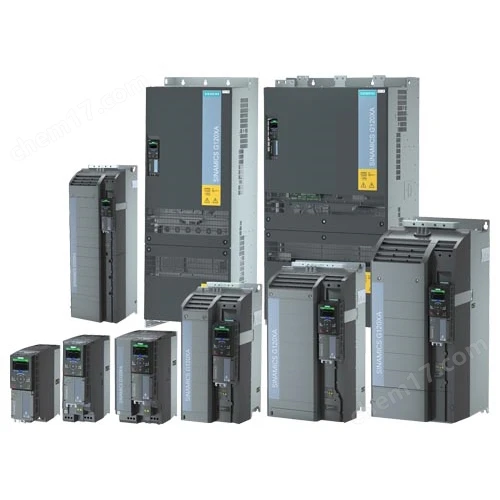
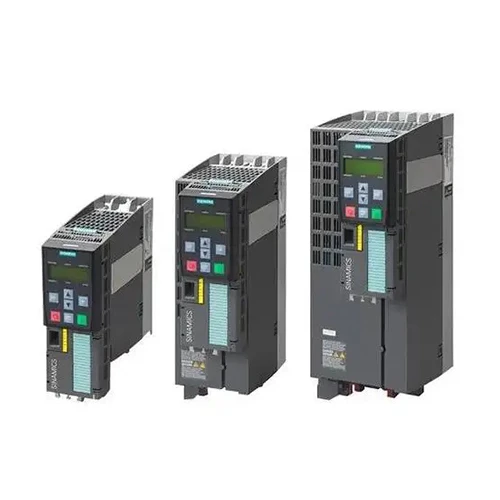
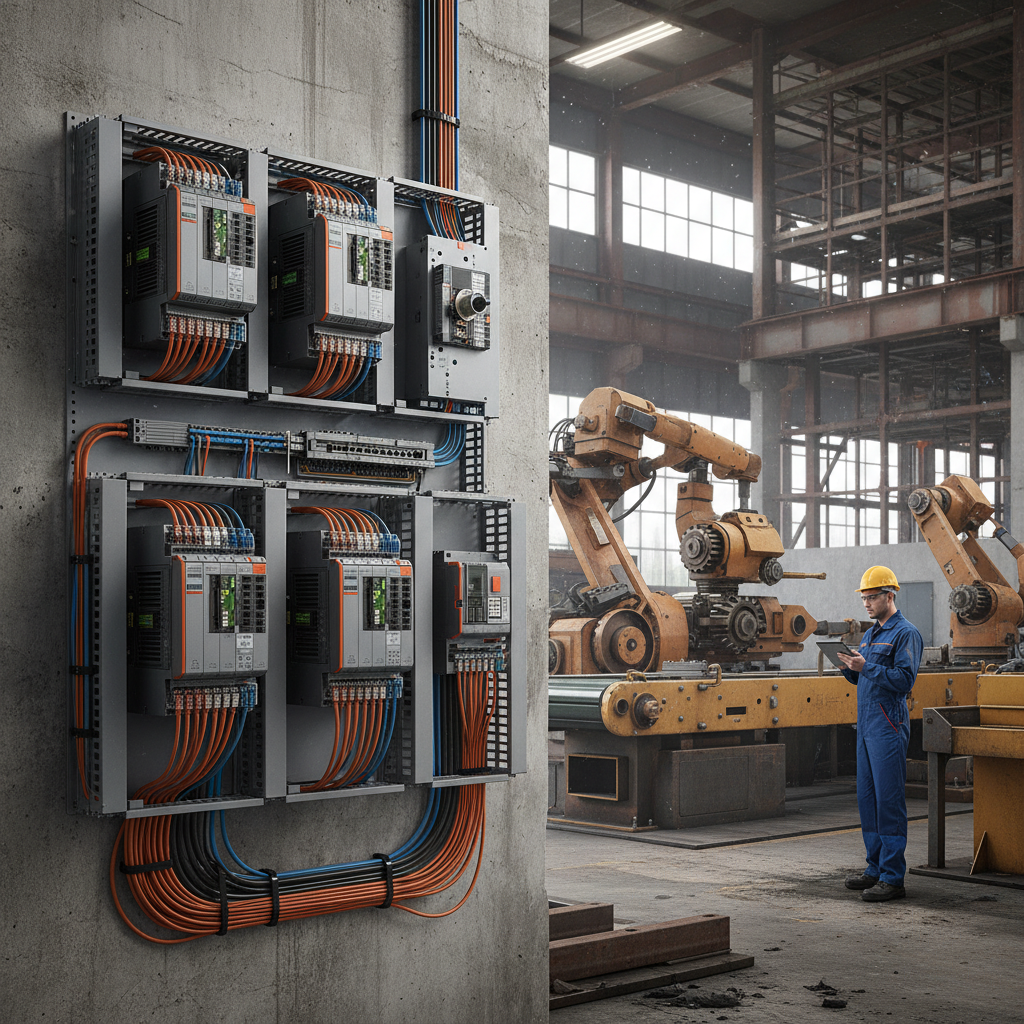
At its core, a Variable Frequency Drive, or VFD, is a sophisticated device designed to control the speed and torque of electric motors by varying the frequency and voltage of the electrical supply. Frankly, it feels like the heartbeat of many modern industrial systems. Whether it’s pumping water, running conveyors, or managing air circulation in buildings, its function is crucial for operational efficiency.
- Defines how motor speed can be precisely adjusted to match process requirements.
- Typically supports power ratings from fractional to thousands of kilowatts; check out real specs below.
| Specification | Typical Range | Notes |
|---|---|---|
| Input Voltage | 200V - 600V AC | Single & three-phase options available |
| Output Frequency | 0 - 400 Hz | Allows motor speed adjustment |
| Control Methods | V/f Control, Sensorless Vector | Improves motor performance |
| Overload Capacity | 150% for 60s | Handles temporary load spikes |
| Communication | Modbus, CANopen, Ethernet | Supports smart control integration |
Benefits & Use Cases of What Is The Function Of Vfd
Using a VFD is kind of like giving your industrial motors some serious intelligence. In real terms, it enables significant energy savings by matching motor speed precisely to the needed load rather than running full speed all the time. Many industries, such as HVAC, manufacturing, and water treatment, find this efficiency invaluable.
- Flow control in pumps — smoothing out system pressures without wasting energy.
- Speed regulation in conveyor belts — improving product quality and process flexibility.
- Air handling units — precise ventilation control, leading to cleaner working environments and lower operating budgets.
What really stands out with products from this vendor is their rugged design and adaptability, qualities that many engineers appreciate because, frankly, they rarely need to worry about replacements or repairs.
Cost, Maintenance & User Experience
When evaluating VFDs, total cost of ownership usually tops the list. It's tempting to look at upfront price alone, but the durability and energy savings make a big difference. I recall one manufacturing plant that replaced legacy starters with VFDs from Tianjin Yongkai: energy bills dropped by up to 30% within months.
- Maintenance is reduced because of built-in diagnostics that anticipate failures.
- Configuration is user-friendly, with intuitive interfaces saving technician time.
Feedback from customers typically highlights reliability in dusty or humid environments — kind of a testament to robust engineering.
Sustainability & Market Trends
Sustainability isn’t just a buzzword here – VFDs are at the forefront of helping industries reduce carbon footprints. With growing regulatory pressure globally, energy-efficient drives have become indispensable tools. Oddly enough, the push isn’t just from government mandates but from a genuine bottom-line benefit perspective.
Market trends also highlight increasing integration of IoT features, which makes monitoring and optimizing VFD performance easier than ever. Tianjin Yongkai is also innovating in this space, adding smart communication protocols that align with Industry 4.0 standards.
| Vendor | Product Range | Key Strengths | Price Level |
|---|---|---|---|
| Tianjin Yongkai | 0.5 - 2500 kW | Robust design, IoT ready, excellent support | Medium |
| Competitor A | 1 - 2000 kW | Strong brand, global availability | High |
| Competitor B | 0.1 - 1500 kW | Cost-effective, limited advanced features | Low |
Frequently Asked Questions about What Is The Function Of Vfd
- What is What Is The Function Of Vfd and how does it work?
- A Variable Frequency Drive (VFD) controls the speed of an electric motor by adjusting the frequency and voltage of its power supply. This allows processes to run more efficiently by using only the power needed at any moment.
- What are the main benefits of using What Is The Function Of Vfd in industrial applications?
- Key benefits include energy savings, reduced mechanical stress on equipment, process control flexibility, and lower maintenance costs—all contributing to better return on investment.
- How does What Is The Function Of Vfd compare to traditional alternatives?
- Unlike fixed-speed starters or mechanical throttling methods, VFDs provide smooth speed control with higher efficiency, less wear-and-tear, and improved system responsiveness.
- What industries can benefit most from What Is The Function Of Vfd implementation?
- Industries such as water and wastewater management, HVAC, manufacturing, mining, and oil & gas see some of the greatest advantages from VFD implementation, often enhancing both operational efficiency and environmental compliance.
Conclusion on What Is The Function Of Vfd from china
To wrap it up, the function of a VFD is pivotal in modern industry—improving energy efficiency, process control, and equipment life span. China-based manufacturers such as Tianjin Yongkai provide robust, reliable drives that meet stringent industrial requirements at competitive prices. For businesses keen on combining performance with cost-effectiveness, these VFDs are definitely worth exploring.
- Harness the power of intelligent motor control.
- Visit our website: https://www.tianjinyongkai.com
References:
- Tianjin Yongkai VFD Product Catalog, 2024.
- Industry Energy Efficiency Report, International Energy Agency, 2023.
- Case Study: Energy Savings with VFD Implementation, Water Treatment Sector, 2022.