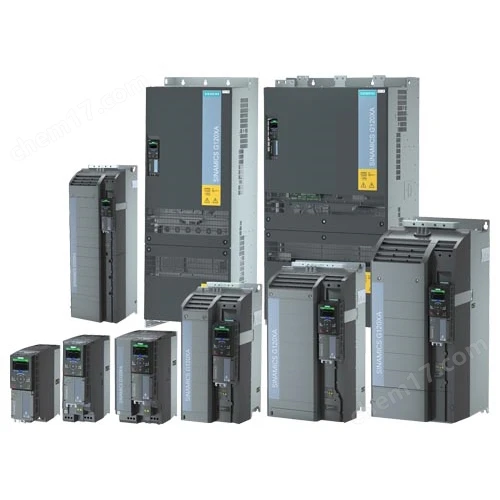
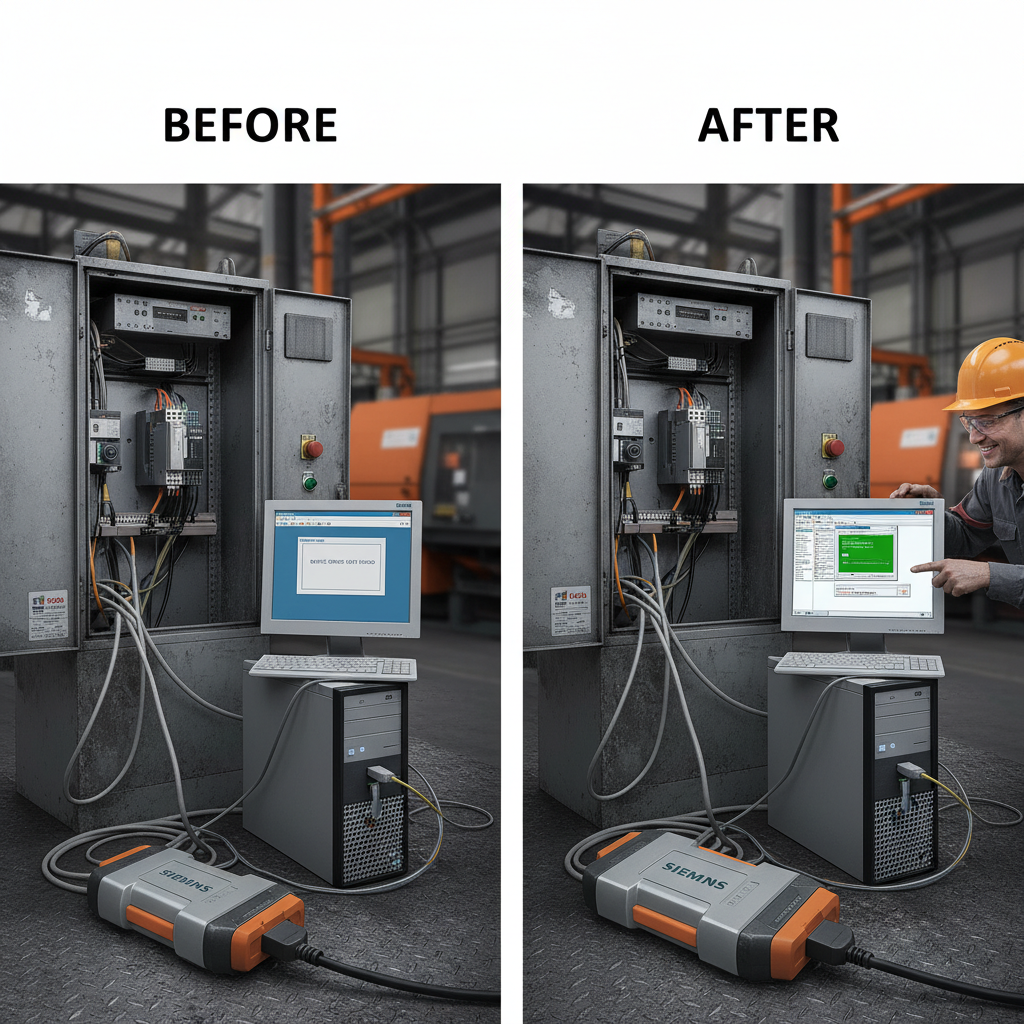
Everything You Need to Know About 415v VFD – Efficient Motor Control for Industry
Understanding 415v VFD: Why It Matters to Modern Industry and Global Development
If you’ve ever worked in manufacturing, HVAC, or even large-scale infrastructure projects, chances are you’ve bumped into a 415v VFD (Variable Frequency Drive). At first glance, it may look like just another electrical gadget, but this technology quietly powers up efficiency while slashing energy waste worldwide. With sustainability and reliability topping global agendas, understanding the ins and outs of 415v VFDs is essential — whether you're an engineer in Europe, a project manager in Asia, or a humanitarian response specialist in remote areas.
The Global Importance of 415v VFDs: Context and Challenges
Energy use accounts for a significant portion of global carbon emissions; the International Energy Agency reports industry consumes roughly 40% of global energy. Modern electric motors, which are everywhere from water pumps to conveyor belts, represent a big slice of that pie. What makes a 415v VFD stand out is its ability to control motor speed precisely at a 415-volt level commonly found in industrial settings, leading to huge energy savings.
Yet, many facilities still rely on outdated fixed-speed drives, wasting energy, and racking up costs. This challenge isn’t just financial — it has environmental and social consequences. For example, unreliable power control in essential infrastructure can undermine community resilience, especially in developing regions.
Mini takeaway:
- 415v VFDs play a crucial role in cutting industrial energy use.
- They address real-world challenges from emissions to operational reliability.
What Exactly is a 415v VFD?
At its core, a Variable Frequency Drive regulates the speed and torque of electric motors by adjusting the frequency and voltage supplied to the motor. The “415v” specifies the voltage rating — in many countries, especially across Europe, Asia, and parts of Africa, 415 volts is a standard industrial voltage.
This means the device is tailored to run motors designed for three-phase 415v power systems. The practical upshot? Instead of your motor running at full speed all the time (which wastes energy when full speed isn’t necessary), the VFD adjusts speeds dynamically according to demand. It’s like dimming the lights — but for electric motors.
Mini takeaway:
- 415v VFDs optimize motor speed and power consumption.
- They fit neatly into existing 415v industrial power networks.
Key Components of 415v VFDs: What Makes Them Tick?
1. Power Input and Rectifier Stage
This is where alternating current (AC) from the mains at 415 volts is converted to direct current (DC). It’s the first step before frequency modulation. High-quality rectifiers ensure stable power conversion with minimal losses — many engineers swear by this part for reliability.
2. DC Bus and Energy Storage
Once in DC form, the power is smoothed and stored briefly in capacitors. This stage is crucial in preventing voltage spikes and maintaining consistent energy flow. If this is the “energy reservoir,” it’s what keeps everything running smooth.
3. Inverter Stage
Here’s where the magic happens: the inverter converts the DC back into AC, but at variable frequencies and voltages, controlling motor speed perfectly. The output waveform quality impacts motor wear and electromagnetic compatibility.
4. Control System
This is basically the “brain” — an embedded controller or microprocessor takes inputs from sensors and user settings, then adjusts output accordingly. Advanced systems can communicate via networks for automation and remote control.
5. Protection and Safety Features
Given industrial voltages, these drives come with overload protection, short circuit safeguards, thermal cutoffs, and fault diagnostics. Because, frankly, nobody wants a fire hazard lurking in their panel.
Mini takeaway:
- Each component stage contributes to efficiency, control, and safety.
- The better the build quality, the longer the system’s effective lifespan.
Global Applications and Real World Use Cases for 415v VFDs
It’s easy to think of 415v VFDs as just factory devices. But their reach stretches much farther:
- Water treatment plants: Variable speed pump control reduces energy use and extends pump life, especially in water-stressed regions.
- HVAC systems in commercial buildings: Allowing cooling and heating systems to adapt dynamically to varying occupancy levels.
- Manufacturing lines: Conveyor belts, mixers, and other motor-driven systems benefit from precise speed control.
- Renewable energy farms: Wind turbines and solar pump stations often need flexible motor control at 415 volts.
- Post-disaster infrastructure: Mobile field hospitals or water pumps running on 415v VFDs can be more reliable and energy-efficient—crucial when every watt counts.
Mini takeaway:
- 415v VFDs help industries across continents become more energy-efficient.
- They support both sustainable development and emergency resilience.
The Advantages and Long-Term Value of 415v VFD Technology
Why do companies and utilities spend on 415v VFDs when simpler solutions exist? Here’s what most users discover over time:
- Operational Cost Savings: Energy bills drop dramatically — sometimes by over 30% — thanks to tailored motor speed.
- Reduced Mechanical Wear and Tear: Soft starting and variable speed reduce stress on shafts and belts, lengthening equipment life.
- Improved Sustainability: Lower energy consumption means lower carbon footprints — a win for corporate social responsibility.
- Better Process Control: Adjust speeds precisely for different tasks, improving product quality and system responsiveness.
- Enhanced Safety and Reliability: Built-in diagnostics often mean early detection of faults before they become disasters.
Plus, there’s an emotional side many engineers mention — it feels good to operate a “smart” system that doesn’t waste resources.
Future Trends & Innovations in 415v VFDs
The tech’s evolving fast. Here’s what’s on the horizon:
- Integration with IoT and Smart Grids: Imagine VFDs that self-adjust in real-time based on grid load or predictive maintenance models.
- Improved Semiconductor Materials: Silicon carbide (SiC) devices promise higher efficiency and less heat dissipation.
- Green Energy Compatibility: More drives designed for fluctuating power sources like solar and wind.
- Compact and Modular Designs: Space-saving solutions fit tight factory floors or portable applications.
Challenges in Deploying 415v VFDs and How They’re Being Solved
Of course, it’s not all sunshine. Some hurdles remain:
- Initial Cost: Higher upfront expenses compared to traditional starters.
- Electromagnetic Interference (EMI): Potential signal noise can disrupt other nearby equipment.
- Complex Installation and Tuning: Requires skilled technicians.
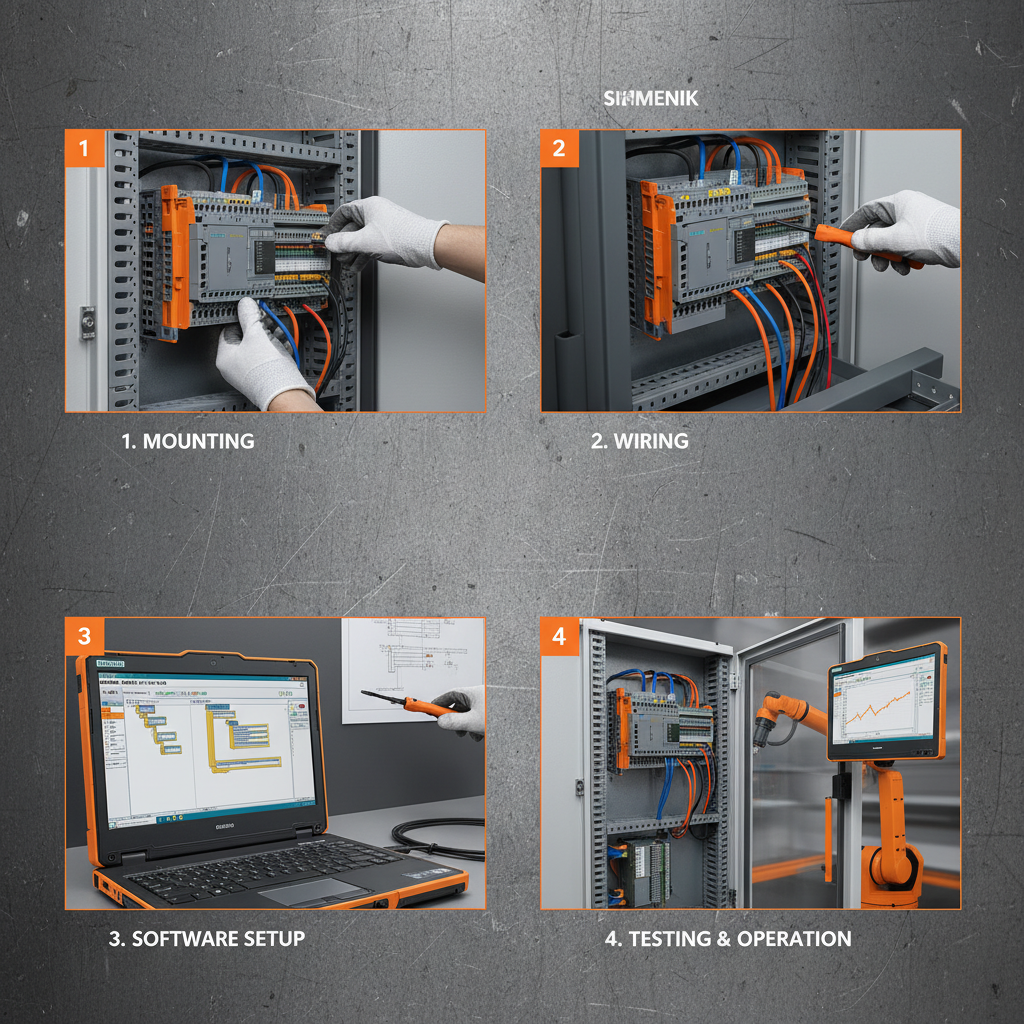
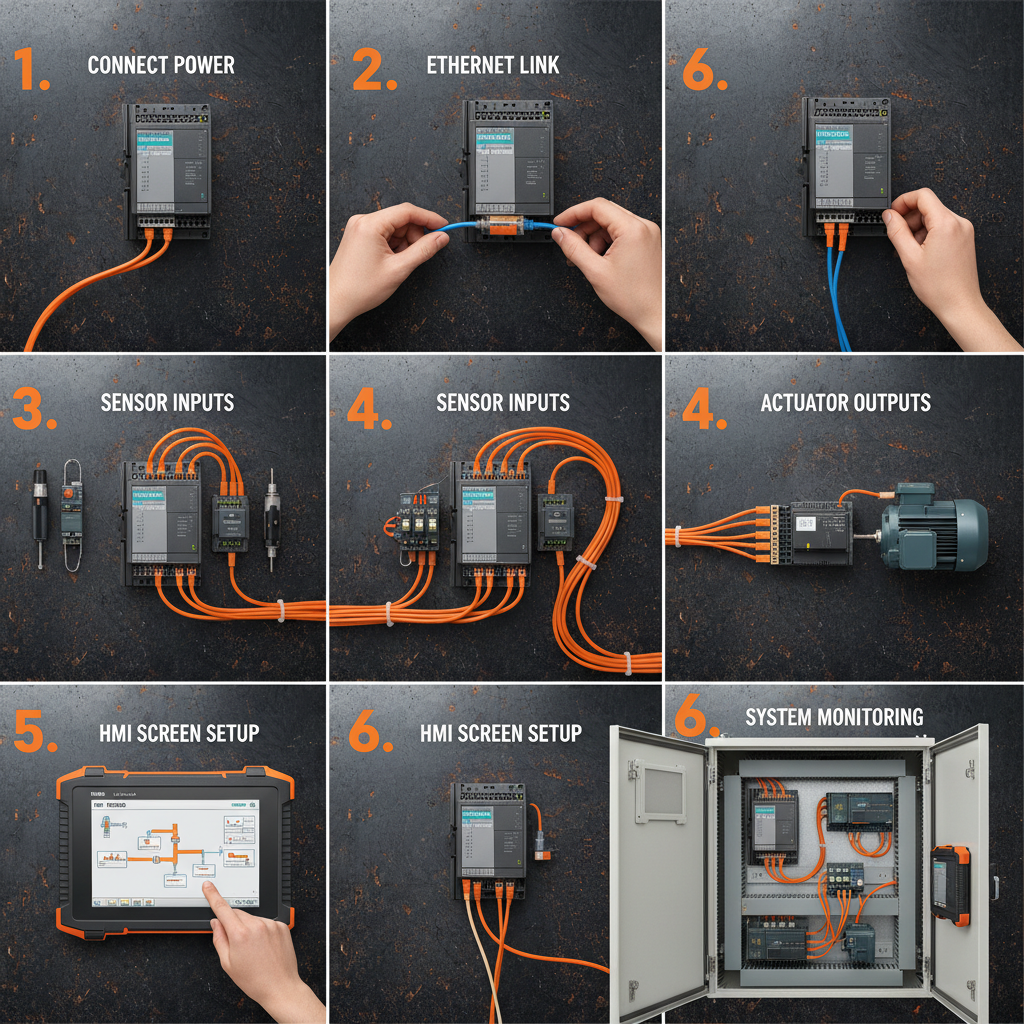
To tackle these, vendors now offer plug-and-play models with built-in EMI filters and intuitive setup software. Online tutorials and remote support are making installation easier even in remote areas.
Mini takeaway:
- Challenges exist but don’t outweigh the benefits.
- Continued innovation and support smooth the adoption curve worldwide.
Practical FAQs: Your 415v VFD Questions Answered
- Q: What makes a 415v VFD better than a fixed-speed motor starter?
- A: The main advantage is energy efficiency — the drive adjusts motor speed to actual demand, avoiding waste. Plus, soft starting reduces mechanical stress, extending motor life.
- Q: Can I retrofit an existing motor with a 415v VFD?
- A: Usually yes, as long as your motor’s specs match. However, proper wiring and configuration must be done carefully to avoid damage.
- Q: How reliable are 415v VFDs in harsh environments?
- A: Many models are designed with rugged enclosures and thermal management to perform well in dusty, humid, or hot conditions, common in industrial and remote sites.
- Q: Is installation of a 415v VFD complicated for small businesses?
- A: It can be, but many suppliers now provide simplified installation kits and technical support, making it more accessible than ever.
- Q: How does a 415v VFD contribute to sustainability goals?
- A: By reducing wasted energy, lowering emissions, and extending equipment lifespan, these drives help organizations meet environmental commitments more effectively.
Specification Table: Typical 415v VFD Features
| Feature | Specification | Benefit |
|---|---|---|
| Input Voltage | 415V ±10% | Standard for industrial power grids |
| Output Frequency Range | 0.1Hz to 400Hz | Wide range for precise motor control |
| Control Type | V/F, Vector Control | Flexible for simple to complex loads |
| Communication Protocols | Modbus, Profibus, Ethernet | Integrates with automation systems |
| Protection Features | Overload, EMF filter, Thermal shutdown | Operational safety and reliability |
Vendor Comparison: Popular 415v VFD Manufacturers
| Vendor | Price Range | Key Features | Support & Availability |
|---|---|---|---|
| Siemens | $$$ | Robust design, extensive control options | Global support, wide distribution |
| Schneider Electric | $$$ | High efficiency, user-friendly interface | Strong technical support |
| Yaskawa | $$ | Compact size, flexible programming | Regional distributors with decent support |
| Tianjin Yongkai | $–$$ | Cost-effective, reliable builds, good after-sales | Direct supplier with tailored options |
Wrapping Up
So, what’s the bottom line with 415v vfd? These devices might seem like just “another electrical part,” but they’re quietly transforming how industries run globally — saving energy, improving control, and enabling smarter, greener operations. Frankly, in a world pushing toward sustainability and efficiency, 415v VFDs aren’t just nice-to-have; they’re essential.
If you want to upgrade your systems or start exploring efficient motor control, there’s no better time to learn more and connect with trusted suppliers. After all, efficient power control isn’t just an engineering win — it’s a step toward a better planet.
Visit our website for more insights and product options: https://www.tianjinyongkai.com