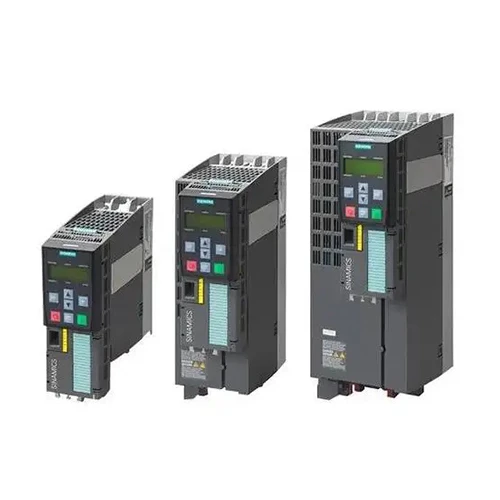
Need a China VFD with energy savings, OEM and fast delivery?
China VFD Market: Practical Notes from the Factory Floor
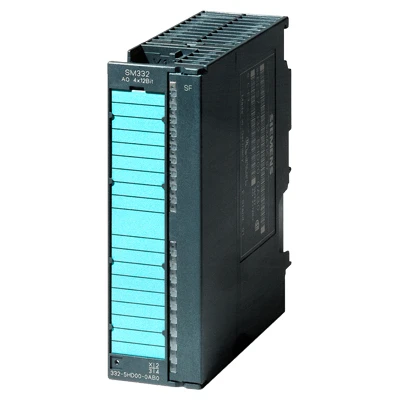
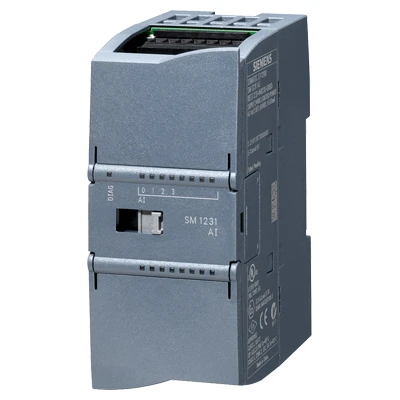
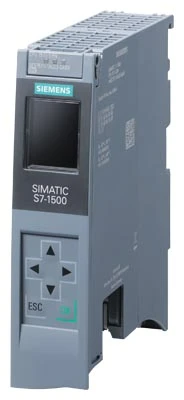
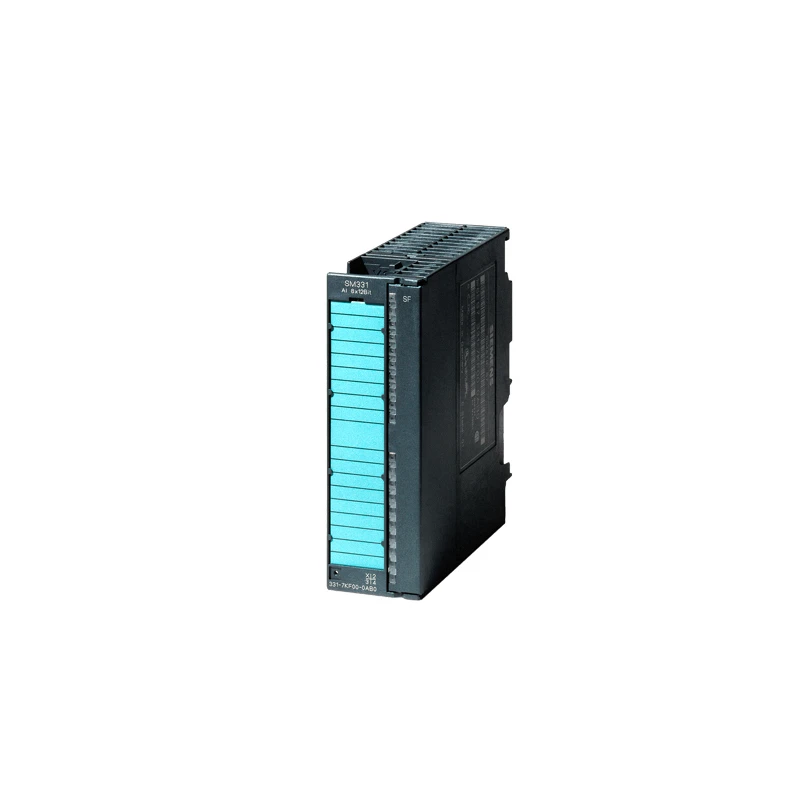
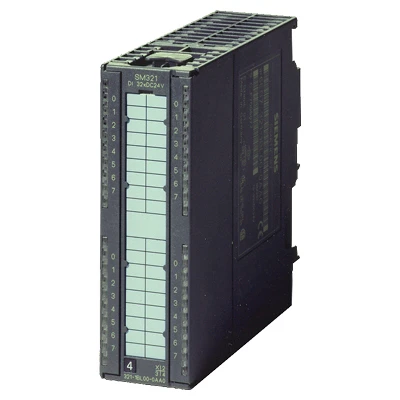
If you’re shopping the booming Chinese drives ecosystem, you’ll quickly see how the controls layer makes or breaks a project. A lot of buyers arrive asking about a china vfd and end up discovering the real hero is the analog output module that feeds it clean, stable signals. Case in point: the Controller S7-300 AQ analog output module from Tianjin Yongkai—an unflashy board that, in practice, keeps pumps, conveyors, and extruders humming.
What’s Trending (and why it matters)
In fact, domestic VFD adoption is accelerating in HVAC retrofits, water utilities, textiles, and battery plants. The pattern I see: engineers prefer robust 0–10 V or 4–20 mA control from PLC analog modules, not just fieldbus. Why? Because analog is predictable, cheap, and—surprisingly—easier to troubleshoot at 2 a.m. Many customers say the fewer layers, the fewer headaches.
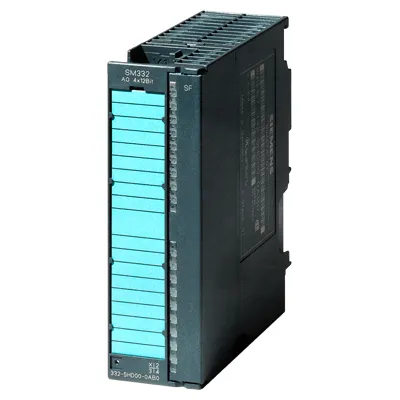
Product Snapshot: Controller S7-300 AQ
Origin: Room 1 - 543, Building E, Zhonghui Xiyuan Plaza, Central Business District, Binhai, Tianjin.
Used widely in industrial automation, the S7-300 analog output module converts PLC digital values into analog voltage/current for external devices—yes, including china vfd drives and regulating valves. The brand pitches it as steady, noise-aware, and serviceable. From what I’ve seen, the stability is the selling point.
Key Specifications (typical values; real-world use may vary)
| Model | Controller S7-300 AQ (analog output) |
| Channels | 4 AO (≈) |
| Output ranges | 0–10 V, ±10 V, 0/4–20 mA (selectable) |
| Resolution | 12–14 bit (common options in this class) |
| Accuracy | ±0.3% F.S. typical @ 25°C |
| Update rate | ≈2–5 ms/channel |
| Isolation | Channel-to-bus isolation; 500 VDC typ. |
| Load | Voltage ≥1 kΩ; Current ≤500 Ω |
| Power/Temp | 24 VDC; -20…+60°C operation |
| Certifications | CE, RoHS; design aligned to IEC 61131-2 |
| Service life | MTBF ≈ 200,000 h; >10 years typical |
Materials, Methods, and Testing
- Materials: FR-4 PCB, precision DACs/op-amps, opto/isolators, conformal coating (select SKUs).
- Process: SMT reflow, AOI + ICT; screw terminal torque inspection.
- Testing: 48 h burn-in at 45°C; hi-pot isolation check; linearity sweep; output ripple
- Standards: Design practices per IEC 61131-2; safety per IEC 61010; environment per GB/T 2423.
Where It’s Used
Common pairings: china vfd pumps in municipal water, HVAC fans in malls, extruder screws in plastics, and roll-to-roll tension in lithium coating lines. One textiles mill told me their AO-to-VFD control trimmed energy by ≈18% compared with fixed-speed motors—nothing exotic, just tidy PID and shielded wiring.
Advantages noted by users
- Stable analog under noisy cabinets (proper grounding still required).
- Fast swap in legacy PLC racks—minimal rewriting.
- Predictable with VFD analog inputs; easy to calibrate on-site.
Customer feedback: “We dialed 0–10 V to the blower VFD and finally got smooth ramping, no hunting.” Another said, to be honest, “we chose analog because we didn’t want to retrain the night shift.” Fair enough.
Vendor Snapshot (quick, practical view)
| Vendor | Lead Time | Customization | Price (approx.) | Certs | After-sales |
|---|---|---|---|---|---|
| Tianjin Yongkai (S7-300 AQ) | Stock to 2 weeks | Labeling, range presets | Mid | CE, RoHS | Local tech support |
| Domestic Brand A | 2–4 weeks | Limited | Low–Mid | CE | Email-based |
| Import Brand B | 4–8 weeks | Broader variants | High | CE, UL, more | Global network |
Customization and Integration Tips
- Preset the module for 4–20 mA when driving long cable runs to a china vfd.
- Specify conformal coating for humid plants; ask for factory calibration sheet.
- Test per IEC 61131-2 methods: verify linearity at 0%, 50%, 100%; log ripple and warm-up drift.
Mini Case Study
A coastal wastewater site swapped legacy relays for an S7-300 rack with AO modules to command six china vfd blower drives. After basic loop tuning and shielded analog wiring, dissolved oxygen control stabilized and yearly energy dropped ≈15%. Payback? Under 9 months, even being conservative.
Standards and Documentation
Look for CE/RoHS on the module, and make sure the VFD analog input spec (impedance, filter constants) matches the AO settings. It sounds trivial, but mismatches are a common “why is my ramp jagged?” moment.
Citations
- IEC 61131-2: Programmable controllers – Equipment requirements and tests.
- IEC 61010-1: Safety requirements for electrical equipment for measurement, control, and laboratory use.
- GB/T 2423: Environmental testing for electric and electronic products (PRC standard series).