Siemens PLC Manufacturers: Genuine & Reliable Automation
Understanding the Core of Industrial Automation: Siemens PLCs
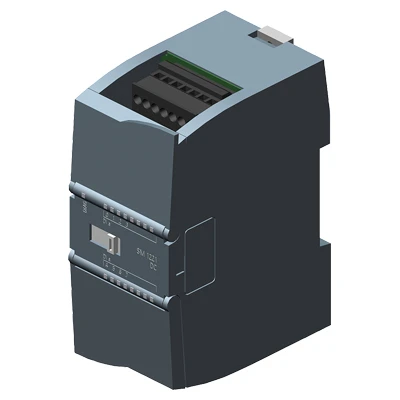
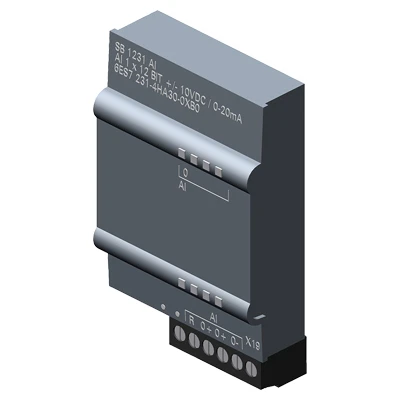
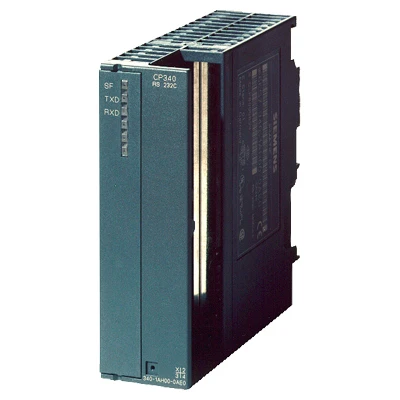
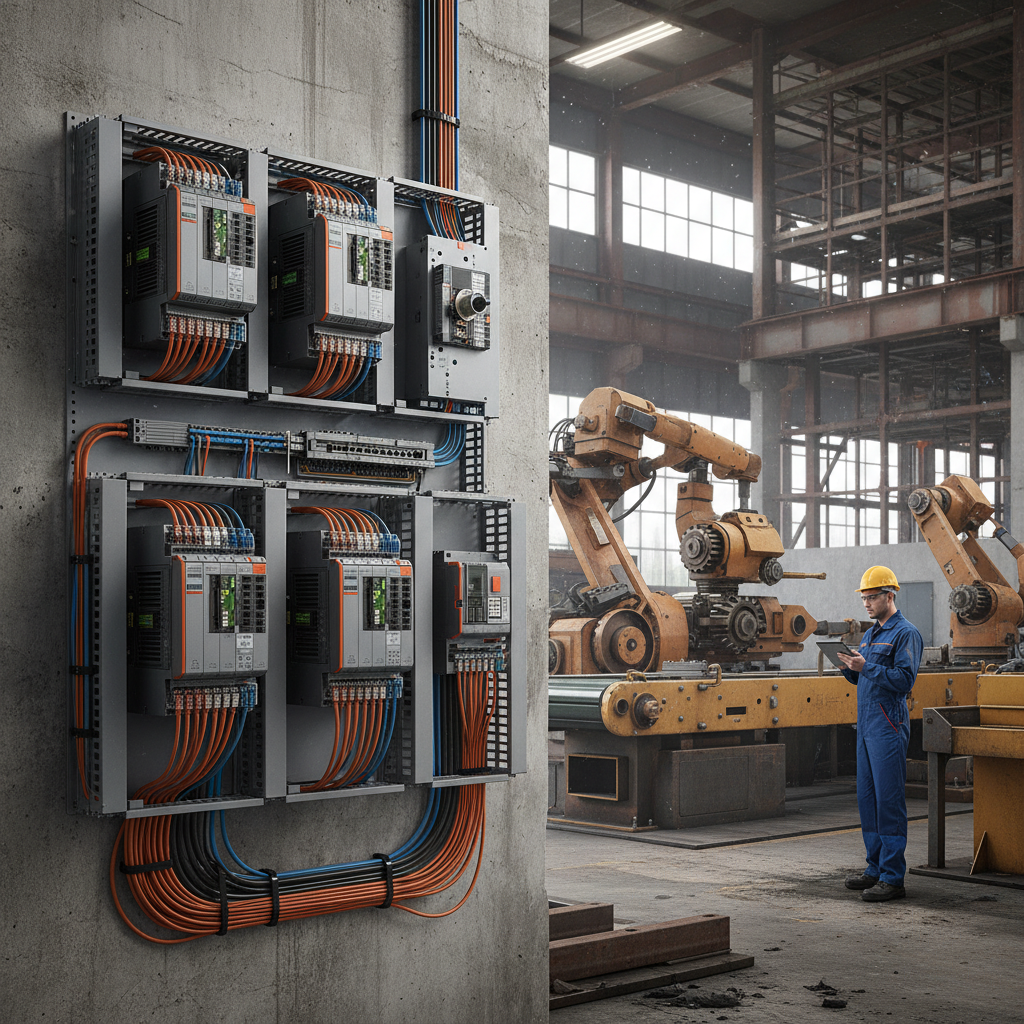
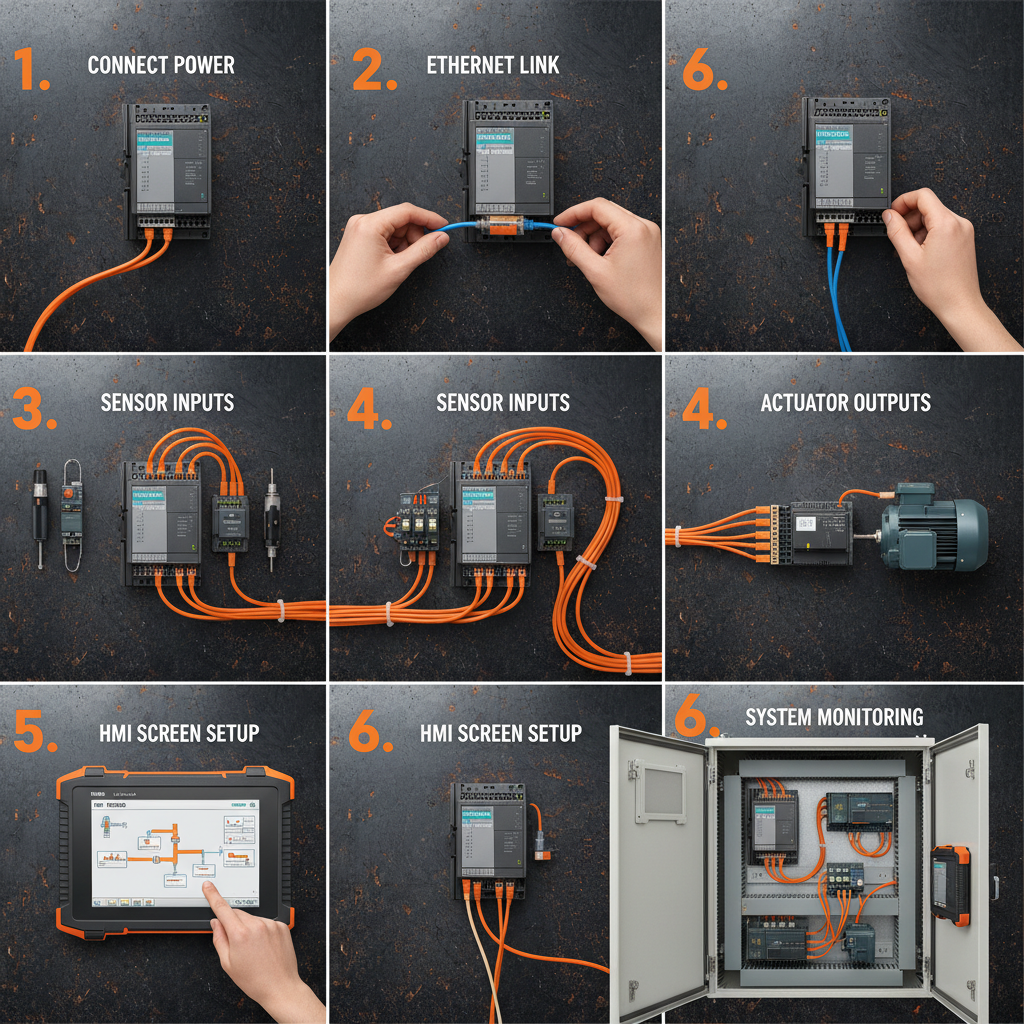
In the intricate landscape of modern industrial automation, Programmable Logic Controllers (PLCs) stand as the central nervous system, orchestrating complex processes with precision and reliability. Among the leading innovators and providers in this domain are the siemens plc manufacturers. Siemens has established itself as a global benchmark for industrial control systems, offering a vast portfolio that powers sectors from discrete manufacturing to process industries. Their commitment to innovation, quality, and comprehensive solutions makes them a preferred partner for enterprises seeking robust and scalable automation.
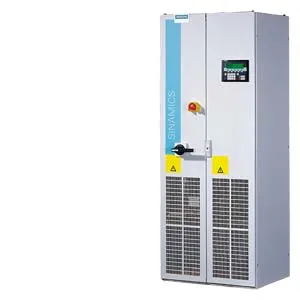
This article delves into the critical aspects of Siemens PLCs, exploring their manufacturing excellence, technical prowess, diverse applications, and the strategic advantages they offer. We will also touch upon related Siemens products like the SINAMICS G130/G150 drives, which often work in tandem with PLCs to deliver integrated automation solutions.
The Manufacturing Process of Siemens PLCs
The creation of a high-performance Siemens PLC involves a meticulously engineered process, ensuring each unit meets stringent quality and reliability standards. As a leading siemens plc manufacturer, the journey from raw material to a finished, deployable product is characterized by advanced technology and rigorous testing.
Key Stages of Production:
- Design and R&D: This foundational stage involves extensive research, software development, hardware architecture design, and material selection. Siemens engineers leverage advanced CAD/CAE tools to simulate performance, thermal management, and electromagnetic compatibility (EMC). Materials are selected for durability, heat dissipation, and electrical insulation, often including high-grade plastics for enclosures and FR4 or equivalent for PCBs.
- Component Sourcing and Quality Control: All electronic components (microprocessors, memory, I/O modules, power supplies) are sourced from certified suppliers, undergoing rigorous incoming quality inspection (IQC) to ensure adherence to specified parameters and defect rates. This step is crucial for the reliability of the final product.
- PCB Fabrication and Assembly: Printed Circuit Boards (PCBs) are manufactured with multiple layers for signal integrity and component density. Advanced Surface Mount Technology (SMT) lines precisely place tiny components, followed by wave soldering or reflow soldering for robust connections. Automated Optical Inspection (AOI) systems verify component placement and solder joint quality.
- Module Integration and Enclosure Assembly: The assembled PCBs are integrated into their protective enclosures, which are often made from high-grade, flame-retardant thermoplastics or anodized aluminum for industrial durability. Precision CNC machining may be used for specific enclosure designs to ensure tight tolerances and environmental sealing.
- Firmware Loading and Functional Testing: Proprietary firmware, developed to enable the PLC's logic, communication, and diagnostic capabilities, is loaded onto the control units. Each PLC then undergoes comprehensive functional testing, including power-on self-tests, I/O verification, communication protocol validation (e.g., PROFINET, PROFIBUS), and stress testing to ensure stable operation under various loads.
- Environmental and Reliability Testing: Adhering to standards like ISO 9001, ISO 14001, and specific industry norms such as IEC 61131 for PLCs, units undergo thermal cycling, vibration, shock, humidity, and EMC tests. These tests ensure the PLC's resilience in harsh industrial environments, contributing to an extended service life often exceeding 10-15 years, depending on the application and operating conditions.
- Final Quality Assurance and Packaging: Before dispatch, a final visual inspection and packaging process ensures that each PLC meets Siemens' exacting aesthetic and protective standards, ready for global distribution.
Advantages in Typical Application Scenarios:
- Energy Saving: Siemens PLCs, particularly those controlling variable frequency drives like SINAMICS G130/G150, enable optimized motor control, reducing energy consumption in applications like pumps, fans, and compressors by precisely matching motor speed to demand.
- Corrosion Resistance: Many Siemens PLC modules and their enclosures are designed with industrial-grade materials and coatings, offering enhanced resistance to corrosive atmospheres commonly found in petrochemical plants or water treatment facilities.
- High Availability: Through redundant CPU and power supply configurations, Siemens PLCs ensure continuous operation in critical infrastructure, minimizing downtime in sectors like metallurgy or power generation.
Industry Trends and Siemens' Role
The industrial automation landscape is in constant evolution, driven by the demands of Industry 4.0, digital transformation, and sustainable manufacturing. Key trends include:
- Edge Computing Integration: PLCs are increasingly incorporating edge computing capabilities, allowing for real-time data processing closer to the source, reducing latency, and enabling faster decision-making.
- Cybersecurity Enhancements: With greater connectivity, cybersecurity for industrial control systems (ICS) is paramount. Modern PLCs integrate advanced security features to protect against unauthorized access and cyber threats.
- Seamless Cloud Connectivity: Bridging the gap between operational technology (OT) and information technology (IT), PLCs are designed for seamless integration with cloud platforms, facilitating data analytics, predictive maintenance, and remote monitoring.
- Low-Code/No-Code Programming: To address the shortage of skilled programmers, there's a growing trend towards simplifying PLC programming interfaces, making automation more accessible.
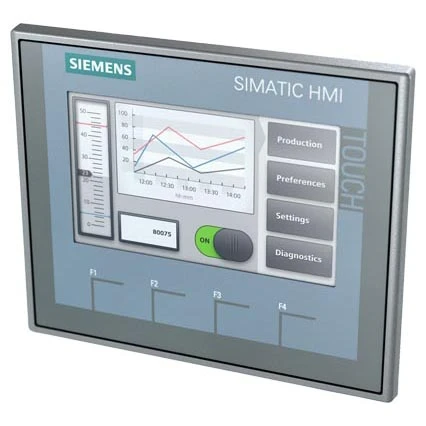
Siemens, as a pioneering siemens plc manufacturer, is at the forefront of these trends. Their SIMATIC portfolio, encompassing controllers, HMI (Human Machine Interface) devices, and SCADA (Supervisory Control and Data Acquisition) systems, is continuously updated to integrate these advancements. Siemens' TIA Portal (Totally Integrated Automation Portal) exemplifies this by providing a unified engineering framework for controllers, HMIs, drives, and more, streamlining development and enhancing system interoperability.
Technical Specifications: Siemens PLCs and SINAMICS Drives
Siemens offers a wide range of PLCs and associated drive technologies tailored for various industrial needs. Below are representative technical specifications.
Siemens SIMATIC S7-1500 Series PLC (Example)
| Parameter | Specification |
|---|---|
| CPU Types | Standard, Compact, Distributed, Technology, Failsafe, SIPLUS |
| Memory (Work/Load) | Up to 12 MB / 60 MB (depending on CPU model) |
| Processing Speed | As low as 1 ns/instruction (bit operations) |
| I/O Capacity | Thousands of digital/analog I/Os via distributed I/O systems |
| Communication | PROFINET, PROFIBUS, Ethernet/IP, OPC UA, Modbus TCP/RTU |
| Programming Languages | LAD (Ladder Diagram), FBD (Function Block Diagram), STL (Statement List), SCL (Structured Control Language), GRAPH (Sequential Function Chart) - IEC 61131-3 compliant |
| Integrated Security | Know-how protection, copy protection, access protection, firewall, VPN |
Siemens SINAMICS G130/G150 Medium Voltage Drives
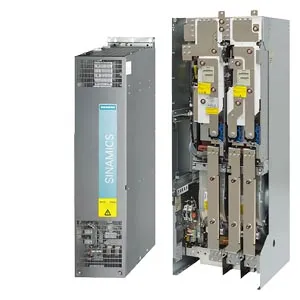
While our focus is on siemens plc manufacturers, it's essential to highlight complementary products like the SINAMICS G130 (chassis units) and G150 (cabinet units) drives. These are high-performance frequency converters designed for variable-speed drive applications in industrial and infrastructure environments, often directly controlled by Siemens PLCs for integrated system solutions.
| Parameter | Specification (Typical) |
|---|---|
| Power Range | 75 kW to 2700 kW (G130); 75 kW to 800 kW (G150) |
| Voltage Range | 3 AC 380 V to 690 V |
| Control Modes | Vector control (sensorless or with encoder), V/f control |
| Communication Interfaces | PROFINET, PROFIBUS DP, USS, Modbus RTU, CANopen, Drive-CliQ |
| Degree of Protection | IP00 (G130 chassis), IP20/IP21/IP23/IP54 (G150 cabinet) |
| Key Features | Integrated safety functions (STO, SS1, SLS, etc.), energy efficiency functions (ECO mode, flux reduction) |
These drives, when paired with Siemens PLCs, form powerful, integrated automation solutions, providing precise control over motors and optimizing energy consumption across a vast array of industrial processes.
Application Scenarios and Target Industries
Siemens PLCs are integral to automation across virtually every industrial sector due to their versatility, scalability, and robust design. As a premier siemens plc supplier, their products enable efficient and reliable operation in diverse environments.
- Petrochemical Industry: Controlling complex distillation columns, reactor systems, pump stations, and safety instrumented systems (SIS). High-availability PLCs ensure continuous operation and adherence to stringent safety regulations.
- Metallurgy and Steel Mills: Managing material handling, rolling mills, furnace control, and casting processes. PLCs provide the precision control required for extreme temperatures and heavy machinery.
- Water Supply & Drainage: Automating pump control, filtration systems, chemical dosing, and wastewater treatment plants. Remote monitoring and robust communication capabilities are crucial here.
- Automotive Manufacturing: Orchestrating assembly lines, robotic cells, painting booths, and logistics systems. High-speed processing and synchronized motion control are critical.
- Food & Beverage: Controlling mixing, filling, packaging, and cleaning-in-place (CIP) processes, adhering to strict hygiene and batch control requirements.
- Pharmaceuticals: Ensuring precise process control, batch traceability, and validation in drug manufacturing, meeting FDA and GAMP regulations.
Technical Advantages of Siemens PLCs
The reputation of Siemens PLC manufacturers is built on a foundation of distinct technical advantages that set their products apart:
- Unified Engineering Environment (TIA Portal): The Totally Integrated Automation Portal offers a single, intuitive platform for programming and configuring all Siemens automation components, from PLCs and HMIs to drives and motion control, significantly reducing engineering time and costs.
- Scalability and Modularity: Siemens PLCs, such as the SIMATIC S7-1200, S7-1500, and distributed I/O systems like ET 200, provide unparalleled scalability. Users can select controllers ranging from compact micro-PLCs for simple tasks to high-performance, redundant systems for complex, critical applications.
- Integrated Safety Functions: Siemens Safety Integrated offers solutions for functional safety up to SIL 3 (Safety Integrity Level) or PL e (Performance Level e), directly integrated into standard controllers and engineering tools, simplifying safety system design and reducing hardware complexity.
- Robust Communication Protocols: Native support for PROFINET (Industrial Ethernet) and PROFIBUS (Fieldbus) ensures high-speed, reliable communication across the automation pyramid. Integration with OPC UA further facilitates seamless data exchange with IT systems and cloud applications.
- Advanced Diagnostics: Built-in diagnostic capabilities provide detailed information on system status, component health, and fault localization, enabling proactive maintenance and rapid troubleshooting, minimizing downtime.
- Long-Term Availability and Support: Siemens is known for its long product lifecycle support, ensuring spare parts, upgrades, and technical assistance are available for decades, protecting customer investments.
Vendor Comparison: Siemens vs. Competitors
When selecting a PLC vendor, B2B decision-makers weigh factors like product range, ecosystem, programming ease, and total cost of ownership. Siemens stands out in several key areas compared to other major players like Rockwell Automation, Schneider Electric, and Mitsubishi Electric.
| Feature/Aspect | Siemens | Rockwell Automation | Schneider Electric |
|---|---|---|---|
| Unified Engineering SW | TIA Portal (Highly integrated) | Studio 5000 (Integrated for Logix) | EcoStruxure Machine Expert |
| Communication Protocols | PROFINET, PROFIBUS, OPC UA | EtherNet/IP, ControlNet, DeviceNet | Modbus TCP/RTU, EtherNet/IP |
| Scalability | Micro to High-End, Distributed I/O (S7-1200 to S7-1500/400) | MicroLogix to ControlLogix/CompactLogix | Modicon M2xx to M580 (ePAC) |
| Global Presence & Support | Excellent, very strong in Europe & Asia (including siemens plc china) | Excellent, very strong in North America | Strong global presence |
| Integrated Safety | Safety Integrated (via standard PLCs) | GuardLogix, CIP Safety | Modicon Safety, SoSafe |
| Ecosystem Integration | Drives (SINAMICS), HMI, SCADA, Industrial PCs, Cloud (MindSphere) | Kinetix Drives, PanelView HMI, FactoryTalk SCADA, Cloud (FactoryTalk InnovationSuite) | Altivar Drives, Magelis HMI, EcoStruxure Plant/Machine, Cloud (EcoStruxure Platform) |
Siemens' strength lies in its comprehensive, integrated ecosystem, offering a "one-stop shop" for automation needs. This includes not only PLCs but also related components like the SINAMICS G130/G150 drives, industrial PCs, and advanced software platforms. This broad portfolio and global presence provide a significant advantage for large-scale, complex projects requiring diverse automation components and consistent support.
Customized Solutions and Application Case Studies
Beyond standard products, Siemens and its authorized partners specialize in delivering tailored automation solutions. This customization ensures that the unique requirements of specific industries or complex processes are met with optimal efficiency and performance.
Customization Examples:
- Industry-Specific Libraries: Development of specialized function blocks and software libraries for niche applications, such as pharmaceutical batch control or high-speed packaging, reducing development time and ensuring compliance.
- Integrated Safety Systems: Designing and implementing bespoke safety matrices and safety PLC programming for machinery or plant processes, meeting specific risk assessment requirements (e.g., ISO 13849).
- System Integration with Legacy Equipment: Custom interfaces and communication gateways to integrate new Siemens PLCs with existing legacy machinery and control systems, ensuring a smooth transition and maximizing existing asset value.
- Turnkey Solutions: Providing complete automation packages, from conceptual design and engineering to installation, commissioning, and ongoing maintenance, often involving a combination of Siemens PLCs, HMIs, SCADA, and SINAMICS drives.
Application Case Study: Large-Scale Water Treatment Plant
Challenge: A major municipal water treatment facility needed to upgrade its aging control system to improve efficiency, enhance remote monitoring capabilities, and ensure compliance with stricter environmental regulations. The existing system suffered from frequent downtime and limited data visibility.
Solution: The plant implemented a Siemens-based solution featuring multiple SIMATIC S7-1500 PLCs distributed across various treatment stages (intake, coagulation, filtration, disinfection). These PLCs were networked via PROFINET and integrated with a SCADA system (SIMATIC WinCC) for centralized monitoring and control. SINAMICS G150 drives were deployed on large pumps, enabling variable speed control and significant energy savings. Redundant PLCs were used for critical processes to ensure high availability.
Results:
- Energy Savings: Up to 25% reduction in electricity consumption for pump operations due to optimized variable speed control.
- Operational Efficiency: Real-time data and advanced diagnostics reduced troubleshooting time by 40% and improved overall process control.
- Reliability: Redundant PLC architecture ensured near-zero unscheduled downtime, critical for continuous water supply.
- Compliance: Enhanced data logging and reporting facilitated easier compliance verification for environmental standards.
This case study exemplifies the power of an integrated Siemens automation solution, showcasing how a leading siemens plc manufacturer can deliver substantial operational improvements and return on investment.
Ensuring Trustworthiness: FAQ, Lead Time, Warranty & Support
Frequently Asked Questions (FAQ)
Q: What is the typical lead time for Siemens PLCs and SINAMICS drives?
A: Lead times can vary based on product complexity, customization, and current global supply chain conditions. Standard, commonly stocked items typically have lead times of 2-4 weeks. Highly specialized or custom-configured units may require 6-12 weeks. We recommend contacting your Siemens partner or a certified siemens plc supplier for precise, up-to-date estimates for specific models.
Q: What warranty is provided for Siemens automation products?
A: Siemens generally offers a standard 12-month to 24-month warranty on new industrial automation products, including PLCs and SINAMICS drives, from the date of delivery or commissioning, whichever comes first. Specific terms and conditions may vary by region and product type. Extended warranty options are often available through authorized distributors.
Q: How does Siemens provide after-sales support and technical assistance?
A: Siemens maintains a global network of technical support centers, offering multilingual assistance via phone, email, and online portals. Support includes troubleshooting, software updates, spare parts availability, and field service engineer dispatch. Comprehensive documentation, manuals, and online forums also contribute to robust self-service options. Many authorized siemens plc china distributors also provide local technical support and training.
Q: Are Siemens PLCs compatible with third-party components?
A: Yes, Siemens PLCs support open industrial communication standards like Modbus TCP/RTU, OPC UA, and EtherNet/IP (via communication modules), enabling integration with a wide array of third-party devices and systems. While Siemens offers a fully integrated ecosystem, flexibility for multi-vendor environments is maintained.
Lead Time & Fulfillment
To ensure optimal project scheduling, customers are advised to discuss specific lead time requirements directly with their dedicated Siemens sales representative or an authorized Siemens distributor. Global logistics and inventory management systems are in place to optimize fulfillment, but large or highly specialized orders benefit from early planning.
Warranty Commitments
Siemens stands behind the quality of its products. Detailed warranty information, including terms for repair, replacement, and exclusions, is provided with each product and can be accessed through official Siemens channels. This commitment underscores the reliability expected from a premier industrial automation vendor.
Customer Support Information
For immediate assistance, please refer to the Siemens Support Portal online, which offers a comprehensive knowledge base, product documentation, and software downloads. For direct contact, customers can reach out to their local Siemens service hotline or their designated sales and support team. Siemens' extensive global network ensures that expert help is always within reach.
References
- IEC 61131-3: Programmable controllers - Part 3: Programming languages. International Electrotechnical Commission.
- Siemens AG Official Website. Industrial Automation Products & Solutions.
- "The Role of PLCs in Industry 4.0 Transformation." Journal of Industrial Automation, Vol. 15, No. 2, 2022.
- "Advances in Variable Frequency Drive Technology for Energy Efficiency." Power Electronics Review, Vol. 8, No. 4, 2023.