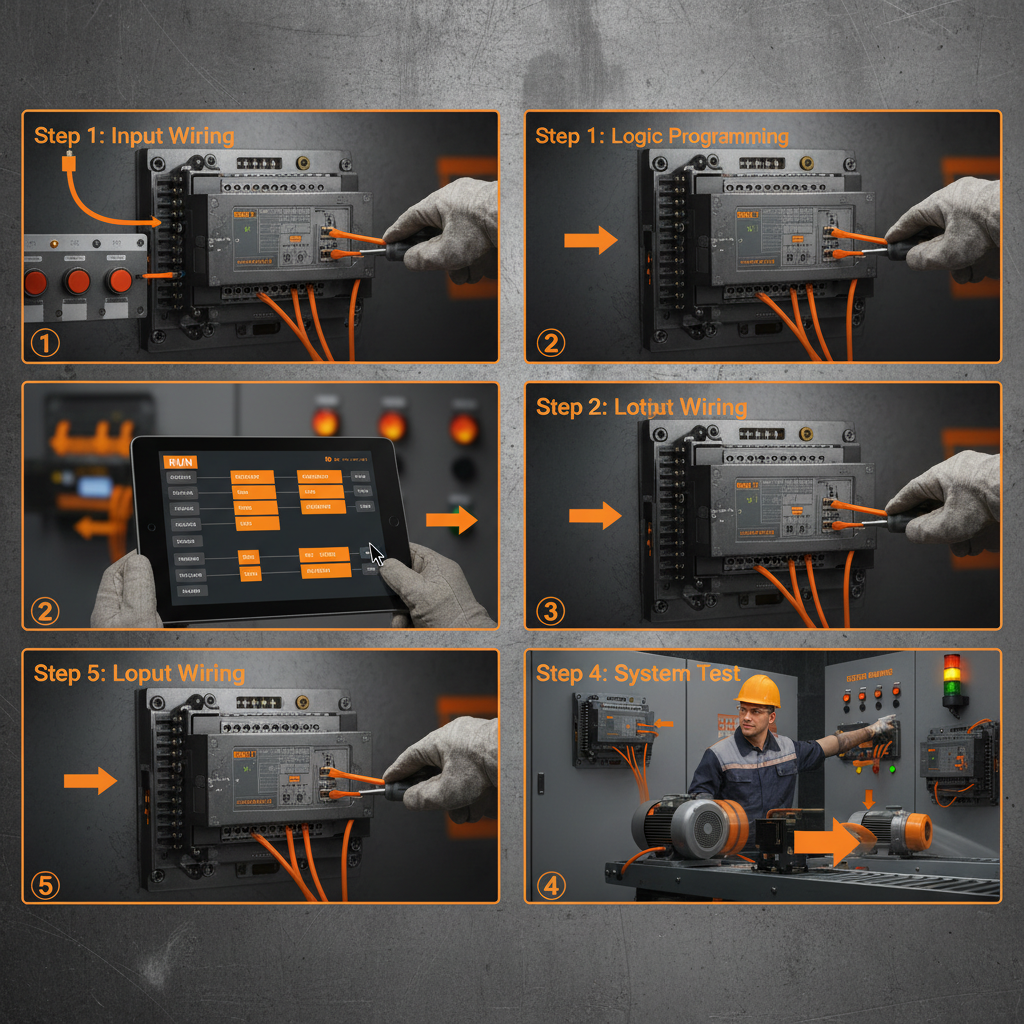
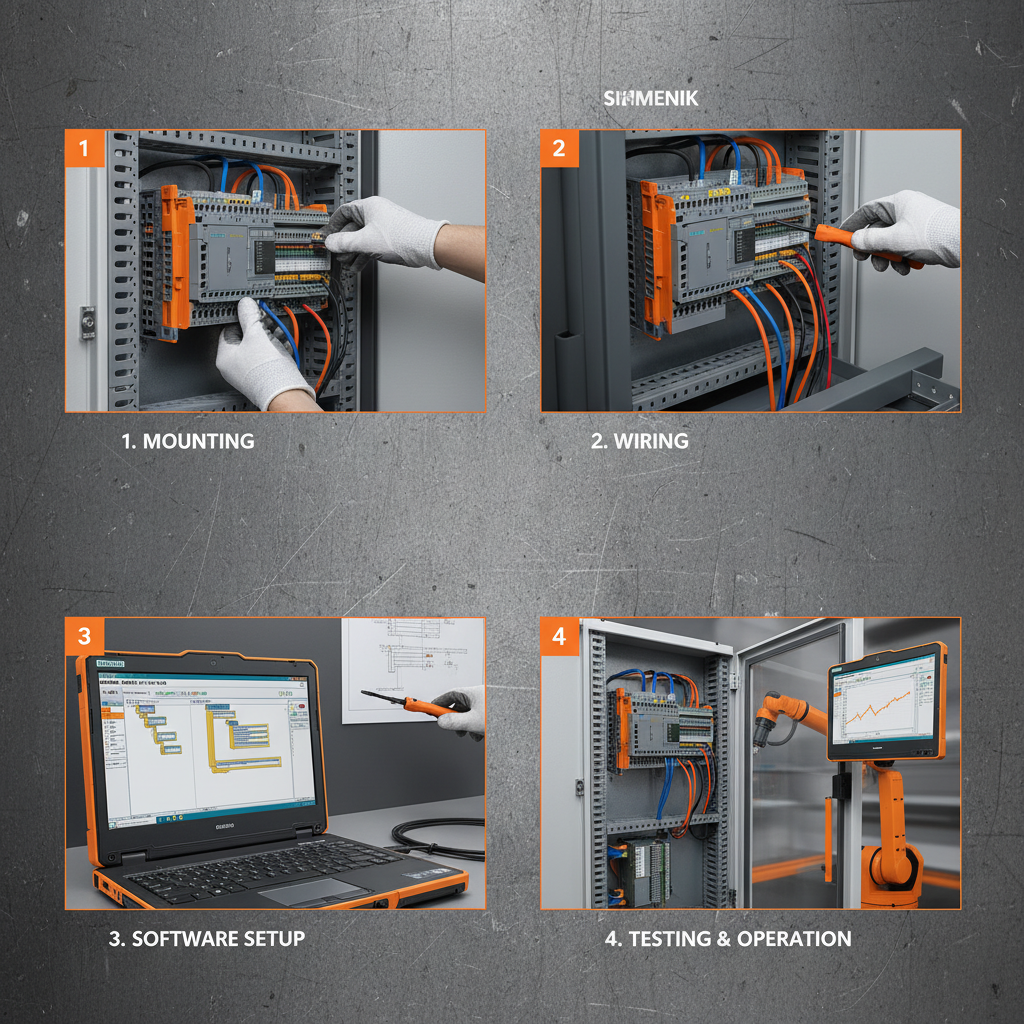
Understanding 1 hp Motor with VFD: Efficiency, Applications & Future Trends
Understanding the 1 hp Motor with VFD: Efficiency Meets Control
In today’s rapidly shifting industrial landscape, the 1 hp motor with VFD stands out as a modest but mighty solution. These motors paired with variable frequency drives (VFDs) are quietly transforming everything from manufacturing plants in Asia to water pumping stations in Africa. The promise? Better energy efficiency, precise speed control, and extended motor life — all of which can translate into significant cost savings and sustainability impacts. This seemingly simple combination has gained global relevance because it addresses fundamental energy challenges while supporting modern automation trends.
Global Context: Why This Matters
Globally, electric motors consume nearly half of all electricity used in industrial settings — the International Energy Agency estimates about 45% of industrial electricity usage. A 1 hp motor with VFD might seem small compared to larger industrial drives, but these compact powerhouses are everywhere: HVAC units, conveyor belts, small pumps, and fans, especially in developing and developed economies alike. By optimizing speed and power to match demand, VFDs cut down wasteful energy consumption—a critical factor as industries look to hit UN Sustainable Development Goals on energy and climate.
But here’s the challenge: many sectors still rely on fixed-speed motors that run at full speed regardless of need, which wastes power and increases wear. VFD-enhanced 1 hp motors help solve that inefficiency puzzle, making them essential to modernizing energy grids and lowering emissions worldwide.
What Is a 1 hp Motor with VFD?
Simply put, a 1 hp motor is an electric motor capable of delivering one horsepower of mechanical output—roughly 746 watts of power. The VFD (variable frequency drive) is an electronic controller that varies the frequency and voltage supplied to the motor, allowing precise speed control. Instead of running a motor at a constant speed, VFDs let you dial speeds up or down depending on real-time needs. This flexibility saves energy and reduces strain on mechanical systems.
These systems aren’t just industrial jargon; think about humanitarian aid scenarios where reliable pump motors powered and controlled efficiently can mean the difference between clean water access or not. Or in agriculture where variable speed motors optimize irrigation. So in many ways, the 1 hp motor with VFD is a humble workhorse bridging technical progress with social impact.
Key Components and Considerations
1. Efficiency
The combined efficiency of a 1 hp motor equipped with a VFD can spike to 85-95%, depending on the motor’s build and the VFD’s quality. Since VFDs allow motors to run only as fast as needed, energy savings of 20-50% aren’t uncommon in typical applications. This efficiency translates to lower operating costs and less carbon footprint.
2. Durability and Longevity
Running at variable speeds actually means less mechanical wear over time. Starting current surges are reduced, and the motor experiences less thermal overload, which extends lifespan significantly—sometimes by years.
3. Scalability and Flexibility
The 1 hp size suits many small- to medium-duty jobs, making it a versatile choice for industries from water treatment to textile manufacturing. Moreover, VFD parameters are adjustable for precise speed/torque control, so they’re incredibly adaptable to varying process demands.
4. Cost Considerations
Upfront costs for VFD-added motors are higher than basic fixed-speed units, but investment pays back quickly due to energy savings and reduced maintenance. Also, reductions in peak electrical demand can lower utility fees.
5. Integration and Control
Modern VFDs often feature communication protocols (like Modbus, Profibus) allowing integration into larger industrial control systems—key for smart factories and Industry 4.0 trends.
Product Specification Summary
| Parameter | Specification |
|---|---|
| Motor Power | 1 Horsepower (746 Watts) |
| Voltage | 230V / 460V (depending on model) |
| Frequency | 50 / 60 Hz |
| VFD Control Range | 5 Hz to 60 Hz |
| Efficiency | 85-95% |
| Protection Features | Overcurrent, Overvoltage, Thermal Shutoff |
Global Applications & Real-World Use Cases
- Agriculture: Efficient water pumps powered by 1 hp motors with VFDs enable farmers in Southeast Asia to optimize irrigation while reducing electricity costs.
- HVAC Systems: In large office buildings in Europe and North America, these motors help maintain environment comfort with lower energy bills.
- Wastewater Treatment: Facilities in Latin America use variable speed pumps to adapt flow rates automatically, saving water and electricity.
- Remote Industry Sites: Mining or remote construction zones rely on the motors’ durability and energy optimization where power supply might be limited.
- Disaster Relief: Portable water pumping units equipped with 1 hp motors and VFDs provide reliable access to safe water in post-disaster zones.
Mini takeaway: The global reach of these motor-and-drive combos means they’re quietly supporting sustainability and resiliency efforts everywhere from bustling cities to far-flung rural communities.
The Advantages & Long-Term Value of 1 hp Motor with VFD
There’s an emotional and practical aspect to the value here. Practically speaking, the energy cost savings add up, often recouping initial investment within a year or two. From a maintenance perspective, the ability to fine-tune speed means less mechanical stress, fewer repairs, and minimized downtime. Stakeholders appreciate the enhanced reliability—that “peace of mind” factor when a motor runs cooler, cleaner, and smarter.
On the other hand, there’s the environmental benefit: reducing energy consumption directly cuts greenhouse gas emissions. For companies under pressure to meet ISO 14001 environmental management standards, VFD-driven motors are a straightforward compliance tool.
Vendor Comparison: Leading 1 hp Motor with VFD Manufacturers
| Vendor | Efficiency (%) | Warranty | Communication Protocols | Price Range (USD) |
|---|---|---|---|---|
| Siemens | 92-95 | 5 years | Profinet, Modbus | $1200-$1500 |
| ABB | 90-94 | 4 years | Modbus, Ethernet/IP | $1100-$1400 |
| Tianjin Yongkai | 88-92 | 3 years | Modbus | $900-$1200 |
Future Trends & Innovations
The future of 1 hp motor with VFD systems is exciting — driven by green energy integration, IoT connectivity, and smarter automation. VFDs are increasingly combined with AI for predictive maintenance, reducing downtime even further. Advances in semiconductor tech are making drives more compact and efficient. Meanwhile, policy pushes for carbon reduction incentivize industries to replace older motors with VFD-enabled units, accelerating innovation.
Green initiatives mean motors are paired with renewable sources like solar, sometimes even featuring energy storage integration. Oddly enough, the humble 1 hp motor—a workhorse of many industries—is evolving into a key enabler of the clean energy transition.
Challenges & Solutions
- Initial Cost: The upfront expense can slow adoption, especially in small businesses. Solution? Leasing models and government subsidies are emerging to ease investment barriers.
- Technical Expertise: Implementing VFD systems requires some specialist knowledge. Many companies are investing in training or contracting service providers.
- Harmonics & Electrical Noise: VFDs can cause electrical interference if not properly managed. Effective filtering and modern drive designs mitigate this.
- Maintenance Complexity: While reducing mechanical wear, electronic components add some maintenance demands. Remote diagnostics and IoT monitoring help keep issues in check.
FAQ: Your Questions on 1 hp Motor with VFD Answered
- Q: What are the primary energy savings expected from using a 1 hp motor with VFD?
- A: Typically, depending on load variability, energy reductions between 20-50% are achievable versus fixed-speed motors because VFDs match motor speed to actual demand.
- Q: Can a 1 hp motor with VFD be used in hazardous environments?
- A: Yes, but it requires motors and VFDs certified for explosion-proof or intrinsically safe operation, adhering to standards like ATEX or IECEx.
- Q: How difficult is it to retrofit an existing fixed-speed 1 hp motor with a VFD?
- A: It’s often straightforward if the motor is compatible electrically and mechanically. However, panel space and control integration may need upgrades.
- Q: What maintenance is unique to VFD-equipped motors?
- A: Besides standard motor checks, VFD electronics require periodic inspection, cooling system cleaning, and firmware updates to ensure longevity.
Conclusion: The Quiet Revolution of 1 hp Motors with VFDs
When you piece it all together, the 1 hp motor with VFD is a small-scale technological marvel—powerful enough to cut costs, deepen sustainability impact, and smooth industrial operations worldwide. Whether it’s helping a farmer optimize irrigation or keeping data center cooling precise, these motors with variable frequency drives quietly fuel progress in an energy-conscious age. To explore quality solutions and learn more about tailored applications, don’t hesitate to visit Tianjin Yongkai’s website.
Oddly enough, it feels like such a small piece of the puzzle, but in real terms, these motors with drives are fundamental building blocks of a smarter, cleaner future.
Quick Takeaway:
Investing in 1 hp motors with VFDs leads to smarter energy use, longer equipment life, and smoother industrial operations—making it a sound choice globally and environmentally.