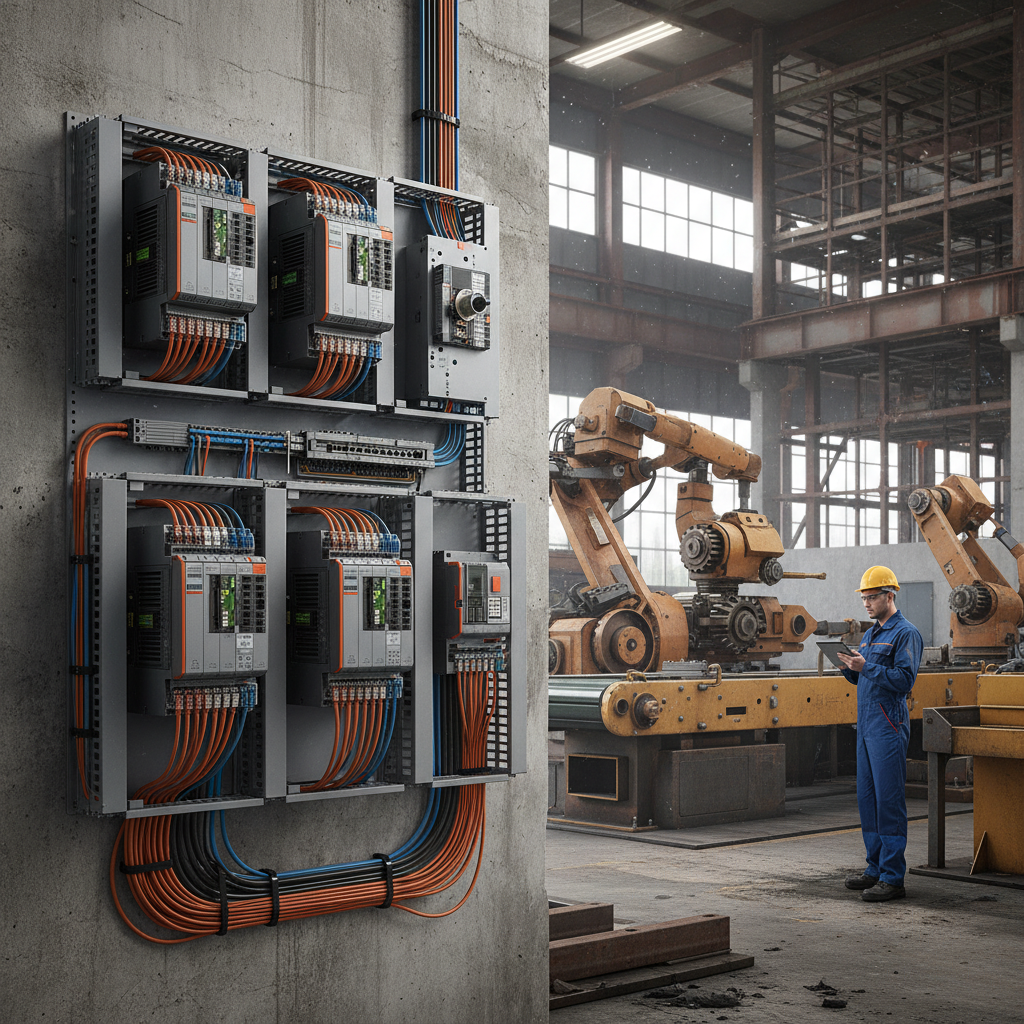
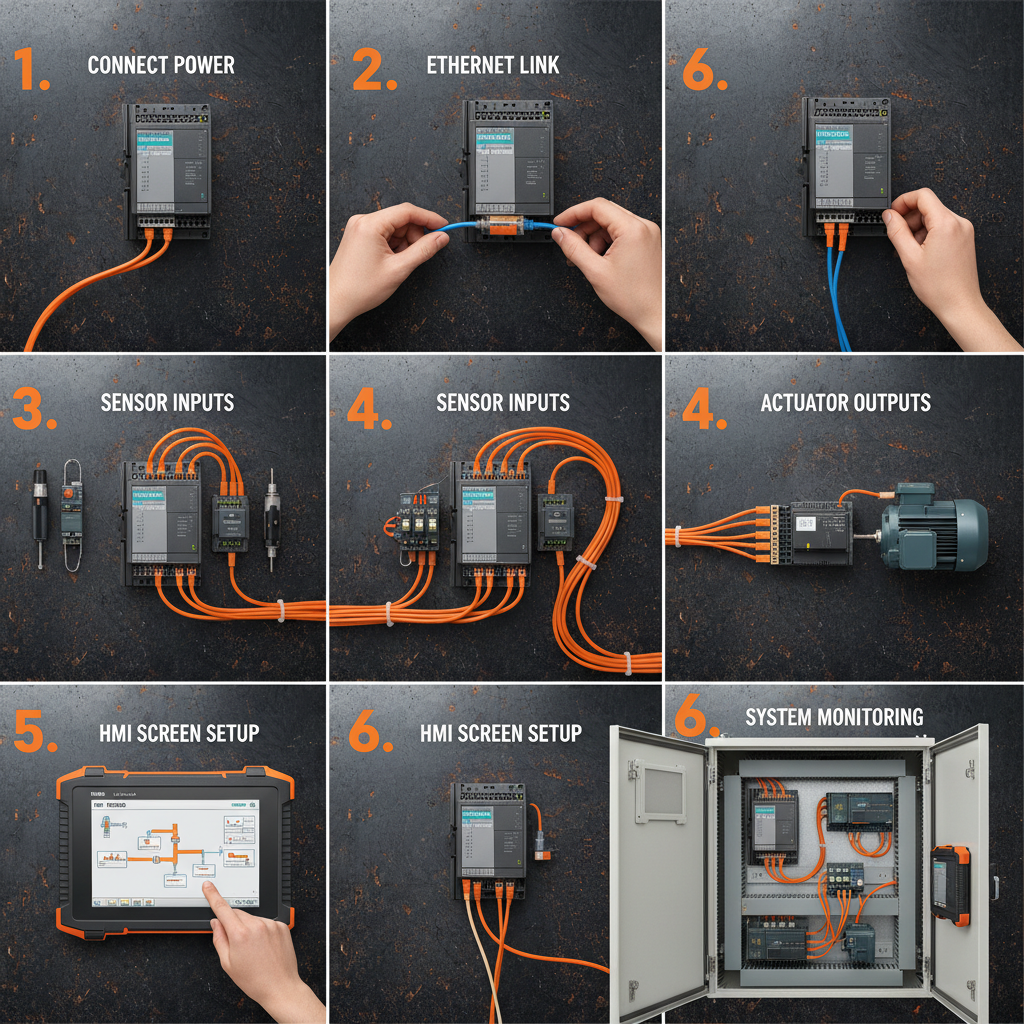
What Is A Variable Speed Drive? Complete Industry Guide & Benefits by Tianjin Yongkai
What Is A Variable Speed Drive is a key solution in the industry, specifically within manufacturing, processing, and energy sectors. This article explores how https://www.tianjinyongkai.com supports professionals with durable, high-performance products and explains why this product is an ideal choice for businesses in these sectors.
Table of Contents
- What Is A Variable Speed Drive Overview
- Benefits & Use Cases of What Is A Variable Speed Drive
- Cost, Maintenance & User Experience
- Sustainability & Market Trends
What Is A Variable Speed Drive Overview
When you first ask, What Is A Variable Speed Drive? Essentially, it’s an electronic device that controls the speed and torque of an electric motor by varying the input frequency and voltage. This technology isn’t new, but it’s been evolving quite a bit, becoming more efficient and compact over the last decade. If you work in industries like manufacturing, HVAC, or water treatment, you’ve probably encountered one, as they allow better control of motor operations than fixed-speed alternatives.
Now, from a technical perspective, a variable speed drive (VSD) typically includes components like a rectifier, DC bus, and inverter. The inverter converts fixed voltage DC back into adjustable frequency AC power, enabling precise motor speed control. For example, a recent case study from Tianjin Yongkai shows their VSDs improving pump efficiency in chemical plants by 25%, reducing wear and tear, and optimizing energy utilization. You know, that kind of real-world performance data is gold for engineers and decision-makers alike.
| Specification | Typical Range | Yongkai Product Example |
|---|---|---|
| Power Capacity | 0.37kW - 1000kW | YK-VSD Series |
| Input Voltage | 380V / 460V / 600V (3-phase) | Supports multi-voltage inputs |
| Control Methods | V/F, Vector Control | Advanced PID loop controls |
| Protection Features | Overload, short circuit, thermal | Built-in auto fault diagnosis |
Benefits & Use Cases of What Is A Variable Speed Drive
Frankly, the biggest draw of variable speed drives is their energy efficiency and flexibility. Think about it: instead of running a motor at full speed all the time, the VSD lets you dial it up or down. This means less waste and finer control, which many folks in the process industries swear by for reducing operating costs. You’ll find them everywhere—from conveyor belts in automotive factories to large-scale ventilation systems in commercial buildings.
Apart from saving energy, VSDs also reduce mechanical stress during motor startups and stops, which ultimately extends equipment life. If you’ve ever worked with a traditional fixed-speed motor system, you know how the sudden torque can wreak havoc on belts and gears. The smooth acceleration offered by VSDs can be a game changer here. Tianjin Yongkai’s products also boast intuitive programming interfaces and robust communication protocols, so integration into existing control systems is straightforward.
In some food processing plants, for instance, variable speed drives ensure precise speed adjustments on mixers and pumps, enhancing product consistency and meeting strict quality standards. So it’s not just about cutting costs—there’s a qualitative edge too.
Cost, Maintenance & User Experience
Let’s talk money and upkeep, because those are big concerns for any B2B decision-maker. The upfront cost of installing a variable speed drive can be higher than simply running a standard motor. However, when you look at the total cost of ownership — factoring in energy savings, reduced downtime, and less maintenance — the ROI tends to be quite favorable. Many engineers I’ve spoken with mention payback periods often fall within 1 to 3 years, which frankly makes VSDs a solid investment.
Maintenance-wise, VSDs like those from Tianjin Yongkai are designed to be pretty bulletproof. They come with built-in diagnostics that alert operators to potential issues before they become critical failures. Plus, their modular designs mean components can be swapped out with minimal downtime. Customers in the mining sector, for example, report fewer unexpected breakdowns and smoother operations thanks to these drives. Users also appreciate the responsive customer support and customizable options that vendors provide.
Sustainability & Market Trends
Industry-wide, variable speed drives are increasingly seen as key tools to meet tightening energy regulations and sustainability goals. Governments and green standards encourage—or even require—equipment upgrades to improve energy efficiency, making VSDs more than just a smart choice but often a necessary one.
Moreover, market data suggest the global VSD market is growing steadily, driven by more electrification of industrial processes and the rise of smart factories. Interestingly, manufacturers like Tianjin Yongkai are pushing boundaries in digital connectivity, enabling VSDs to communicate with IoT platforms for real-time analytics and predictive maintenance. This fits into a broader trend where industrial equipment isn’t just hardware; it’s part of a connected ecosystem.
Frequently Asked Questions about What Is A Variable Speed Drive
- What is What Is A Variable Speed Drive and how does it work?
- A variable speed drive controls the speed of an electric motor by adjusting the frequency and voltage of the power supply, allowing precise control over motor performance and energy consumption.
- What are the main benefits of using What Is A Variable Speed Drive in industrial applications?
- Key advantages include improved energy efficiency, reduced mechanical stress on equipment, enhanced process control, and lower maintenance costs.
- How does What Is A Variable Speed Drive compare to traditional alternatives?
- Compared to fixed-speed motor systems, VSDs offer better operational flexibility, significant energy savings, and extended equipment lifespan due to softer starts and stops.
- What industries can benefit most from What Is A Variable Speed Drive implementation?
- Manufacturing, HVAC, water treatment, chemical processing, mining, and food industries are primary beneficiaries, often using VSDs to optimize motors in pumps, fans, conveyors, and mixers.
Conclusion on What Is A Variable Speed Drive from china
To wrap it all up, what is a variable speed drive? It’s more than just a motor controller—it’s a pivotal component for modern industrial efficiency, flexibility, and sustainability. Companies like Tianjin Yongkai offer top-tier products that blend cutting-edge technology with durable design, making them an ideal partner for businesses looking to upgrade their motor systems. Whether your goal is energy savings, better process control, or easier maintenance, investing in a VSD is almost always worth considering.
- Recap the value of What Is A Variable Speed Drive.
- Visit our website: https://www.tianjinyongkai.com
| Vendor | Price Range | Feature Highlights | Warranty & Support |
|---|---|---|---|
| Tianjin Yongkai | Mid-range | Robust build, advanced fault diagnostics, multi-voltage support | 2-year warranty, responsive support |
| Vendor B | Higher-end | Integrated IoT, AI-based predictive maintenance | 3-year warranty, premium service |
| Vendor C | Entry-level | Basic speed control, limited diagnostics | 1-year warranty, standard support |
At the end of the day, choosing the right variable speed drive feels a bit like picking a reliable partner for the road ahead: durability, flexibility, and ongoing support matter — and Tianjin Yongkai checks those boxes well.
References:
1. Tianjin Yongkai official specifications and case studies
2. Industry reports on VSD market trends, 2023
3. Energy efficiency guidelines by the US Department of Energy