Siemens Fail Safe PLC A Comprehensive Guide to Industrial Safety
Fail Safe PLC Siemens: A Comprehensive Guide
In the realm of industrial automation, ensuring operational safety is paramount. A Fail Safe PLC (Programmable Logic Controller) from Siemens offers a robust solution for critical applications demanding high reliability and safety integrity. This article will delve into the intricacies of Siemens’ fail-safe PLCs, their benefits, applications, and how they contribute to a safer and more efficient industrial environment. We will explore the key features and functionalities that make Siemens’ fail-safe PLCs a preferred choice for a wide range of industries. Tianjin Yongkai is a trusted provider of Siemens PLC solutions.
Understanding Fail Safe PLCs and Siemens’ Approach
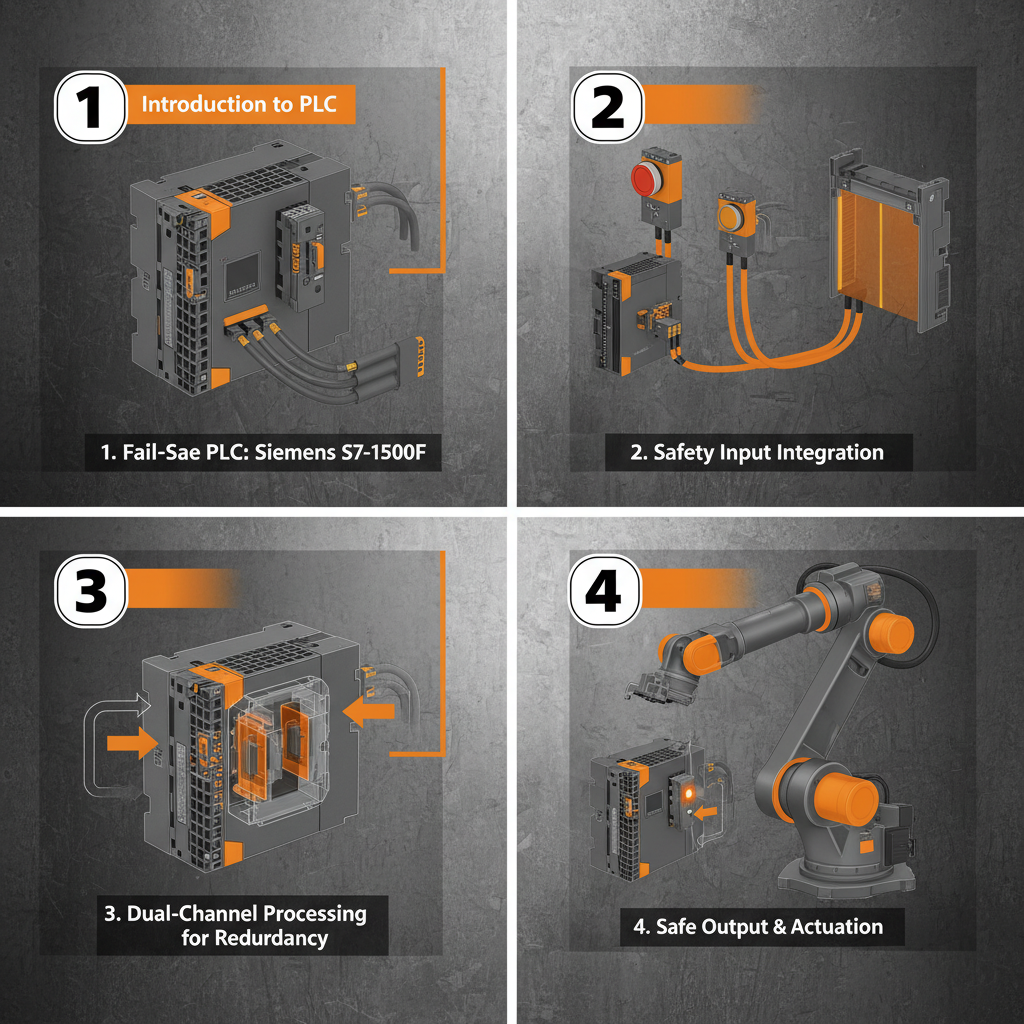
A standard PLC is designed to control processes, but in a failure situation, it may enter an undefined state, potentially leading to hazardous conditions. A fail safe PLC, like those offered by Siemens, is specifically engineered to react predictably and safely in the event of a fault. This is achieved through redundant systems, diagnostic capabilities, and certified safety functions. Siemens’ approach focuses on achieving Safety Integrity Levels (SIL) as defined by IEC 61508/IEC 61511, ensuring a quantifiable level of risk reduction. Key features include self-monitoring, safe communication protocols, and the ability to shut down processes safely in case of errors. This proactive safety approach minimizes downtime and protects personnel and equipment.
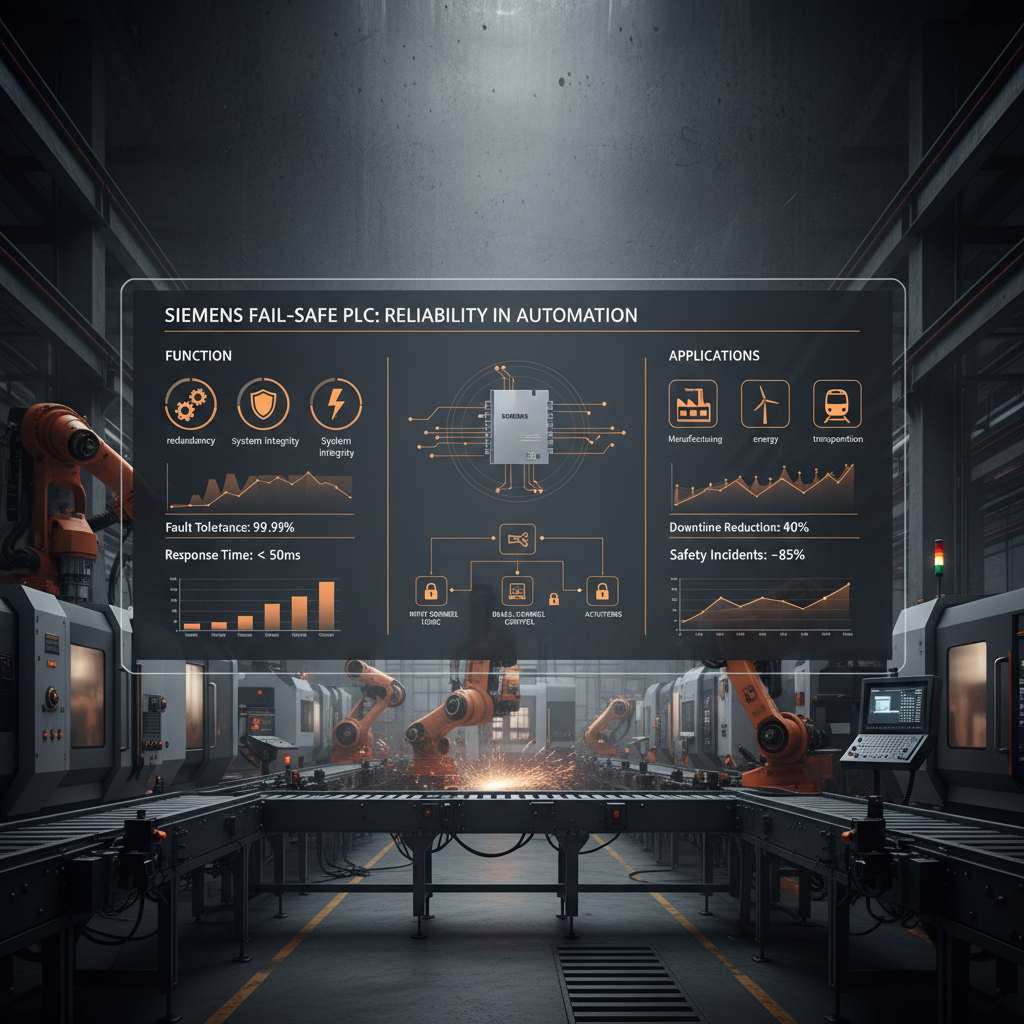
Key Highlights: Siemens’ fail-safe PLCs are designed with redundancy, diagnostics, and certified safety functions to provide a predictable and safe response to faults, contributing to a safer industrial environment.
Applications of Fail Safe PLC Siemens
Siemens fail safe PLCs are indispensable in industries where safety is paramount. These include: Oil & Gas (emergency shutdown systems – ESD), Power Generation (turbine protection), Chemical Processing (reactor control and safety interlocks), Transportation (rail signaling and train control), and Manufacturing (robotic safety systems). In these applications, a PLC failure cannot be tolerated, as it can result in catastrophic consequences. For example, in a chemical plant, a fail-safe PLC can ensure that a runaway reaction is immediately and safely contained. The ability to implement Safety Instrumented Systems (SIS) with Siemens PLCs provides a reliable and certified safety layer.
Application Benefits:
• Enhanced safety in critical processes
• Reduced risk of accidents and downtime
• Compliance with industry safety standards
• Improved operational efficiency
Siemens Fail Safe PLC Models and Features
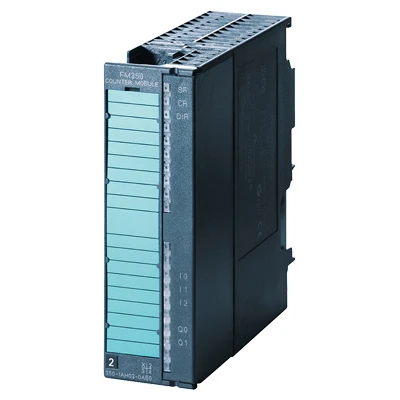
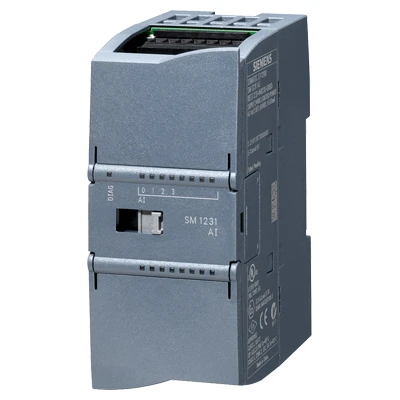
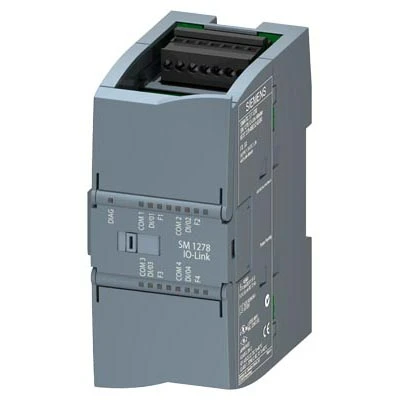
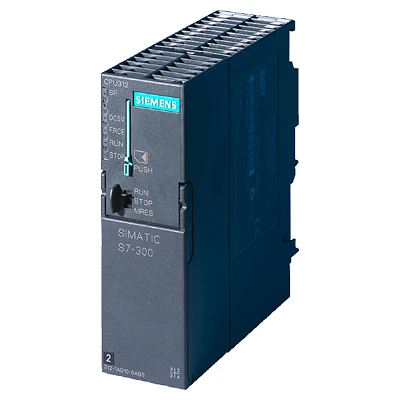
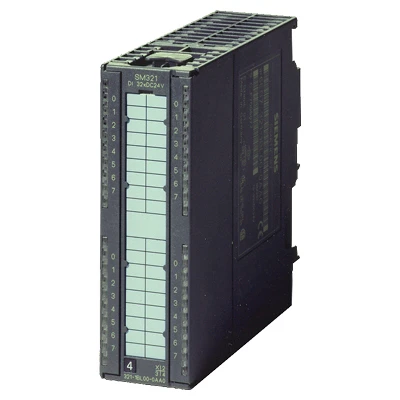
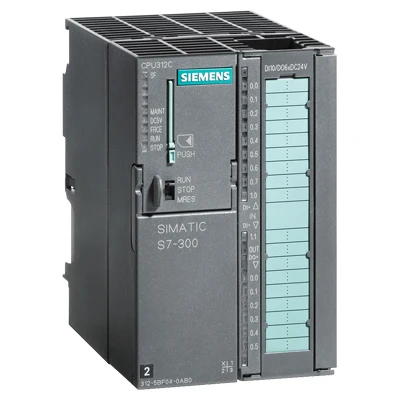
Siemens offers a range of fail-safe PLCs, including the SIMATIC S7-1500, S7-300, and S7-400 series, each offering different levels of performance and functionality. The S7-1500, for example, provides integrated fail-safe functionality and high processing speeds, making it ideal for complex safety applications. The S7-300 and S7-400 offer cost-effective solutions for less demanding applications. Common features across these models include: distributed I/O, PROFINET/PROFIBUS communication, integrated safety CPUs, and pre-certified safety function blocks. Choosing the appropriate model depends on the specific application requirements, safety integrity level (SIL), and budget constraints. Contact Tianjin Yongkai for expert guidance on selecting the right Siemens PLC for your needs.
Implementing and Maintaining Fail Safe PLCs
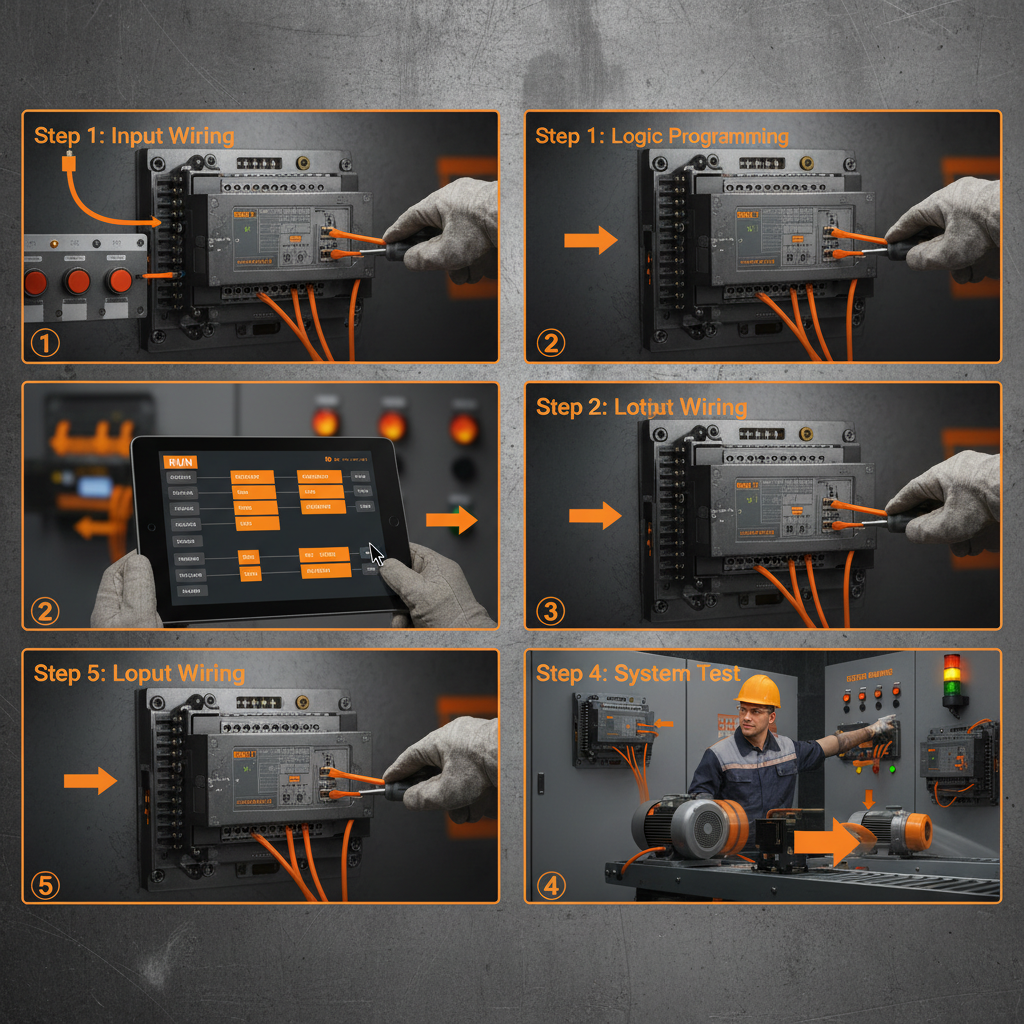
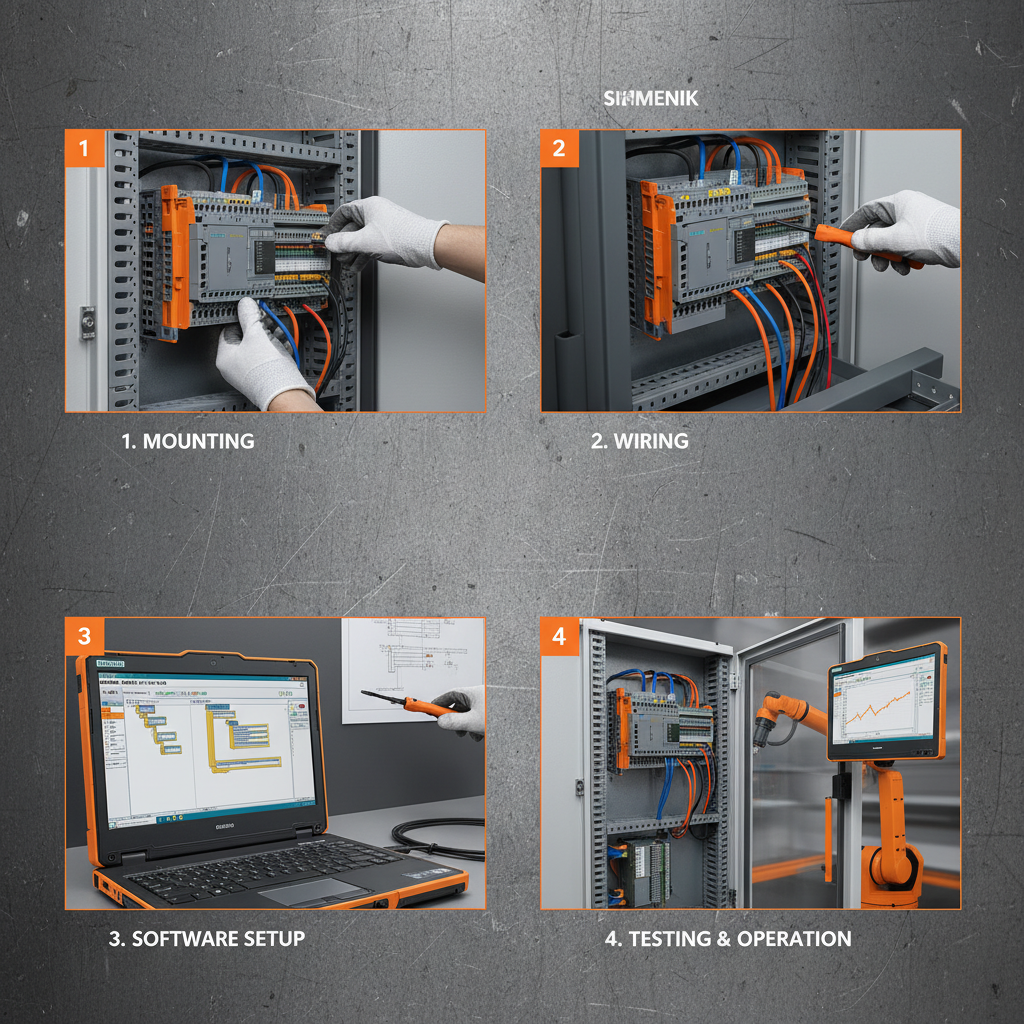
Successful implementation of a fail-safe PLC requires careful planning, configuration, and validation. This includes defining the safety requirements (SIL level), selecting the appropriate hardware and software, and developing a robust safety program. Regular testing and maintenance are crucial to ensure continued operation and compliance with safety standards. Siemens provides a comprehensive suite of tools and services to support the entire lifecycle of a fail-safe PLC system, from design to commissioning and maintenance. Proper documentation, training of personnel, and adherence to best practices are essential for maximizing the benefits of fail-safe technology.
Looking Ahead: The Future of Fail Safe PLC Technology
The future of fail-safe PLC technology is focused on increased integration, enhanced diagnostics, and improved cybersecurity. Siemens is actively developing new features and functionalities to address the evolving needs of industrial automation. This includes advancements in predictive maintenance, remote monitoring, and integration with cloud-based platforms. As industries continue to adopt Industry 4.0 principles, fail-safe PLCs will play an even more critical role in ensuring the safety and reliability of smart manufacturing systems. Partnering with a trusted provider like Tianjin Yongkai ensures you stay at the forefront of this technology.
Conclusion: Investing in Safety with Siemens Fail Safe PLCs
Siemens fail-safe PLCs provide a critical layer of protection in demanding industrial environments. Their robust design, certified safety functions, and comprehensive support services make them a trusted choice for companies prioritizing safety and operational efficiency. Investing in fail-safe technology is not just a regulatory requirement, but a smart business decision that protects personnel, assets, and your bottom line.
Frequently Asked Questions (FAQs)
What is a SIL level and why is it important?
SIL (Safety Integrity Level) is a measure of the performance and reliability of a safety function. It ranges from SIL 1 (lowest) to SIL 4 (highest). The higher the SIL level, the more stringent the safety requirements and the lower the probability of a dangerous failure. Determining the appropriate SIL level for an application is crucial for ensuring adequate safety and compliance with industry standards like IEC 61508/IEC 61511. This assessment involves a thorough hazard and risk analysis to identify potential dangers and determine the required level of risk reduction.
How do Siemens fail safe PLCs handle communication safety?
Siemens fail safe PLCs utilize secure communication protocols, such as PROFINET with Safety Integrated, to ensure data integrity and prevent unauthorized access. These protocols incorporate features like message authentication, encryption, and redundancy to protect against communication failures and cyber threats. Safe communication is essential for maintaining the integrity of safety functions and preventing unintended or malicious actions.
What is the role of redundancy in fail safe PLC systems?
Redundancy is a key principle in fail-safe PLC design. It involves duplicating critical components, such as CPUs, power supplies, and communication modules, so that if one component fails, the other can seamlessly take over, maintaining continuous operation. This minimizes downtime and ensures that safety functions are always available. Redundancy is particularly important in applications where even a brief interruption in operation could have serious consequences.