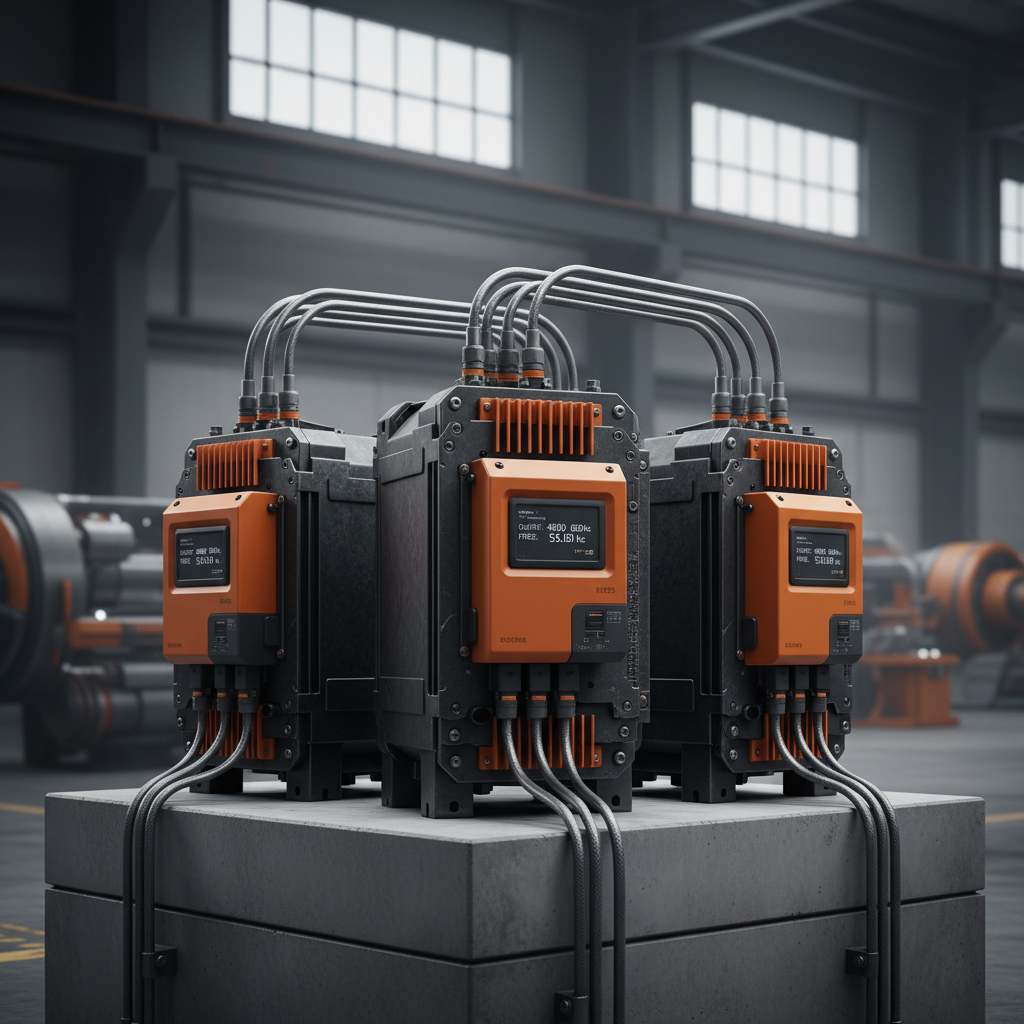
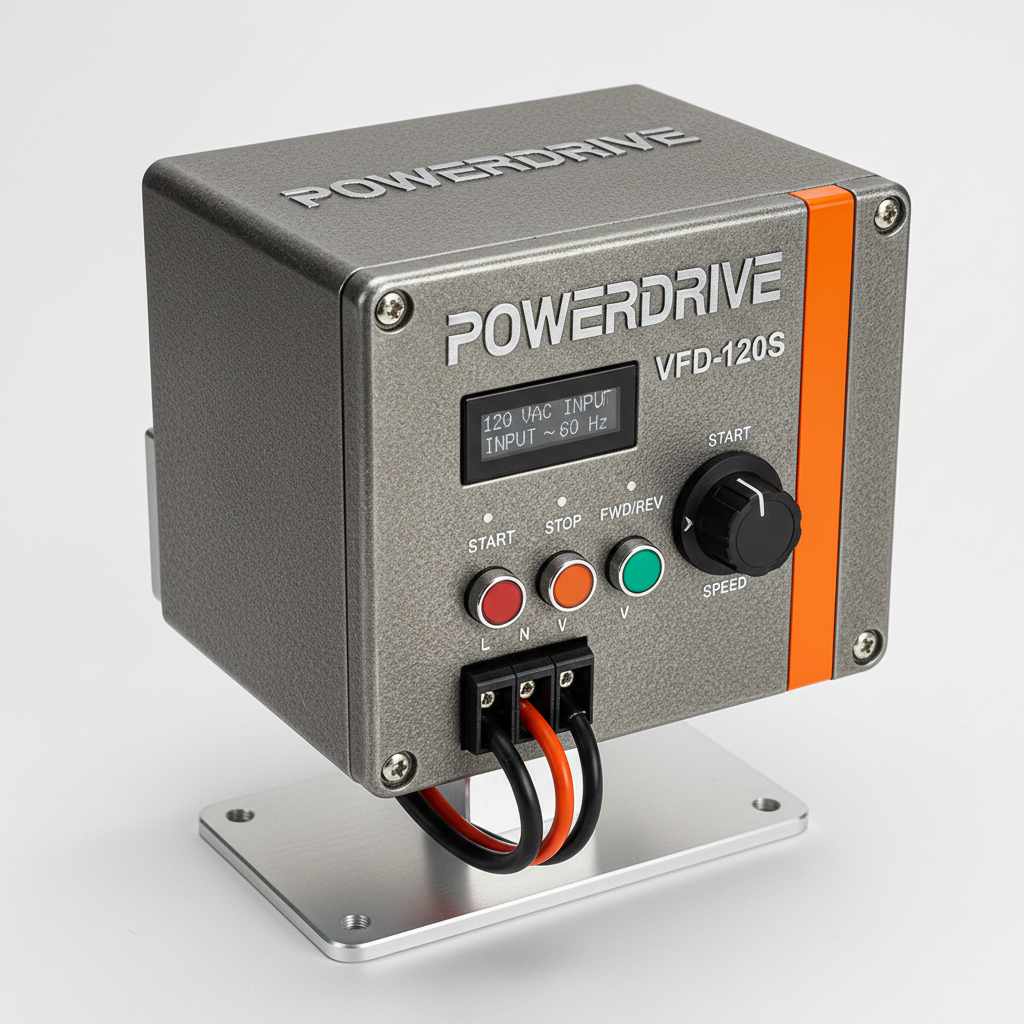
Variable Frequency Drives (vfds) are rapidly becoming indispensable across a multitude of industries, driving efficiency and precision in motor control. From optimizing energy consumption in manufacturing plants to enabling advanced functionalities in renewable energy systems, vfds play a critical role in modern infrastructure. Understanding the principles, applications, and future trends surrounding vfds is paramount for engineers, technicians, and anyone involved in industrial automation and energy management.
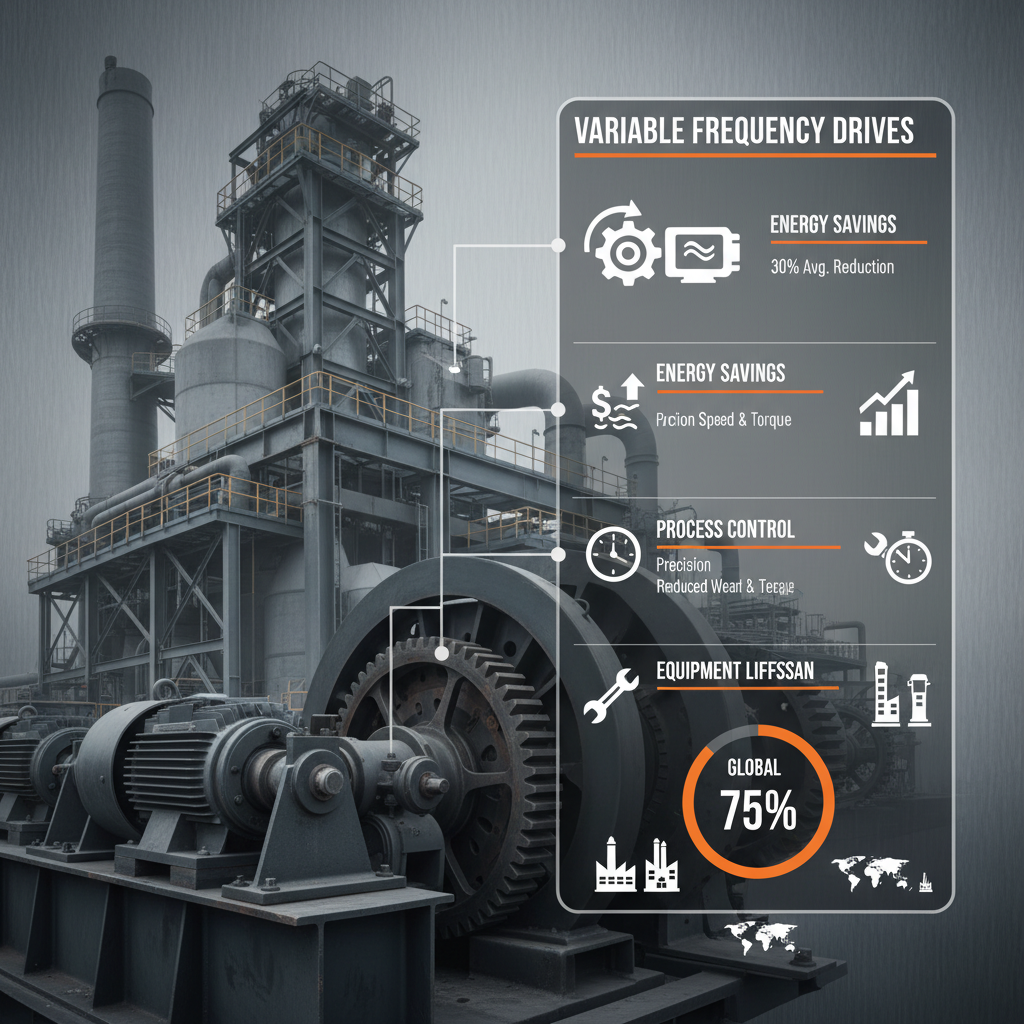
Globally, the demand for energy efficiency is surging, driven by environmental concerns and economic pressures. The International Energy Agency (IEA) estimates that electric motors consume nearly 40% of global electricity. Implementing vfds offers a significant opportunity to reduce this consumption, often by as much as 30% or more. This translates into substantial cost savings and a reduced carbon footprint, making vfds a key component of sustainable industrial practices.
Essentially, a vfd controls the speed of an AC electric motor by varying the frequency and voltage supplied to the motor. Unlike traditional methods like dampers or throttling valves, vfds provide precise and responsive control, allowing motors to operate at the exact speed required for a given application. This not only saves energy but also extends the life of the motor and connected equipment.
Introduction to vfds
The fundamental goal of utilizing vfds is to optimize motor performance, leading to significant savings in energy and operational costs. Understanding the core concepts of vfds – how they modulate frequency and voltage, and the resulting impact on motor speed and torque – is crucial for effective implementation. These drives are not merely speed controllers; they represent a sophisticated approach to energy management and process optimization.
The impact of vfds extends beyond simple cost reduction. They enhance system reliability, improve product quality through precise control, and contribute to a more sustainable industrial environment. As regulations regarding energy efficiency become increasingly stringent, the adoption of vfds is poised to continue its rapid growth across all sectors.
Global Relevance and Applications of vfds
The global market for vfds is experiencing substantial growth, fueled by the demand for energy-efficient solutions. North America and Europe are currently the leading markets, driven by mature industrial infrastructure and stringent energy regulations. However, rapid industrialization in Asia-Pacific, particularly in China and India, is creating significant new opportunities for vfd manufacturers and integrators. According to recent reports, the Asia-Pacific region is projected to witness the fastest growth rate in the vfd market in the coming years.
vfds are finding increasing applications in a diverse range of industries, including manufacturing, HVAC (heating, ventilation, and air conditioning), water and wastewater treatment, oil and gas, and renewable energy. In manufacturing, vfds are used to control pumps, fans, conveyors, and other motor-driven equipment, optimizing energy consumption and improving process control. In the HVAC sector, vfds enable variable-speed operation of fans and pumps, reducing energy costs and improving indoor air quality.
Beyond these core industries, vfds are also being deployed in emerging applications such as electric vehicle charging infrastructure, where they play a crucial role in regulating power flow and ensuring grid stability. Furthermore, the increasing integration of renewable energy sources, such as solar and wind power, is driving demand for vfds to manage the variable output of these systems and ensure seamless integration with the grid.
Defining vfds: Core Principles and Functionality
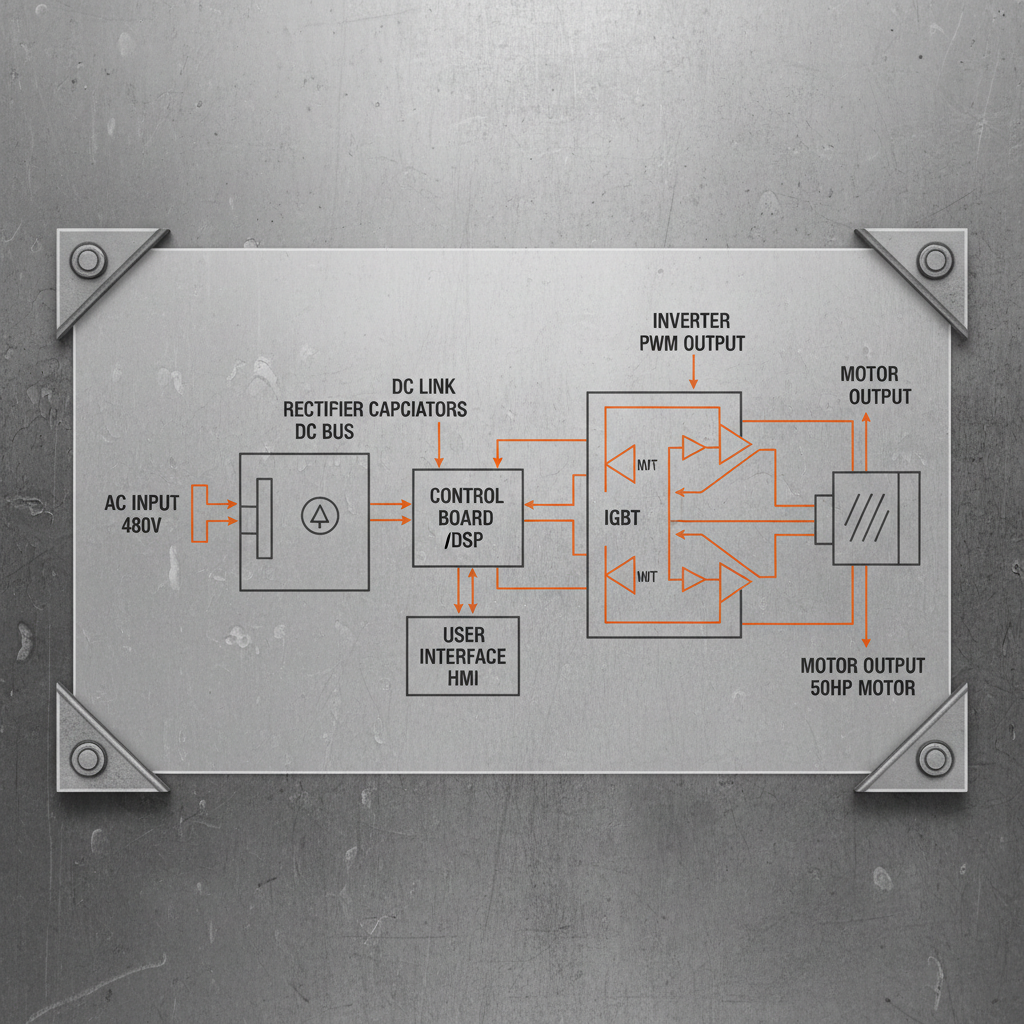
At its core, a vfd functions by converting incoming AC power to DC power, and then converting the DC power back to AC power with variable frequency and voltage. This process is achieved through a series of electronic components, including rectifiers, DC link capacitors, and inverters. The frequency of the output AC power directly determines the speed of the connected motor, while the voltage is adjusted to maintain a constant torque.
The key advantage of this approach is the ability to precisely control motor speed, unlike traditional methods that rely on mechanical adjustments or fixed-speed operation. This level of control translates into significant energy savings, as motors can operate at the optimal speed for a given application, avoiding wasteful overspeeding or underspeeding. Moreover, vfds offer advanced features such as soft starting and stopping, which reduce mechanical stress on the motor and connected equipment.
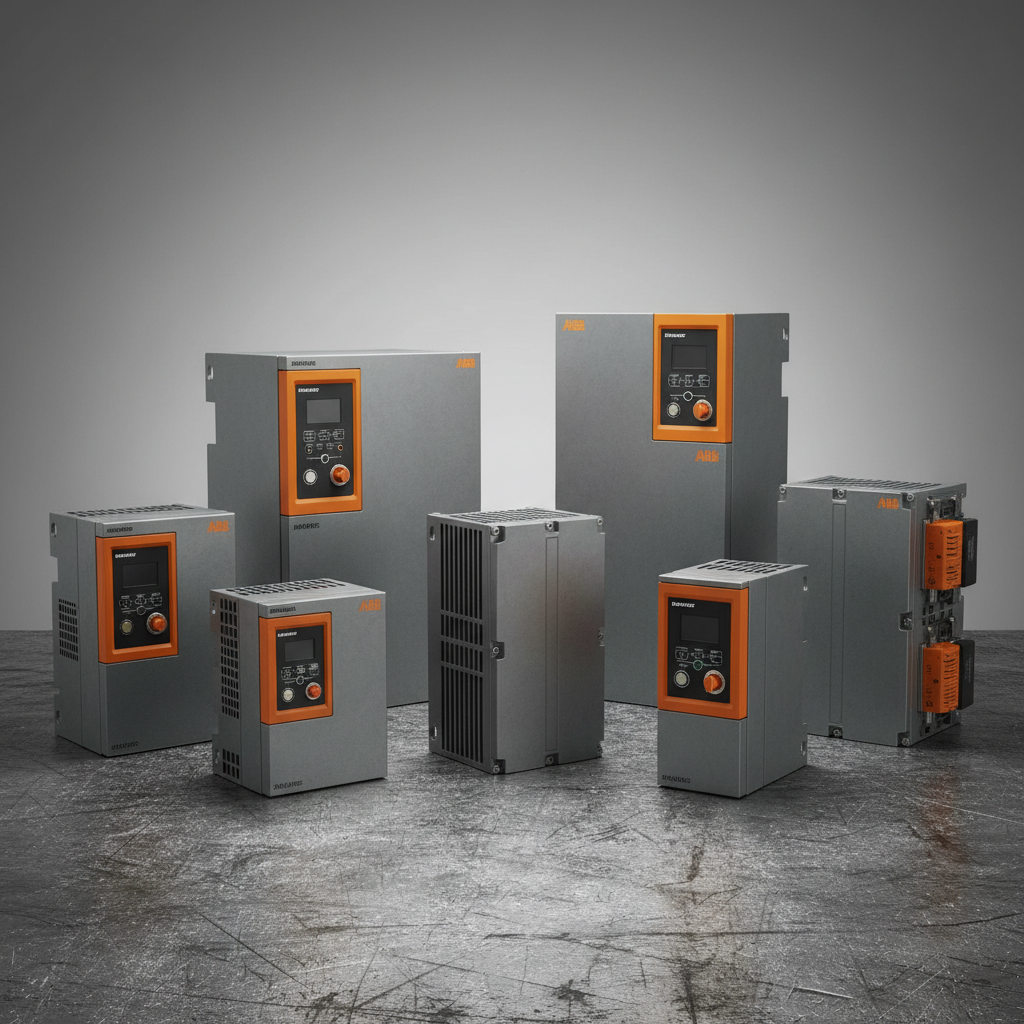
Modern vfds often incorporate sophisticated control algorithms and communication capabilities, allowing for remote monitoring, diagnostics, and integration with industrial automation systems. These advanced features enable predictive maintenance, optimized performance, and enhanced system reliability. The vfds offered by leading manufacturers typically include built-in protection features against overvoltage, overcurrent, and overheating, ensuring safe and reliable operation.
Key Factors Influencing vfd Performance
Several key factors determine the overall performance and suitability of a vfd for a specific application. These include the drive's power rating, voltage and current capabilities, switching frequency, and control algorithms. The power rating must be appropriately sized to match the motor's horsepower requirements, ensuring that the drive can deliver sufficient power without overheating or failing.
The switching frequency, measured in Hertz (Hz), affects the drive's efficiency and harmonic distortion. Higher switching frequencies generally result in lower harmonic distortion but can also reduce efficiency. Selecting the optimal switching frequency requires careful consideration of the application's specific requirements.
vfds Performance Metrics by Method
Global Applications and Real-World Use Cases
In the water and wastewater treatment industry, vfds are essential for controlling pumps and fans, optimizing flow rates and reducing energy consumption. Municipalities around the world are implementing vfds to improve the efficiency of their water treatment plants and reduce operating costs. Similarly, in the oil and gas sector, vfds are used to control compressors, pumps, and fans, ensuring reliable and efficient operation of critical infrastructure.
The mining industry also benefits significantly from vfds, utilizing them to control conveyors, crushers, and mills. By precisely controlling motor speed, vfds optimize material handling processes, reduce energy consumption, and improve overall productivity. Moreover, in renewable energy systems, vfds are vital for managing the output of wind turbines and solar inverters, ensuring grid stability and maximizing energy generation.
Advantages and Long-Term Value of vfds
The advantages of implementing vfds are multifaceted and extend beyond simple energy savings. Reduced energy consumption translates directly into lower operating costs, improving profitability and competitiveness. Furthermore, vfds enhance process control, leading to improved product quality and reduced waste. The ability to precisely control motor speed allows for optimized performance and reduced mechanical stress, extending the life of motors and connected equipment.
From a sustainability perspective, vfds contribute to a reduced carbon footprint by minimizing energy consumption and promoting energy efficiency. This aligns with growing environmental concerns and regulatory pressures, enhancing a company’s brand image and corporate social responsibility. The long-term value of vfds lies in their ability to deliver significant cost savings, improve operational efficiency, and contribute to a more sustainable future.
Future Trends and Innovations in vfds
The future of vfds is closely tied to advancements in power electronics, digital control algorithms, and industrial automation. We are seeing a growing trend towards more compact and efficient vfds, utilizing silicon carbide (SiC) and gallium nitride (GaN) power semiconductors. These materials offer higher switching frequencies, lower losses, and improved thermal performance, enabling the development of smaller, more powerful, and more efficient drives.
Another key trend is the integration of vfds with Industrial Internet of Things (IIoT) platforms, enabling remote monitoring, diagnostics, and predictive maintenance. This allows for proactive identification of potential issues, minimizing downtime and maximizing uptime. Furthermore, advancements in artificial intelligence (AI) and machine learning (ML) are being leveraged to optimize vfd control algorithms, further improving energy efficiency and performance.
The increasing demand for renewable energy integration is also driving innovation in vfd technology. Advanced grid support features, such as reactive power control and harmonic mitigation, are becoming increasingly important to ensure grid stability and reliability. The development of more sophisticated vfds will be crucial for enabling the widespread adoption of renewable energy sources and creating a more sustainable energy future.
Summary of vfd Implementation Challenges and Solutions
| Challenge |
Impact on vfds |
Proposed Solution |
Implementation Cost (1-10) |
| Harmonic Distortion |
Reduced Power Quality |
Employ harmonic filters or active front-end rectifiers |
7 |
| Motor Compatibility |
Potential motor overheating or damage |
Ensure vfd is correctly sized and rated for the motor |
6 |
| Electromagnetic Interference (EMI) |
Disruption of sensitive electronic equipment |
Proper grounding, shielding, and filtering |
8 |
| System Integration Complexity |
Difficulties in connecting vfd to existing systems |
Utilize standardized communication protocols and expert system integrators |
5 |
| Maintenance and Troubleshooting |
Requires specialized knowledge and equipment |
Regular preventative maintenance and training for personnel |
4 |
| Initial Investment Cost |
Can be significant, particularly for large-scale installations |
Life-cycle cost analysis demonstrating long-term ROI |
9 |
FAQS
vfds offer significant advantages over traditional motor control methods, such as mechanical dampers or throttling valves. These advantages include improved energy efficiency, precise speed control, reduced mechanical stress, enhanced process control, and extended equipment life. vfds allow motors to operate at the optimal speed for a given application, minimizing energy waste and maximizing performance.
Determining the correct size vfd requires careful consideration of the motor’s horsepower, voltage, current, and application requirements. It’s crucial to select a vfd with a power rating that is slightly higher than the motor’s nameplate rating to accommodate potential load variations and ensure reliable operation. Consulting with a qualified vfd specialist is recommended to ensure proper sizing and compatibility.
Harmonic distortion is a phenomenon caused by non-linear loads, such as vfds, injecting harmonic currents into the power system. These harmonics can degrade power quality, overheat transformers and conductors, and interfere with sensitive electronic equipment. vfds can mitigate harmonic distortion through the use of harmonic filters, active front-end rectifiers, or multi-pulse rectifiers.
Regular preventative maintenance is essential to ensure the reliable operation of a vfd. This includes inspecting and cleaning the drive's components, checking fan operation, verifying voltage and current levels, and testing the drive's protection features. It’s also important to monitor the drive’s performance and address any alarms or fault conditions promptly.
vfds save energy by allowing motors to operate at the precise speed required for a given application, eliminating wasteful overspeeding or underspeeding. This is particularly beneficial in applications with variable loads, such as pumps, fans, and compressors. By reducing energy consumption, vfds lower operating costs and contribute to a more sustainable industrial environment.
vfds operate with high voltages and currents, posing a potential electrical hazard. It’s crucial to disconnect the power supply before performing any maintenance or troubleshooting. Qualified personnel should only work with vfds, and appropriate personal protective equipment (PPE), such as insulated gloves and safety glasses, should be worn at all times.
Conclusion
In conclusion, vfds represent a cornerstone technology for modern industrial efficiency and sustainability. Their ability to precisely control motor speed, reduce energy consumption, and enhance system reliability makes them indispensable across a vast range of applications. The continued advancement of vfd technology, driven by innovations in power electronics and digital control, promises even greater performance and capabilities in the future.
Investing in vfds is not merely a cost-saving measure; it's a strategic decision that positions businesses for long-term success in an increasingly competitive and environmentally conscious world. We encourage you to explore the potential benefits of vfds for your specific applications and contact us at Tianjin Yongkai to learn more about our comprehensive vfd solutions.