Comprehensive Guide to 110v VFD Drive: Benefits, Applications & Future Trends
Understanding the 110v VFD Drive: Industrial Efficiency at a Smaller Scale
If you've ever tinkered with motors or worked in industrial automation, you might have come across the term 110v VFD drive. But what exactly is it, and why is this little gadget creating ripples beyond just the engineering community? In a world increasingly driven by energy efficiency and precise control, mastering how variable frequency drives work—especially at the 110-volt scale—matters more than ever.
Simply put, a 110v VFD (Variable Frequency Drive) controls the speed and torque of electric motors running on 110 volts, typically designed for smaller motors or specific industrial applications where this voltage is prevalent. Globally, industries that rely on motor-driven processes find that using VFDs translates to remarkable energy savings, improved process control, and less mechanical wear-and-tear. In fact, the International Organization for Standardization (ISO) highlights energy management as a top priority, where devices like variable frequency drives are key enablers.
Global Relevance & Industry Context
Across emerging markets and industrialized countries alike, the push for smarter manufacturing and sustainable resource use is urgent. According to the United Nations Sustainable Development Goals, achieving affordable and clean energy, alongside industry innovation, is crucial. The 110v VFD drive sits at the nexus of these efforts by enabling smaller industries and local manufacturers to optimize motor usage without pricey voltage conversions or complex infrastructure changes.
Consider regions where three-phase power isn't as widely available, or locations with smaller machinery running on 110V power supplies. Here, the 110v VFD drive helps solve the classic problem: how do you control motor speed efficiently without stepping up to complicated, high-voltage setups? It’s literally a bridge between traditional small-scale equipment and modern automation demands.
What is a 110v VFD Drive?
A 110v Variable Frequency Drive is an electronic device that adjusts the frequency and voltage supplied to an electric motor. This adjustment controls the motor's speed and torque, allowing operations to be more flexible and energy-efficient. Unlike fixed-speed motors that run at constant velocity (leading to wasted energy), VFDs enable customized speeds for varying workloads.
In modern industry, such devices help streamline processes—think conveyor belts running slower or faster as needed, pumps modulating flow rates, or fans adapting to environmental conditions. Interestingly, smaller VFD units running on 110 volts are also finding applications in humanitarian projects, like water supply pumps in off-grid rural communities, where reliable power and cost efficiency are critical.
Core Components and Key Factors
1. Durability
110v VFD drives are often built to withstand demanding environments. Whether dust, moisture, or temperature extremes, these units have rugged casings and internal components designed for longevity. This robustness is crucial when deployed on-site where maintenance can be infrequent.
2. Scalability
One thing I find neat is how easily these drives scale: small machines and equipment fitted with 110v VFDs can seamlessly link into larger automated systems. This flexibility keeps initial setup costs low, which matters for small to medium enterprises (SMEs) trying to modernize without massive investments.
3. Cost-Efficiency
Using a 110v VFD can reduce electricity bills by cutting motor energy consumption during lower-demand periods. Many industry reports, such as those compiled by the U.S. Department of Energy, suggest savings up to 30% in motor-driven equipment. Also, minimizing mechanical stress leads to fewer repairs and longer machine lifespans.
4. Ease of Installation and Use
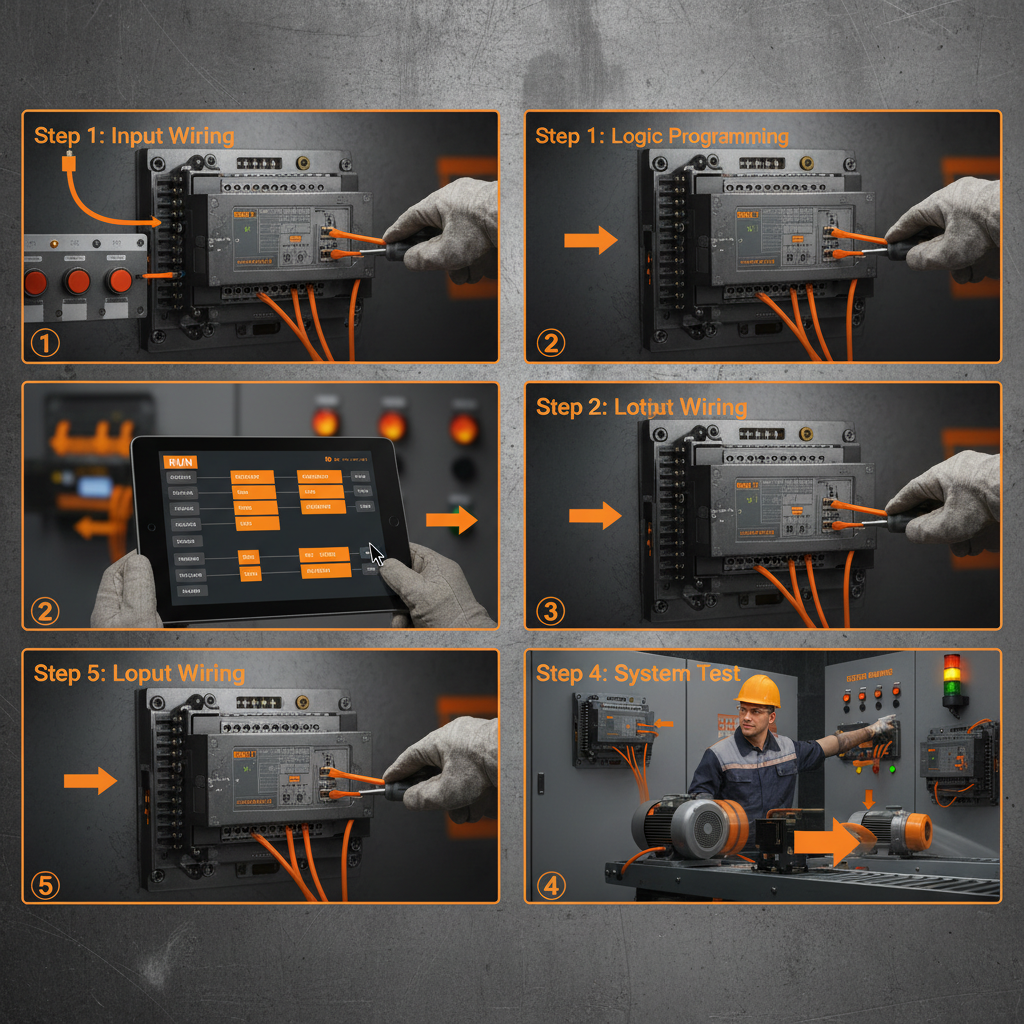
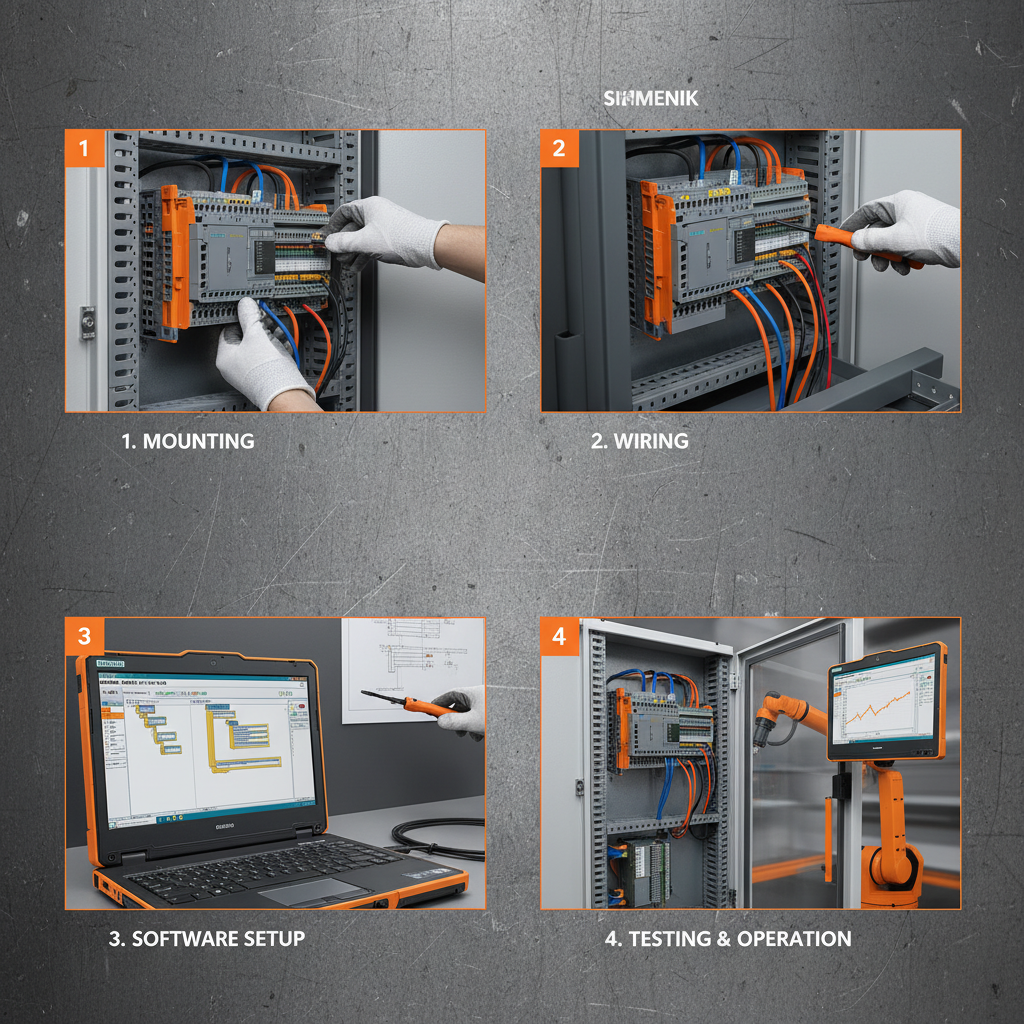
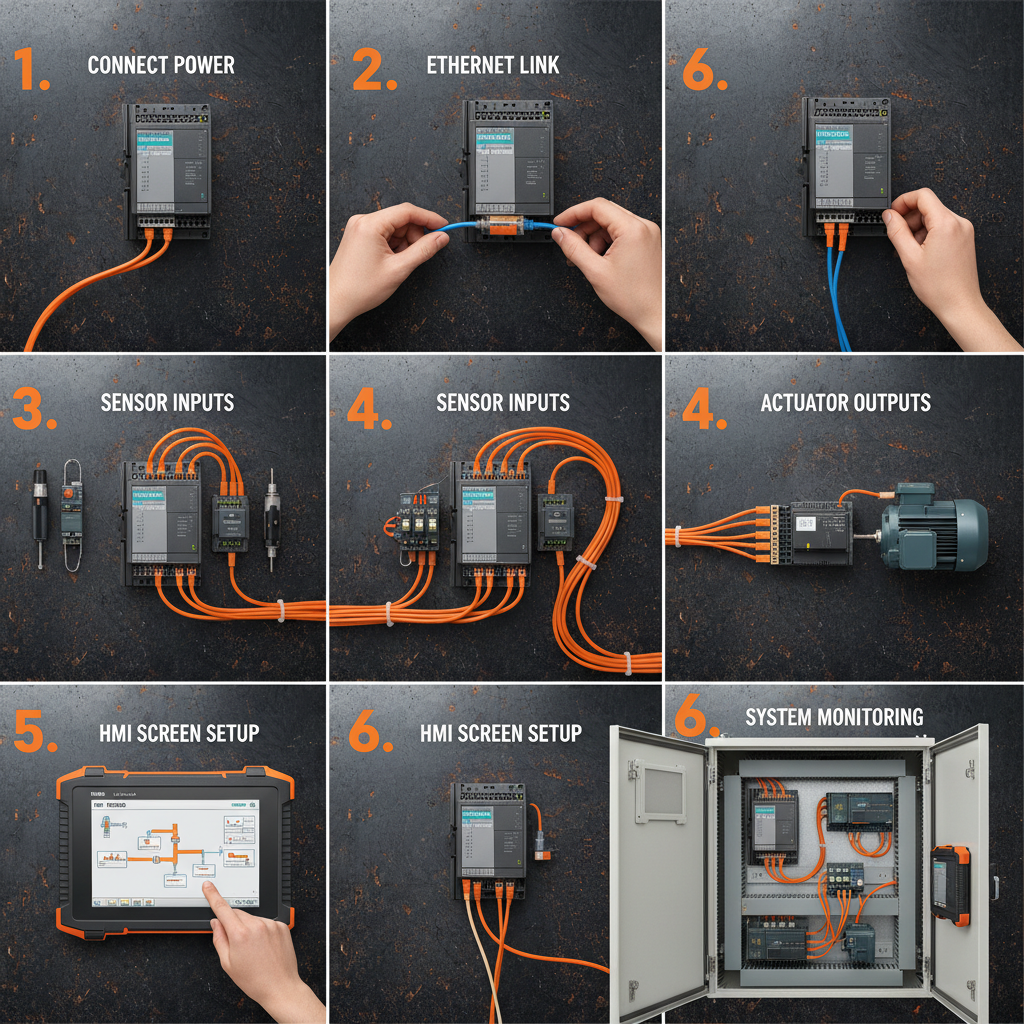
These drives generally come with straightforward wiring, especially given their lower voltage rating. They often support user-friendly interfaces or basic programming modes, which means you don’t need to be an automation guru to get started.
5. Safety Features
Electric safety is paramount, particularly when working with voltages accessible in commercial or residential environments. 110v models usually integrate protective functions like overload trip, overcurrent protection, and fault diagnostics, helping prevent damage and accidents.
Technical Specifications Snapshot
| Specification | Details |
|---|---|
| Input Voltage | 110V AC |
| Output Frequency Range | 0 to 400 Hz |
| Power Rating | 0.1 kW to 2.2 kW (typical) |
| Control Type | Vector Control / V/F Control |
| Protection Features | Overload, Short-Circuit, Overvoltage |
Global Applications & Use Cases
Oddly enough, the 110v VFD isn’t just an industrial gadget tucked away in factories. It serves real purposes across diverse regions:
- Small-Scale Manufacturing: In Southeast Asia and parts of Latin America, workshops crafting textiles, food products, or small machinery rely on affordable 110v VFDs to gain precise motor control.
- Water Management in Rural Areas: Pumps running on low-voltage supplies controlled via 110v VFDs help regulate irrigation and potable water systems, enhancing water conservation and reliability.
- HVAC Systems in Commercial Buildings: Variable speed fans and compressors using these drives reduce energy consumption notably during off-peak hours.
- Post-Disaster Relief Operations: Portable equipment with 110v VFDs can be deployed where infrastructure is limited, allowing for efficient operation on standard generators.
Vendor Comparison: Popular 110v VFD Drives
| Vendor | Power Range | Features | Price Range | Warranty |
|---|---|---|---|---|
| Brand A | 0.1–2 kW | Built-in PID, LCD display, IP20 | $120–$250 | 2 years |
| Brand B | 0.2–2.2 kW | Modbus protocol, compact design | $150–$280 | 1.5 years |
| Brand C | 0.1–1.5 kW | Overheat protection, easy programming | $100–$200 | 3 years |
Advantages & Long-Term Value
For businesses, installing a 110v VFD drive isn't just a capital expenditure; it’s a strategic investment. The clearer control leads to lower electricity use, which matters given rising energy costs worldwide and environmental regulations tightening. And frankly, it just works better — smoother startups reduce mechanical strain, cutting downtime.
On a deeper level, these drives promote safer working conditions, encouraging innovation and fostering trust between employers and workers. When equipment runs reliably, the pacing of operations improves, which can enhance worker dignity—no abrupt stops or dangerous surges. So yes, the best kind of tech makes life easier in subtle, humane ways.
Future Trends & Innovations
Looking ahead, the evolution of 110v VFD drives ties closely with digital transformation and green technologies. More drives are coming with IoT connectivity, allowing remote diagnostics and energy monitoring that can optimize system performance dynamically.
Material science breakthroughs yield components that handle heat better and last longer, while software algorithms are improving for more adaptive, energy-saving motor control. Additionally, governments are incentivizing the use of energy-efficient technologies, further accelerating the adoption of devices like the 110v VFD drive.
Challenges & Solutions
Of course, no tech is perfect. Some hurdles remain, such as electromagnetic interference from VFDs affecting other devices if not properly filtered. Also, users sometimes encounter mismatches in motor and drive ratings, leading to inefficiencies or failures.
Experts suggest rigorous installation guidelines and investing in proper training as straightforward solutions. Moreover, manufacturers increasingly bundle advanced filtering and smart error diagnostics into their 110v VFD models, which simplifies deployment.
FAQ: Frequently Asked Questions About 110v VFD Drive
- What kind of motors work best with a 110v VFD drive?
Typically, single-phase or small three-phase motors compatible with 110V power supply can be controlled. Ensure the motor specifications match the drive’s power rating for best results. - Can a 110v VFD drive improve energy efficiency significantly?
Yes, by adjusting motor speed to actual load requirements rather than running at full speed constantly, VFDs often reduce energy consumption by up to 30%, which is substantial over time. - Is installation complicated for someone new to VFDs?
Generally, 110v VFD drives are designed for ease of installation and basic programming. Still, it’s wise to consult manuals or professionals to avoid common pitfalls like incorrect wiring or parameter settings. - Are 110v VFD drives suitable for outdoor use?
Depends on the IP rating and enclosure. Many models require protective casings for harsh environments, so check for specific ratings like IP54 or IP65 if outdoor deployment is planned. - How do I choose between different 110v VFD brands?
Consider factors like power range, control features, warranty, and customer service. Product comparison tables (like the one above) can be a handy starting point before making your choice.
Conclusion: Embracing the Power of 110v VFD Drives
To wrap it up, the 110v VFD drive represents a blend of efficiency, scalability, and practical innovation across various industries worldwide. From powering local factories to helping remote communities, these drives are quietly but fundamentally changing how we think about motor control. Curious to explore the latest models or need expert guidance? Visit our website: 110v vfd drive and take a step towards smarter automation today.
In my experience, embracing small-scale yet powerful technologies like the 110v VFD often leads to outsized benefits—energy savings, smoother operations, and a world that runs a bit cleaner. It’s one of those unsung heroes of modern industry.
Mini takeaway: The 110v VFD drive is a game-changer for small motor applications globally, offering efficient control, cost savings, and versatile deployment options.
References: