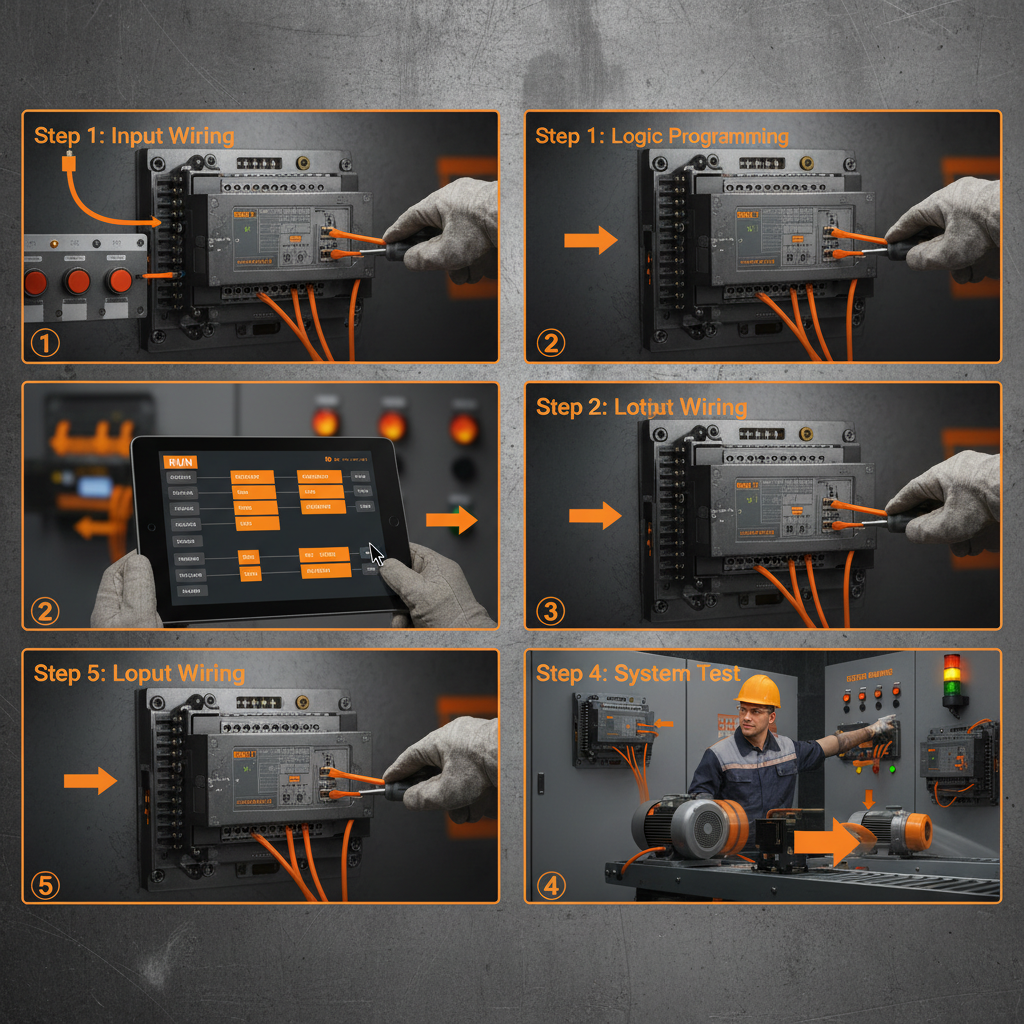
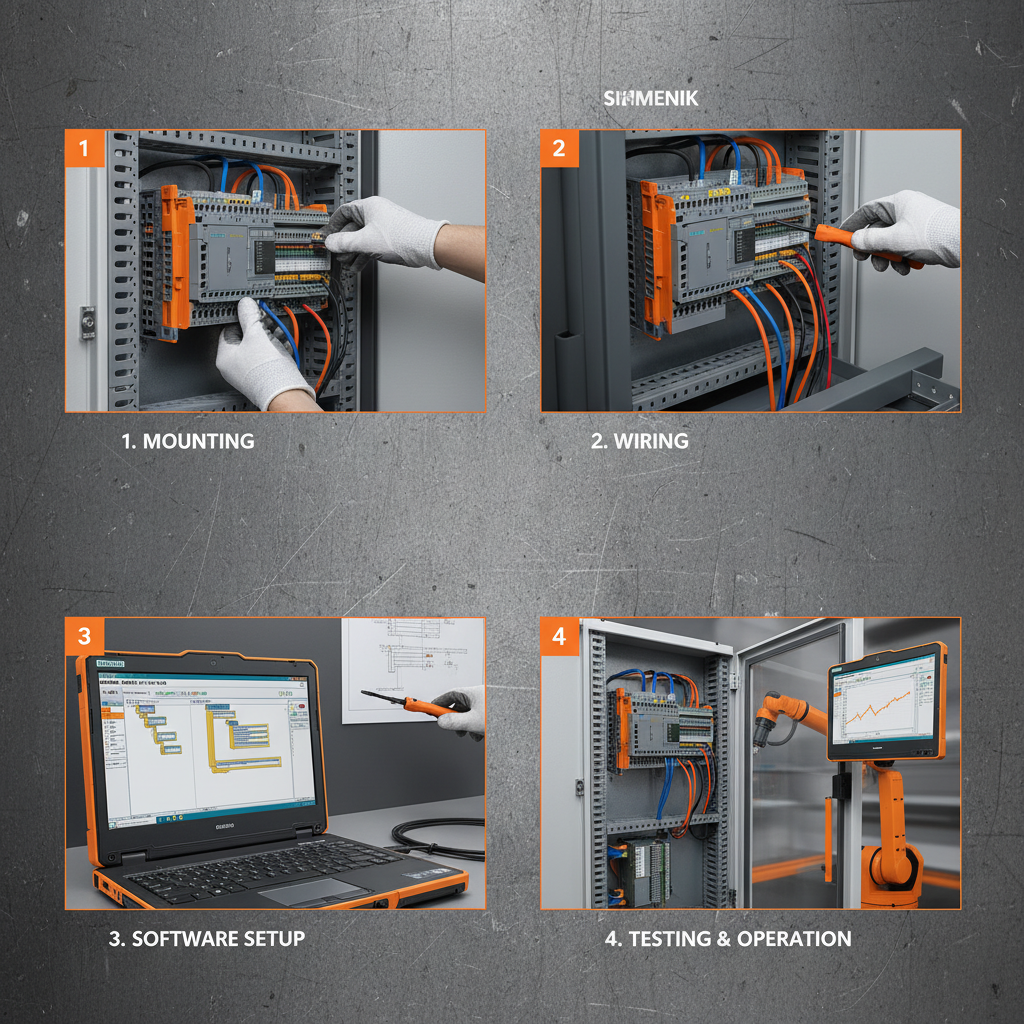
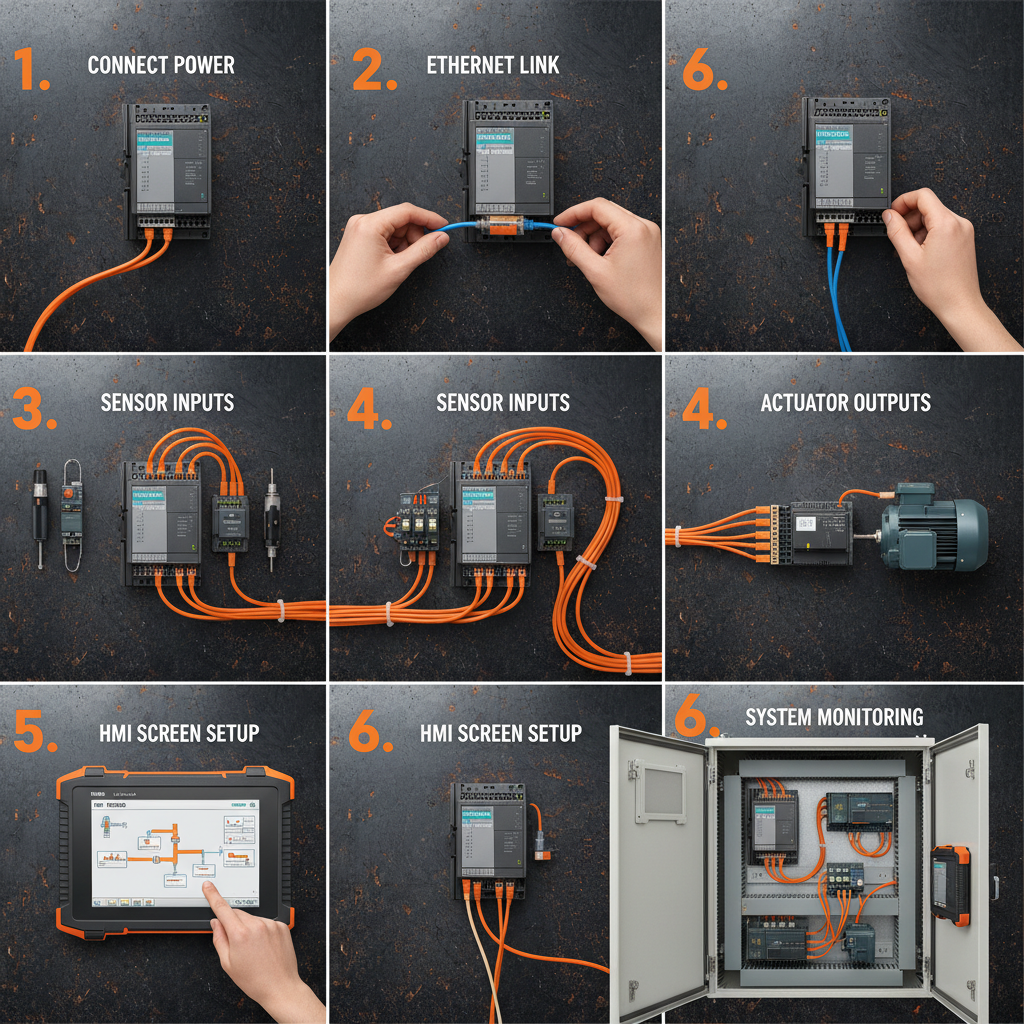
Efficient and Reliable 220V VFD Single Phase Drives for Small Motors
The Rise of the 220V VFD Single Phase Drive: Why It Matters Today
If you’ve ever wondered how industries keep their electric motors humming smoothly and efficiently with just a single-phase power connection, chances are, the 220v VFD single phase is involved somewhere behind the scenes. Variable Frequency Drives (VFDs) running on a 220-volt single-phase supply might sound niche, but in real terms, they’re quietly reshaping how small to medium businesses—and even humanitarian efforts—manage energy and motor control. It’s a tech that strikes an interesting balance between power quality, control, and cost.
Understanding this technology has more than technical merit; it's a global matter of better resource management, energy efficiency, and machine longevity. That’s why today, with the world pushing toward smarter, greener industry and infrastructure, knowing the ins and outs of the 220v VFD single phase is well worth your time.
Global Context: Why 220V VFD Single Phase Drives Are More Relevant Than Ever
If you look around the world’s power infrastructure, you’ll notice that single-phase supplies, especially at 220 volts, dominate residential and small commercial sectors, especially outside major industrial hubs. According to recent data from the International Energy Agency (IEA), nearly 40% of global electricity consumption is in smaller-scale applications where single-phase power is the norm. This trend is particularly pronounced in developing regions and emerging markets.
But here’s the catch: standard motors running directly on single-phase 220V supply often lack efficiency and fine control. That’s where VFDs enter — they adjust motor speeds, reduce energy waste, and lower mechanical stress. This is huge not only for saving money but also for reducing carbon footprints worldwide, an objective echoed by most international sustainability protocols (like the ISO 50001 energy management standard).
In summary: the 220v VFD single phase is bridging an important gap between limited power infrastructure and modern operational needs.
What Exactly Is a 220v VFD Single Phase?
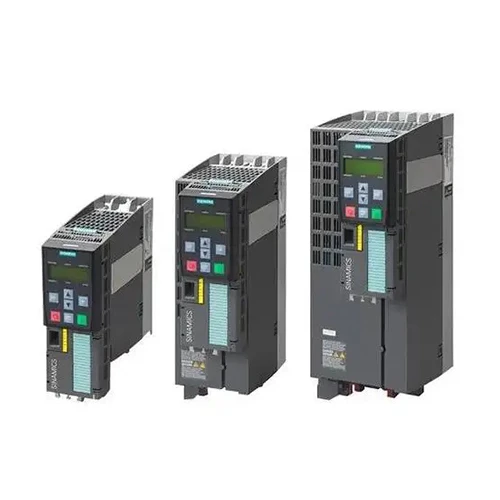
Let’s break it down. A “Variable Frequency Drive” (VFD) is an electronic controller that adjusts the speed and torque of electric motors by varying the input frequency and voltage. The "220v" tag refers to the standard single-phase power supply, common in many households and small businesses worldwide.
Instead of motors running at full speed constantly, a 220v VFD single phase system allows them to run exactly as fast as needed, on-demand — which can be critical for machinery in factories, HVAC systems, water pumps, or even agricultural equipment. Frankly, it feels like the difference between driving your car only as fast as the road requires rather than flooring the accelerator all the time.
Core Components of a 220V VFD Single Phase Drive
1. Input Rectifier and Filter
This converts the 220V AC into DC voltage, prepping it so the rest of the VFD can operate. In single-phase systems, smoothing is critical because the power waveform isn’t as stable as three-phase.
2. DC Bus
Operating like a reservoir, this component holds the direct current necessary for modulation and ensures stable output despite fluctuations in input.
3. Inverter Unit
The real star, it modulates the DC back into a variable AC output with adjustable frequency and voltage to control motor speed precisely.
4. Control Circuitry
This includes both software and hardware logic that monitors motor conditions and user commands, making the system responsive.
5. User Interface
Simple buttons, digital displays, or even smartphone apps allow the operator to control and program the VFD settings.
Mini takeaway: Despite their complexity, 220v VFD single phase drives are elegant solutions designed to optimize performance where industrial three-phase power isn’t available or practical.
How Are 220V VFD Single Phase Drives Used Globally?
Let’s look at some real-world applications. Oddly enough, you’ll find these drives everywhere from remote agricultural operations in Southeast Asia to urban water treatment plants in Southern Europe.
- Small & Medium Manufacturing Units: These drives reduce energy costs by managing conveyor belts, mixers, and fans more effectively.
- HVAC Systems in Residential & Commercial Buildings: Controlling pumps and compressors leads to better climate control and lower bills.
- Off-Grid and Disaster Relief Operations: In places where power is inconsistent, such as post-disaster zones, 220v single-phase VFDs help extend equipment life and maintain critical systems.
- Agriculture: Automated irrigation pumps benefit from precise control without needing expensive three-phase power setups.
Many NGOs and local businesses rely heavily on such drives for their cost effectiveness and ease of installation. I noticed, for example, a Southeast Asian water cooperative that reduced its energy consumption by nearly 20% after adopting VFDs—proof that these devices aren’t just abstract tech but real world-savers.
Advantages and Long-Term Value of 220V VFD Single Phase Systems
Why should you care? Here’s the deal:
- Energy Efficiency: By controlling motor speed, you avoid unnecessary power wastage.
- Prolonged Equipment Life: Avoiding full-speed starts reduces wear and tear, lowering maintenance and replacement costs.
- Lower Operational Costs: Efficiency and less downtime translate to better ROI.
- Environmental Benefits: Want to cut carbon emissions? These drives are small but impactful contributors.
- Improved Process Control: Precision leads to better output quality in manufacturing or smoother water supply.
Plus, on an emotional level, it’s reassuring to have machines that respect your investment—not wasting power, not breaking down constantly, and giving you peace of mind. It feels kind of like having a reliable employee who just quietly does the right thing every time.
Specifications at a Glance: Typical 220V VFD Single Phase Driving an Induction Motor
| Parameter | Typical Value | Notes |
|---|---|---|
| Input Voltage | 220V ±10% AC | Single phase, 50/60 Hz |
| Output Frequency Range | 0.1 Hz to 400 Hz | Adjustable for speed control |
| Output Voltage | 0 to 220 V AC | Matching the input voltage |
| Max Motor Power | 2 HP (1.5 kW) | Typical for small industrial motors |
| Control Interface | Keypad + LCD / Optional Communication Modbus | Some models offer smartphone compatibility |
| Protection Features | Over-current, Over-voltage, Overheat | Ensures durability and safety |
Comparing Leading Vendors of 220V VFD Single Phase Units
| Vendor Name | Product Range (HP) | Key Features | Price Range (USD) | Warranty |
|---|---|---|---|---|
| Delta Electronics | 0.5 – 3 HP | Compact, energy-saving, easy setup | $120 - $250 | 3 Years |
| Yaskawa | 0.75 – 5 HP | Robust design, extensive diagnostics | $200 - $400 | 5 Years |
| Siemens | 0.5 – 3 HP | Integration with industrial automation | $220 - $350 | 4 Years |
| Local OEMs (various) | Up to 2 HP | Cost-effective, basic features | $80 - $150 | 1-2 Years |
Emerging Trends & Innovations in the 220V VFD Single Phase Space
There’s a growing shift toward integrating 220V VFD single-phase units with digital platforms for remote monitoring and predictive maintenance. Imagine a pump you can troubleshoot halfway across the globe, or a motor whose performance is tracked via cloud analytics — suddenly, these small drives are part of the broader Industry 4.0 revolution.
On the green side, manufacturers are experimenting with components that reduce harmonic distortion, improving power quality significantly. Another exciting direction is the increased focus on plug-and-play designs that enable rapid deployment in off-grid or emergency contexts — quite useful when standard power infrastructure is unreliable or absent.
Challenges & Practical Solutions When Dealing With 220V VFD Single Phase Drives
In practice, single-phase VFDs can face some hurdles:
- Input Harmonics and Voltage Fluctuations: Which may stress the drive and affect motor life.
- Limited Power Capacity: Single-phase systems generally can’t handle very high horsepower loads.
- Heat Dissipation: Compact drives can run hot in continuous operation.
To tackle these, engineers recommend installing proper line reactors or filters to reduce harmonics, choosing drives with built-in thermal protection, and considering hybrid power designs for heavy loads. In short, matching your solution intelligently to application demands pays off in reliability and total cost of ownership.
FAQ: Your Practical Questions About 220V VFD Single Phase Answered
Q1: Can I use a 220V VFD single phase drive with a three-phase motor?
A1: Yes, many single-phase VFDs are designed to power three-phase motors by converting single-phase input into a three-phase output, but motor size is often limited to lower horsepower ratings. Confirm compatibility with the vendor specs to avoid undersized or overheating motors.
Q2: How much can I expect to save on energy using a 220V VFD single phase?
A2: Savings vary widely depending on usage, but average reductions in electricity consumption from 10-30% are common, especially in variable load applications such as pumps or fans. Long-term savings also come from reduced mechanical wear.
Q3: Are 220V single-phase VFDs easy to install and configure?
A3: Generally yes. Most models come with step-by-step manuals and basic keypad interfaces. Some newer models feature app-based controls, making setup more intuitive, even if you don’t have specialized training.
Q4: What are common maintenance tips for these drives?
A4: Keep ventilation pathways clear, regularly check for dust or moisture ingress, ensure correct wiring, and monitor load conditions to avoid overstressing the hardware.
Conclusion: Why Now Is the Time to Consider 220V VFD Single Phase Solutions
All said and done, the 220v VFD single phase sits squarely at the crossroads of practical engineering and pressing global needs. Whether you’re managing a remote pump station, upgrading a small manufacturing line, or supporting emergency infrastructure, these drives offer a flexible, cost-effective way to make your motors smarter and your energy use leaner.
For those curious to dive deeper or ready to take the leap, don't hesitate to explore 220v VFD single phase options that fit your precise needs. After all, smarter power solutions today shape a more reliable tomorrow.