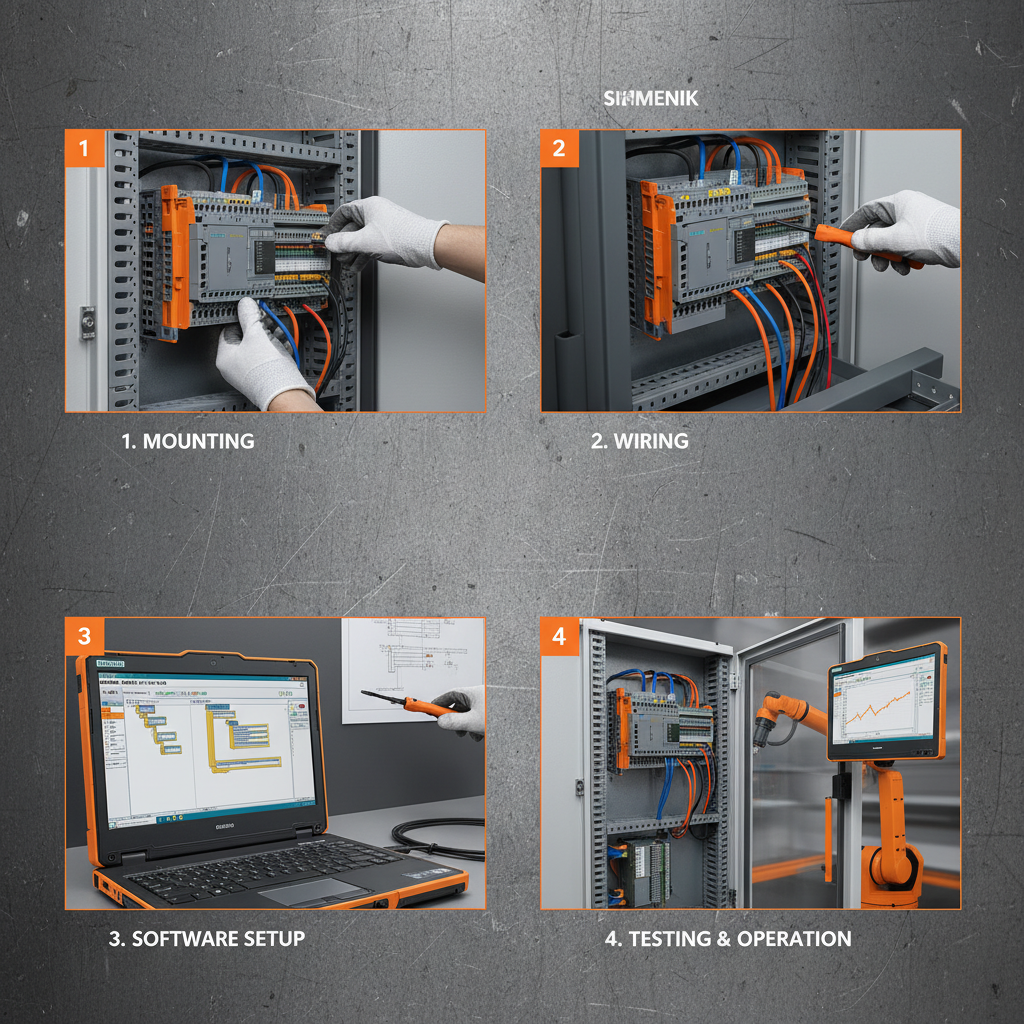
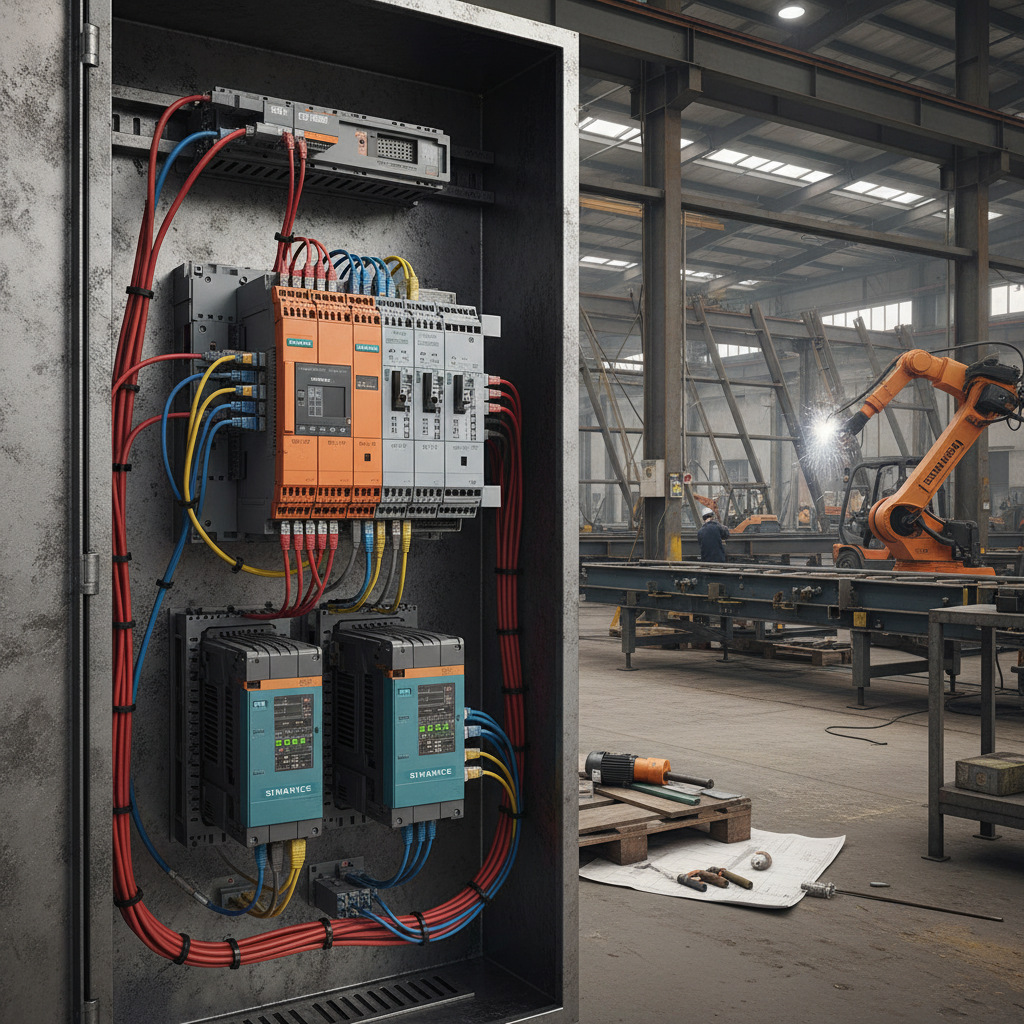
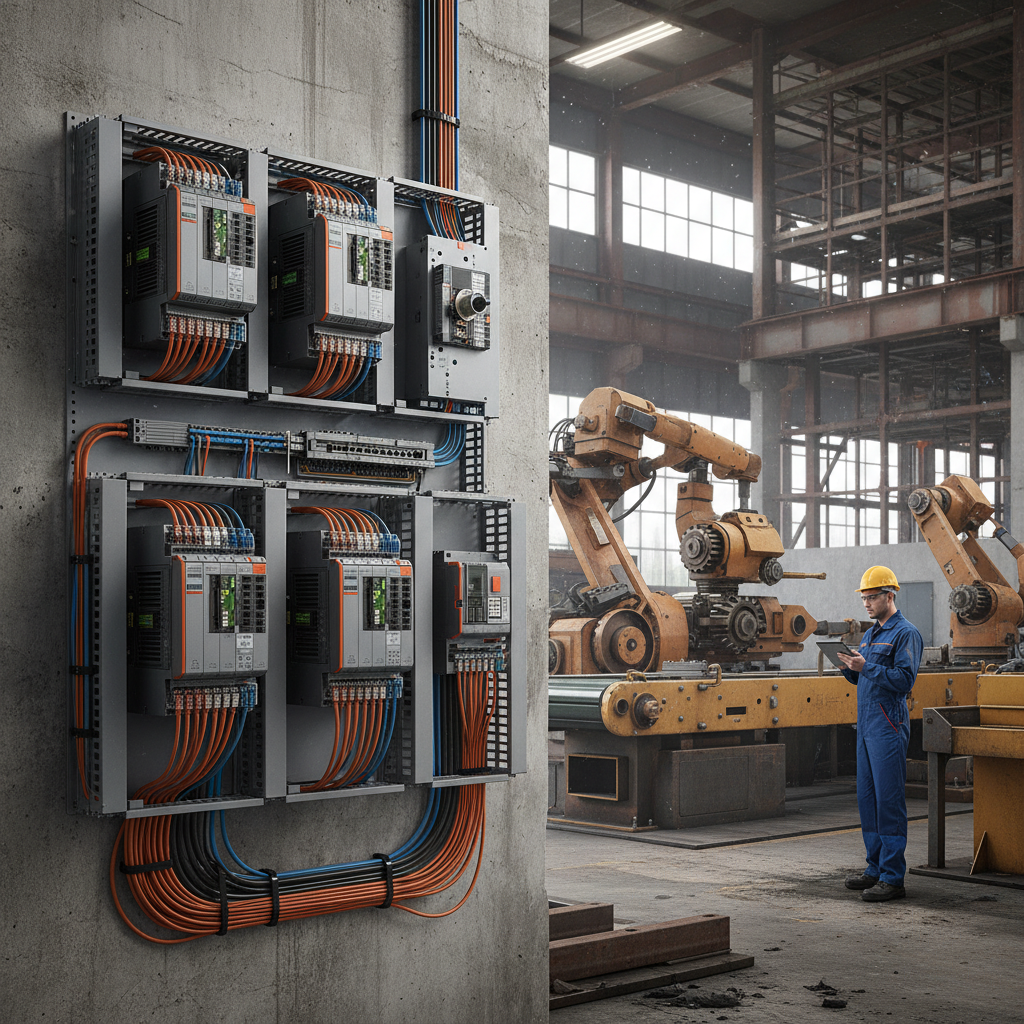
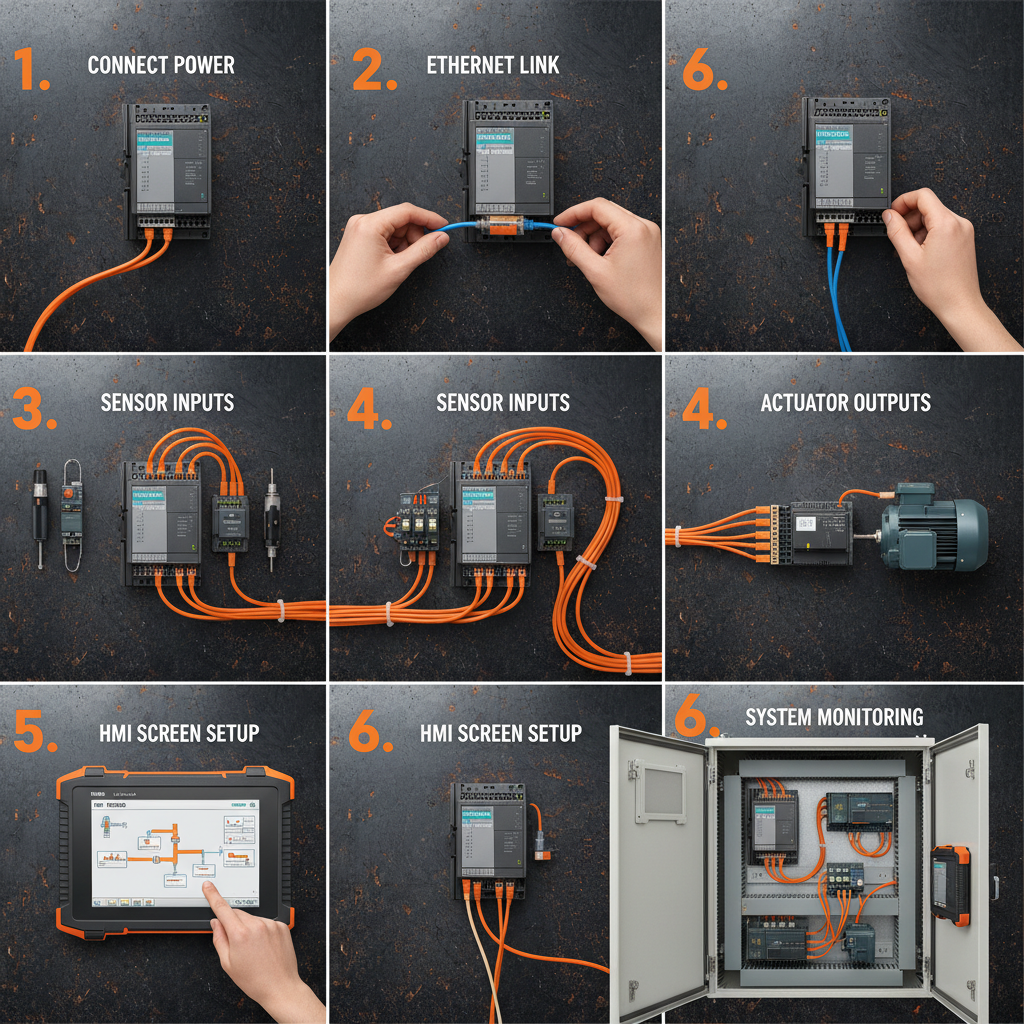
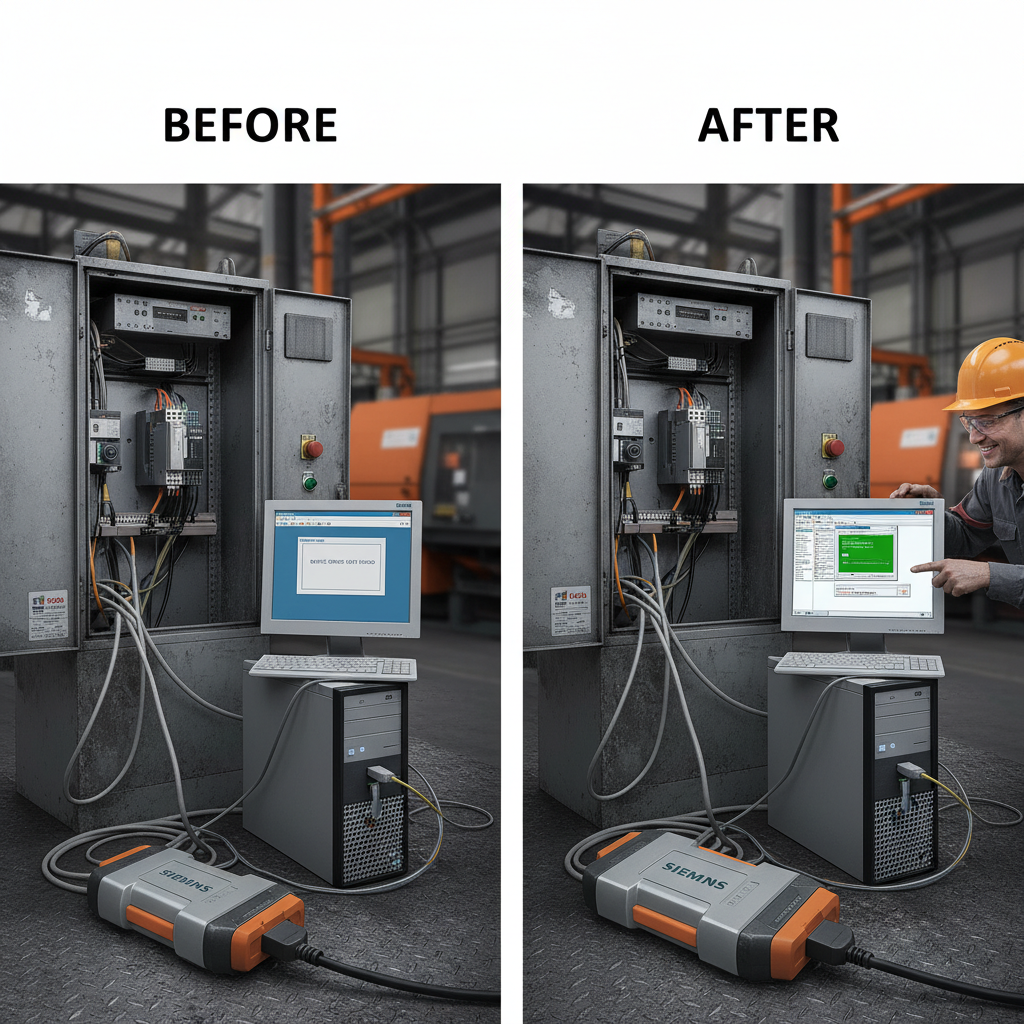
Efficient VFD Single Phase to Three Phase 10 HP Drives for Modern Industrial Needs
The Rise of VFD Single Phase to Three Phase 10 HP Systems: Why It Matters
At first glance, the phrase vfd single phase to three phase 10 hp might sound like cryptic engineer-speak, but it’s actually a quietly revolutionary solution that helps industries and communities around the globe. As power systems evolve, especially in remote and developing areas, the ability to convert single-phase power to three-phase with a variable frequency drive (VFD) for 10 horsepower motors opens doors to energy efficiency, cost savings, and operational flexibility.
Globally, many manufacturing plants, farms, and infrastructures struggle with the limitations of single-phase power, often depending on diesel generators or inefficient conversion systems. By understanding how these VFD-driven converters work, stakeholders from engineers to NGO project managers can harness existing power sources better — a crucial step for energy-conscious, cost-effective development.
Mini takeaway: This technology isn’t just an electrical upgrade; it’s a bridge enabling industries to tap into three-phase motor advantages, even where only single-phase power is available.
Global Context: Why Is This Conversion So Relevant Today?
According to the International Energy Agency (IEA), roughly 40% of rural areas worldwide still rely on single-phase power due to the high costs and infrastructure demands of three-phase distribution. Meanwhile, industry standards from the ISO emphasize energy-efficient motor controls to reduce carbon emissions and operational costs. The challenge? Many industries face motor power demands that only three-phase motors can meet efficiently — yet only single-phase power grids exist locally.
This mismatch is particularly problematic in developing regions, agricultural hubs, and even disaster relief sites, where robust motor-driven machinery is vital but power sources are limited. Here, VFD single phase to three phase 10 hp units become game-changers. They allow users to convert existing power without extensive grid upgrades or expensive generators.
Oddly enough, this might sound niche, but the ripple effects touch everything from food production to water treatment plants in remote zones. And as global industries push for sustainability, efficient motor control via VFDs is increasingly indispensable.
Mini takeaway: Enabling three-phase motor operation from single-phase power grids is both an economic and ecological infrastructure priority worldwide.
What Exactly Is "VFD Single Phase to Three Phase 10 HP"?
Put simply, a VFD single phase to three phase 10 hp refers to a variable frequency drive designed to take single-phase power input and output stable three-phase power suitable for a 10-horsepower motor.
Variable Frequency Drives regulate motor speed and torque by varying power frequency and voltage. The “single phase to three phase” part means this VFD accepts a single-phase input power source (often residential or rural power systems) and electronically converts it into a balanced three-phase power output — essential for running industrial motors smoothly and efficiently.
Why 10 HP? Well, 10 horsepower motors represent a common horsepower rating in pumps, conveyors, compressors, and other industrial gear. This size often hits a sweet spot for small and medium industrial setups.
In humanitarian or industrial aid settings, harnessing this tech means large motors can run off smaller grids or portable power sources — a huge operational boost without upgrading entire power networks.
Mini takeaway: This VFD type transforms limited power availability into robust industrial motor operation, all while allowing precise motor control.
Core Components and Factors to Consider
1. Power Handling and Input Compatibility
The VFD must reliably accept single-phase power input at common voltages (often 220–240 V) and output clean three-phase power without excessive harmonics or voltage imbalances.
2. Motor Protection Features
Overcurrent, overvoltage, and thermal protections are standard to keep both the drive and the motor safe during fluctuating load or power quality dips.
3. Efficiency and Energy Savings
Variable frequency control reduces motor energy consumption by matching speed to load demand instead of running motors at fixed speeds.
4. Scalability and Flexibility
Some models allow parameter tuning, integration with PLCs (programmable logic controllers), and remote monitoring — making them future-proof as industrial automation grows.
5. Size and Installation Footprint
Compact designs ease retrofitting in tight motor control panels or mobile equipment cases.
6. Price and Support
Cost-effectiveness can be decisive. Some suppliers offer turnkey packages with installation support, training, and spare parts — key for first-time users or remote operations.
| Feature | Specification |
|---|---|
| Input Voltage | 220-240 VAC Single Phase |
| Output Voltage | 3-phase, 220-240 VAC |
| Max Motor Power | 10 HP (7.5 kW) |
| Frequency Range | 0.1–400 Hz |
| Protection | Overcurrent, Overvoltage, Thermal Overload |
| Control Interface | Digital Keypad, Remote PLC Compatible |
| Dimensions | Approx. 300 x 180 x 120 mm |
| Weight | 4.2 kg |
Mini takeaway: The blend of robust electrical specs and user-friendly features makes these VFDs versatile workhorses for various applications.
Real-World Applications Around the World
In India, for example, many agricultural operations rely on single-phase rural electrification. A 10 HP VFD converting single-phase to three-phase powers irrigation pumps more efficiency — increasing crop yields and reducing diesel fuel use for generators.
In South America’s remote mining sites, the technology lets operators run conveyor belts and compressors without costly three-phase power extensions.
Even in humanitarian contexts, portable VFDs help power water purification pumps after natural disasters, turning limited power sources into dependable industrial-grade output.
Moreover, small manufacturing units in Eastern Europe retrofit single-phase inputs to drive three-phase motors, enabling local industry modernization without massive infrastructure investments.
Vendor Comparison: Key Players in the Market
| Vendor | Price Range | Support Services | Warranty | Special Features |
|---|---|---|---|---|
| KaiDrive Electronics | $600–$800 | Remote diagnostics, on-site installation | 3 Years | Energy-saving algorithm optimization |
| Global Drive Tech | $550–$750 | 24/7 tech support, training webinars | 2 Years | Compact size, plug & play design |
| EcoVolt Solutions | $650–$900 | Installation kits, extended warranty plans | 5 Years | Built-in harmonic filters, IoT-ready |
Mini takeaway: Choosing a supplier depends as much on service and warranty as on upfront price — something users often discover after installation.
Advantages and Long-Term Benefits
- Cost Savings: Reduces need for expensive three-phase grid upgrades or diesel generators.
- Energy Efficiency: VFD speed control conserves power and reduces wear on motors.
- Improved Equipment Life: Soft start capabilities decrease mechanical stress.
- Increased Productivity: Enables precise motor speed for diverse tasks and better process control.
- Environmental Impact: Fewer fossil-fuel generators needed, promoting sustainability.
- Safety and Reliability: Overload and fault protection minimize downtime — critical in industrial and humanitarian operations.
Frankly, it feels like a dependable partner for businesses big and small — a way to “stretch” electrical capacity intelligently with tech that keeps evolving.
Future Trends and Innovations
Looking forward, integration with smart grids and IoT is becoming a major trend. VFDs are increasingly designed to provide real-time analytics on motor health, energy usage, and predictive maintenance, cutting unexpected breakdown risks.
With rising clean energy adoption, some VFD units now handle input from solar or wind sources — ensuring flexible, sustainable power conversion. Manufacturers are also exploring silicon carbide (SiC) components for smaller, lighter, but more efficient drives.
Overall, the march toward greener, more automated industrial power control feels inevitable — driven by both policy pressure and end-user demand.
Challenges and Solutions
Of course, no tech is without caveats. The main challenges with these VFDs are:
- Initial Cost: Despite saving money long term, upfront investment can deter budget-conscious users.
- Complexity: Installation and parameter settings require technical know-how, which not all users have.
- Power Quality Sensitivity: Single phase input fluctuations can cause performance hiccups.
Innovative vendors address these through packaged training, robust after-sales support, and integrated filters that stabilize input quality. Plus, manufacturers like KaiDrive are pioneering plug-and-play models that simplify deployment drastically.
FAQ: Your Top Questions on VFD Single Phase to Three Phase 10 HP
- 1. Can a VFD single phase to three phase 10 hp run any three-phase motor?
- Most are designed for standard three-phase motors up to 10 HP, but matching motor voltage and frequency ratings is crucial. Always consult the VFD specs and motor datasheet to avoid incompatibility.
- 2. How much energy can I realistically save?
- Variable speed control can reduce motor energy consumption by 20–40% depending on load variability. That’s significant for pumps or conveyors running long hours.
- 3. Are these devices suitable for outdoor or harsh environments?
- Many come with IP54 or better enclosures, but for extremely harsh or dusty conditions, additional protective enclosures or cooling might be needed.
- 4. Can I monitor the VFD remotely?
- Some advanced units include communication protocols (Modbus, Ethernet/IP) for integration with industrial control systems or IoT platforms, enabling remote monitoring.
- 5. How do I select the right model?
- Consider your input power specs, motor requirements, environment, and if automation integration is needed. Consulting a vendor technical rep can save headaches.
Wrapping Up: Power Conversion for a Smarter Tomorrow
At the end of the day, vfd single phase to three phase 10 hp solutions are quietly empowering a world hungry for efficient, flexible power. From farms in rural India to disaster zones needing water pumps, this tech frees users from the constraints of imperfect grid infrastructures. It’s an enabler, a cost saver, and a sustainable step forward.
I suggest you explore options yourself — and yes, if you’re hunting for reliable units, don’t miss vfd single phase to three phase 10 hp providers who combine quality with support. Because in real applications, it’s not just the specs on paper but service and durability that count.
Keep an eye on future developments — soon, these drives will be smart grids’ best friends.
References: