What is a Frequency Drive? Understanding VFDs for Global Energy Efficiency
What Is a Frequency Drive and Why It’s a Game-Changer Globally
You might have crossed paths with the term frequency drive (or variable frequency drive, VFD) without really knowing what it signifies or how it touches so many corners of our modern lives. Frankly, this technology is quietly powering efficiency — whether that’s in manufacturing plants, water treatment facilities, or even in renewable energy systems. Why does it matter worldwide? Because frequency drives help machines run smarter, conserve energy, and reduce costs. Curious why that's important? The stats speak volumes: the International Energy Agency estimates that industrial pumps and motors consume nearly 45% of global electricity usage. If you think about it, optimizing their speed and power could drastically cut carbon emissions and electricity bills. That’s the promise of frequency drives, and understanding them can benefit engineers, businesses, and sustainability advocates alike.
A Quick Intro: Global Context and the Challenges We Face
Industrial motors traditionally run at full speed, regardless of the actual load, which is frankly quite wasteful. With governments and industries under pressure to trim energy consumption and lower emissions — the ISO 50001 Energy Management standards and UN Sustainable Development Goals are pushing that agenda hard — frequency drives come into the picture as a powerful solution.
For instance, the World Bank reports that inefficient energy use increases operational costs for factories in developing nations and slows development. Variable frequency drives can alleviate this by adjusting motor speed in real time. It’s a seemingly technical fix, but it has deep real-life impacts: making energy use more sustainable, reducing operational downtime, and boosting productivity.
Defining Frequency Drives: The Heart of Controlled Motion
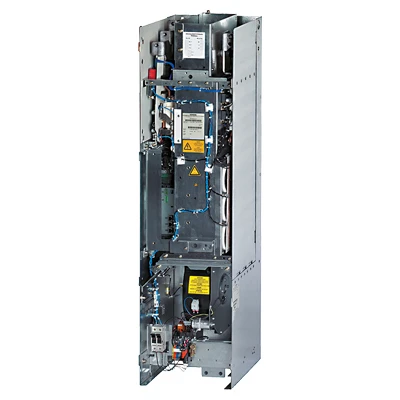
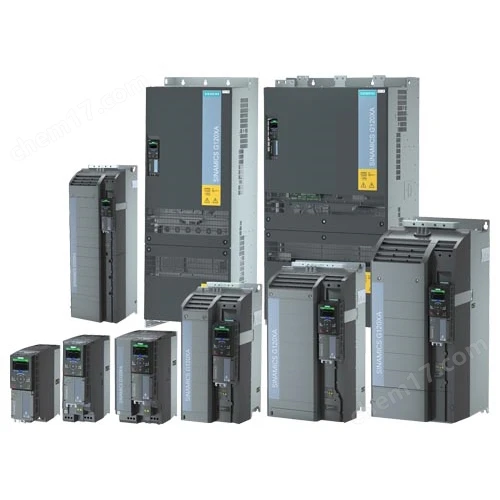
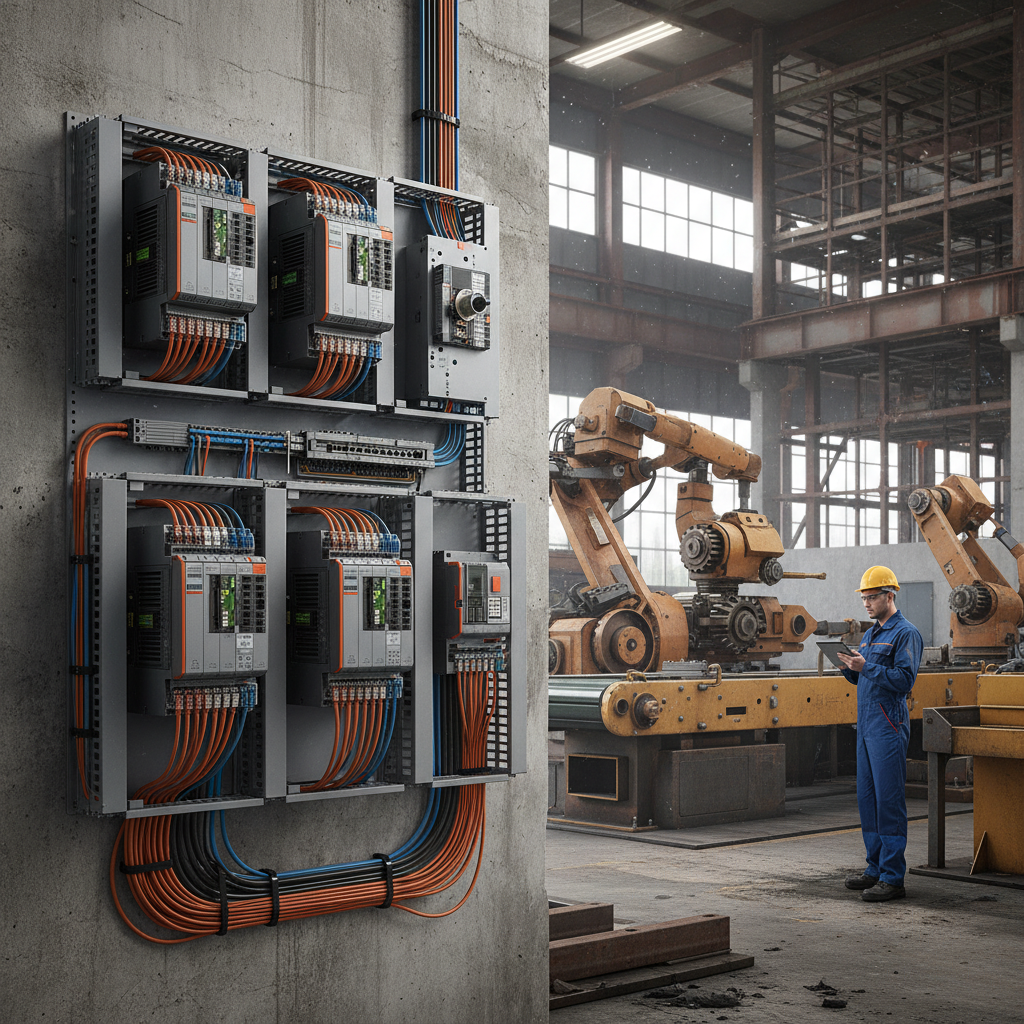
So, what is a frequency drive? Simply put, a frequency drive is an electronic controller that regulates the speed and torque of an AC electric motor by varying the motor input frequency and voltage. Instead of motors running full blast all the time, frequency drives enable precision control, allowing machines to run at optimal speeds for the task at hand. This adaptability translates to less wear and tear, less energy use, and (this is key) more responsive industrial processes.
It’s no wonder they’re fundamental to industries that depend on fluid movement, like water utilities, HVAC systems, and manufacturing lines. Oddly enough, their benefits ripple beyond industry; you’ll find them in humanitarian projects, too — for example, in powering water pumps in remote areas where energy resources are scarce and efficiency is critical.
Core Components and Key Factors of Frequency Drives
1. Energy Efficiency
Frequency drives reduce energy consumption by matching motor speed to load demand, unlike fixed-speed motors. This can save anywhere from 20% to 50% in power usage, depending on the application.
2. Durability and Reliability
Modern drives are designed to withstand industrial environments with varying temperatures and electrical disturbances. Their reliability is central to maintaining continuous operations in critical sectors.
3. Scalability and Integration
They come in sizes from small units suitable for HVAC fans to massive industrial drives powering cranes in shipyards. Plus, they’re increasingly compatible with IoT and SCADA systems, facilitating remote monitoring and control.
4. Cost-Effectiveness Over Time
Though initial investments may seem steep, frequency drives often pay for themselves quickly through energy savings and reduced maintenance costs.
5. User-Friendliness and Programming
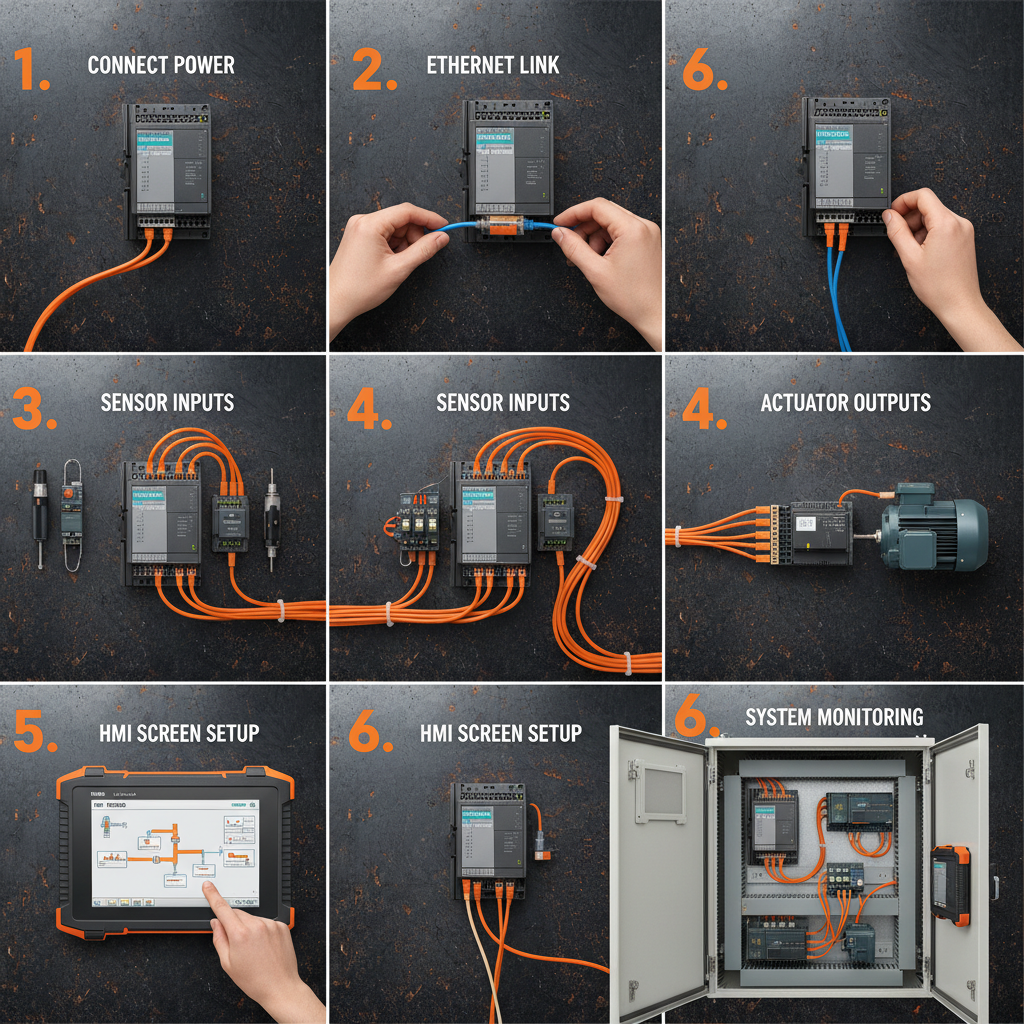
Accessible interfaces and configurable software mean operators can fine-tune performances, helping optimize workflows without constant expert intervention.
Technical Specifications of a Typical Frequency Drive
| Specification | Details |
|---|---|
| Input Voltage | 200 – 600 V AC |
| Output Frequency | 0 – 400 Hz |
| Power Range | 0.5 – 1000 HP |
| Communication | Modbus, Ethernet, Profibus |
| Protection Rating | IP20 – IP55 |
Global Applications: Where Frequency Drives Make Their Mark
Frequency drives operate quietly behind the scenes across continents. In heavy industry hubs of Asia and Europe, they help automotive factories modulate conveyor speeds. In North America, wastewater treatment plants use VFDs to adjust pump speeds based on flow rates — improving energy efficiency drastically. In Africa and parts of South America, NGOs have implemented small-scale solar-powered VFD pump installations to provide reliable drinking water in remote villages.
One fascinating case was in post-Hurricane relief in the Caribbean, where mobile frequency drive-powered pumps stabilized water supply networks much faster than traditional tech. It’s a vivid reminder that these devices don’t just serve industry but play a humanitarian role too.
Vendor Comparison: Choosing the Right Frequency Drive
| Feature | Vendor A | Vendor B | Vendor C |
|---|---|---|---|
| Energy Efficiency | Up to 45% | Up to 50% | Up to 42% |
| Max Power | 750 HP | 1000 HP | 800 HP |
| Smart Connectivity | Yes (Modbus) | Yes (Ethernet/IP) | Limited |
| Price Range | $$$ | $$$$ | $$ |
| Warranty | 3 years | 5 years | 2 years |
Advantages & Long-Term Value of Frequency Drives
The real-world rewards are clear. Frequency drives reduce energy bills significantly — a relief for factories facing volatile energy prices. They extend motor lifespan and cut maintenance costs because reducing mechanical stress is kinder to equipment. Beyond the balance sheet, they contribute to global sustainability goals by lowering industrial carbon footprints, which is as much a win for social equity as economics. There's also something reassuring about knowing your facility's equipment is responsive and reliable, cutting downtime that could hurt employees' livelihoods and corporate reputations.
Future Trends & Innovations in Frequency Drive Technology
Looking ahead, frequency drives are becoming smarter, integrating AI algorithms to predict maintenance needs — sort of like giving machines a voice to say, "Hey, I’m running hot, check me!" Efforts to combine VFD tech with green energy sources like solar and wind are accelerating, with variable frequency drives enhancing grid stability. The trend toward digitalization also means tighter integration with industrial IoT systems, allowing remote diagnostics and even self-optimization.
Challenges and How Experts Overcome Them
Of course, there are hurdles. Variable frequency drives sometimes face installation complexity and upfront costs that can discourage smaller operators. Electrical noise interference and heat dissipation can also pose issues if not managed properly. However, expert installers use advanced shielding and better cooling designs to mitigate problems. Plus, as technology evolves, costs are coming down while training programs grow more accessible — so, while challenges exist, solutions are well underway.
FAQ: Clear Answers to Common Questions About Frequency Drives
- What is the main benefit of using a frequency drive over a traditional motor controller?
Frequency drives allow precise motor speed control, significantly reducing energy consumption and wear, unlike traditional controllers that run motors at fixed speeds. - Can frequency drives be used in harsh industrial environments?
Yes, most modern drives are designed with protective casings and cooling systems to withstand dust, moisture, and temperature extremes common in industrial settings. - How complicated is it to install a frequency drive?
Installation complexity varies by model, but many drives come with user-friendly interfaces and documentation. Certified technicians often complete installation within a day. - Are frequency drives compatible with renewable energy sources?
Absolutely. They’re increasingly integrated into solar and wind power systems to regulate motor loads and optimize energy usage dynamically. - Do frequency drives require special maintenance?
Minimal maintenance is needed compared to fixed-speed motors. Routine checks for cooling systems and electrical connections are generally sufficient.
Conclusion
In sum, understanding what is a frequency drive isn’t just about grasping a piece of electrical hardware, but recognizing a key enabler in global energy efficiency, industrial innovation, and sustainable development. As the world leans harder into smart, green solutions, frequency drives stand out as a practical, impactful technology to watch — and invest in. For those keen to explore this technology in detail, I highly recommend visiting our website for deeper insights and cutting-edge solutions: https://www.tianjinyongkai.com.
It almost feels like these drives are the unsung heroes quietly accelerating progress, one motor at a time.
Takeaway: Frequency drives blend technical sophistication with real-world benefits, making them a cornerstone of modern industry and sustainability efforts alike.