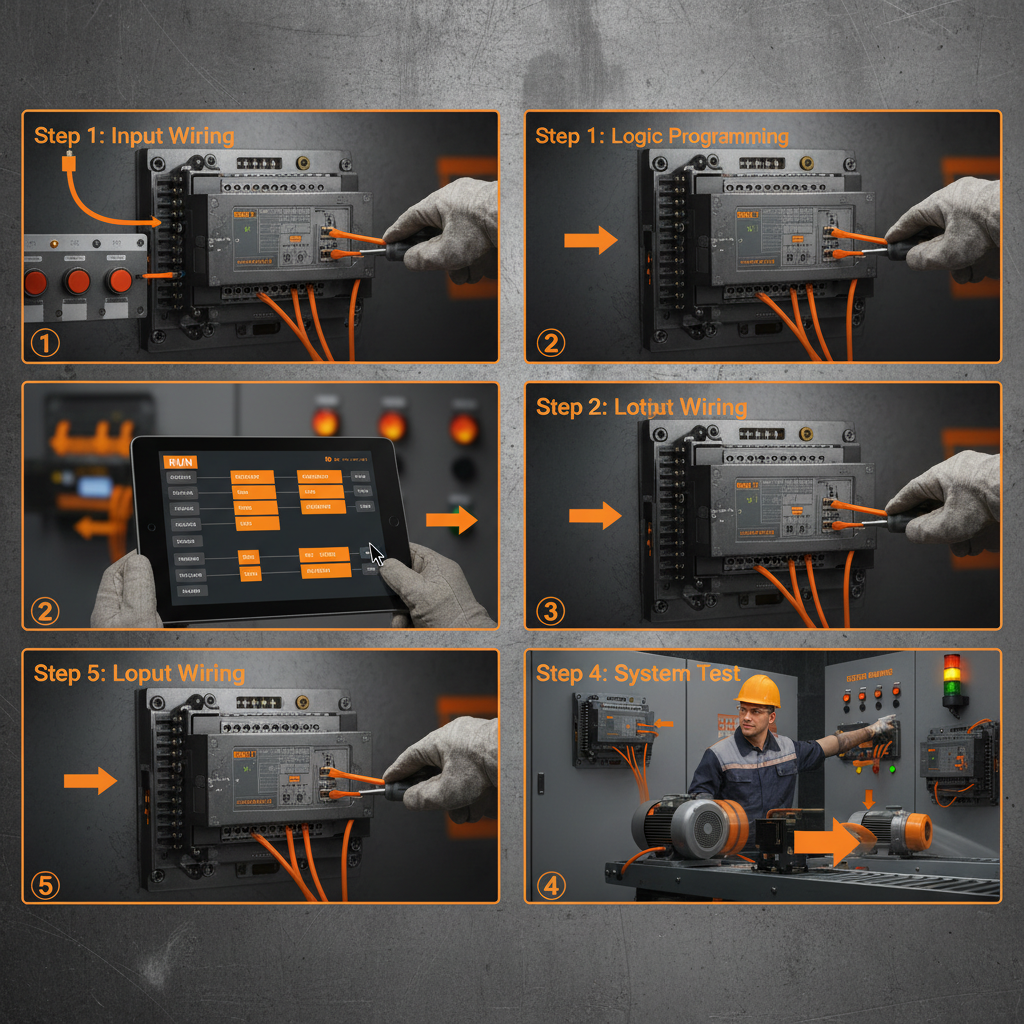
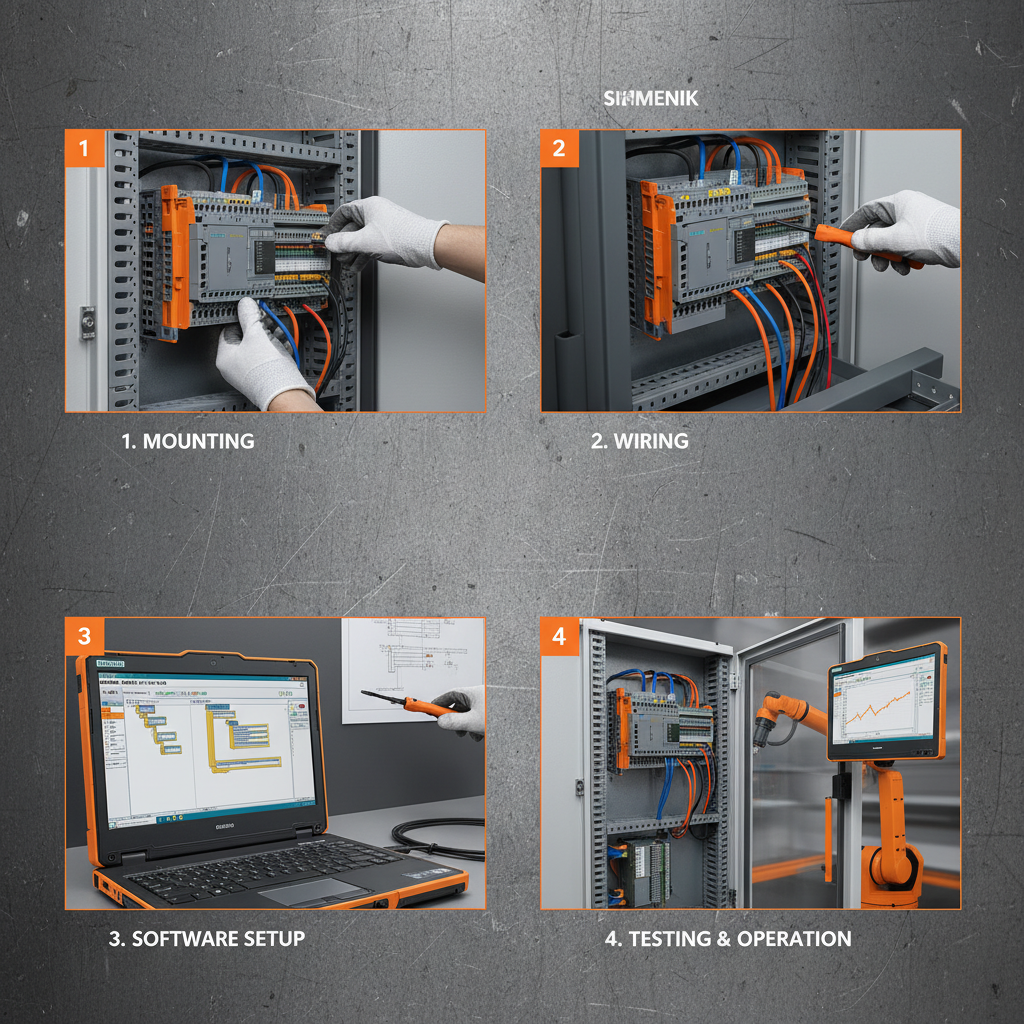
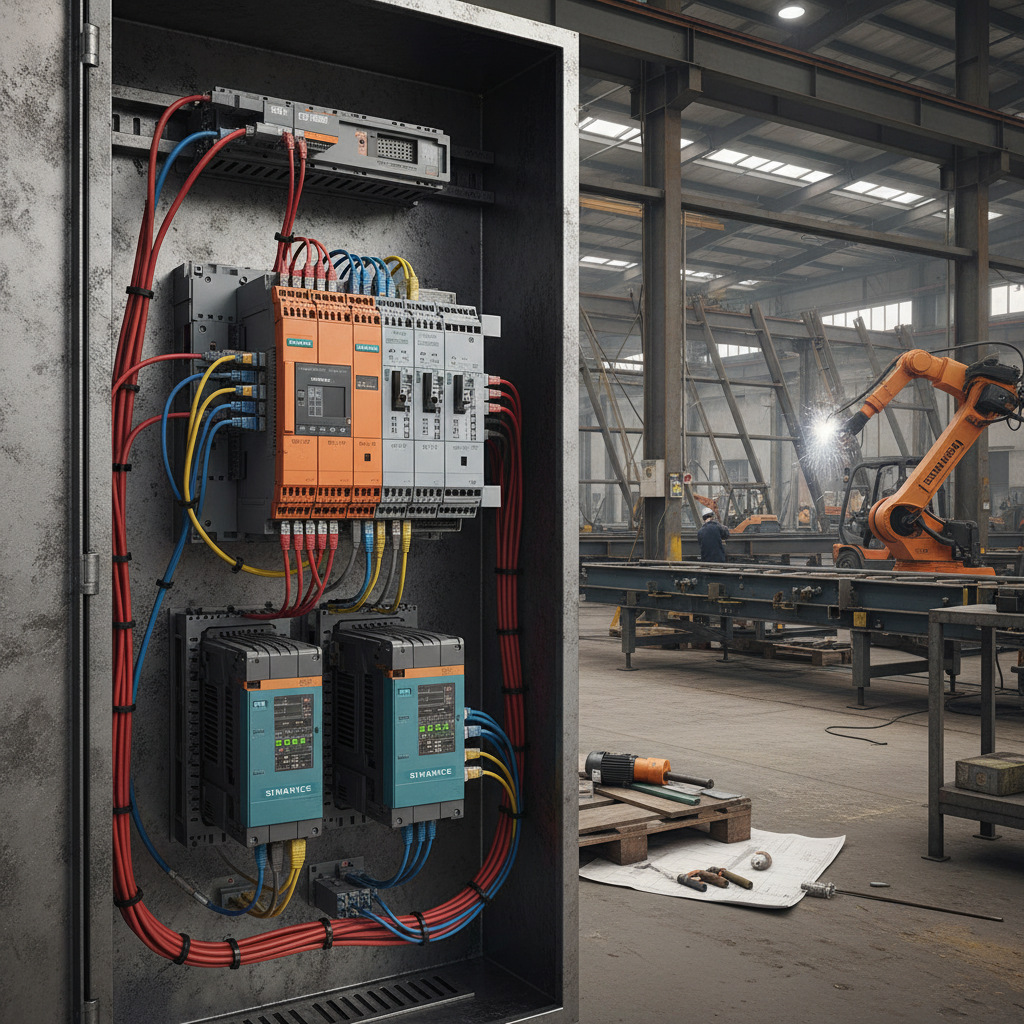
What Is a VFD and How Does It Work: Your Guide to Energy-Efficient Motor Control
What Is a VFD and How Does It Work: Unlocking Industrial Efficiency
If you’ve ever wondered what is a VFD and how does it work, you’re not alone. This deceptively simple question unlocks a fundamental technology behind modern energy-saving industrial systems worldwide. Variable Frequency Drives (VFDs) regulate motor speeds with precision, slashing energy waste and boosting performance. Understanding VFDs matters globally because they not only cut operational costs but also contribute to sustainability goals that industries and governments are striving for.
Frankly, the world’s energy consumption patterns are under intense scrutiny. The International Energy Agency notes that motor-driven systems consume nearly 50% of all electricity globally. VFDs present a smart solution to optimize that usage. So getting to grips with what a VFD is and how it works is more than just technical curiosity—it’s part of a broader challenge to reduce global carbon footprints and enhance industrial productivity.
Introduction: Global Importance of VFD Technology
From massive manufacturing plants in Germany to water treatment facilities in California, VFDs are in active service. According to the United Nations’ Sustainable Development Goals, efficient energy use is critical for economic, environmental, and social progress. VFDs play a starring role here. They tackle inefficiencies and provide flexible motor control—an issue industries have wrestled with for decades.
Globally, motor-driven equipment wastes up to 30% of electricity due to running at constant full speed, even when variable demand is needed. That’s a huge drain. So when you search for what is a vfd and how does it work, you’re diving into solutions addressing these inefficiencies, which in turn shrink energy bills and carbon emissions.
Defining What a VFD Is and Its Core Function
Simply put, a Variable Frequency Drive is a device that controls the speed and torque of an electric motor by varying the frequency and voltage supplied to it. Traditionally, motors run at a fixed speed, which can cause waste if the process requires fluctuating speed or torque. A VFD dynamically adjusts the motor’s operation to match the exact demand.
This is hugely beneficial, because in many industries like HVAC, water pumping, and manufacturing, processes aren’t constant—they ebb and flow. The VFD’s ability to fine-tune performance enables systems to run more smoothly, use less energy, and last longer. Oddly enough, this concept is also integral in humanitarian and infrastructural projects, where power savings can translate into more sustainable aid delivery and infrastructure resilience.
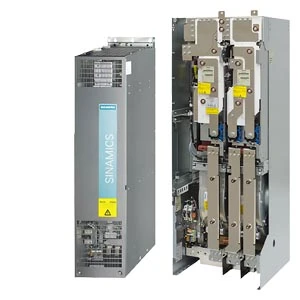
Key Components of a VFD and How They Matter
1. Power Converter
This component rectifies AC (alternating current) into DC (direct current). It’s basically the brain converting incoming power to a form that the drive can manipulate.
2. DC Bus
Think of this as the energy storage part—it smooths and filters the DC voltage before the inverter uses it to recreate AC at different frequencies.
3. Inverter
This generates variable frequency AC output by switching the DC bus power on and off in a controlled pattern. It’s the heart of how the motor speed gets adjusted.
4. Control Unit
The nervous system—it processes input commands (speed set-point or torque requirements) and monitors feedback (motor speed, current). It decides how to modulate the inverter to achieve desired results.
5. Cooling System
These devices can produce heat, so efficient cooling (fans or heat sinks) is vital for durability and reliability.
6. User Interface
This allows operators to interact with the VFD—programming, monitoring, and diagnostics.
Mini Takeaway: At its core, a VFD is a sophisticated power control system that tweaks electrical input to precisely control motor speed, boosting energy efficiency and operational agility.
Global Applications & Real-World Use Cases
Industries and regions worldwide have embraced VFDs. In Europe, strict energy regulations push manufacturers to adopt these drives. In Asia, rapid industrial growth means factories need flexible, efficient solutions for diverse production lines. And don’t forget utilities—water and wastewater treatment plants across North America save millions in energy costs by modulating pump speeds with VFDs depending on flow requirements.
For example, in post-disaster relief scenarios, temporary water pumping stations powered by VFD-equipped motors can adapt to fluctuating demand, helping to conserve scarce power resources. In remote industrial zones, solar or diesel generators pair with VFDs to optimize power use, enabling longer operational periods and fewer fuel shipments.
| Specification | Standard Value | Remarks |
|---|---|---|
| Power Range | 0.5 to 500 kW | Suitable for small to large motors |
| Voltage Levels | 230 V, 400 V, 690 V | Depending on regional power standards |
| Frequency Output Range | 0.1 to 400 Hz | Wide adjustment for varying speeds |
| Efficiency | > 98% | Minimizes energy loss |
| Communication Protocols | Modbus, Profibus, Ethernet/IP | Integrates with industrial automation |
Advantages and Long-term Value of Using VFDs
The benefits aren’t just theoretical. Studies have shown VFDs can reduce energy consumption by up to 40% for motor-driven systems—that’s huge from a cost and sustainability perspective. But beyond dollars and kWh, the technology brings about quieter operation, less wear on mechanical parts (improving longevity), and greater process control.
Emotionally, it feels reassuring for plant managers who want reliable, trusted machinery that doesn’t suddenly fail or rack up enormous bills. On a societal level, energy-efficient systems contribute to cleaner air and better health outcomes. Sustainably speaking, VFDs help industries align with ISO 50001 standards on energy management.
Future Trends & Innovations in VFD Technology
What’s next? Digital transformations are driving smarter VFDs with AI-powered predictive maintenance—allowing operators to fix issues before failures occur. Integrating VFDs with IoT networks creates real-time insights into system performance.
Green energy trends push for drives compatible with variable frequency inputs from renewable sources like solar and wind. The rise of wide bandgap semiconductor materials (like SiC and GaN) promise even higher efficiency and smaller, lighter drives.
Challenges & Solutions
Yet, it’s not always smooth sailing. VFDs sometimes introduce harmonic distortion which can disrupt power quality. Proper filtering and design choices mitigate these problems. Another challenge is upfront cost and control complexity—not every facility is ready to train staff or invest at once.
Many engineers suggest phased implementation combined with expert consultancy to overcome these hurdles effectively. Oddly enough, sometimes the biggest barrier is perception—educating stakeholders about the long-term gains over initial expenses.
Vendor Comparison: Leading VFD Brands
| Feature | Siemens | Schneider Electric | ABB |
|---|---|---|---|
| Power Range | 0.75 – 5000 kW | 0.18 – 4500 kW | 0.37 – 6000 kW |
| Communication Protocols | Profinet, EtherNet/IP | Modbus, CANopen | Profinet, Modbus |
| Energy Efficiency | Up to 98.5% | Up to 98% | Up to 98.3% |
| Ease of Integration | High (PLC compatible) | Moderate | High |
| User Interface | LCD Touchscreen | Push Buttons + Display | LCD Display, Software Tools |
FAQ: Frequently Asked Questions About What Is a VFD and How Does It Work
- Q1: Can a VFD work with any kind of AC motor?
- Generally, VFDs are compatible with three-phase induction motors, which are most common. However, application specifics may require certain VFD types or motor designs to achieve optimal performance. Connecting mismatched equipment can cause overheating or inefficient operation.
- Q2: How much energy can I realistically save by installing a VFD?
- Energy savings depend on the application. Systems with highly variable load profiles like pumps and fans often see 20-50% energy reductions. Constant load processes may benefit less. A site-specific energy audit can provide more precise estimates.
- Q3: Are VFDs difficult to maintain?
- VFDs require some periodic maintenance, mainly cleaning cooling components and checking electrical connections. Many modern drives offer self-diagnostics to alert users to issues early. With proper care, VFD maintenance is manageable.
- Q4: Do VFDs affect the lifespan of the motor?
- Properly applied VFDs can extend motor life by reducing mechanical stress during startup and operation. However, in some cases, electrical stresses like voltage spikes may require special motor insulation or filters.
- Q5: What industries benefit most from VFD technology?
- HVAC, water/wastewater treatment, manufacturing, mining, and oil & gas sectors see significant benefits due to variable load demands and large motor fleets requiring efficient speed control.
Conclusion & Call to Action
So, what is a VFD and how does it work? It’s a powerful tool marrying electricity and smart controls to make motors operate more precisely, efficiently, and sustainably. Across industries and continents, VFDs help tackle pressing energy challenges, optimize operations, and drive innovation. If you’re ready to explore tailored VFD solutions, visit our website and discover how these drives can power your future.
Reflecting back, it’s impressive how this single piece of technology can impact so many aspects—from economics to ecology. As industries evolve, so too will VFDs, continually unlocking smarter, greener possibilities…
References:
1. International Energy Agency, "Electric Motor Systems", 2022.
2. United Nations Sustainable Development Goals, https://sdgs.un.org/goals/goal7
3. ISO 50001 Energy Management Systems, https://www.iso.org/iso-50001-energy-management.html