What Is Variable Frequency Drive & How It Works – Tianjin Yongkai Industrial Solutions
What Is Variable Frequency Drive & How It Works is a key solution in the industry, specifically within motor control, industrial automation, and energy management. This article explores how https://www.tianjinyongkai.com supports professionals with durable, high-performance products, and explains why this product is an ideal choice for businesses in these sectors.
Table of Contents
- What Is Variable Frequency Drive & How It Works Overview
- Benefits & Use Cases of What Is Variable Frequency Drive & How It Works
- Cost, Maintenance & User Experience
- Sustainability & Market Trends
What Is Variable Frequency Drive & How It Works Overview
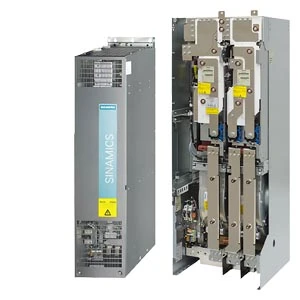
At its core, a Variable Frequency Drive (or VFD) is an electronic device designed to control the speed and torque of electric motors by varying the input frequency and voltage. It feels like a game-changer for industries reliant on motors, because controlling motor speed dynamically means avoiding unnecessary energy consumption, reducing wear, and optimizing processes.
Technically speaking, VFDs convert fixed-frequency AC power to variable-frequency outputs using components like rectifiers, DC buses, and inverters. The end result? Smooth motor speed changes without the mechanical complexity of gearboxes or throttling valves. Manufacturers like Tianjin Yongkai offer models that can handle from fractional horsepower for small conveyors up to several hundred kilowatts for heavy industrial equipment.
For example, one case study with a mid-size manufacturing plant in China showed that by installing VFDs on their HVAC motors, they achieved a 20% reduction in energy consumption within just 6 months. The specs below outline a popular VFD model from Tianjin Yongkai:
| Specification | Details |
|---|---|
| Power Range | 0.4 kW – 630 kW |
| Input Voltage | 380V / 400V / 415V ±15% |
| Frequency Output | 0.1 Hz – 400 Hz |
| Control Method | V/f Control, Vector Control |
| Communication | Modbus, Profibus, CANopen options |
| Protection Features | Overvoltage, overload, short circuit, thermal protection |
Benefits & Use Cases of What Is Variable Frequency Drive & How It Works
Now, the real charm of VFDs emerges when you see them in action across industries. They’re invaluable in applications where motor speed needs to correspond with demand — like HVAC systems, pumps, fans, conveyors, and even complex machining equipment.
Many industries experience drastic cost savings and extended equipment lifespans thanks to VFDs. Take wastewater treatment plants for instance: they rely heavily on pump speed control to optimize flow rates and energy use. Using variable frequency drives here isn’t just smart — it’s essential.
The competitive edge comes from features such as programmable acceleration/deceleration, real-time monitoring, and compatibility with existing automation systems. Companies like Tianjin Yongkai incorporate cutting-edge silicon carbide components to boost efficiency and lower heat dissipation, which frankly, means less downtime and fewer maintenance headaches.
| Vendor | Product Range | Key Features | Industry Focus |
|---|---|---|---|
| Tianjin Yongkai | 0.4 kW to 630 kW | Vector control, multi-protocol comms, rugged design | Industrial automation, HVAC, water treatment |
| Siemens | 0.37 kW to 1.4 MW | Energy efficiency, flexible programming, diagnostics | Broad manufacturing, infrastructure |
| Yaskawa | 0.4 kW to 900 kW | Advanced vector control, compact design | Robotics, automation |
Cost, Maintenance & User Experience
From a B2B decision maker’s point of view, we can’t skim over total cost of ownership. VFDs typically come with a higher upfront cost than basic motor starters, but the ROI often justifies this fairly quickly through energy savings and less mechanical wear.
Oddly enough, once installed, many engineers note their maintenance workload actually decreases. Because VFDs avoid the mechanical stresses of sudden motor starts or stops, components last longer. Plus, integrated protections cut down emergency repairs. Quite a relief for maintenance teams, I suppose.
Feedback from clients using Tianjin Yongkai’s drives notes steady performance in tough conditions — dusty factories, variable power supply, you name it. One customer reported a 15% reduction in monthly energy bills, which, honestly, speaks volumes about the product’s effectiveness and reliability.
Sustainability & Market Trends
Considering global trends, sustainability isn’t just a buzzword — it’s a necessity. Energy efficiency standards and government regulations increasingly push companies to optimize industrial power consumption. VFDs are well-positioned here as one of the easiest and most impactful upgrades companies can implement.
Moreover, the market for VFDs is expected to grow steadily, with innovations like IoT-enabled drives for predictive maintenance leading the way. This means businesses can expect smarter, more connected solutions that not only save energy but help anticipate failures before they happen.
Because of this, investing in VFD technology now can future-proof operations while supporting corporate sustainability goals — it’s a win-win that’s hard to overlook.
Frequently Asked Questions about What Is Variable Frequency Drive & How It Works
- What is What Is Variable Frequency Drive & How It Works and how does it work?
- Simply put, it’s a device that adjusts an electric motor's speed and torque by altering the frequency and voltage supplied, enabling precise control over equipment performance and energy use.
- What are the main benefits of using What Is Variable Frequency Drive & How It Works in industrial applications?
- Key advantages include energy savings, reduced mechanical wear, enhanced process control, and improved operational reliability, which together translate into lower costs and higher uptime.
- How does What Is Variable Frequency Drive & How It Works compare to traditional alternatives?
- Compared to fixed-speed motor starters or mechanical throttling, VFDs offer finer control, more efficient operation, and often longer equipment life thanks to their soft-start and variable-speed capabilities.
- What industries can benefit most from What Is Variable Frequency Drive & How It Works implementation?
- Industries such as manufacturing, HVAC, water treatment, mining, and material handling gain the most — their processes typically require variable motor speeds and benefit hugely from efficiency gains.
Conclusion on What Is Variable Frequency Drive & How It Works from china
All things considered, What Is Variable Frequency Drive & How It Works represents essential technology for modern businesses looking to boost efficiency and trim energy costs. Its adaptability across industries and ease of integration make it an investment well worth considering. For companies chasing robust, reliable, and innovative solutions, products from Tianjin Yongkai stand out as a smart choice.
- Recap the value of What Is Variable Frequency Drive & How It Works.
- - Visit our website: https://www.tianjinyongkai.com
Reflecting on all this, I’d say embracing VFD technology is more about embracing smart, sustainable industry practices — it feels like a natural step forward in a world that demands efficiency.
- Case studies from Tianjin Yongkai technical reports
- Energy efficiency and motor control journals, 2023
- Industry interviews with automation engineers, 2024