The Use of VFD in Motor: Energy Efficiency and Industrial Innovation Explained
Understanding the Use of VFD in Motor Technology
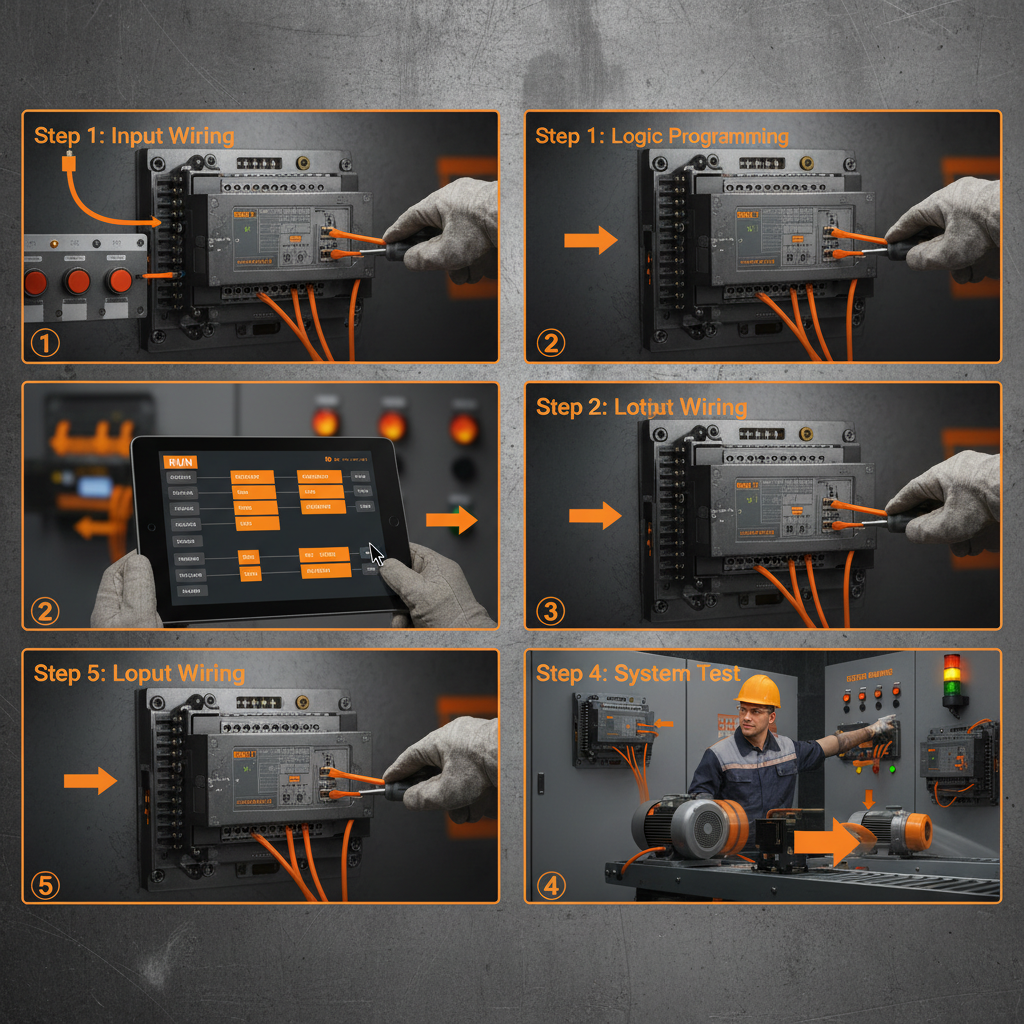
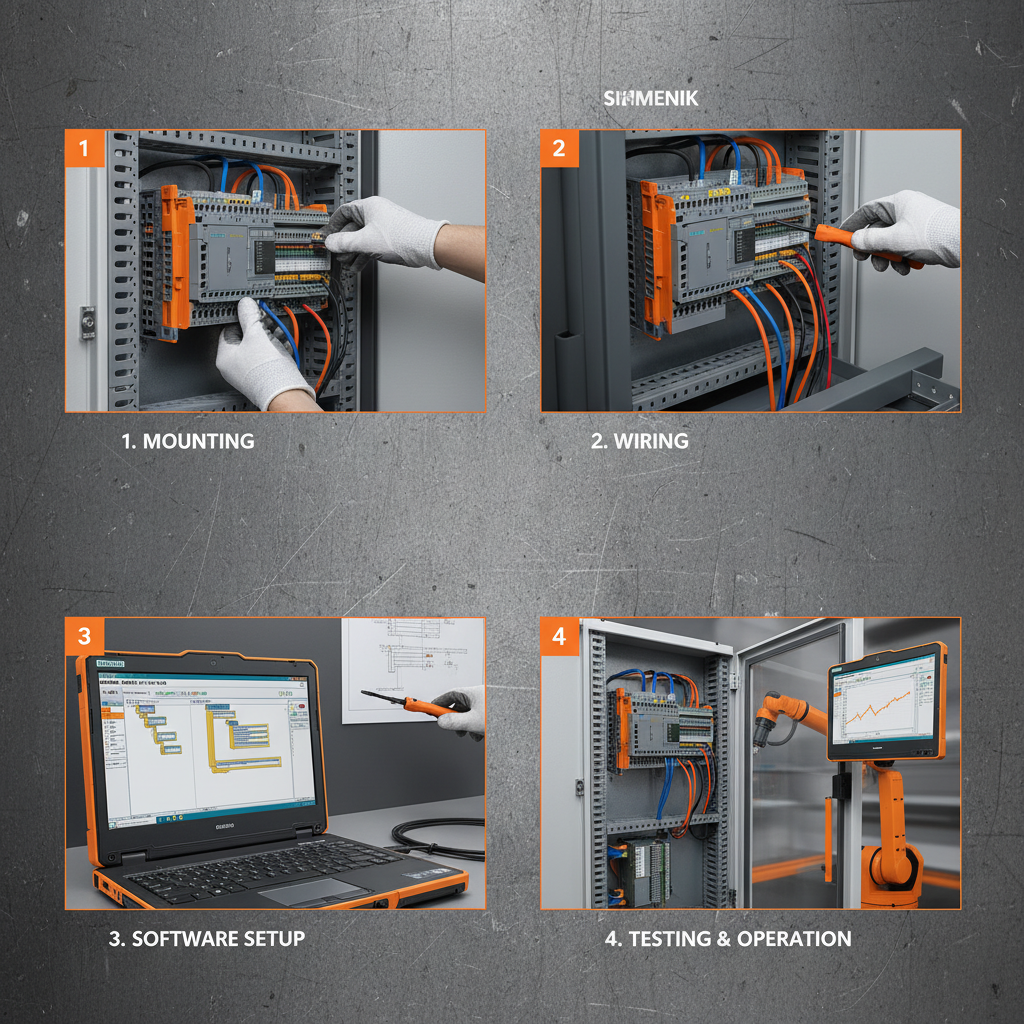
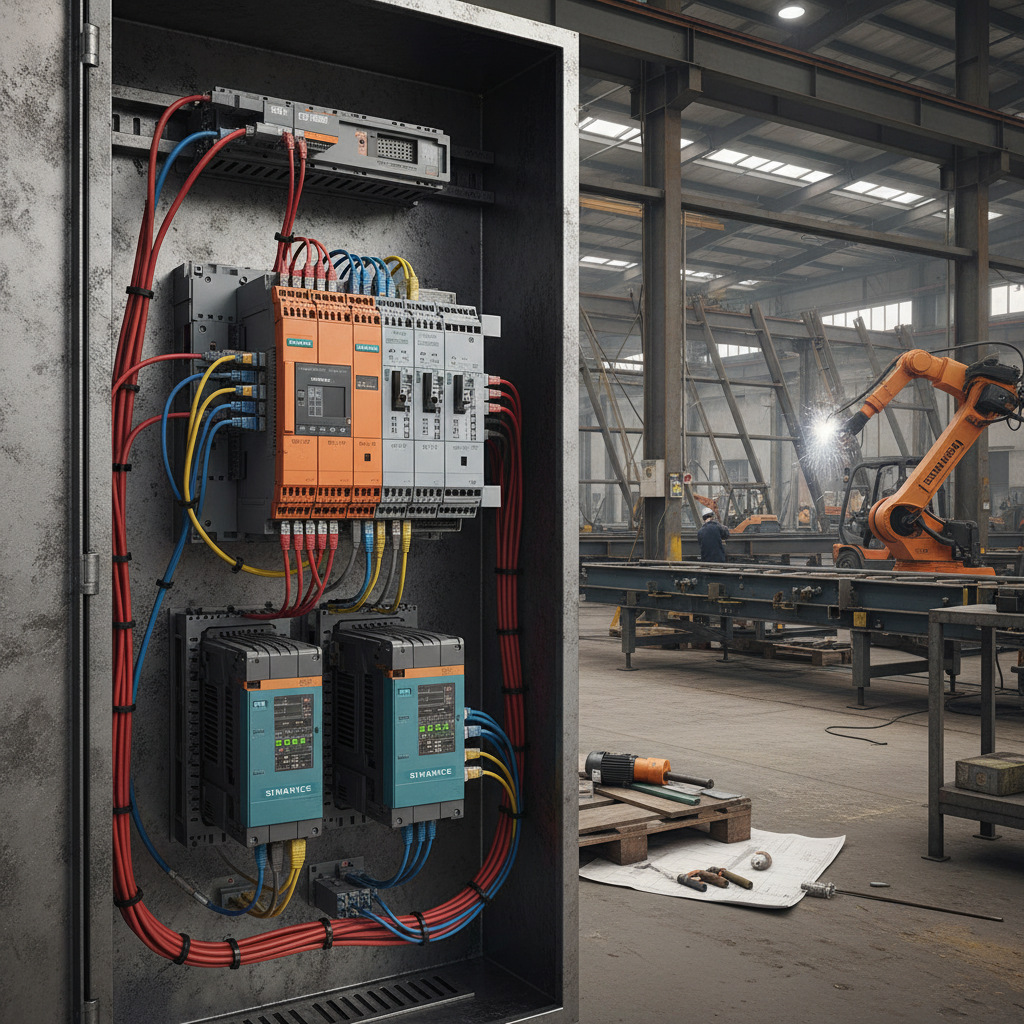
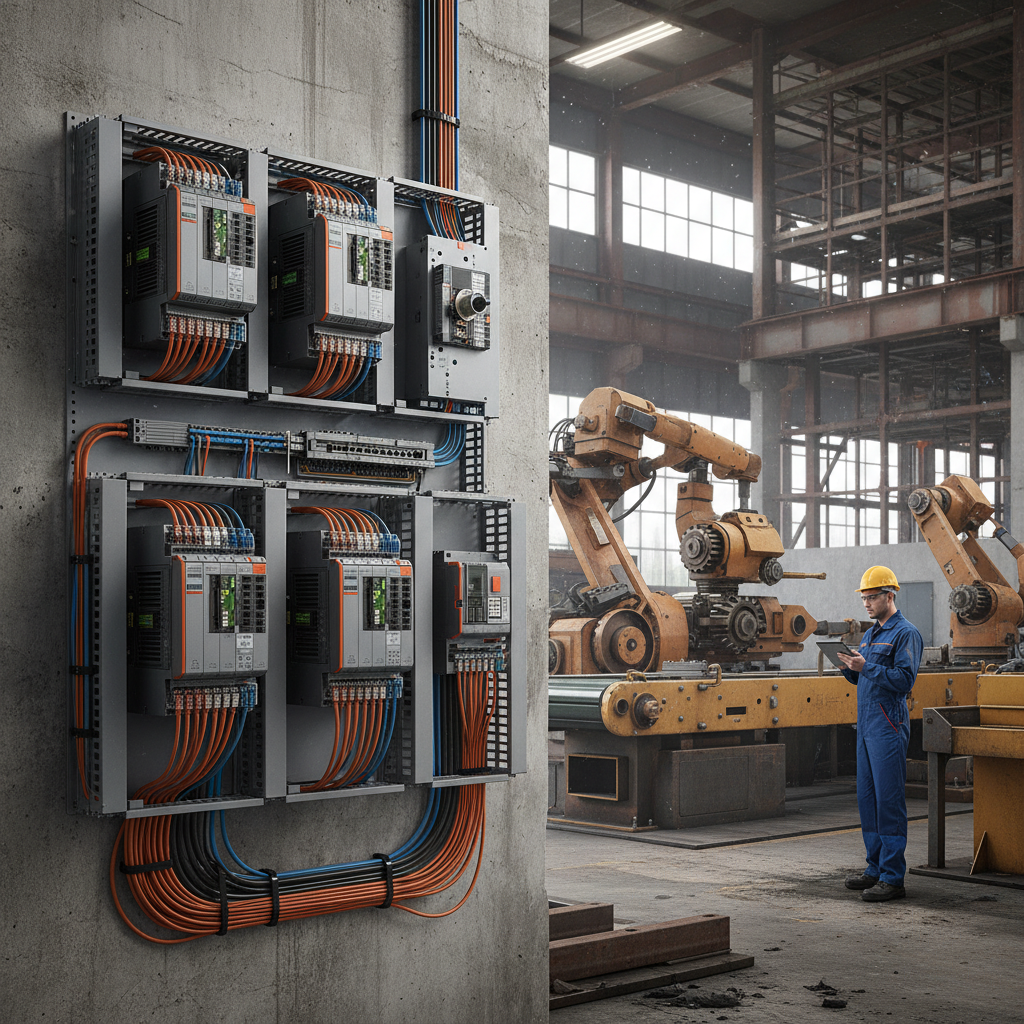
The use of VFD in motor technology has rapidly become a cornerstone in modern industrial and commercial applications worldwide. Variable Frequency Drives (VFDs) control the speed and torque of electric motors by varying the input frequency and voltage supplied to the motor. Frankly, this technology matters a lot on a global scale because it saves energy, improves performance, and reduces mechanical stress on motors — all while aiding sustainability targets. With industries increasingly seeking smarter and energy-efficient solutions, understanding how VFDs work and why they matter unlocks tremendous value for operators, engineers, and decision-makers alike.
Global Context and Why It’s Important
As of recent ISO reports and World Bank data, electric motors consume nearly 45% of global electricity used in industries. This staggering figure explains why optimizing motor operation with VFDs is a game changer. According to the International Energy Agency (IEA), implementing VFDs properly can cut motor-related electricity usage by 20-50%, dramatically lowering greenhouse gas emissions. Yet, despite this potential, many regions and sectors still underutilize VFD technology, often because of upfront costs or lack of expertise. This gap highlights a crucial challenge—and a potent opportunity for increased efficiency, especially in growing economies and energy-intensive industries.
What Is the Use of VFD in Motor?
Simply put, a Variable Frequency Drive allows an electric motor’s speed and torque to be precisely adjusted by controlling the frequency of the power supply. Instead of running a motor at full speed all the time (wasting energy and stressing equipment), VFDs provide just the right amount of power required for the task. This adaptability is linked to a wide range of modern industrial and humanitarian needs—whether for pumping systems in water treatment plants or in HVAC systems for better climate control in hospitals and schools.
Core Components of VFD Use in Motors
- Energy Efficiency: By matching motor speed to actual demand, VFDs reduce unnecessary energy consumption, saving costs and carbon footprint.
- Reduced Mechanical Wear: Soft starting and speed adjustments prevent mechanical jolts that otherwise wear down motors prematurely.
- Improved Process Control: VFDs enable operators to fine-tune motor performance, enhancing reliability and quality in manufacturing processes.
- Scalability: VFDs can be integrated from small motors in commercial spaces to massive industrial drives handling heavy loads.
- Safety Enhancements: Controlled acceleration and deceleration protect both personnel and equipment.
- Cost Efficiency: While the initial VFD installation has costs, long-term savings through reduced downtime and energy use quickly pay off.
Mini takeaway: VFD technology delicately balances cost, performance, and sustainability — making it a clear winner in motor control applications.
Global Applications & Real-Life Use Cases
In real terms, the use of VFD in motor spans diverse geographies and sectors. For instance, in Europe, VFDs are widely deployed in energy-conscious factories adhering to ISO 50001 energy management standards. In developing regions, NGOs use VFD-controlled pumps in remote water supply systems to conserve power and extend equipment life. Oddly enough, even in high-tech data centers, VFDs regulate fan speeds, maintaining optimal cooling while reducing electricity bills.
Here's a focused snapshot of a popular VFD motor product specification:
| Specification | Details |
|---|---|
| Input Voltage | 380-480 V AC |
| Motor Power Range | 0.75 kW to 500 kW |
| Frequency Range | 0.1 Hz to 400 Hz |
| Control Methods | V/f control, Vector control, Sensorless feedback |
| Communication Protocols | Modbus, Profibus, Ethernet/IP |
Vendor Comparison: Leading VFD Providers
| Feature | Vendor A | Vendor B | Vendor C |
|---|---|---|---|
| Price Range | $$$ | $$ | $ |
| Energy Efficiency | Excellent | Good | Moderate |
| Ease of Integration | High | Moderate | Low |
| Customer Support | 24/7 | Business hours | Limited |
Advantages & Long-Term Value of VFD Use in Motors
The benefits of integrating VFDs into motors are both tangible and profound. Financially, the energy savings alone can accelerate ROI within two years under typical industrial use. Emotionally, operators feel safer knowing motors start and stop smoothly—minimizing accidents. On a societal level, businesses contribute to emission reductions, aligning with global climate commitments. Trust builds when equipment reliability extends, downtime reduces, and operations maintain steady output. Oddly enough, this relatively simple adjustment—controlling frequency and voltage—can ripple out into safety, sustainability, and savings.
Future Trends and Innovations
The horizon for the use of VFD in motor is glowing with innovation. Smart VFDs integrated with IoT and AI are emerging, providing predictive maintenance insights and adaptive control for even better energy management. Moreover, the push towards renewable energy sources like solar and wind means VFDs are adapting to handle variable power inputs. Policies encouraging eco-friendly tech will likely accelerate adoption, while material science advances could make VFDs smaller, cooler-running, and more durable. It’s a swiftly evolving field where tech meets sustainability head-on.
Challenges & How to Overcome Them
Despite the many advantages, some obstacles stand in the way. Initial hardware costs can be off-putting for small operations. Also, VFDs require trained staff to install and maintain properly—there’s a knowledge gap in some regions. Compatibility issues sometimes arise with older motors or systems not designed for VFDs. Thankfully, solutions include better modular designs that ease integration, online training resources for technicians, and government incentives offsetting costs. As engineers and users share growing expertise, these barriers are steadily falling.
Frequently Asked Questions About the Use of VFD in Motor
- Q: How does a VFD improve motor energy consumption?
A: By adjusting motor speed to actual demand instead of running full-speed constantly, VFDs reduce wasted energy significantly—often by 20-50%. This efficiency can lead to meaningful cost savings and less environmental impact. - Q: Can older motors be retrofitted with VFDs easily?
A: Many standard induction motors can be retrofitted with VFDs. However, compatibility checks are essential to avoid damage or suboptimal performance. Consulting with a vendor or expert is recommended before proceeding. - Q: What industries benefit most from using VFDs?
A: Industries with variable load demands like HVAC, water treatment, mining, and manufacturing see the most benefit. In these contexts, VFDs help optimize processes and cut energy costs. - Q: Are there maintenance advantages to using VFDs?
A: Yes, because VFDs provide controlled startup and shutdown sequences, they reduce mechanical wear on motors, leading to lower maintenance needs and longer equipment life.
Conclusion: Embracing the Future of Motor Efficiency
In summary, the use of VFD in motor technology represents a vital step forward in energy management and operational efficiency. The long-term benefits—cost savings, sustainability, improved safety, and enhanced control—make VFDs a smart investment for any industry relying on electric motors. For those ready to join the energy-efficient revolution, exploring VFD options with trusted vendors and consultants is a priority. After all, the future of industrial power is flexible, reliable, and greener than ever.
Let's control motor speed, save energy, and build a better world—one VFD at a time.
References:
1. International Energy Agency (IEA). “Electric Motors and Energy Efficiency.”
2. ISO 50001 Energy Management Standard.
3. Wikipedia: Variable Frequency Drive