VFD 15kW Drives – Efficient Motor Control & Energy Savings | Tianjin Yongkai
The Essential Guide to VFD 15kW: Why It Matters More Than Ever
In today’s fast-evolving industrial landscape, understanding what a vfd 15kw entails isn’t just for engineers or plant managers. Variable frequency drives (VFDs) with 15 kW capacity play a quietly powerful role in optimizing energy efficiency, reducing costs, and enabling cutting-edge automation worldwide. Whether you’re envisioning a greener factory floor or tackling precise motor control challenges, grasping the ins and outs of these drives unlocks benefits that ripple from Asia’s production hubs to Europe’s sustainability initiatives.
Mini takeaway: Knowing about vfd 15kw isn’t just technical knowledge — it’s understanding a key lever for global energy saving and process control.
Putting VFD 15kW into Global Perspective
Energy consumption accounts for roughly 40% of global CO2 emissions, and industrial electric motor systems consume over 60% of electricity in manufacturing processes (according to the International Energy Agency). This is where vfd 15kw units come in—by precisely controlling motor speeds, they drastically slash wasted energy when full motor speed isn’t necessary. This makes them a key player in meeting United Nations Sustainable Development Goals, especially around affordable clean energy (SDG 7) and climate action (SDG 13).
Yet, a challenge remains: traditional motor systems often waste energy due to running at constant full speed, regardless of demand. Manufacturing plants, water treatment facilities, and HVAC units can all benefit from adjusting motor speeds dynamically. The vfd 15kw capacity is a sweet spot for mid-size industrial motors, combining enough power with energy savings potential.
Mini takeaway: In real terms, using VFDs significantly trims energy costs and reduces environmental footprints globally.
What Exactly Is a VFD 15kW?
A variable frequency drive (VFD) is an electronic controller that adjusts the speed and torque of an AC motor by varying the motor’s input frequency and voltage. The “15kW” specifies the power rating of the motor the drive can handle—about 20 horsepower—making it ideal for medium-sized industrial tasks.
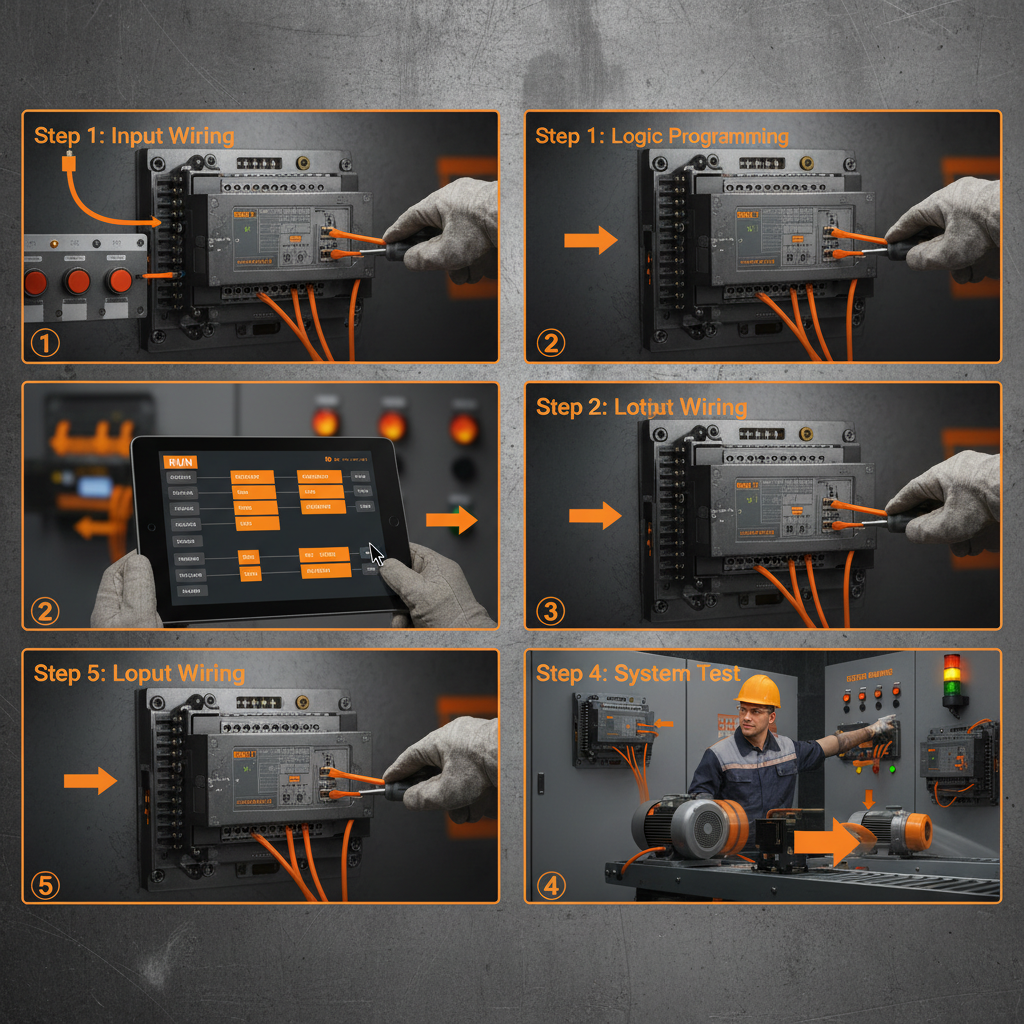
In practical terms, a vfd 15kw can precisely manage pumps, fans, conveyors, mixers, and more, allowing for smooth startups, energy savings, and less mechanical stress. These capabilities tie directly to modern industry’s twin goals of operational efficiency and sustainable practices.
Core Aspects of VFD 15kW Explained
1. Energy Efficiency
Instead of motors running at full throttle constantly, VFDs modulate speed according to demand. This often means the motor works at partial load, using significantly less power and lowering electricity bills.
2. Durability and Protection
Many drives come with built-in protections—like overload, short circuit, and thermal safeguards—that extend the lifespan of motors and reduce downtime.
3. Precision and Scalability
The 15kW rating suits applications requiring moderate power but precise control. From automated packaging lines to water management systems, the drive scales to diverse tasks without overkill.
4. Ease of Integration
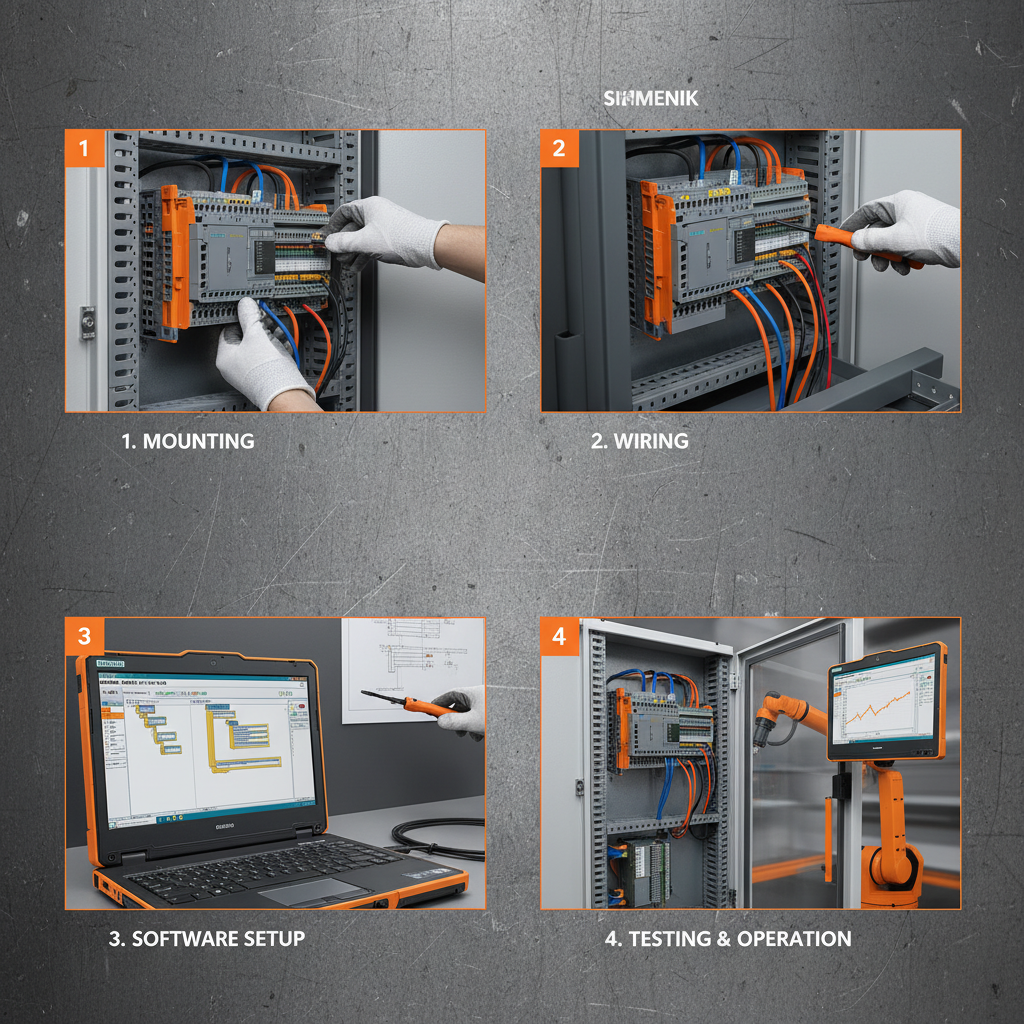
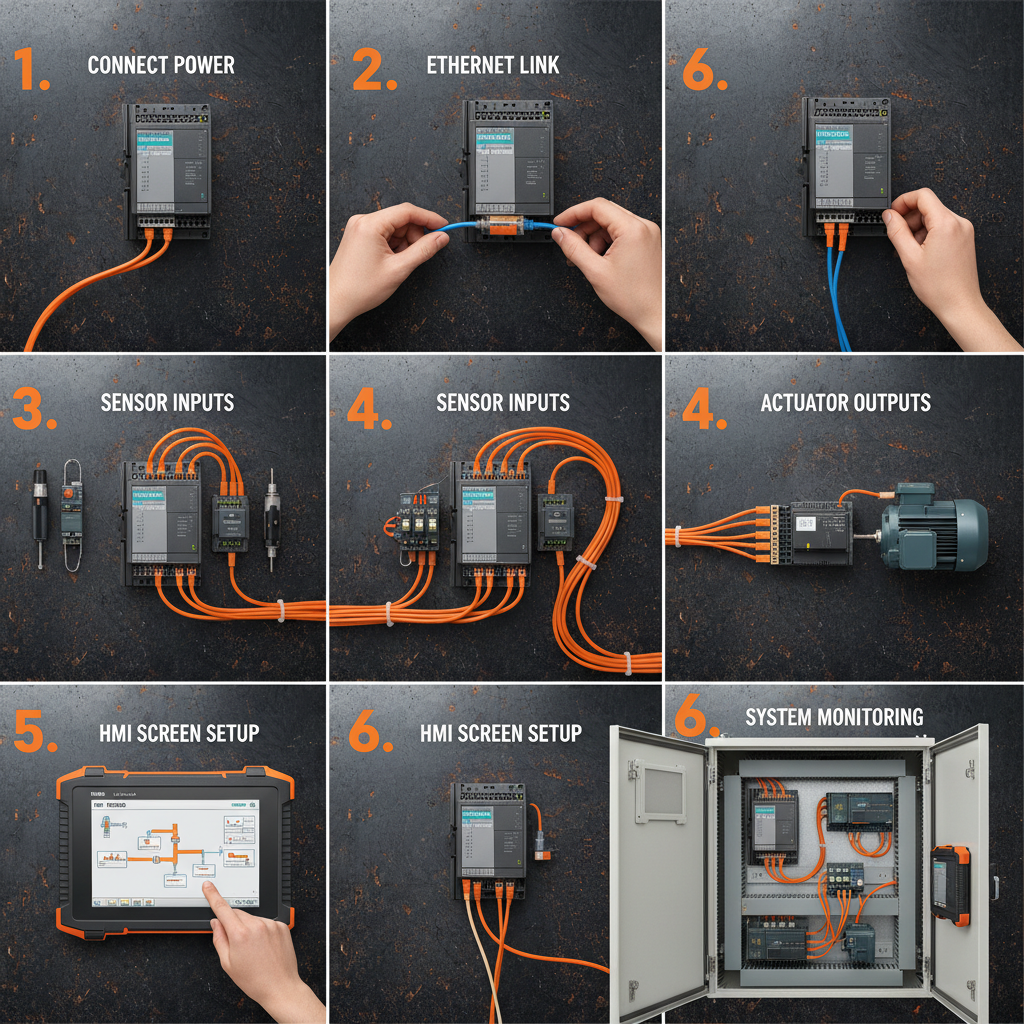
Modern VFDs have digital interfaces, allowing easy connection to PLCs and SCADA systems for centralized monitoring and control, essential for Industry 4.0 operations.
5. Maintenance and Diagnostics
Some models include self-diagnosis to warn operators about potential failures, reducing surprises and facilitating proactive maintenance.
Mini takeaway: Looking at these core features, the vfd 15kw not only saves energy but also boosts process reliability.
Real-World Applications: Where VFD 15kW Shines
Practically everywhere medium-sized electric motors run, the vfd 15kw is making life better:
- Manufacturing Plants (Europe & Asia): Used extensively on conveyor belts and compressors to optimize throughput and energy use.
- Water and Wastewater Treatment (North America): Pump speeds are regulated to match flow requirements, cutting power consumption during low-demand hours.
- HVAC Systems (Global Corporate Buildings): Fans and chillers respond dynamically to temperature changes, improving occupant comfort and reducing greenhouse emissions.
- Agricultural Operations (Australia, South America): Irrigation pumps controlled with VFDs improve water usage efficiency, a critical factor amid ongoing droughts.
- Post-Disaster Relief & Humanitarian Efforts: Portable or mid-size industrial equipment powered with reliable VFDs can restore water access or critical services faster.
Mini takeaway: These drives are quietly influencing operations across continents, industries, and sustainability efforts.
Advantages & Long-Term Value of VFD 15kW Technology
Beyond the clear operational benefits, the vfd 15kw carries strong social and environmental value:
- Cost Savings: Lower energy bills and reduced wear-and-tear make for impressive ROI.
- Sustainability: Reduced electrical consumption drives emissions down, contributing to greener factories and cities.
- Improved Equipment Lifespan: Soft starts and stops minimize mechanical shock.
- Enhanced Safety and Trust: Operators feel more secure with protective features and reliable automation.
- Innovation Enablement: Integration with smart grids and IoT expands future potential.
In sum: the vfd 15kw isn't just a component; it’s a strategic investment in resilient, future-ready infrastructure.
Looking Ahead: Future Trends in VFDs
Exciting developments are inbound. New drive controllers are incorporating:
- AI-powered diagnostics: Predictive maintenance that flags issues before they happen.
- Improved power electronics: Silicon carbide (SiC) semiconductors that boost efficiency and reduce size.
- Green Energy Integration: Drives optimized to work seamlessly with solar or wind systems.
- Edge computing: Decentralized intelligence enabling faster, localized decisions.
These innovations will make the vfd 15kw even smarter, smaller, and more adaptable – a quiet revolution worth watching.
Challenges & Smart Solutions For VFD 15kW Users
Of course, adoption has obstacles. Some common hiccups:
- EMI (Electromagnetic Interference): Drives can generate noise interfering with sensitive devices.
- Initial Cost: Compared to simple starters, VFDs are pricier upfront.
- Complex Setups: Configuring VFD parameters requires expertise.
Solutions? Manufacturers are improving EMI filters. Training programs and simpler interfaces reduce learning curves. Plus, the long-term savings usually outweigh initial costs, making the investment smarter than it appears.
Quick FAQ About VFD 15kW
- What types of motors are compatible with a vfd 15kw?
- Most commonly, three-phase induction motors are ideal. Some VFDs support synchronous or permanent magnet motors too, but compatibility should be confirmed case-by-case.
- Can VFD 15kW units help reduce industrial energy bills?
- Absolutely. By adjusting motor speeds to actual load requirements, these drives can cut energy consumption by 20-50%, which translates to significant savings over time.
- Does installing a VFD reduce motor wear?
- Yes. VFDs provide soft start/stop functions, which minimize mechanical stress, extending motor life and reducing maintenance costs.
- How complex is programming a 15kW VFD?
- While they offer advanced control options, many models come with user-friendly interfaces and manuals. Some require professional setup, but ongoing adjustments can often be straightforward.
- Where can I find reliable vfd 15kw suppliers?
- You can find reputable vendors through industry channels or direct inquiry with manufacturers like Siemens, ABB, and Delta Electronics. A comparison table below helps.
Product Specification Table for a Typical VFD 15kW
| Feature | Specification |
|---|---|
| Rated Power | 15 kW (20 HP) |
| Input Voltage | 3-phase 380–480 V AC |
| Output Frequency | 0.1 Hz to 400 Hz |
| Control Method | V/f, Vector Control |
| Overload Capacity | 150% rated current for 1 min |
| Communication | Modbus RTU, CANopen, Ethernet (optional) |
| Protection Features | Overvoltage, undervoltage, overcurrent, thermal |
Comparing Leading VFD 15kW Vendors
| Vendor | Price Range (USD) | Key Features | Support & Warranty |
|---|---|---|---|
| Siemens | $1500 - $2500 | Robust connectivity, energy monitoring | 24-month warranty, global support |
| ABB | $1400 - $2300 | Advanced diagnostics, flexible programming | 18-month warranty, strong technical support |
| Delta Electronics | $1200 - $2100 | Compact design, eco-friendly materials | 12-month warranty, online resources |
Wrapping Up: Why VFD 15kW Is Worth Your Attention
Simply put, the vfd 15kw combines solid power with precision control and energy savings, making it a cornerstone technology in modern industry. From cutting emissions to cutting costs, and from improving machine health to enabling smarter automation — it feels like the kind of tech that quietly changes how we work on a planetary scale.
Ready to explore reliable products or get expert advice? Visit our site to discover the latest in variable frequency drives tailored for your needs.
Mini takeaway: Adopting VFD technology is not just a smart business move — it’s a step toward a more efficient and sustainable future.
References
- International Energy Agency (IEA). “The Future of Industrial Energy Efficiency,” 2021.
- United Nations Sustainable Development Goals, Goal 7: Affordable and Clean Energy.
- Wikipedia contributors. “Variable-frequency drive,” Wikipedia. https://en.wikipedia.org/wiki/Variable-frequency_drive