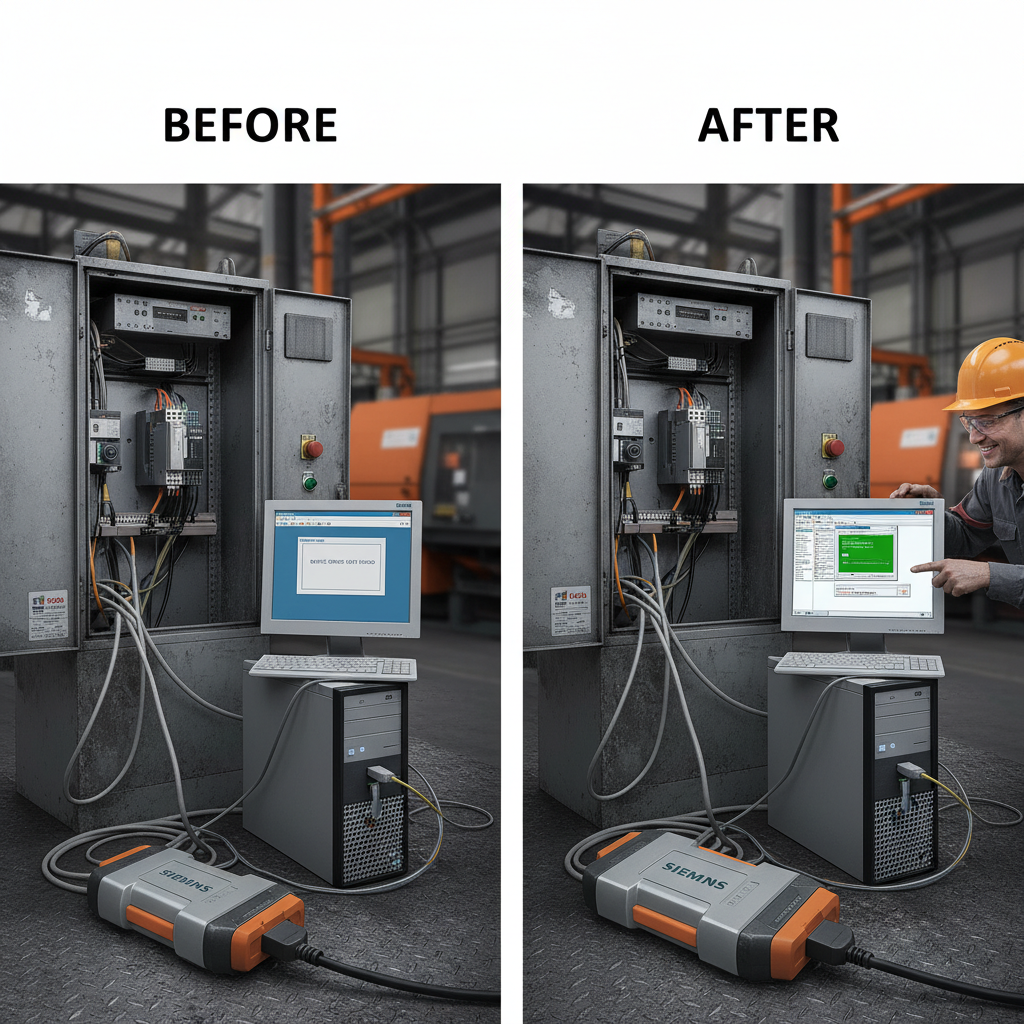
Comprehensive Guide to VFD Drive for 5 HP Motor - Efficiency & Control
Understanding VFD Drive for 5 HP Motor: Why It Matters More Than Ever
If you've ever dabbled in industrial automation or simply geeked out over efficient motor controls, then the vfd drive for 5 hp motor is probably a familiar term. But why all the buzz? In an age where energy efficiency, precision control, and sustainability converge, variable frequency drives (VFDs) tailored for 5 horsepower motors have become critical components across numerous sectors worldwide. From improving factory output to reducing carbon footprints, understanding how these drives function and what advantages they hold is invaluable.
Globally, electrical motor systems consume nearly half of all industrial electricity (IEA, 2023), so even small efficiency gains with a 5 hp motor — which is a popular size for pumps, fans, compressors, and conveyors — add up to massive energy savings. This piece will unravel what makes VFDs tick and why adopting them leads to smarter operations everywhere.
Global Context: The Rising Role of VFDs in Energy Conservation
The push for energy conservation isn't just a slogan anymore; it's a global imperative. According to the International Energy Agency (IEA), industrial motors accounted for almost 40% of global electricity consumption in 2022, and variable frequency drives have been noted as one of the top technologies to reduce this demand. Specifically, a 5 hp motor controlled by a VFD can trim energy usage by 20-50%, depending on the application—a hefty figure when scaled worldwide.
Still, many industries struggle with inefficient on-off motor control, causing wasted energy and premature equipment wear. The vfd drive for 5 hp motor solves this by allowing variable speed operation, adapting power consumption exactly to the task. The global urgency to decarbonize and cut operational costs is pushing more facilities to retrofit or design with VFDs at the core.
Defining the VFD Drive for a 5 HP Motor
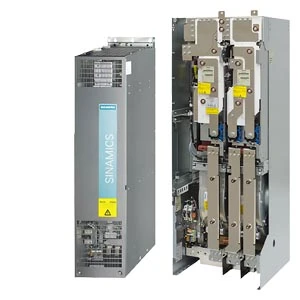
Simply put, a variable frequency drive is an electronic device that adjusts the speed and torque of an electric motor by altering the frequency and voltage of its power supply. When we say “VFD drive for 5 hp motor,” we mean a VFD unit specifically designed to manage a motor rated around 5 horsepower—big enough for many medium-duty industrial tasks yet small enough for flexible deployment.
Why is this important? For starters, the 5 hp category hits a sweet spot: common in HVAC systems, water pumping, light manufacturing lines, and even agriculture. Using a VFD here means you’re not stuck with a motor spinning at full blast all the time—saving energy and reducing mechanical stress. It’s kind of like cruising a car gently instead of flooring the gas pedal constantly.
Core Components and Critical Factors of a 5 HP VFD Drive
1. Input Power Compatibility
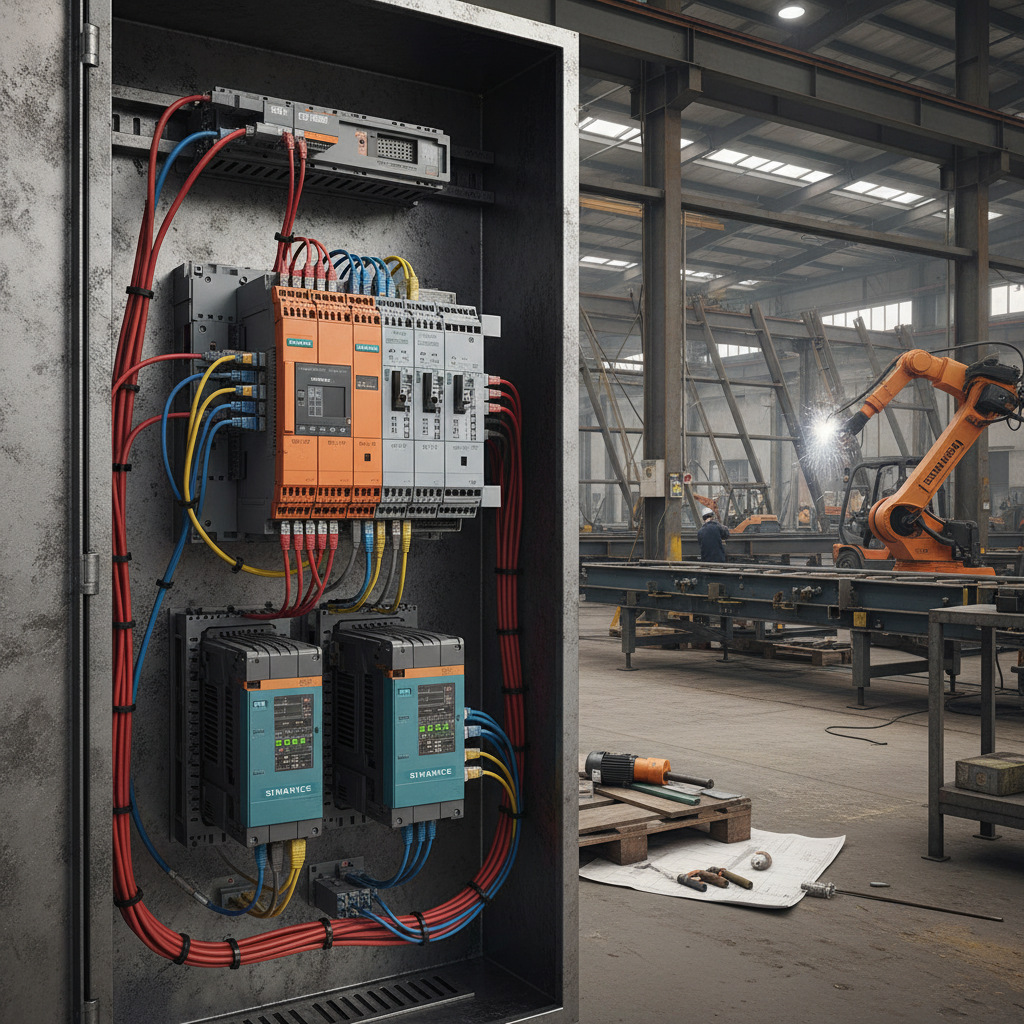
These drives usually support a range of input voltages, commonly 200–240V single or three-phase supply, to suit industrial power systems worldwide. Ensuring correct voltage handling is essential to prevent damage and trouble-free operation.
2. Control Methodology
Modern VFDs utilize pulse width modulation (PWM) technology to give smooth, precise control over speed and torque. Some also integrate advanced programmable logic to customize acceleration curves, braking, and fault protections.
3. Thermal Management & Durability
VFDs generate heat during operation. Efficient cooling (like fan or heat sink design) is crucial to extend life and maintain reliability especially in harsh environments.
4. User Interface and Connectivity
Many drives now feature intuitive displays, simple parameter settings, and communication protocols (Modbus, CAN, Ethernet) to integrate with automation systems or remote monitoring.
5. Safety and Overload Protection
Built-in overcurrent, short-circuit, and thermal protection safeguard both motor and drive—vital for maintaining trust in demanding scenarios.
Mini Takeaway:
Choosing a VFD drive for a 5 hp motor isn't just plugging in a gadget; it's selecting a finely balanced system of electrical, thermal, and control components that work together to make your motor smarter, safer, and more efficient.
Where and How VFD Drives for 5 HP Motors Are Changing the World
The versatility of a 5 hp VFD finds application in a surprising variety of contexts:
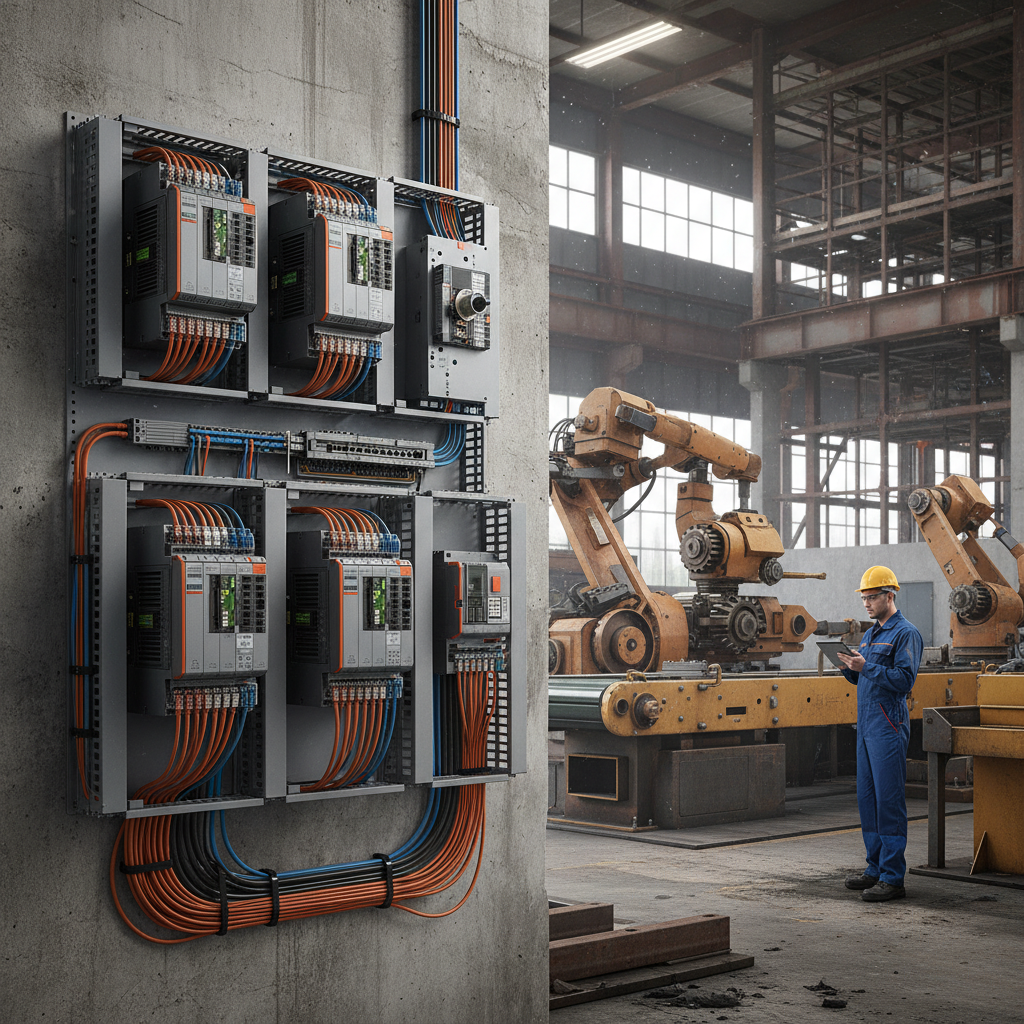
- Water treatment plants use them to regulate pumps, minimizing energy while maintaining crucial water flows.
- HVAC systems rely on VFDs for fans and chillers, balancing comfort and efficiency in commercial buildings worldwide.
- Manufacturing lines benefit from variable speed conveyors and mixers, enhancing process control.
- Remote mining operations employ VFDs for machinery to reduce fuel consumption and extend equipment life.
For example, some parts of Africa have integrated VFD-driven 5 hp motors into solar-powered irrigation systems, allowing sustainable farming without power grid dependency.
Advantages and Long-Term Value of This Technology
Adopting a VFD for a 5 hp motor brings tangible returns:
- Energy and cost savings: Up to half the electricity usage, translating to lower bills and less environmental impact.
- Extended equipment life: Soft starting and controlled acceleration protect mechanical parts.
- Operational flexibility: Adjust speeds as you go — no need for multiple motors or belt changes.
- Improved safety: Built-in protections and smoother motor runs reduce accident risks.
- Supports sustainability goals: Aligns with ISO 50001 energy management standards and corporate responsibility.
In human terms, it means safer workplaces and less worry about unpredictable energy costs. As factories and facilities face rising operational challenges, VFDs provide a trusted tool for innovation.
Product Specification Table: Typical VFD Drive for 5 HP Motor
| Specification | Typical Value |
|---|---|
| Power Rating | 5 HP (3.7 kW) |
| Input Voltage | 200–240 V, Single/Three-phase |
| Output Frequency Range | 0.1 – 400 Hz |
| Control Method | PWM with Vector Control |
| Protection | Overcurrent, Ground Fault, Thermal |
| Communications | Modbus, CAN, Ethernet (optional) |
| Operating Temp | -10°C to 50°C |
| Dimensions | 150 x 110 x 90 mm (approx.) |
Vendor Comparison: Popular VFD Drives for 5 HP Motors
| Feature | Vendor A - PowerDrive | Vendor B - EconDrive | Vendor C - FlexiVolt |
|---|---|---|---|
| Price (USD) | $450 | $400 | $475 |
| Warranty | 3 Years | 2 Years | 3 Years |
| Communication Protocol | Modbus, Ethernet | Modbus | Modbus, CAN |
| Overload Protection | Yes | Limited | Yes |
| Enclosure Rating | IP54 | IP20 | IP54 |
| Customer Support | Global 24/7 | Regional | 24/5 |
Emerging Trends and Innovations Shaping the Future
Frankly, we're in the middle of a quiet revolution with VFD technology. The drive for greener energy has pushed manufacturers to develop even more efficient inverters with silicon carbide (SiC) semiconductors, slashing power losses. Digitalization is also making waves — VFDs now come equipped with IoT capabilities for predictive maintenance and remote analytics.
Meanwhile, integration with renewable energy sources like solar and wind, and compliance with ever stricter ISO and IEC standards, means VFDs are evolving with the planet’s needs. One can imagine a near future in which these little drives not only save energy but communicate seamlessly within a smart factory or grid.
Common Challenges and Practical Solutions
That said, embrace with caution. Electrical noise generated by VFDs can cause interference with sensitive instrumentation, often requiring additional filters or shielding—another cost factor. Also, the upfront investment compared to basic starters may seem high for small operators.
Yet, many engineers advocate for education and smart installation practices to overcome these hurdles. For example, choosing vendors who provide solid technical support or drives designed with built-in EMI filters reduces headaches. And as more businesses calculate life cycle costs, initial expenses begin to fade into the background.
FAQ: Frequently Asked Questions About VFD Drive for 5 HP Motor
Q1: Can a VFD for a 5 HP motor improve my energy bill significantly?
A1: Absolutely. Since VFDs allow motors to run only at required speeds, energy savings of 20-50% are common, especially in load-variable applications like pumps and fans.
Q2: Are all VFDs compatible with any 5 HP motor?
A2: Generally yes, but it's important to match the motor type (e.g., induction) and voltage ratings. Always check specs to ensure compatibility and avoid damage.
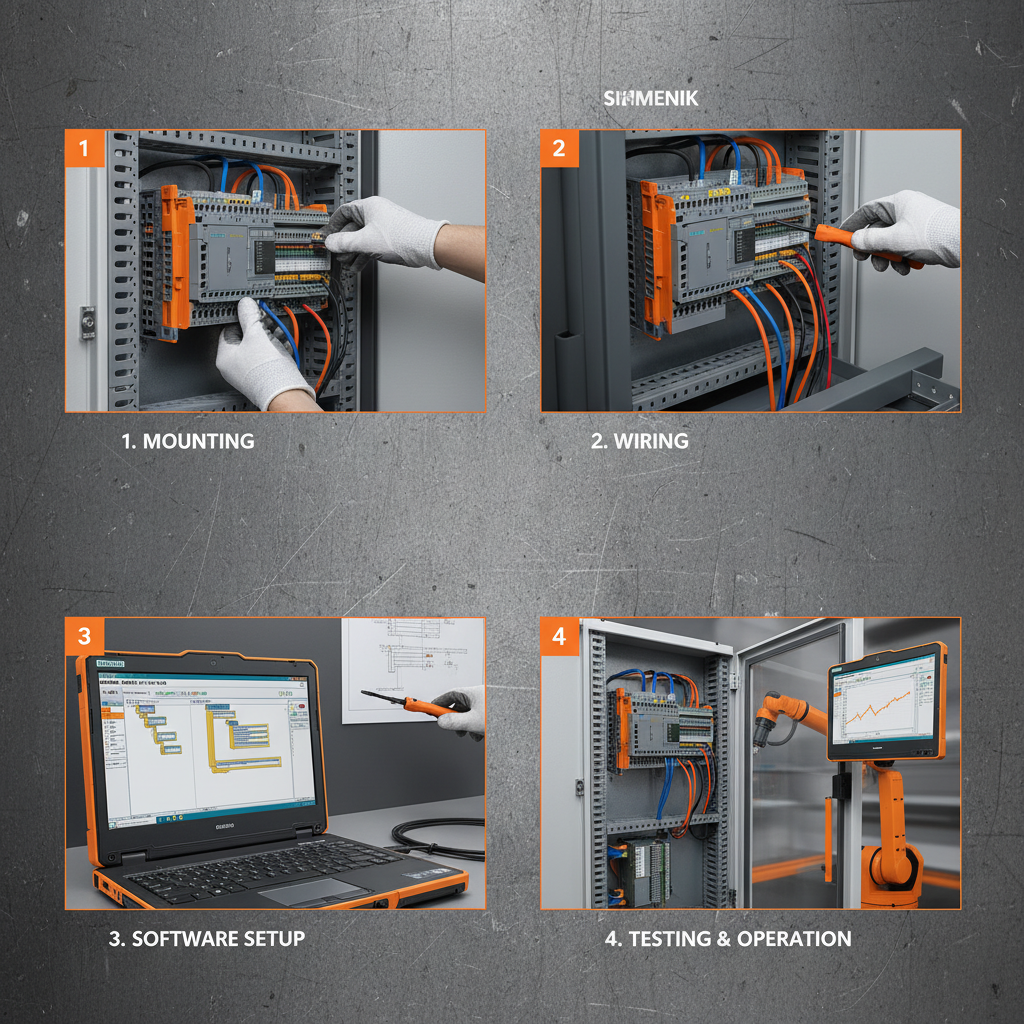
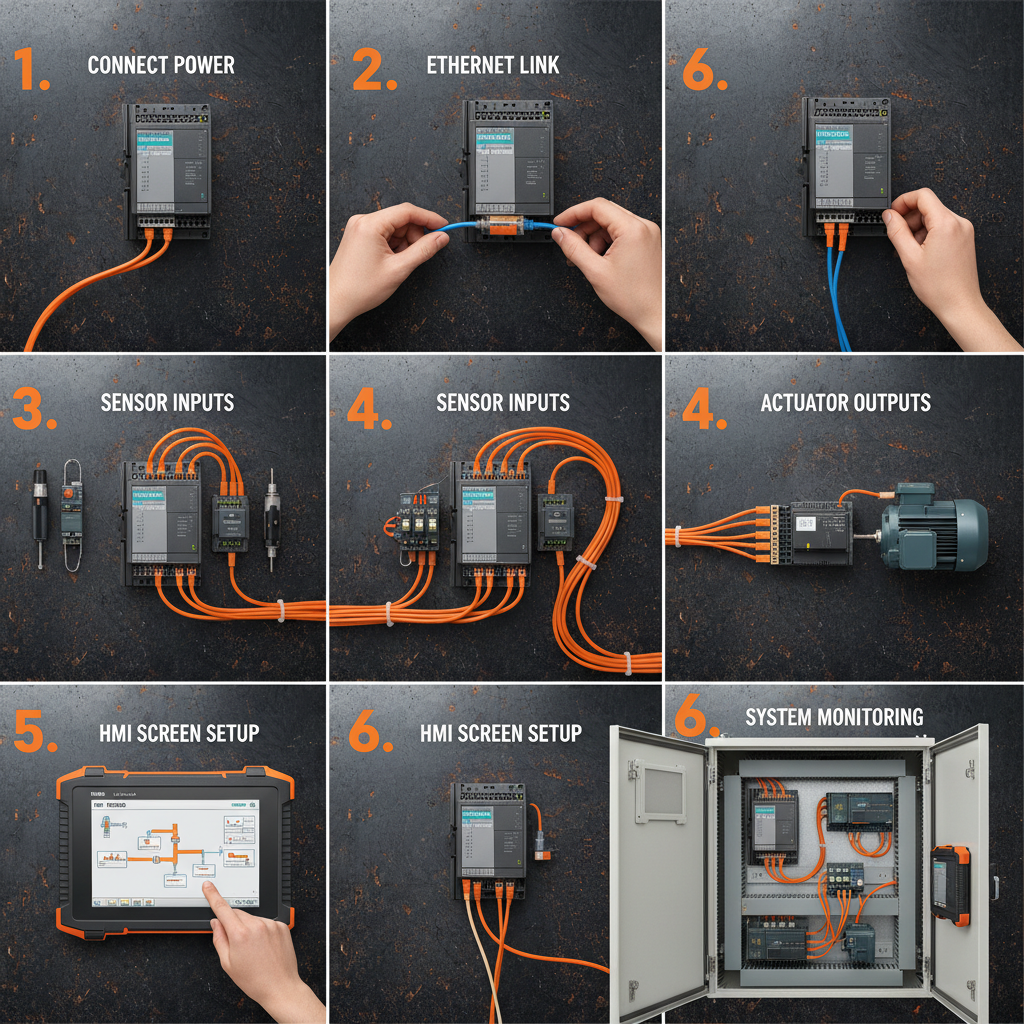
Q3: How difficult is installation and setup of a VFD for a 5 HP motor?
A3: With basic electrical knowledge, installation is straightforward but should be performed by qualified personnel. Modern drives come with user-friendly interfaces to simplify setup.
Q4: Will a VFD reduce mechanical wear on my motor?
A4: Yes, by enabling soft starts and controlled acceleration, VFDs reduce mechanical stress, extending motor and belt life.
Q5: Can VFDs help in achieving sustainability certifications?
A5: They can contribute significantly by lowering energy consumption, supporting ISO 50001 energy management standards and reducing carbon footprints.
Conclusion: Why a VFD Drive for 5 HP Motor Is a Smart Investment
Roughly put, in the quest for efficiency, cost-saving, and sustainability, the vfd drive for 5 hp motor represents a key piece of the puzzle. It’s not just about controlling motor speed, but about smart energy use, operational flexibility, and future-proofing your equipment.
If you're aiming for improved performance with lower energy bills and better environmental stewardship, considering a VFD drive makes all the sense. Visit our website here to explore options tailored for your specific needs.
Final Mini Takeaway:
VFD drives optimize motors in a way that’s quite literally transforming industries — quietly, efficiently, and sustainably.