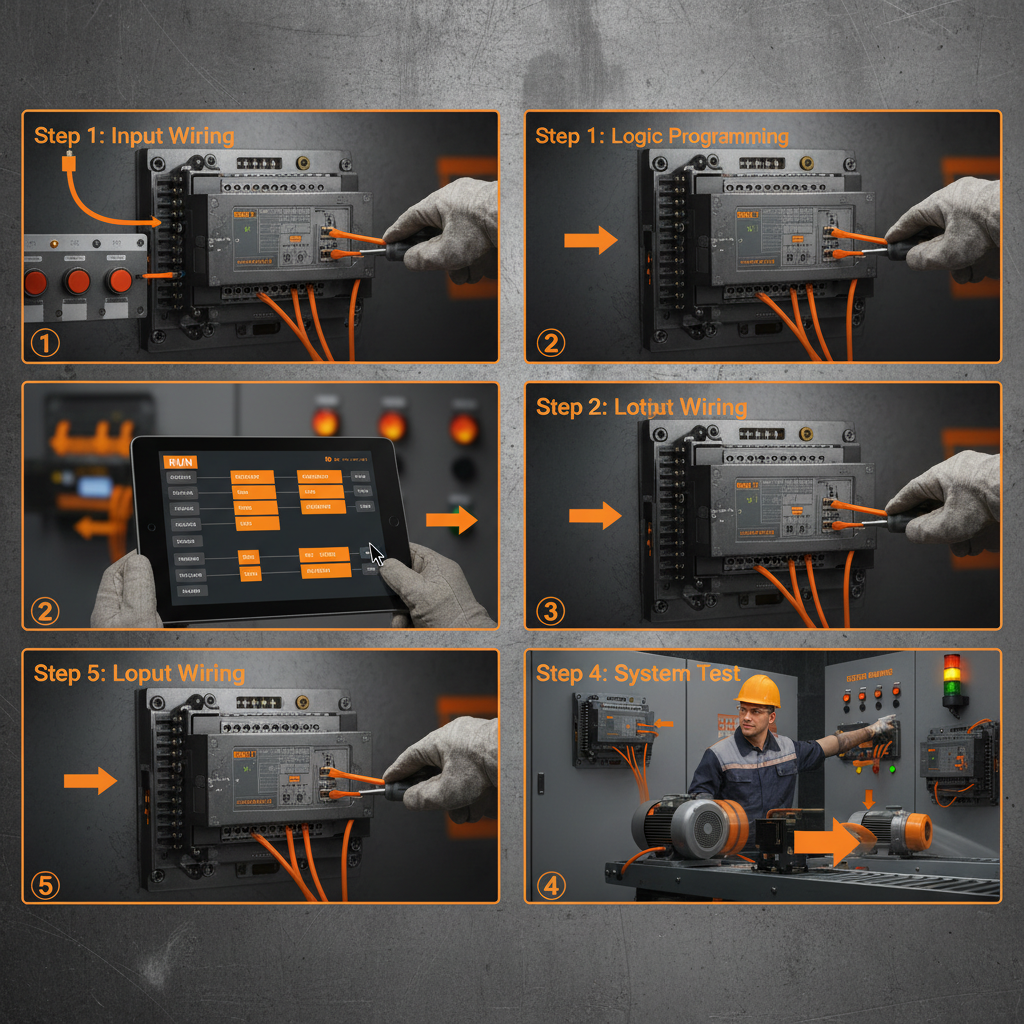
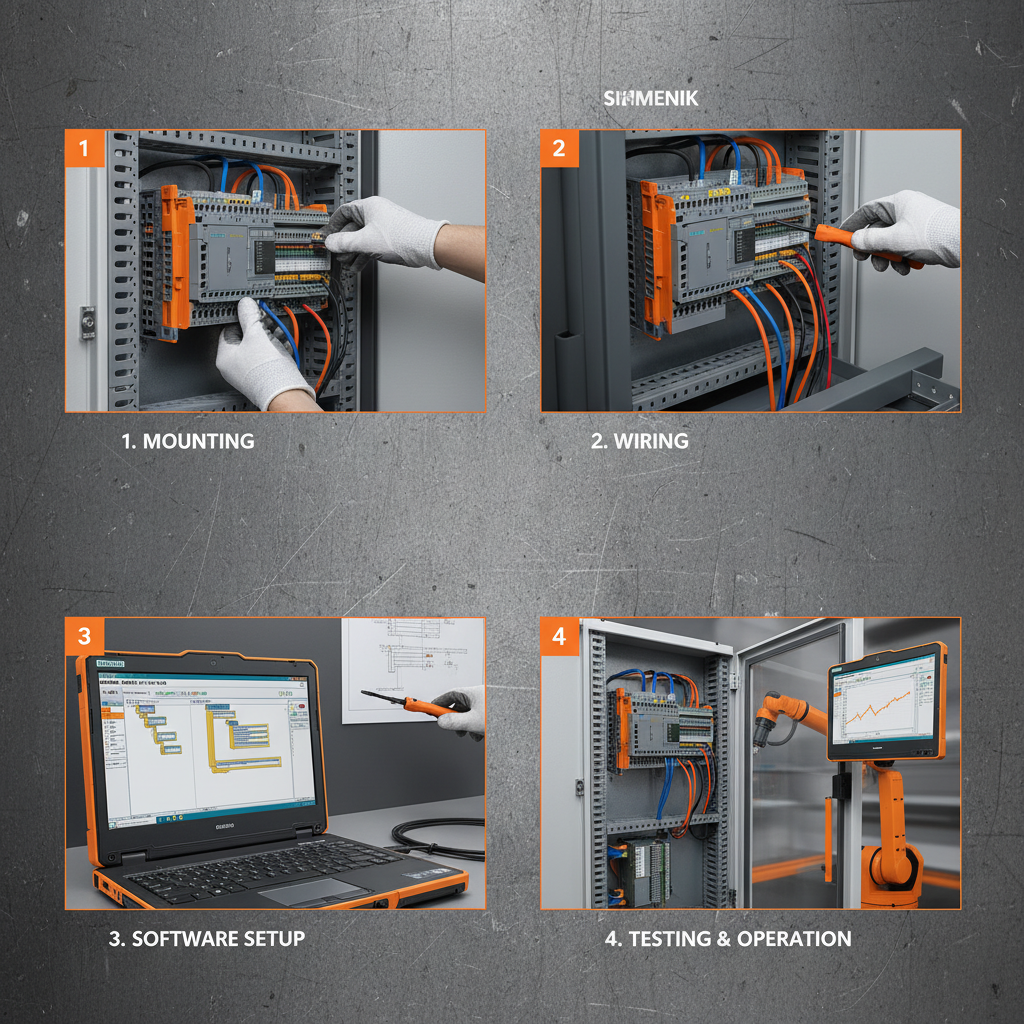
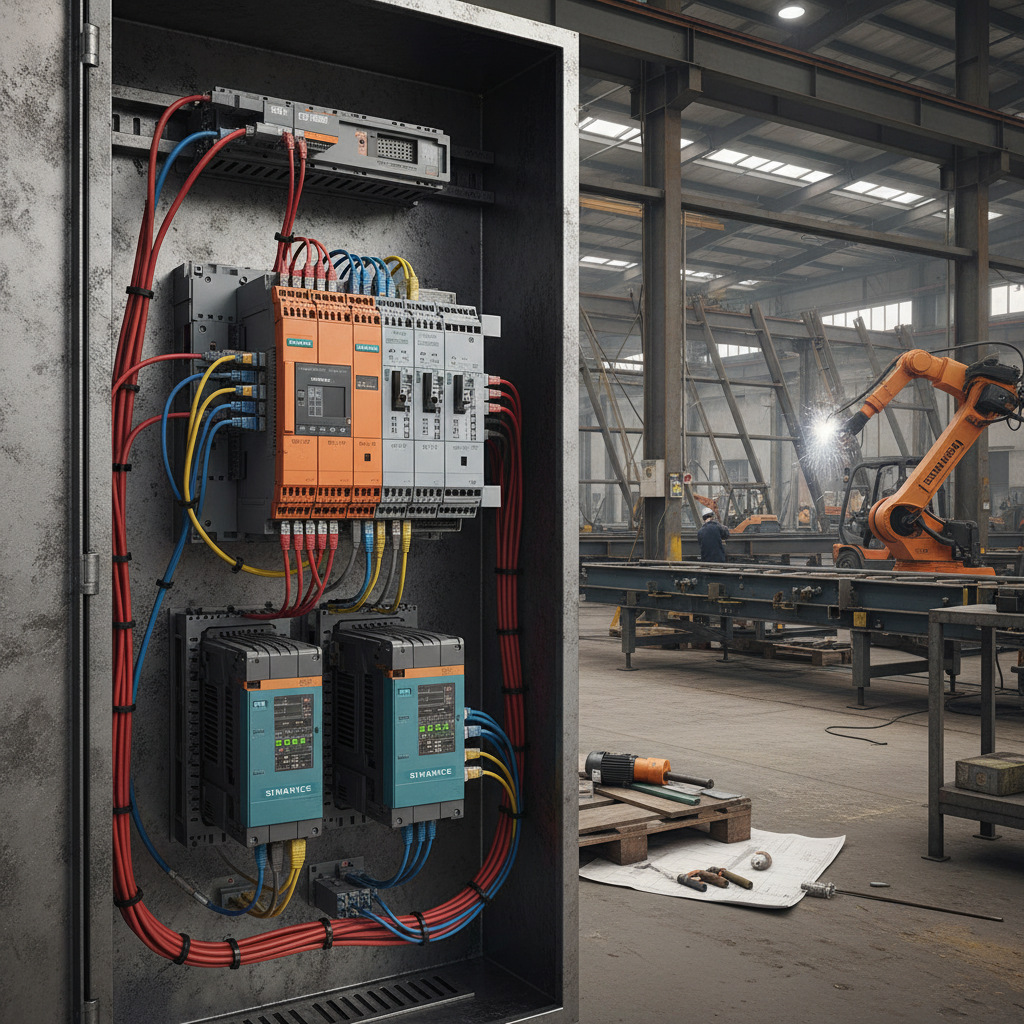
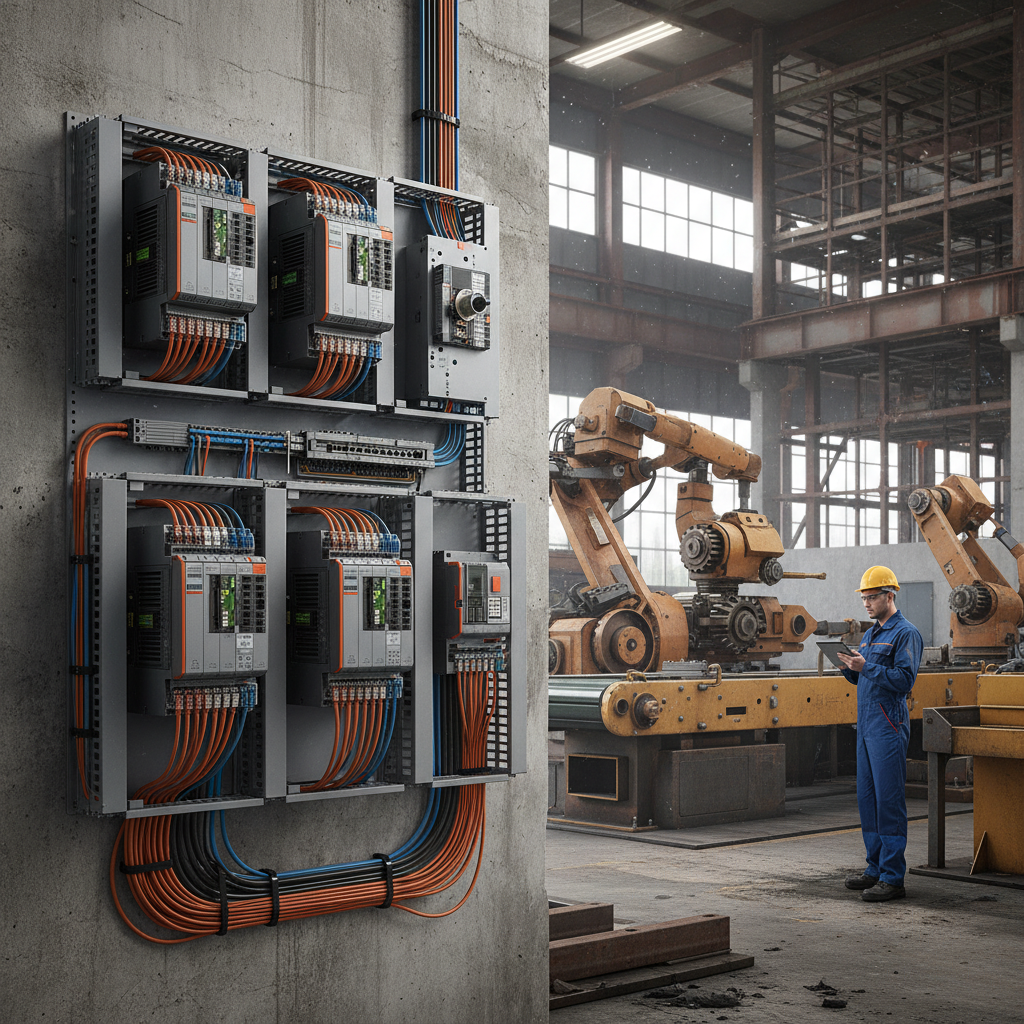
Understanding the Working Principle of VFD Drive PDF – A Guide for Industrial Efficiency
Understanding the Working Principle of VFD Drive PDF: A Key to Modern Industrial Efficiency
The working principle of VFD drive PDF might sound like a straightforward technical phrase, but it unlocks a world of efficiency and control for today’s industries. Variable Frequency Drives (VFDs) are essential devices that manage motor speed and torque by adjusting input power frequency. Knowing how they work — described thoroughly in many working principle of vfd drive pdf resources — is critical for engineers, facility managers, and businesses aiming for energy savings and equipment longevity. Globally, industries increasingly rely on VFDs to reduce energy usage, cut operational costs, and enhance sustainability.
Why does this matter on such a big scale? According to the International Energy Agency (IEA), electric motor systems account for about 45% of global electricity consumption. Controlling motor speed smartly, via VFDs, can yield energy savings of up to 30% in many applications — a game changer for CO2 reduction goals and cost containment. Understanding the working principle of these devices through detailed PDFs and manuals provides the foundation for effective implementation.
What Is the Working Principle of VFD Drive PDF?
Simply put, a Variable Frequency Drive adjusts the frequency and voltage supplied to an electric motor, allowing precise speed control without throttling or mechanical adjustments. The working principle of VFD drive PDF documents typically illustrate this process in depth: incoming AC power is converted into DC via a rectifier, then this DC voltage is converted back into a variable-frequency AC output using an inverter. This frequency control determines motor speed, enhancing flexibility and efficiency in applications from fans and pumps to conveyors and elevators.
This technology aligns closely with modern industry’s demand for cost-effective, sustainable, and automated processes. From manufacturing plants in Germany to water treatment facilities in Kenya, mastering the working principle of VFDs helps improve operational control and resource management.
Core Components Behind the Efficiency
1. Rectifier Unit
This converts incoming AC electrical input into direct current (DC). The quality of this stage influences the overall drive’s efficiency and power factor.
2. DC Bus
Serves as an energy storage and smoothing section, using capacitors or inductors to maintain a stable DC output before inversion.
3. Inverter Unit
This converts the DC back into an AC output but with adjustable frequency and voltage, controlling motor speed precisely.
4. Control System
The “brain” of the VFD that uses digital signals and processors to regulate output frequency based on user inputs or sensor feedback.
5. Cooling System
Essential for maintaining safe operating temperatures, enhancing reliability and longevity.
Mini Takeaway:
The working principle of VFD drives hinges on power conversion stages and precise control algorithms, which together optimize motor operations for better efficiency and flexibility.
Global Applications of VFD Technology
From the sprawling manufacturing hubs of China to energy-conscious European cities, VFD drives run quietly behind much of today’s industrial progress. For example:
- Water treatment plants: Regulating pump speeds reduces energy spikes and ensures steady pressure without wastage.
- HVAC systems: VFDs adjust fan speed to improve indoor air quality whilecutting energy use.
- Mining operations: In remote locations like Australia’s outback, VFDs help safeguard motors against fluctuating loads.
- Renewable energy: Wind turbines often incorporate VFDs to synchronize generator speeds with grid frequency.
In disaster-relief scenarios, mobile generators equipped with VFDs provide reliable power with efficient fuel use, underlining their humanitarian impact. It’s fascinating how one innovation touches so many fields, often without being noticed by the end user.
Advantages and Long-Term Value
The immediate benefits are clear: energy savings, reduced equipment wear, and lowered maintenance. But there’s more—a sort of trust built into operational resilience. Factory managers often say that investing in VFD technology feels like insuring their motors against unpredictable loads and power surges.
- Cost savings: Reduced energy bills, fewer breakdowns.
- Sustainability: Lower emissions through efficient energy use.
- Safety enhancement: Controlled motor acceleration and deceleration avoid mechanical stress.
- Flexibility: Easily integrates with automation and remote monitoring systems.
Product Specification Table: Typical VFD Drive
| Specification | Details |
|---|---|
| Input Voltage | 380V - 480V AC (3-phase) |
| Output Frequency | 0 - 400 Hz (variable) |
| Power Range | 0.5 kW to 500 kW |
| Control Method | V/f control, vector control |
| Communication | Modbus, CANopen, Ethernet/IP |
| Protection Features | Overcurrent, overload, overtemperature |
Comparing Top VFD Vendors: A Quick Overview
| Vendor | Cost Range | Best For | Warranty | Global Presence |
|---|---|---|---|---|
| Siemens | $$$ | High-performance industrial | 3 years | Worldwide |
| ABB | $$$ | Robust industrial & automation | 3 years | Global |
| Delta Electronics | $$ | Energy-saving solutions | 2 years | Asia & Americas |
| Yaskawa | $$$ | Motion control & robotics | 3 years | Worldwide |
Future Innovations in VFD Technology
Looking ahead, VFDs are not just about basic motor control anymore. Oddly enough, integration with IoT, AI-driven predictive maintenance, and even IoT cloud platforms is transforming how VFDs serve industries. This means motors can self-diagnose issues, schedule service before downtime hits, and even adjust in real-time to changing process needs.
Green energy integration is another exciting frontier. VFDs paired with solar or wind power systems can smooth out power fluctuations, helping stabilize grids increasingly fueled by renewables. The working principle of VFD drive PDF documents evolving to include these sophisticated control schemes is a must-study for anyone interested in next-gen automation.
Challenges & Practical Solutions
Of course, the journey isn’t without bumps. Electromagnetic interference (EMI), initial installation costs, and complexity of programming are common hurdles. However, modular designs and user-friendly interfaces are making VFDs more accessible than ever. Plus, proper training and consulting with experienced vendors can prevent headaches down the line.
FAQ: Frequently Asked Questions About Working Principle of VFD Drive PDF
- Q: What is the main benefit of understanding the working principle of VFD drive PDF?
A: It allows professionals to select, install, and maintain VFDs optimally, ensuring energy efficiency and prolonged motor life. - Q: Can VFDs be used with any motor type?
A: VFDs are commonly used with three-phase induction motors but may require compatibility checks for others. - Q: How do VFDs contribute to sustainability goals?
A: By reducing energy consumption and operational waste, VFDs lower carbon footprints and map well to green policies. - Q: Are VFD manuals in PDF format useful for on-site troubleshooting?
A: Yes, detailed PDFs with diagrams and step-by-step guides help technicians quickly resolve issues in the field.
Conclusion: Embrace the Technology, Empower Your Operations
To sum up, mastering the working principle of VFD drive PDF is more than academic — it’s a lever for real-world savings and innovation. For companies aiming to stay competitive and sustainable, diving deep into these technical resources is worth every minute. Whether you’re upgrading an industrial plant or developing new solutions, understanding VFDs opens pathways to smarter, cleaner energy use.
Interested in exploring detailed PDFs or consulting on VFD selection? Visit our website: https://www.tianjinyongkai.com — we’re ready to guide you.
Quick Takeaway: VFD technology is quietly revolutionizing global industry by marrying power control with efficiency — making it a must-know for sustainable operations.