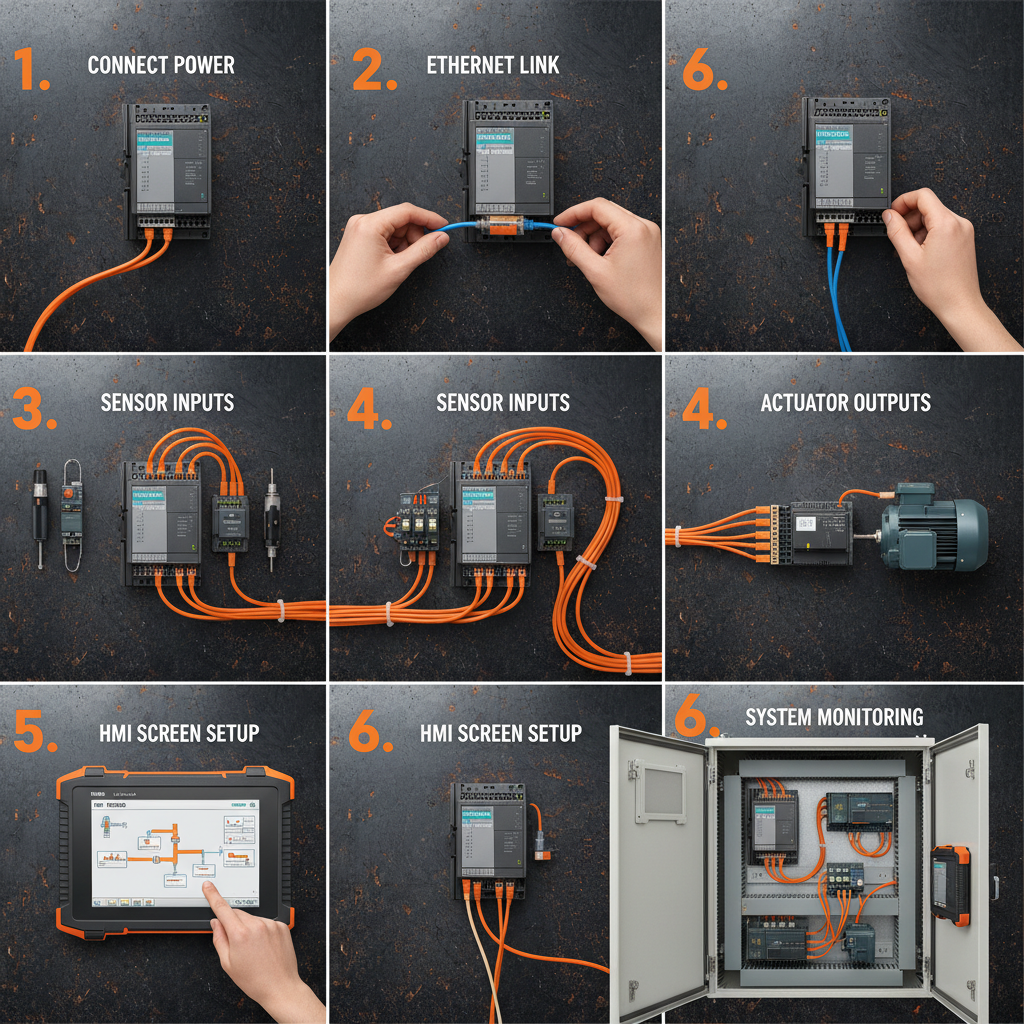
Understanding Variable Frequency Drives What Does VFD Mean and How They Work
What Does VFD Stand For? A Comprehensive Guide
Variable Frequency Drives (VFDs) are becoming increasingly essential in modern industrial applications. But what does VFD actually mean, and how can it benefit your operations? This article will delve into the details of VFDs, exploring their functionality, applications, benefits, and key considerations for implementation. We’ll cover everything from the basic definition to the advantages of using VFDs in various industrial settings, helping you understand whether a VFD is the right solution for your needs.
Understanding the Core: What is a VFD?
VFD stands for Variable Frequency Drive. It’s a type of motor controller that drives an AC induction motor by varying the frequency and voltage supplied to the motor. Essentially, a VFD allows you to precisely control the speed of the motor, offering significant energy savings and process improvements. Traditionally, motor speed was controlled using mechanical methods like gears or dampers, which were often inefficient. VFDs provide a more sophisticated and efficient solution by electronically controlling the motor’s operation. They are critical components in many industrial automation systems, enabling precise control and optimization of processes. If you are considering upgrading your motor control system, explore the VFD solutions offered by Tianjin Yongkai.
Key Takeaway: A VFD controls motor speed by adjusting the frequency and voltage of the power supply, offering greater efficiency and control compared to traditional methods.
How Do VFDs Work? The Technical Breakdown
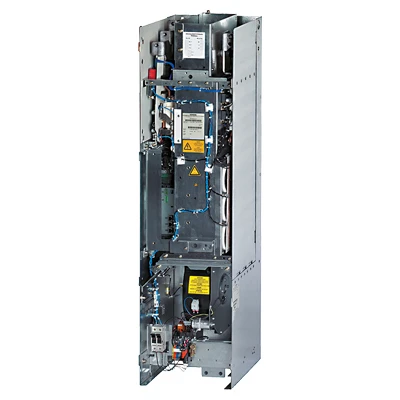
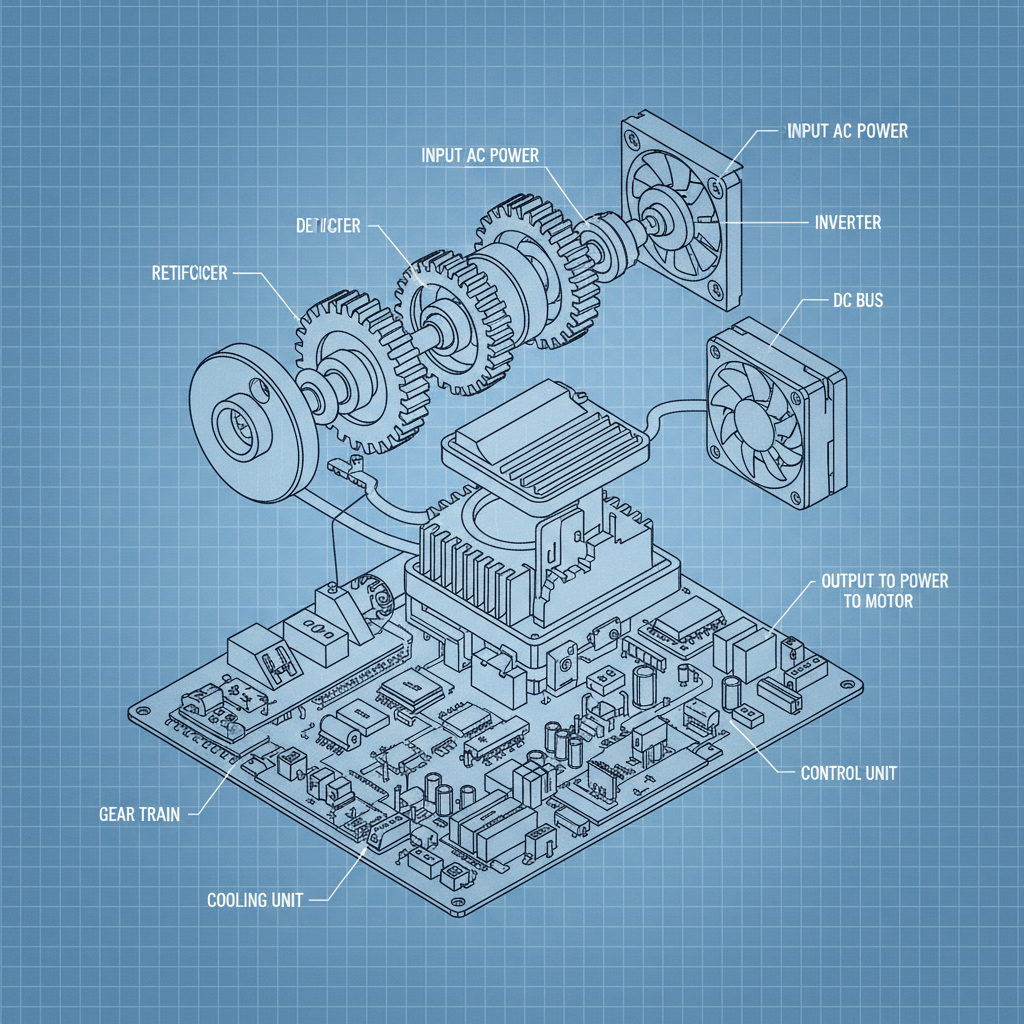
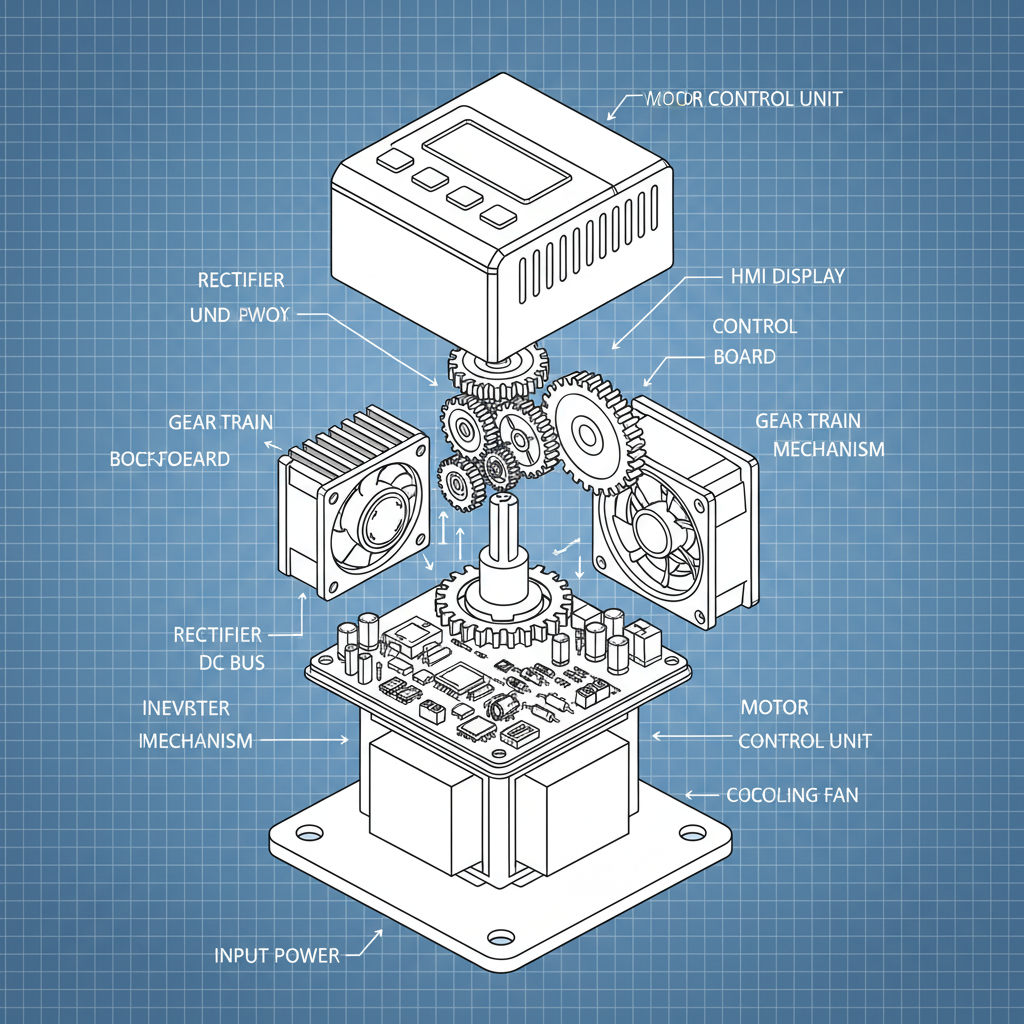
A VFD typically consists of a rectifier, a DC link, an inverter, and a control circuit. The rectifier converts the incoming AC power into DC power. The DC link filters and stabilizes the DC voltage. The inverter then converts the DC power back into AC power, but with a variable frequency. The control circuit governs this entire process, allowing you to set the desired motor speed and other parameters. By altering the frequency, the VFD directly controls the motor’s rotational speed, with a direct relationship between the frequency and the motor’s speed. This sophisticated process provides precise motor control and adaptability.
VFD Working Principles:
• Rectifier: Converts AC to DC.
• DC Link: Filters and stabilizes DC voltage.
• Inverter: Converts DC back to variable frequency AC.
• Control Circuit: Manages the entire process.
VFD vs. Traditional Motor Control Methods
Compared to traditional methods like using gears, dampers, or starters, VFDs offer significant advantages. Traditional methods often result in energy waste and limited control. VFDs, on the other hand, provide precise speed control, leading to energy savings and optimized processes. They also reduce mechanical stress on equipment, extending its lifespan. While the initial investment for a VFD might be higher, the long-term benefits in terms of energy efficiency and reduced maintenance costs often outweigh the upfront expense. Considering these factors is crucial when deciding on the best motor control solution. To learn more about our VFD offerings, visit Tianjin Yongkai’s VFD page.
Common Applications of VFDs Across Industries
VFDs are utilized in a wide range of applications, including pumps, fans, compressors, conveyors, and more. In the water and wastewater treatment industry, VFDs control pump speed to optimize flow rates and reduce energy consumption. In HVAC systems, they adjust fan speed based on demand, enhancing comfort and lowering energy costs. Manufacturing processes benefit from precise speed control for conveyors and other machinery. The versatility of VFDs makes them valuable in numerous sectors. Tianjin Yongkai provides VFDs for a variety of industries, optimizing processes and driving efficiency.
Choosing the Right VFD: Key Considerations
Selecting the appropriate VFD requires careful consideration of several factors. These include the motor's horsepower, voltage, and current requirements. Environmental conditions, such as temperature and humidity, also play a role. It’s important to choose a VFD with the appropriate protection features for the specific application. Consider factors like harmonic filtering and input power quality. Working with a reputable VFD supplier like Tianjin Yongkai can ensure you select the optimal VFD for your needs.
Conclusion: Embracing the Power of VFDs
Understanding what does VFD means and how it functions is crucial for optimizing industrial operations. By implementing VFD technology, businesses can achieve significant energy savings, improve process control, and extend equipment lifespan. Investing in a high-quality VFD from a trusted supplier like Tianjin Yongkai is a strategic move towards a more efficient and sustainable future.
Frequently Asked Questions (FAQs)
What are the main benefits of using a VFD?
The main benefits of using a VFD include energy savings, precise motor control, reduced mechanical stress on equipment, and extended equipment lifespan. VFDs allow you to match motor speed to the actual demand, reducing energy waste. They also improve process control and enhance system reliability. The cost savings achieved through reduced energy consumption and maintenance often justify the initial investment in a VFD.
Can a VFD be used with any type of motor?
While VFDs are most commonly used with AC induction motors, they can also be used with synchronous motors and other types of motors with appropriate modifications. However, it’s crucial to ensure compatibility between the VFD and the motor to avoid damage or performance issues. It’s always recommended to consult with a VFD expert to verify compatibility before installation.
What maintenance is required for a VFD?
VFDs typically require minimal maintenance. Regular inspection of the cooling fan, filters, and connections is recommended. It's also important to monitor the VFD’s operating parameters, such as voltage and current, to ensure it's functioning correctly. Periodic cleaning to remove dust and debris can help prevent overheating. Following the manufacturer's recommendations for maintenance will prolong the VFD’s lifespan.
Are there any potential drawbacks to using a VFD?
While VFDs offer numerous benefits, there are some potential drawbacks. VFDs can generate harmonic distortion in the power system, which may require harmonic filters to mitigate. They also introduce electromagnetic interference (EMI), which needs to be addressed with proper shielding and grounding. The initial cost of a VFD is higher compared to traditional motor control methods, but this is often offset by long-term energy savings.