Tianjin Yongkai International Trade Co., Ltd.
0%

Table of Contents

To be honest, things have been moving fast in the VFD world lately. Everyone's chasing higher efficiency, smaller footprints, and more connectivity. Seems like every other week there’s a new protocol or feature being touted. But you spend enough time on sites, like I do, and you realize a lot of it’s just marketing fluff. What really matters is robustness and ease of use. I’ve seen too many fancy drives crash and burn in dusty environments.

Have you noticed how everyone’s obsessed with IoT integration? It's good, don't get me wrong, remote monitoring is great… but getting a simple motor running is still the core of the business. You'd be surprised how many engineers forget that. They get lost in the algorithms and forget the basics. It’s a classic case of over-engineering, if you ask me.

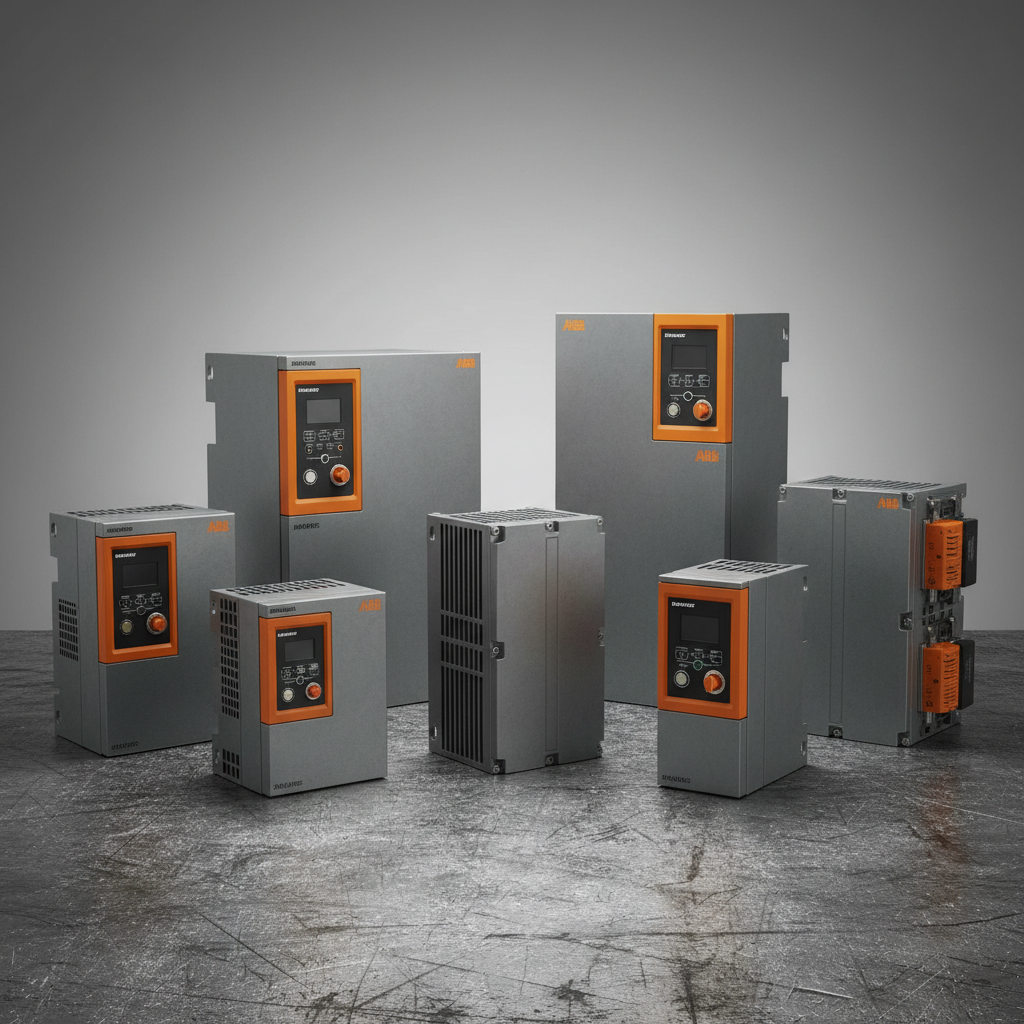
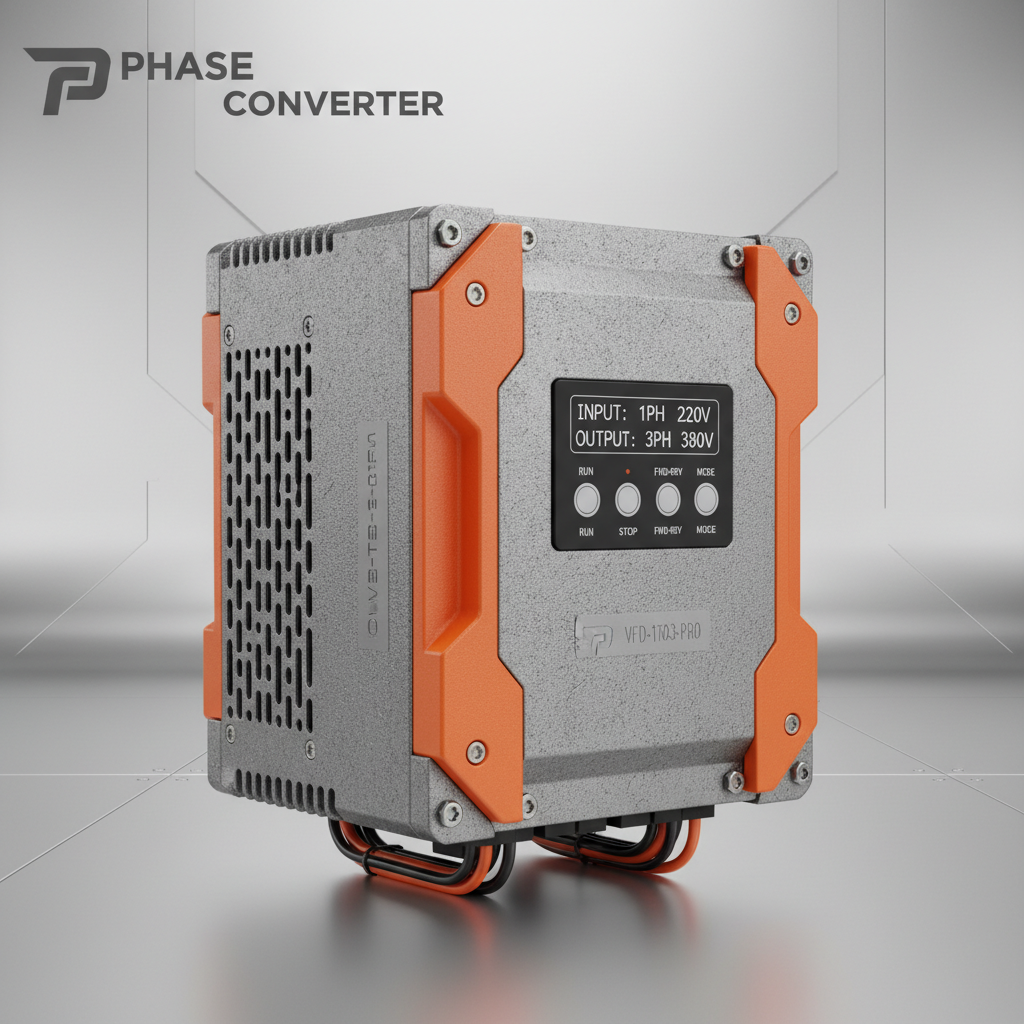
We’ve been focusing a lot on improving our china vfd designs, really digging into the details. It’s not glamorous work, but it’s essential.
Robust and Reliable China VFD Solutions for Industrial Applications

Industry Trends and Pitfalls

Robust and Reliable China VFD Solutions for Industrial Applications

Strangely enough, one of the biggest traps I see is focusing too much on peak efficiency and neglecting the full operating range. A drive might look great on a datasheet, but if it struggles with partial loads, it's useless. I encountered this at a textile factory last time, they bought some super-efficient drives, but they couldn't maintain consistent speed during variable loads. Disaster.

Another thing is ignoring thermal management. These things generate heat, plain and simple. Skimp on the heatsink, cram it into a tight enclosure, and you’re asking for trouble. We've been using copper heatsinks with forced air cooling in our latest china vfd models, and it’s made a huge difference.

Materials and Handling

Now, let's talk materials. The semiconductors, obviously, are key. We mostly use Infineon and Mitsubishi chips - they’re reliable. But the real difference is in the passive components. The capacitors… Those are the things that age and fail. We've been switching to Japanese Nichicon capacitors, they're more expensive, but the lifespan is significantly better. You can feel the difference in quality. They have a heavier feel, almost...substantial.

The enclosures are all aluminum alloy, powder-coated for corrosion resistance. We tried using some cheaper steel options a while back, but they just rusted through too quickly, especially in coastal environments. Plus, aluminum dissipates heat better.

And the wiring terminals? Don’t even get me started. I’ve seen so many drives with flimsy terminals that strip the wires. We use screw-clamp terminals with a spring mechanism. They hold tight, even with vibration.

Real-World Testing

Forget the lab tests. Those are useful for baseline measurements, but they don’t tell you what happens when the drive is covered in grease and dust, exposed to humidity, and subjected to constant vibration. We test our china vfd units in actual industrial environments. We've got a testing setup at a cement factory, a wastewater treatment plant, and a metalworking shop.

We run them 24/7, push them to their limits, and see what breaks. We monitor temperature, voltage, current, and speed. We even simulate power surges and outages. It’s brutal, but it’s the only way to be sure.

We also do vibration testing. It's amazing how much these machines shake! We use a shaker table to simulate real-world conditions. You'd be surprised how many components fall apart after just a few hours of shaking.

User Application and Expectations

Anyway, I think one thing people often underestimate is how users actually use these things. They don’t read the manuals, they don’t follow the instructions. They just want it to work. And they want it to be simple. That's why we focused on making the interface intuitive.

I've seen guys bypassing safety features just to get the motor running faster. It’s scary, but it happens. That’s why robust safety features are so important. It needs to be idiot-proof, basically.

china vfd Performance Metrics


Advantages and Disadvantages

Look, our china vfd are reliable, energy-efficient, and easy to use. That’s the pitch. They save people money on electricity, reduce downtime, and improve process control. But they’re not perfect. They’re more expensive than some of the cheaper options out there. And they require some knowledge to configure properly.

Honestly, the biggest disadvantage is the learning curve. Even with our simplified interface, it takes time to understand all the parameters and settings. It’s a tradeoff. You get more control and functionality, but it comes at the cost of complexity.

Customization Capabilities

We offer a good degree of customization. We can adjust the control parameters to match specific motor characteristics. We can also modify the enclosure to fit different mounting requirements.

For instance, last month, a customer wanted a drive with a specific communication protocol for their legacy system. It was a pain, but we managed to get it working. It involved some custom firmware coding and a lot of testing, but they were happy. We’re willing to go the extra mile for our customers.

A Customer Story

Last month, that small boss in Shenzhen who makes smart home devices insisted on changing the interface to . Said it was "more modern." I tried to explain that the standard industrial connector was more reliable and easier to maintain. He wouldn't listen.

He ended up with a bunch of drives that didn't work with his existing wiring. He had to spend a fortune on adapters and rewiring. Lesson learned, I guess. Sometimes, "modern" isn't better.

Anyway, I think he finally understood the value of sticking with proven technology.

Summary of Key Performance Parameters

Parameter Unit Typical Value Acceptable Range
Output Frequency Hz 50/60 0-500
Output Voltage V 220/380 180-480
Overload Capacity % 150 120-200
Switching Frequency kHz 10 2-16
Efficiency % 98 95-99
Protection Level IP IP20 IP20-IP55

FAQs

What is the typical lifespan of a china vfd?

That’s a good question. It really depends on the environment and the workload, but generally, with proper maintenance, you can expect 5-10 years of reliable service. We’ve seen some units last even longer, but it’s not something you can guarantee. The capacitors are usually the first to go.

How does temperature affect the performance of a VFD?

Heat is the enemy of all electronics, and VFDs are no exception. High temperatures shorten the lifespan of components and can lead to performance degradation. That’s why proper ventilation and cooling are so important. We recommend keeping the ambient temperature below 40°C. Anything higher and you’re risking premature failure.

What's the difference between a standard and a heavy-duty VFD?

Heavy-duty VFDs are designed for demanding applications, like those involving high starting torque or frequent starts and stops. They have more robust components, better cooling systems, and often, higher overload capacity. Standard VFDs are fine for lighter-duty applications, but they won’t hold up as well in harsh environments.

Can your VFDs be used with different types of motors?

Yes, our VFDs are compatible with a wide range of motors, including induction motors, synchronous motors, and permanent magnet motors. However, you need to make sure the VFD is properly configured for the specific motor characteristics. We provide detailed documentation and support to help you get it set up correctly.

What kind of support do you offer after purchase?

We offer comprehensive support, including technical documentation, online resources, and phone support. We also have a team of experienced engineers who can provide on-site assistance if needed. We pride ourselves on our customer service. We’re here to help, even after the sale.

How do I choose the right size VFD for my application?

Choosing the right size VFD is crucial. You need to consider the motor’s horsepower, voltage, and current requirements. It’s always better to slightly oversize the VFD than to undersize it. We have a sizing calculator on our website that can help you determine the appropriate VFD for your needs. china vfd sizing is something we're quite good at.

Conclusion

So, where does this leave us? We’ve talked about the latest trends, the pitfalls to avoid, the importance of materials, and the need for real-world testing. Ultimately, a good china vfd is one that’s reliable, efficient, and easy to use, and it’s built to withstand the rigors of the industrial environment.

Look, all the fancy specs and features in the world don't matter if the thing doesn't work when you need it to. That’s why we focus on quality and durability. Ultimately, whether this thing works or not, the worker will know the moment he tightens the screw.


Charles Wilson

Charles Wilson

Charles Wilson is a dedicated Customer Relations Manager for Tianjin Yongkai International Trade Co., Ltd. He serves as the primary point of contact for US clients, addressing inquiries, resolving issues, and ensuring a seamless customer experience. Charles is known for his strong communication skills and his commitment to building lasting
Previous Expert Insights on Variable Frequency Drive Supplier Selection and Implementation
Next variable frequency drives manufacturer

If you are interested in our products, you can choose to leave your information here, and we will be in touch with you shortly.


vfd manufacturers in china