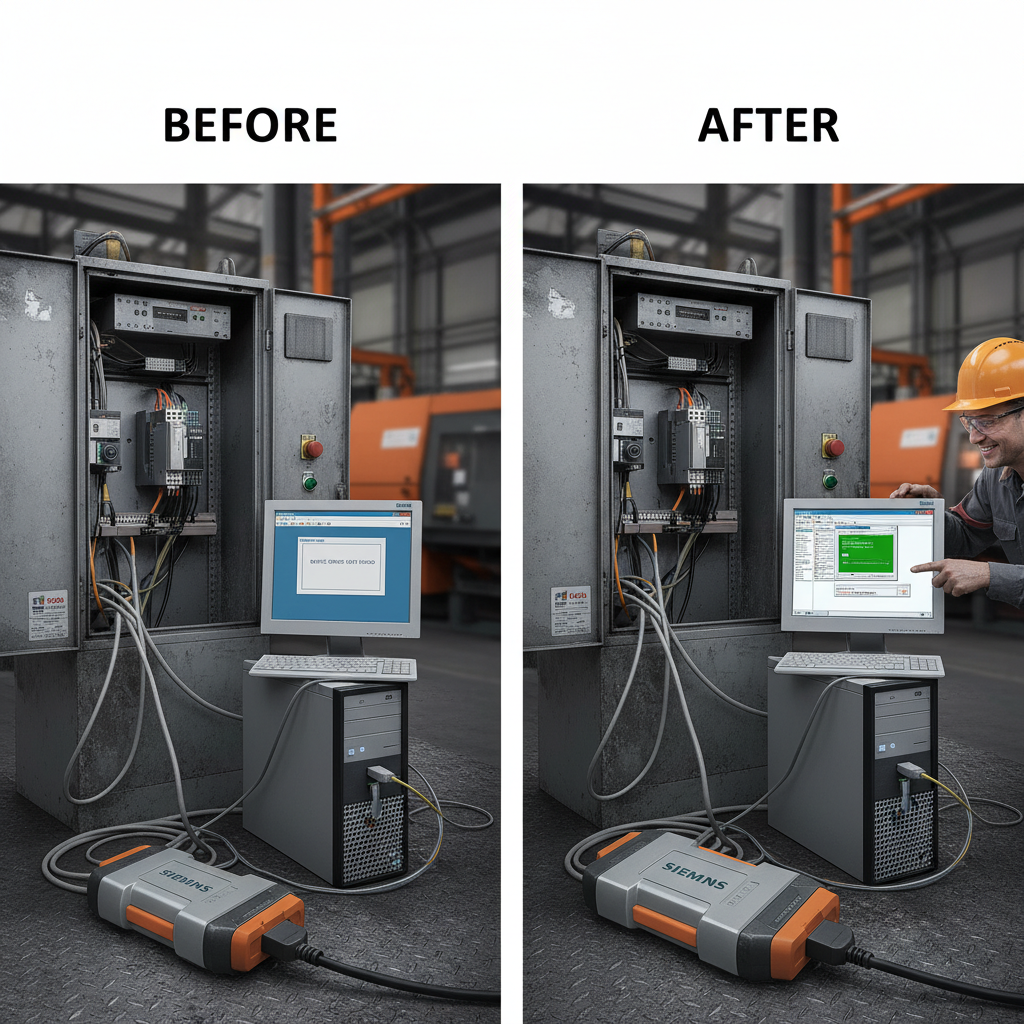
Comprehensive Guide to 220v VFD: Benefits, Applications & Leading Products
Understanding 220v VFD: A Small Device with Global Impact
Simply put, a 220v VFD (Variable Frequency Drive) is a device that controls motor speed by varying electrical frequency and voltage. But don’t let that straightforward definition fool you — the ripple effects of understanding and deploying 220v VFD technology stretch across industries and continents.
In an age where energy efficiency and smart automation aren't just buzzwords but imperatives, mastering how these drives operate and where they fit can unlock tangible savings, reliability boosts, and sustainability wins. For businesses aiming to modernize or engineers designing future-proof systems, the benefits of grasping 220v VFD tech are huge.
The Global Context: Why 220v VFD Matters More Than Ever
Across the globe, electric motors consume roughly 45% of all electricity used by industry, according to the International Energy Agency (IEA). Many of these motors run inefficiently on fixed speeds, wasting energy—and money. Enter the 220v VFD.
Regions with dense industrial sectors, from Southeast Asia to parts of Europe, rely heavily on 220v single-phase or three-phase VFDs to optimize electric motor operation. Additionally, in remote or developing areas where power grids are inconsistent, 220v VFDs offer a way to moderate energy use without costly overhauls.
But the real challenge arises when you consider that millions of older systems still run without any motor speed control, ignoring the environmental and economic strain. That’s where upgrading to devices like 220v VFDs can rewrite energy consumption narratives in a really significant way.
What Exactly Is a 220v VFD and Why It’s Handy?
Put simply, a 220v VFD is a motor controller designed to operate on 220 volts, allowing varying of the frequency and voltage supplied to electric motors. By doing so, it controls motor speed, torque, and acceleration—quite crucial for machinery that demands flexibility and precision.
Think about a conveyor belt system in a factory—sometimes it needs to move fast to meet demand, other times slower for safety or delicacy. Traditional motors lack this flexibility unless mechanically adjusted, but VFDs make it electronic and seamless.
In humanitarian settings, from water pumping in drought-stricken villages to ventilator controls in hospitals, 220v VFDs prove their relevance by offering fine-tuned power management with less wear on equipment. That’s reliability where it can truly matter—saving time, money, and even lives.
Key Factors Shaping 220v VFD Performance
1. Durability and Build Quality
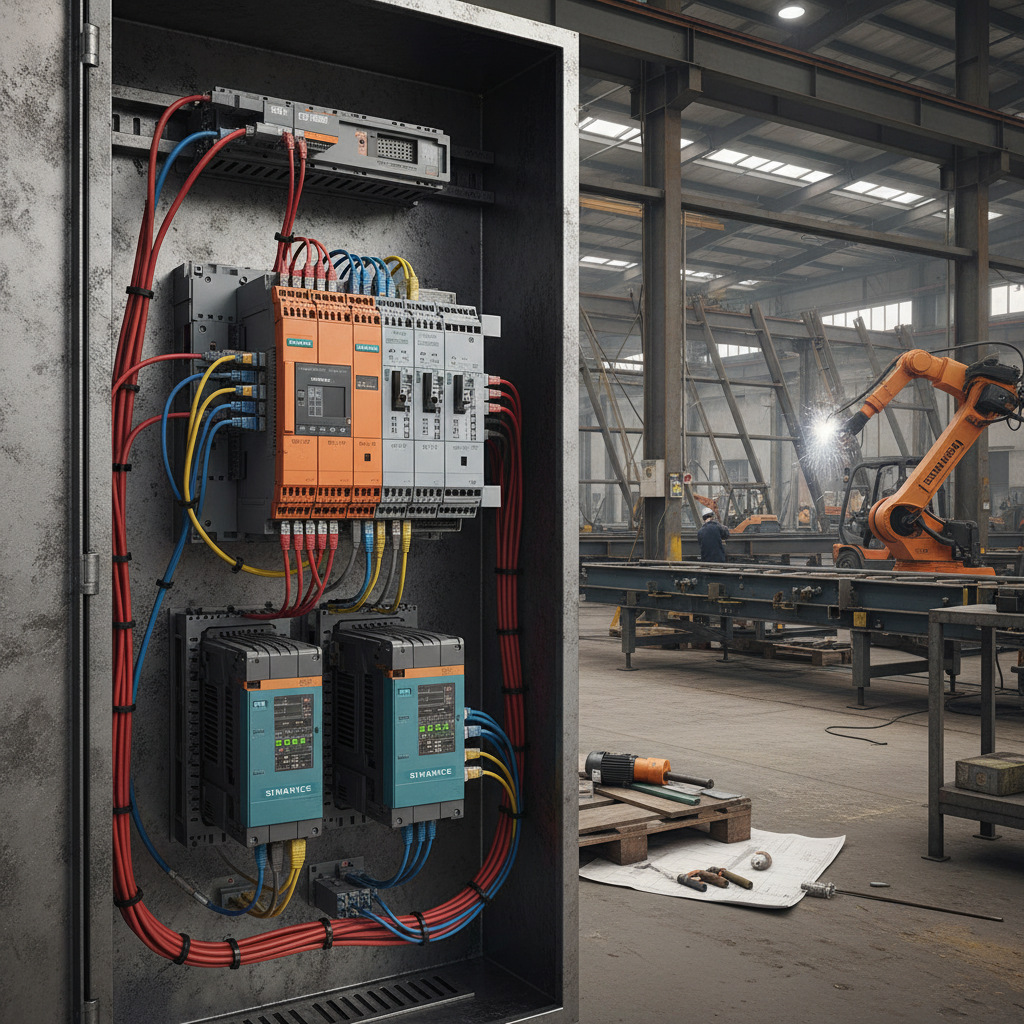
A robust 220v VFD is typically built to withstand thermal stress, voltage fluctuations, and mechanical vibration. Industrial environments aren’t forgiving, so factors like heat dissipation and protective coatings are critical. Many manufacturers test drives to IEC standards to guarantee lifespan.
2. Scalability and Compatibility
One of the things many engineers like about 220v VFDs is their range—from small fractional horsepower motors in machine tools to 5-hp pumps or fans. Plus, compatibility with common motors and control systems means integrating them into existing setups is relatively straightforward.
3. Energy Efficiency
By optimizing motor speed, VFDs often cut power consumption by 20–50%, especially in applications like pumps where load varies. This translates directly to utility bill savings and helps meet global carbon reduction targets—something ISO 50001 champions.
4. User Interface and Controls
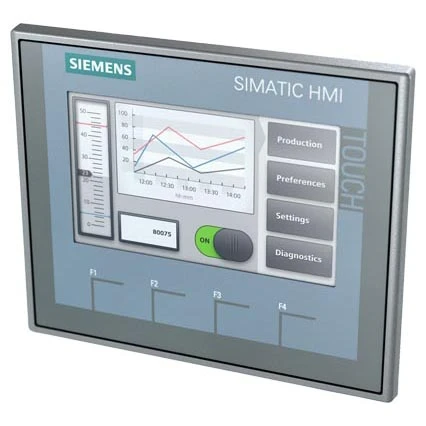
Modern 220v VFDs often come with intuitive touchscreens or programmable inputs, making setup and operation more user-friendly. Variable speed control, overload protection, and fault diagnostics wrapped in a neat package reduce downtime—pretty much a win-win.
5. Cost Efficiency
While the upfront cost of installing a 220v VFD might be noticeable, the rapid return on investment via lowered energy usage, reduced maintenance cost, and increased equipment longevity makes it worthwhile in many applications.
6. Safety Features
Overcurrent, overvoltage, and thermal protections incorporated in VFDs protect both operators and machines—a non-negotiable in industrial safety standards worldwide.
Mini Takeaway: In real-world terms, investing in a solid 220v VFD delivers durable, scalable, efficient, and safe control — key in both factory floors and field deployments.
220v VFD in Action: Global Applications and Use Cases
From bustling manufacturing hubs to off-grid clinics, 220v VFDs have found a sweet spot across regions and industries. For example:
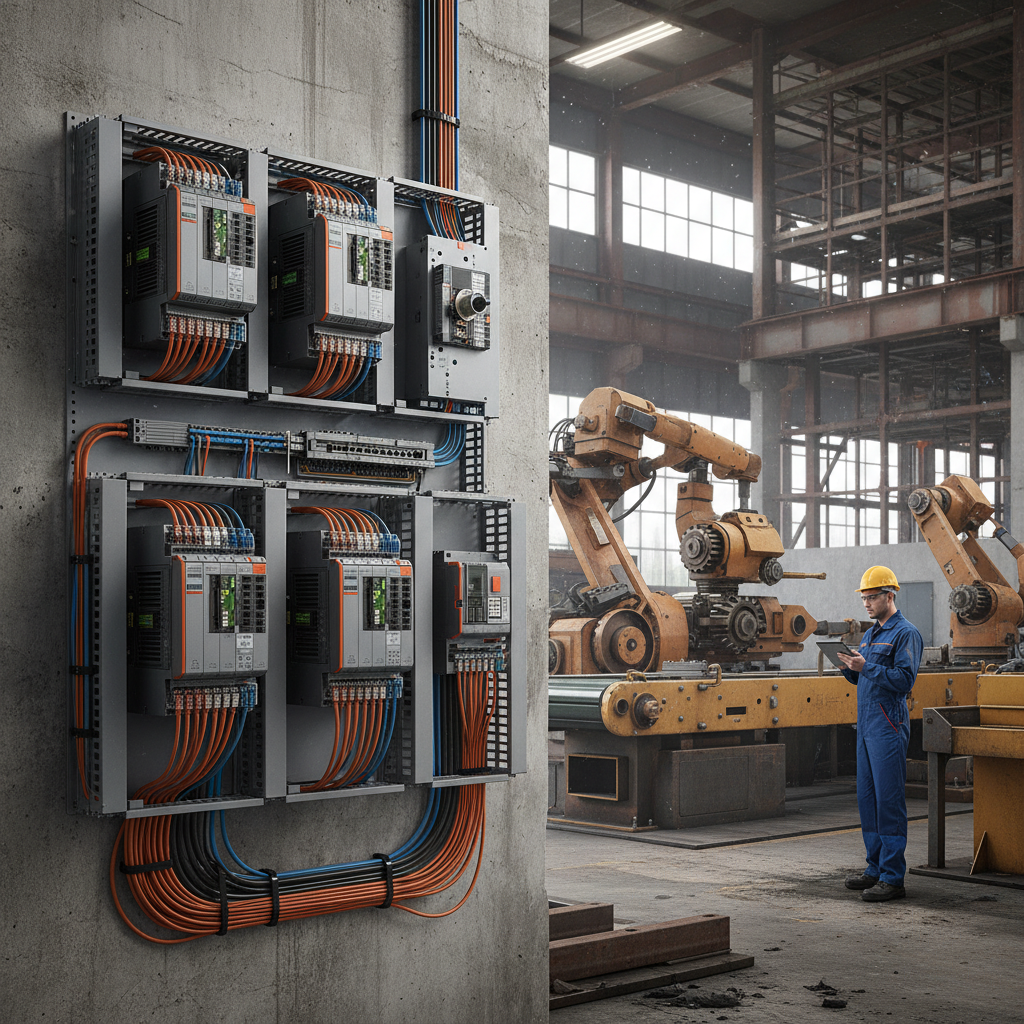
- Industrial Automation: Factories in China and Germany use 220v VFDs to control conveyor systems, cutting energy use by up to 30% annually.
- Agriculture: In parts of Africa and South America, solar-powered water pumps with 220v VFD controllers provide steady irrigation while conserving battery life.
- Disaster Relief: Temporary field hospitals and sanitation systems deploy portable 220v VFD-powered equipment to maintain essential services without reliable grid power.
- HVAC Systems: Commercial buildings across the U.S. leverage these drives to balance airflow and temperature precisely, lowering emissions and costs.
The versatility here also ties into the fact that many motor-driven applications operate naturally at or near 220 volts, especially where three-phase 400v grids aren’t standard.
Advantages and Long-Term Value of Adopting 220v VFDs
So, why should any decision-maker or engineer care about upgrading to a 220v VFD system? The benefits stack up nicely:
- Reduced Energy Costs: Lower power consumption means immediate utility bill savings.
- Improved Equipment Lifespan: Soft starts and steady speed control reduce mechanical stress.
- Environmental Impact: Less energy wasted is less carbon emitted, aligning with sustainability goals.
- Operational Flexibility: Variable speed means easier adaptation to changing production needs.
- Safety and Trust: Enhanced control and protective features mean fewer accidents or breakdowns.
Frankly, adopting 220v VFD technology feels like an alignment of logic and conscience—packaging innovation with responsibility.
Looking Ahead: Trends and Innovations in 220v VFD Technology
Emerging trends in 220v VFD development include integration with IoT for real-time monitoring, predictive maintenance algorithms, and tighter coupling with renewable energy sources like solar and wind. Advanced materials are prolonging device life and shrinking physical footprints.
Also, new government policies focused on energy efficiency, such as the EU’s Ecodesign measures, drive wider adoption. The digitization wave means more user-friendly interfaces and better data analytics, making smart factories a reality.
Current Challenges and Expert Solutions
Of course, no technology is perfect. Challenges related to harmonic distortion caused by VFDs, initial costs, and the need for skilled personnel to install and maintain the units persist.
Experts suggest incorporating harmonic filters, starting with pilot programs to demonstrate ROI, and providing staff training to ease transitions. Modular VFD architectures also help mitigate maintenance complexity.
FAQ: Common Questions About 220v VFD
- Q: Can a 220v VFD be used with any motor?
- A: Generally, 220v VFDs are designed for compatible motor voltages and types (usually three-phase induction motors). It’s crucial to check motor specs to avoid mismatches that can damage equipment.
- Q: How much energy can I save by switching to a 220v VFD?
- A: Savings vary by application, but typical energy reductions range between 20–50%, especially in variable load scenarios like pumps and fans.
- Q: Are 220v VFDs suitable for outdoor or harsh environments?
- A: Many models come with ruggedized enclosures rated for dust and moisture ingress (IP65 or higher). Always consult product specs to ensure suitability.
- Q: How difficult is it to retrofit a 220v VFD into existing systems?
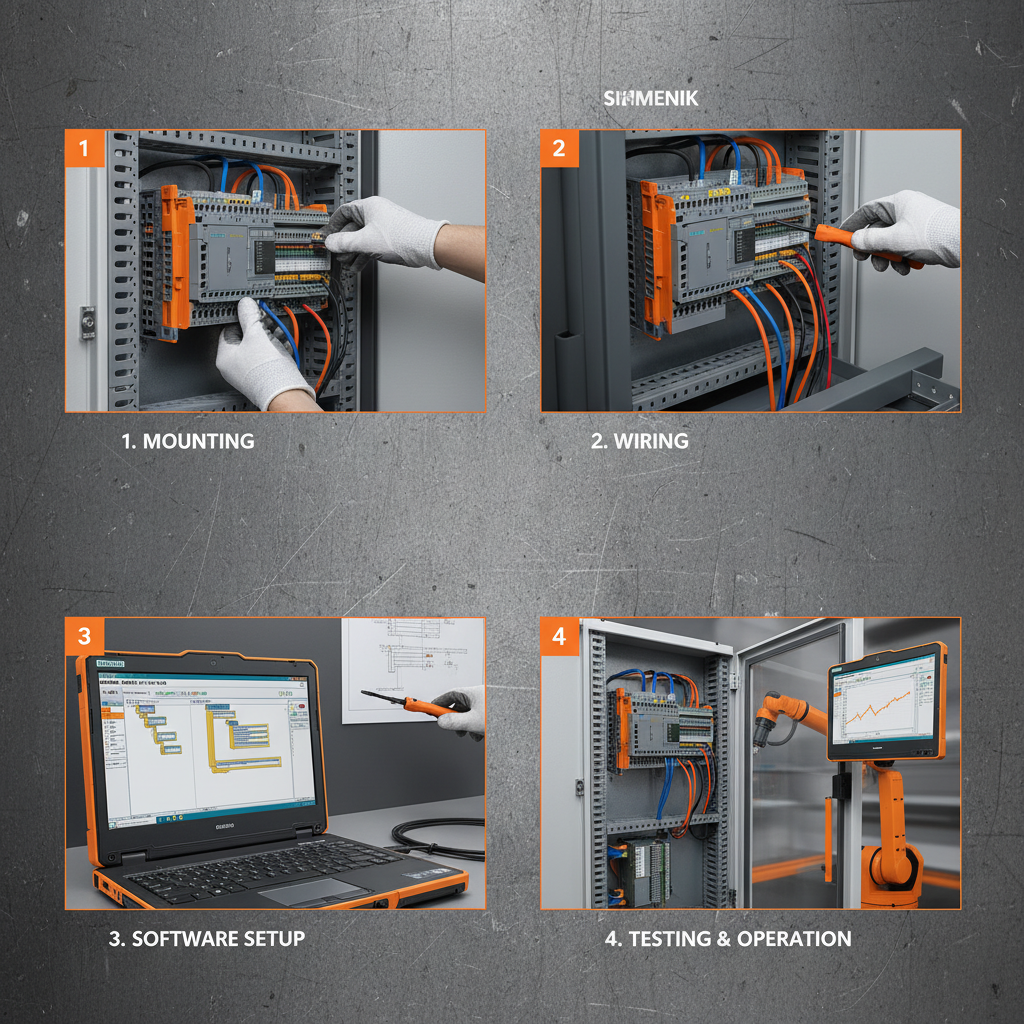
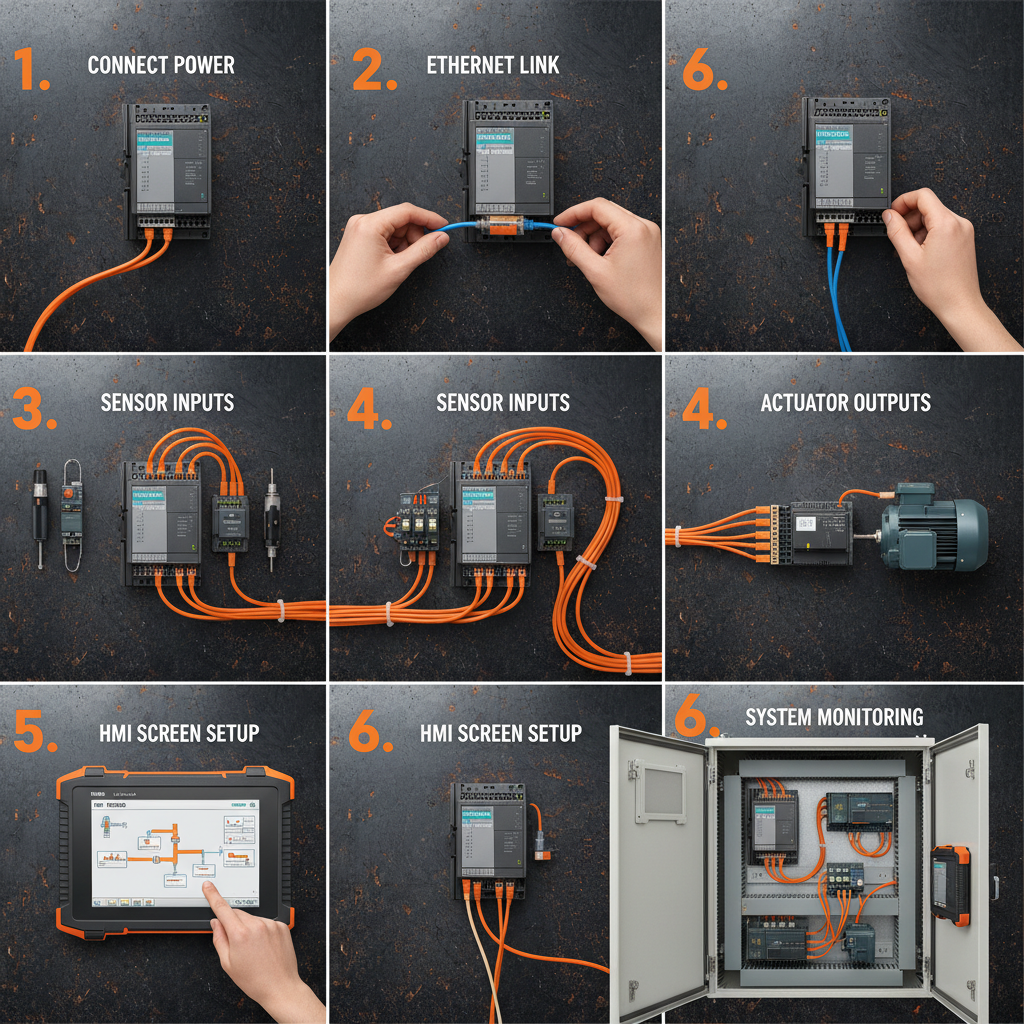
- A: Retrofitting requires some electrical knowledge but is feasible for many setups. Some VFDs include built-in support to ease installation and wiring.
- Q: Will a 220v VFD reduce motor maintenance needs?
- A: Yes. By providing soft starts/stops and running at optimal speeds, wear and tear on motor components often decrease.
How Do 220v VFD Products Compare?
| Specification | Example Model A | Example Model B | Example Model C |
|---|---|---|---|
| Input Voltage | 220V ±10% | 220V ±15% | 220V ±10% |
| Max Output Power | 3 kW | 5 kW | 4 kW |
| Cooling Method | Fan Cooled | Natural Convection | Fan Cooled |
| Interface | LED Display + Keypad | Touchscreen | Basic Digital |
| Protection Ratings | IP20 | IP54 | IP21 |
| Price Range | $120 - $150 | $180 - $220 | $140 - $170 |
A Quick Look at Vendors Offering 220v VFDs
| Vendor | Product Range | Special Features | Warranty |
|---|---|---|---|
| Tianjin Yongkai | 0.2 kW–5 kW 220v VFDs | Built-in PID control, Modbus communication | 2 years |
| Delta Electronics | Wide industrial range | Energy-saving modes, IP54 models | 1.5 years |
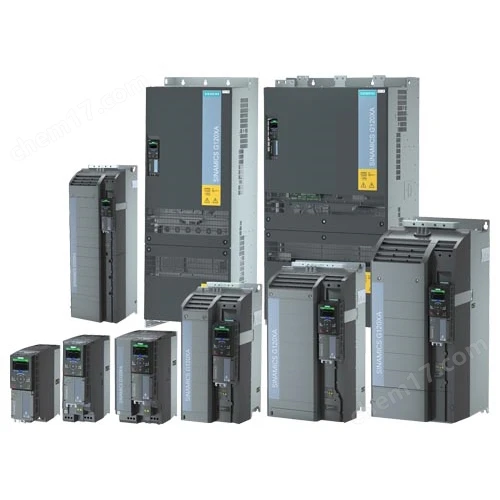
| Siemens | Comprehensive automation portfolio | High precision control, global support | 3 years |
Wrapping Up: Why 220v VFD Is Worth Your Attention
I suppose it’s easy to overlook a device as unassuming as a variable frequency drive running at 220 volts. But when you dig beneath the surface, these drives are quietly rewriting the story of industrial efficiency and sustainable energy use worldwide. Whether you’re upgrading factory floors or designing field equipment that can handle anything from variable loads to unpredictable power grids, 220v VFDs offer tailored control, hefty savings, and, frankly, peace of mind.
For those looking to dive deeper or shop for reliable 220v VFD models, feel free to visit 220v vfd for an extensive product range and expert support.