Comprehensive Guide to DC VFD Drives: Technology, Benefits & Trends
Understanding DC VFD Drives: A Modern Industrial Essential
If you’ve ever tinkered around with motor speed control or industrial automation, you might have come across dc vfd drives. In a nutshell, these devices adjust the speed of DC motors by varying voltage and frequency — making them crucial for energy efficiency, precise control, and longevity. Globally, as industries push for greener, smarter operations, understanding how dc variable frequency drives transform equipment performance is becoming essential. It’s no longer just about raw power but fine-tuned control that saves resources and boosts reliability.
Why DC VFD Drives Matter on a Global Scale
Across manufacturing hubs from Asia to the Americas, the adoption of dc vfd drives is soaring. According to the ISO, energy consumption in industrial sectors accounts for roughly 37% of global usage, with motor-driven systems making up two-thirds of that. That’s massive.
Yet many factories and plants still squander efficiency because of outdated motor controls. Enter dc vfd drives — devices that have been quietly revolutionizing how power converts into motion, offering up to 50% energy savings in some cases.
But why the sudden interest? Well, global industrial energy costs are rising, and carbon footprint reduction goals (like those outlined by the UN SDGs) are pressuring facilities to optimize every watt. Plus, variable frequency drives help tackle issues like motor wear and harsh startup currents — which saves money and downtime.
Mini takeaway:
dc vfd drives aren't just a niche technical solution; they're part of a foundational shift toward smarter, cleaner industrial power management worldwide.
What Exactly Are DC Variable Frequency Drives?
At its core, a dc vfd drive is an electronic controller that adjusts the speed and torque of DC motors by modulating voltage and frequency. Traditional motor setups run at fixed speeds once powered — not ideal when you want smooth acceleration, precise speed control, or to reduce sudden electrical stress.
These drives convert input power to a form that adapts dynamically to operational demand. It might sound technical, but in practice, this means machines run more efficiently, quietly, and last longer.
Beyond industry, such precision control also aids humanitarian efforts. For instance, in emergency water pumping or remote power generation — reliable motor control can mean the difference between consistent service and system failure.
Mini takeaway:
Put simply, dc vfd drives are the smart “brain” behind motor speed and performance, combining electronics with mechanical power.
Key Factors That Define DC VFD Drives
1. Durability
It’s no surprise that industrial environments are tough — heat, dust, vibration, and humidity can wreck gear fast. High-quality dc vfd drives often feature rugged enclosures, thermal protection, and robust circuitry built to last years without performance dips.
2. Scalability
From small conveyor belts to massive manufacturing lines, dc vfd drives come in varied ratings. Many systems support modular expansions — meaning companies can upgrade or switch motor sizes without replacing their entire control setup. This adaptability is handy, especially in growth phases.
3. Energy Efficiency
Reducing wasted electricity is the headline benefit here: by modulating motor speed rather than running at fixed full power, energy use drops significantly. Over a year, that can translate into thousands in cost savings.
4. User-Friendly Interface
Modern drives usually offer LCD displays, remote monitoring, and programmable parameters — making installation, diagnostics, and tuning less of a headache.
5. Safety Features
Advanced drives come with protections against overcurrent, short circuits, and overheating. Engineers say these safety nets not only protect the equipment but also reduce risky downtime.
Mini takeaway:
When choosing a dc vfd drive, factors like durability, flexibility, and ease of use often weigh heavier than just the upfront price.
Global Applications: Where DC VFD Drives Are Making a Difference
It’s fascinating how widely dc vfd drives are used across sectors:
- Manufacturing: Thousands of factories worldwide rely on these drives to optimize heavy machinery speeds for stamping, cutting, or assembly processes.
- Water Treatment: In places like remote African and Southeast Asian communities, VFD-controlled pumps are vital for steady water supply without damaging pipes.
- Mining & Resources: Given the harsh conditions underground, durable dc vfd drives keep extraction equipment running reliably.
- Renewable Energy: Solar and wind setups often incorporate dc drives to regulate generators and storage systems.
- Maritime: Ship propulsion and onboard cranes use these drives to ensure smooth power delivery and precise control.
For example, in disaster-prone regions, variable frequency drives have made pumping water to emergency shelters faster and safer — minimizing equipment failure when it matters most.
Mini takeaway:
From urban factories to disaster zones, DC VFD drives adapt flexibly to solve specific power control challenges.
Advantages and Long-Term Value of DC VFD Drives
Why invest in dc vfd drives? Here's the rundown:
- Cost Savings: Reduced energy consumption and lower maintenance bills add up quickly.
- Sustainability: By trimming emissions and minimizing resource waste, VFDs align with corporate social responsibility goals.
- Reliability: Machines run smoother with fewer mechanical stresses, extending their lifespan.
- Safety and Trust: With built-in protections, operators and engineers feel confident in continuous operation even under heavy loads.
- Innovation Potential: The growing integration of IoT and smart sensors means VFDs are becoming gateways to smarter factories.
Mini takeaway:
dc vfd drives aren’t just a purchase; they represent an investment in operational excellence, sustainability, and future-proofing.
Looking Ahead: Trends & Innovations in DC VFD Drives
Trends to watch include:
- Integration with AI and IoT: Real-time monitoring and predictive maintenance are becoming standard, reducing downtime unpredictably.
- Green Energy Compatibility: Drives optimized for renewable energy sources are improving system efficiency.
- Miniaturization & Modularity: Smaller, plug-and-play drives make upgrades simpler.
- Advanced Materials: New semiconductor materials like silicon carbide (SiC) reduce losses and heat.
Overcoming Challenges with DC VFD Drives
Despite their benefits, some issues persist:
- Initial Costs: Quality VFDs can be pricey upfront, though ROI is usually strong.
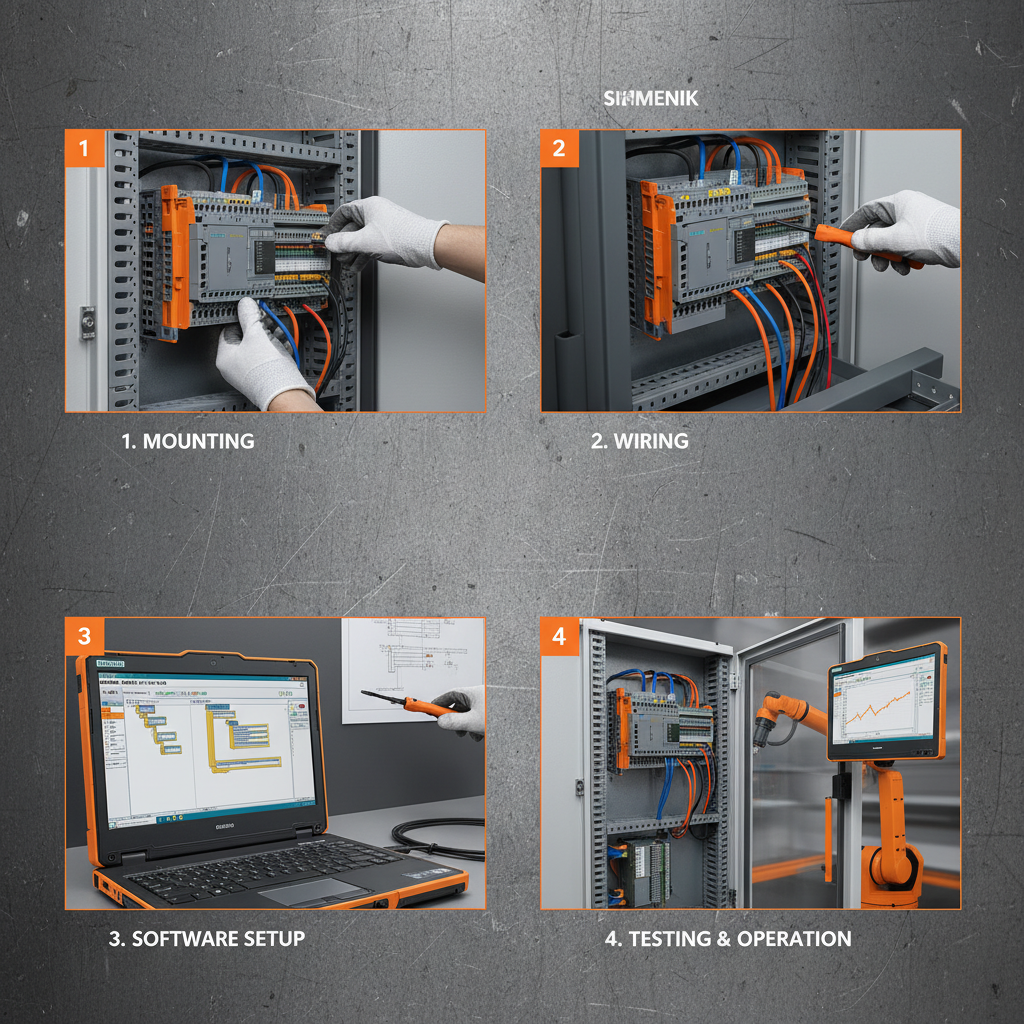
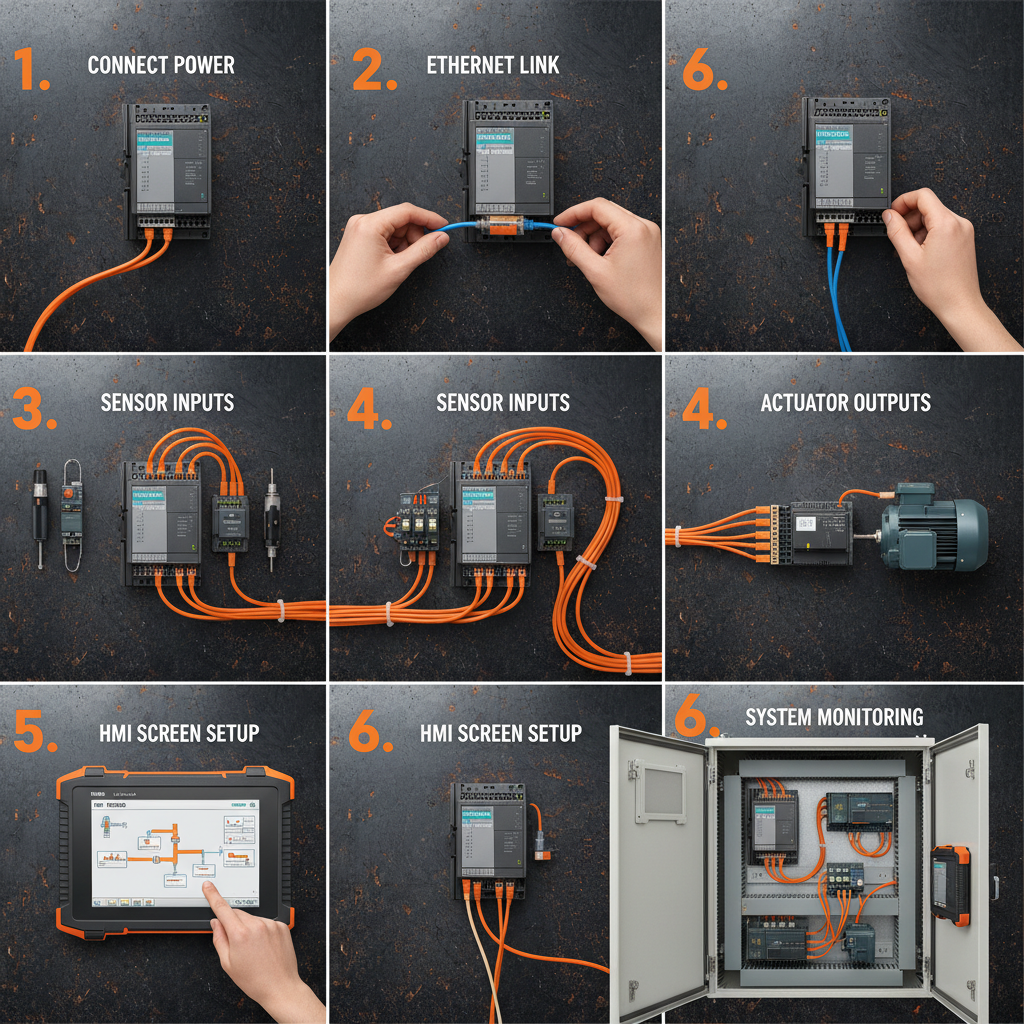
- Complexity: Setup demands skilled technicians to avoid misconfiguration.
- Electromagnetic Interference (EMI): Drives may introduce noise affecting other equipment.
Experts recommend:
- Investing in training and detailed commissioning.
- Employing appropriate EMI filters and shielded cables.
- Working closely with vendors offering strong customer support.
Realistic Spec & Vendor Comparison Tables
| Parameter | Value | Notes |
|---|---|---|
| Input Voltage | 230V/460V AC | Single/Three-phase options |
| Output Voltage | 0–300V DC | Adjustable depending on motor rating |
| Output Current | 5–100A | Various models available |
| Control Type | PWM (Pulse Width Modulation) | Common for smooth speed control |
| Protection Features | Overcurrent, thermal, short circuit | Standard |
| Communication Protocols | Modbus, CANbus | For integration with automation |
| Dimensions | 250 x 180 x 120 mm | Varies by model |
| Vendor | Price Range | Key Features | Support & Warranty |
|---|---|---|---|
| DriveTech Solutions | $1,200 - $3,500 | Advanced thermal protection, IoT-ready | 3-year warranty, 24/7 global support |
| Precision Drives Co. | $900 - $2,800 | User-friendly interface, modular design | 2-year warranty, remote troubleshooting |
| GreenMotion Industries | $1,500 - $4,200 | SiC components, optimized for renewables | 5-year warranty, eco-friendly packaging |
FAQ: Common Questions About DC VFD Drives
Q1: How does a dc vfd drive improve energy efficiency?
A: By adjusting motor speed to match the actual demand rather than running full tilt all the time, dc vfd drives reduce wasted electricity and mechanical wear. This typically translates into noticeable savings on energy bills and extended motor life.
Q2: Are dc vfd drives compatible with all DC motors?
A: Generally, yes — but it’s important to verify compatibility with your specific motor type and voltage rating. Some specialized motors may need tailored drive settings or additional components to function correctly.
Q3: Can dc vfd drives be retrofitted into existing machinery?
A: Often, yes. Retrofitting requires careful assessment of electrical and mechanical interfaces but can be a cost-effective way to upgrade legacy equipment without full replacement.
Q4: What kind of maintenance do these drives require?
A: Regular cleaning, firmware updates, and periodic inspections of connections are key. Since drives have fewer moving parts, maintenance is usually simpler compared to mechanical speed control methods.
Q5: How do dc vfd drives contribute to sustainability?
A: By cutting down wasted energy and reducing carbon emissions associated with inefficient motor use, dc vfd drives support greener industrial processes and lowered environmental impact.
Wrapping It Up: Investing in Smarter Motor Control
In a world where efficiency, sustainability, and reliability matter more than ever, dc vfd drives have stepped up as quiet heroes behind the scenes. They don’t make headlines but enable countless factories, utilities, and industries to run smarter, cleaner, and safer.
If you’re involved in any motor-driven operation — or just curious about how next-gen industrial tech powers the planet — paying attention to variable frequency drives is well worth your while.
For those ready to explore quality dc vfd drives, feel free to browse our solutions and start your journey toward improved power control today.
Final thoughts:
Technology feels like an ever-moving train, but sometimes it’s the less flashy parts — like dc vfd drives — that keep everything else on track.