Comprehensive Guide to HMI PLC SCADA Systems for Industrial Automation
Understanding HMI, PLC, and SCADA Systems for Industrial Automation
In today’s industrial landscape, automation is key to efficiency, productivity, and safety. At the heart of this automation lie three critical technologies: Human-Machine Interface (HMI), Programmable Logic Controller (PLC), and Supervisory Control and Data Acquisition (SCADA) systems. These systems work in synergy to control and monitor industrial processes. Tianjin Yongkai Automation Technology Co., Ltd. specializes in providing comprehensive solutions incorporating these technologies, helping businesses streamline operations and optimize performance. This article will delve into each component, exploring their functions, benefits, and how they interact to create a robust automation system. Understanding these systems is crucial for businesses looking to improve their manufacturing processes and gain a competitive edge.
What is a Programmable Logic Controller (PLC)?
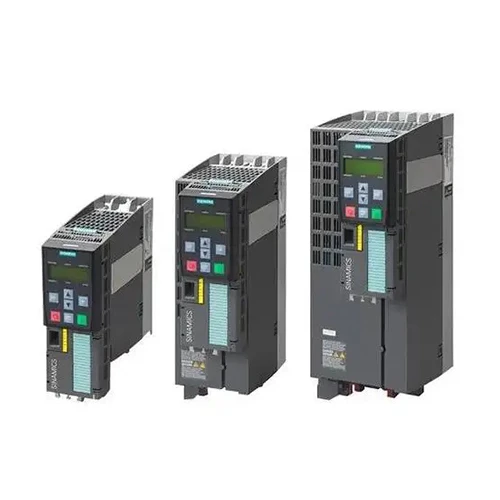
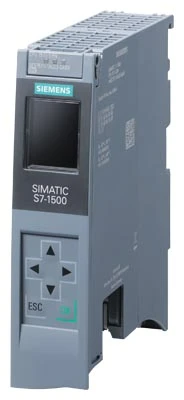
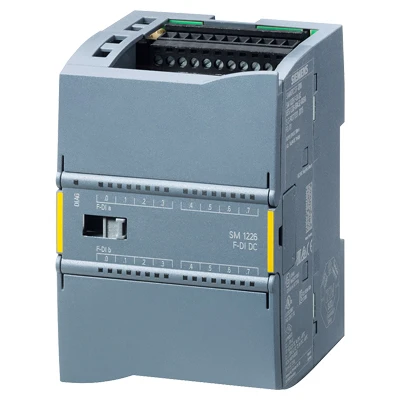
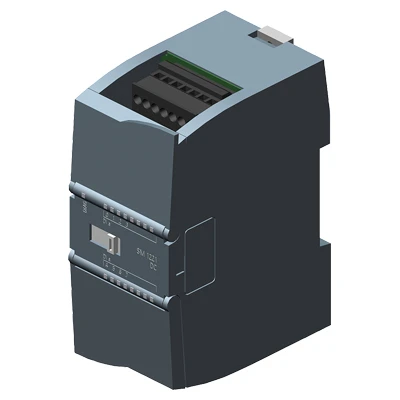
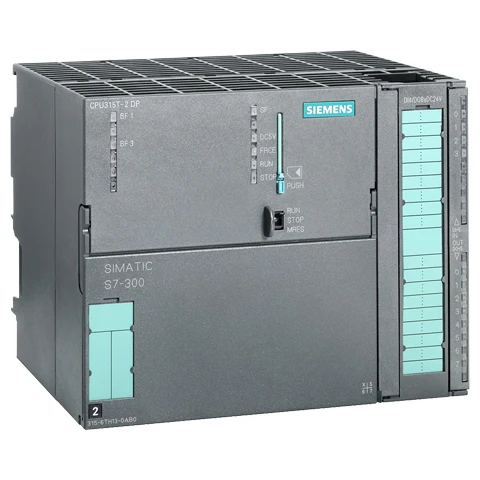
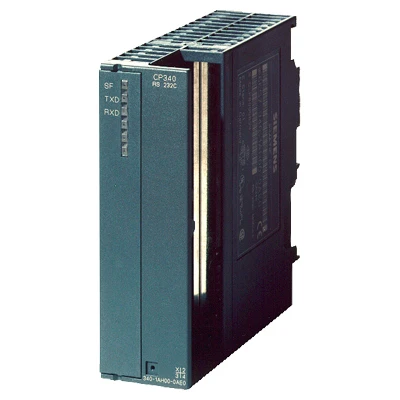
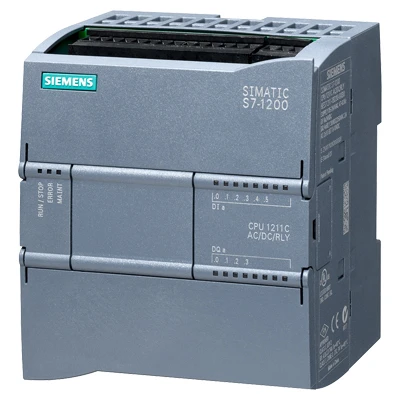
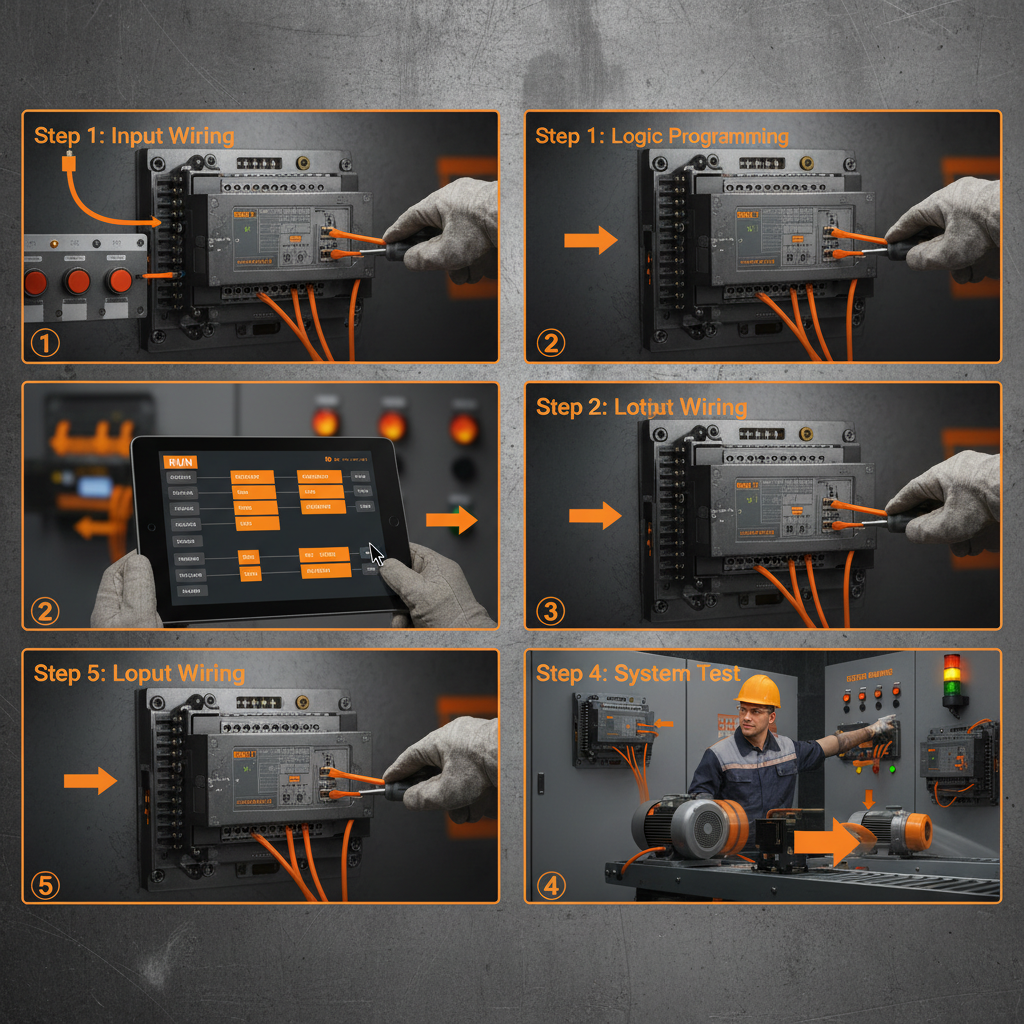
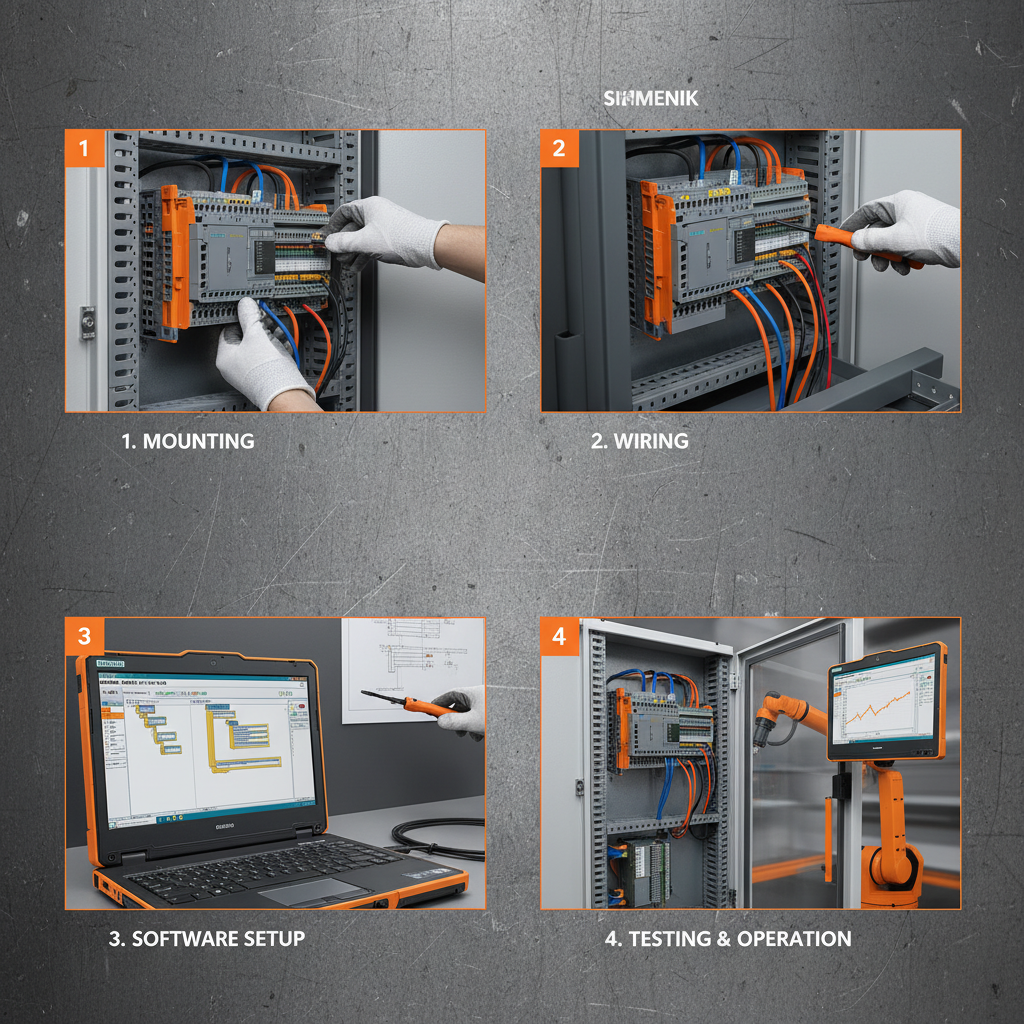
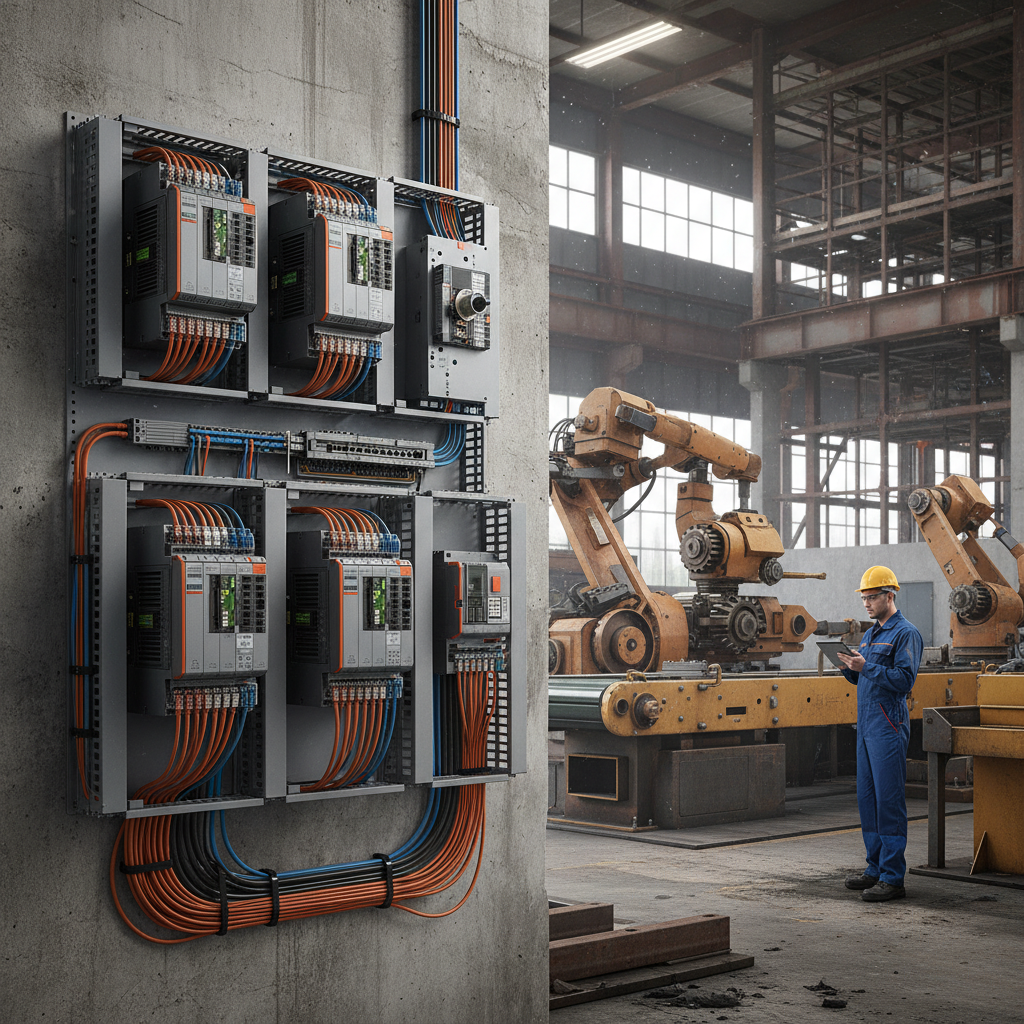
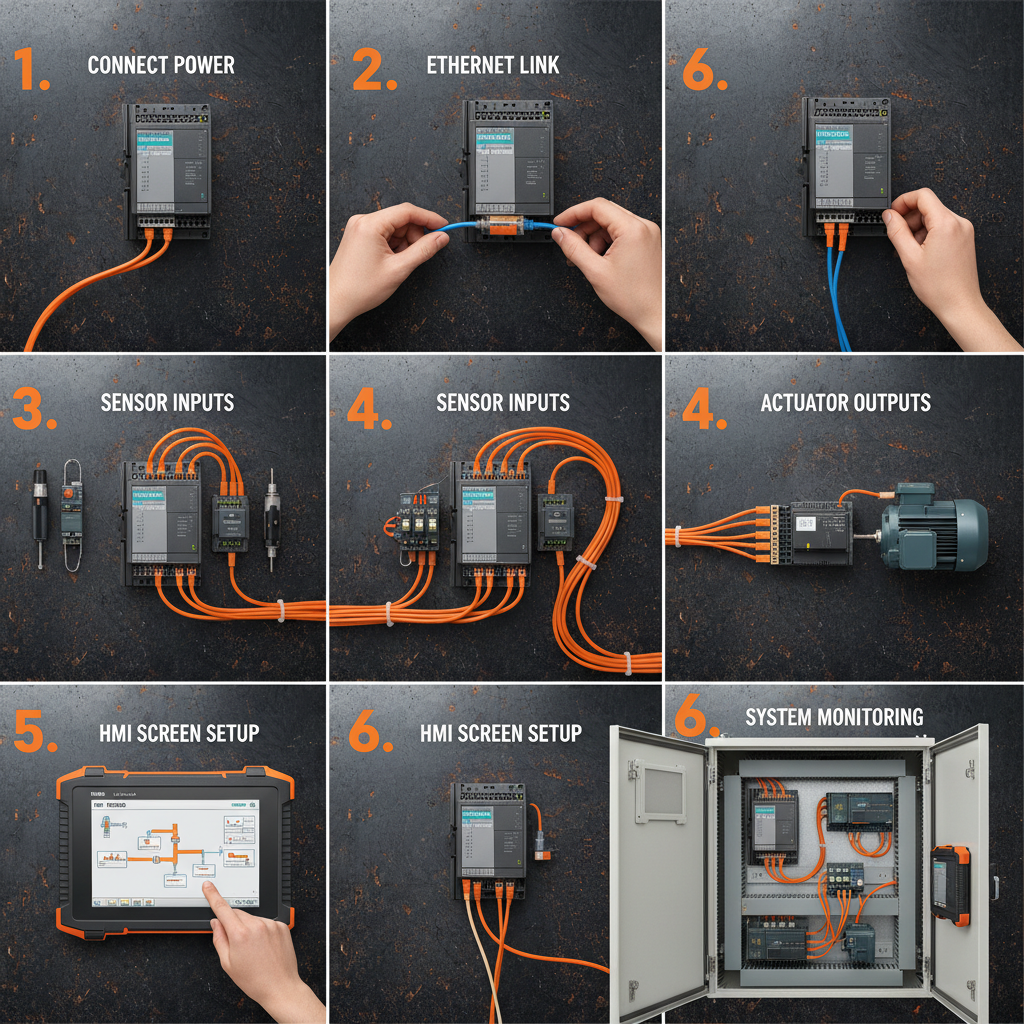
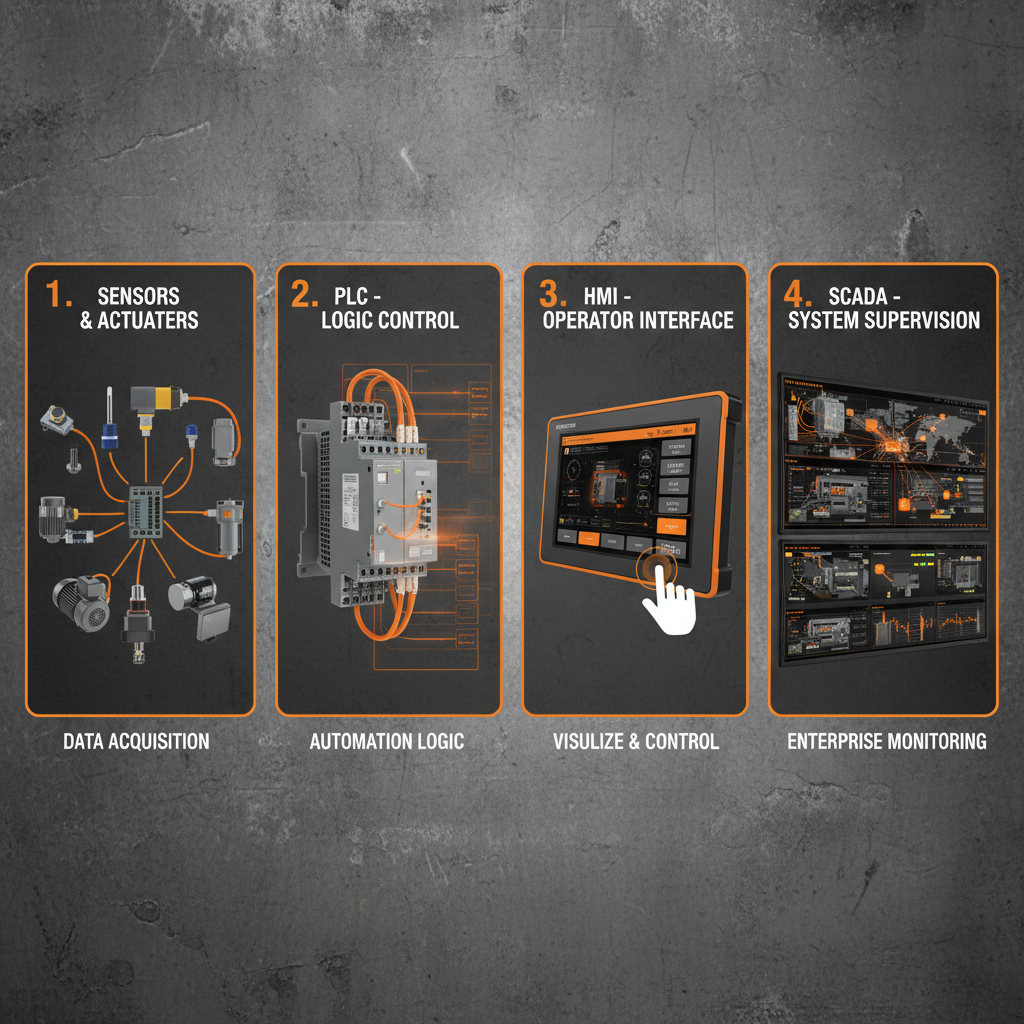
The PLC is the ‘brain’ of the industrial automation system. It’s a specialized computer used to control machinery and processes. Unlike general-purpose computers, PLCs are designed to withstand harsh industrial environments – extreme temperatures, humidity, and electrical noise. PLCs receive input signals from sensors and other devices, process them according to a pre-programmed logic, and then generate output signals to control actuators, motors, and other equipment. They're used extensively in manufacturing, process control, and building automation. Yongkai Automation offers a range of PLC solutions tailored to specific industrial needs.
Key PLC Features: Robust design for harsh environments, programmable logic, fast processing speeds, and reliable operation.
The Role of the Human-Machine Interface (HMI)
While the PLC controls the machinery, the HMI provides a user-friendly interface for operators to monitor and control the process. Think of it as a window into the automated system. HMIs typically feature graphical displays, touchscreens, and data visualization tools. Operators can use the HMI to start and stop equipment, adjust process parameters, view real-time data, and diagnose problems. A well-designed HMI is essential for efficient operation and quick response to changing conditions. Tianjin Yongkai designs and implements HMIs that prioritize user experience and data accessibility.
HMI Benefits:
• Real-time process monitoring
• Simplified operator control
• Enhanced data visualization
• Improved troubleshooting
HMI vs. PLC vs. SCADA: A Comparative Overview
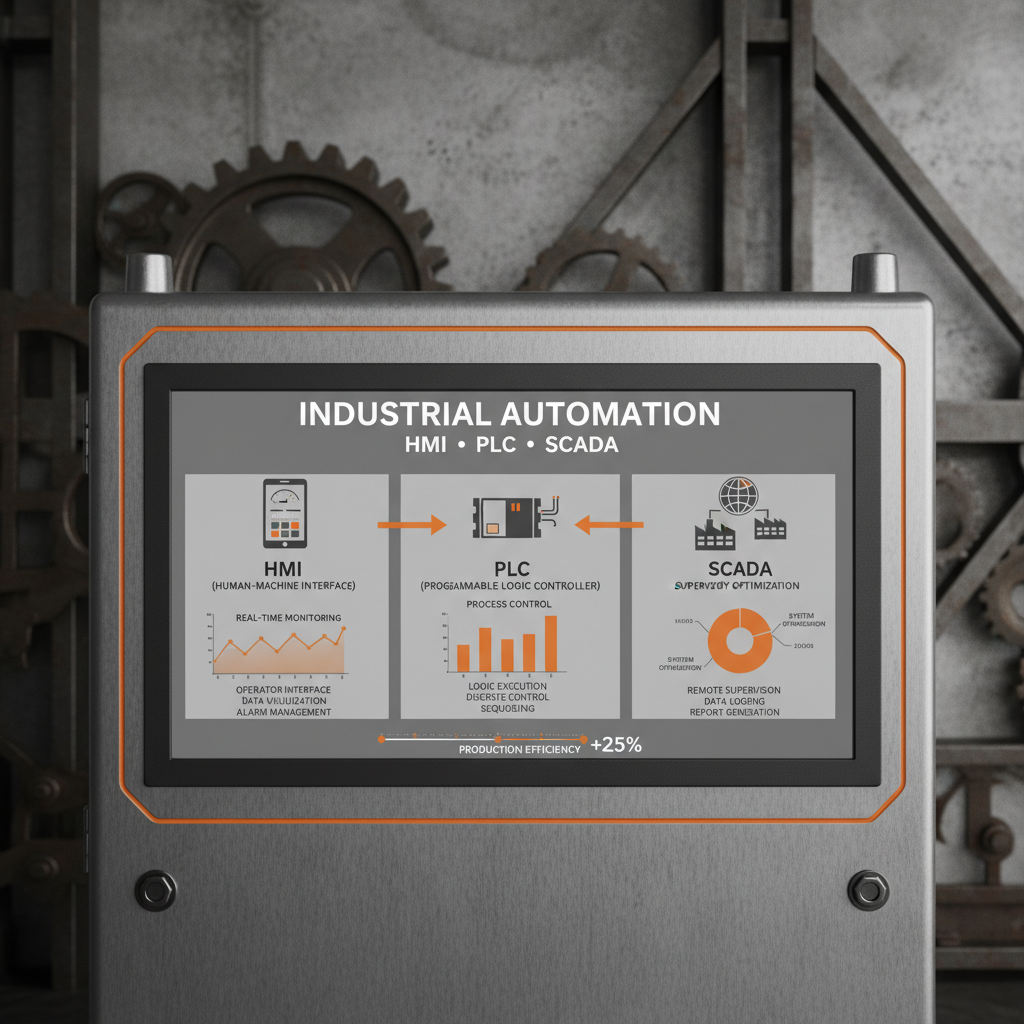
Understanding the differences between HMI, PLC, and SCADA is crucial. The PLC controls individual machines, the HMI allows operators to interact with the PLC, and SCADA oversees the entire process, often across multiple locations. SCADA systems are typically used for large-scale operations, like power grids, water treatment plants, and oil pipelines. The following table provides a detailed comparison:
The Power of SCADA Systems
SCADA systems go beyond simply monitoring and controlling processes; they collect and analyze data, providing valuable insights for optimization. They often include features like alarm management, historical trending, and reporting. SCADA systems are essential for industries requiring centralized control and remote monitoring. Yongkai Automation offers complete SCADA solutions designed for scalability and reliability.
Integrating HMI, PLC, and SCADA for Seamless Automation
The true power of these technologies lies in their integration. The PLC controls the physical processes, the HMI provides a local interface for operators, and the SCADA system provides a centralized view and control across the entire operation. Data flows seamlessly between these components, enabling real-time monitoring, data analysis, and informed decision-making. Tianjin Yongkai specializes in integrating these systems to create a fully automated and efficient industrial environment.
Conclusion: Embracing Automation with HMI, PLC, and SCADA
Implementing HMI, PLC, and SCADA systems is a crucial step for businesses seeking to optimize their operations and achieve greater efficiency. Tianjin Yongkai Automation Technology Co., Ltd. offers expertise and customized solutions to help you leverage these technologies and unlock their full potential. By embracing automation, you can reduce costs, improve productivity, and gain a competitive advantage in today's dynamic market.
Frequently Asked Questions (FAQs)
What are the key benefits of using a PLC over traditional relay logic?
PLCs offer significant advantages over traditional relay logic systems. They are more flexible, allowing for easy modification of control programs without rewiring. PLCs are also more reliable, with fewer moving parts and reduced susceptibility to mechanical failure. Furthermore, they offer advanced diagnostic capabilities, making troubleshooting easier and faster. They're also more compact, reducing space requirements, and generally more cost-effective in the long run, particularly for complex applications.
How does SCADA contribute to remote monitoring and control?
SCADA systems enable remote monitoring and control by collecting data from PLCs and other devices distributed across a wide geographical area. This data is then transmitted to a central location, where operators can view real-time status, analyze trends, and issue commands. This capability is particularly valuable for industries managing geographically dispersed assets, such as pipelines, power grids, and water treatment plants, allowing for efficient operation and rapid response to emergencies.
What security considerations are important when implementing a SCADA system?
Security is paramount when implementing a SCADA system. These systems are often critical infrastructure and can be vulnerable to cyberattacks. Key considerations include robust network security measures (firewalls, intrusion detection systems), strong authentication protocols, regular security audits, and employee training on cybersecurity best practices. Implementing a layered security approach is crucial to protect against unauthorized access and malicious activities.