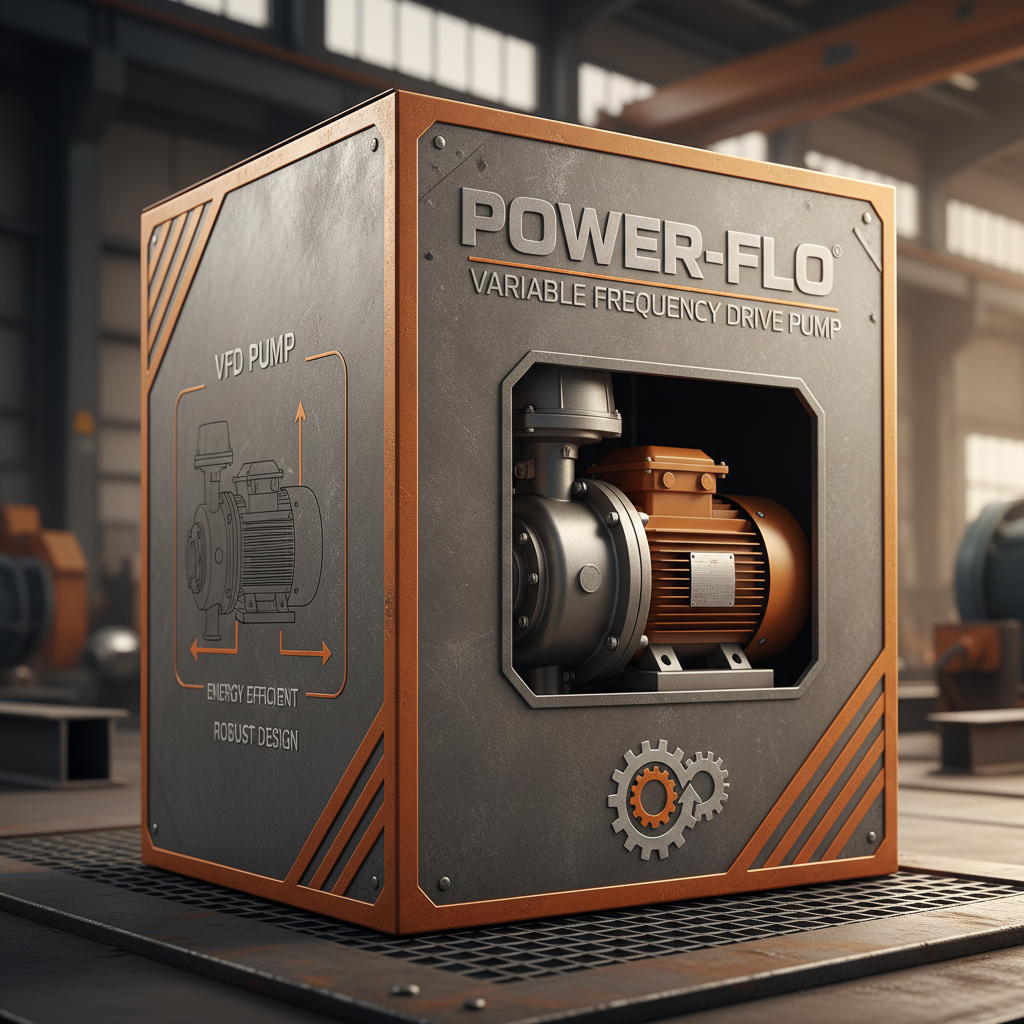
Variable Frequency Drives (VFDs), or vfd motor controllers, are rapidly becoming essential components in modern industrial applications. Their ability to precisely control the speed of electric motors translates to significant energy savings, improved process control, and extended equipment lifespan. This makes them critical for businesses seeking operational efficiency and reduced environmental impact, impacting industries worldwide.
The global market for VFDs is experiencing substantial growth, driven by increasing energy costs and a rising focus on sustainability. According to a recent report by Global Market Insights, the VFD market size exceeded USD 18 billion in 2023 and is projected to grow at a CAGR of over 6% through 2032. This growth is particularly pronounced in emerging economies investing in infrastructure upgrades and automation.
The increasing demand for optimized motor control systems addresses challenges related to energy waste and the need for precise operational control, which are increasingly important in diverse sectors from manufacturing to water treatment. Understanding vfd motor technology is no longer a niche skill but a vital asset for engineers, technicians, and business leaders alike.
The Fundamentals of vfd motor
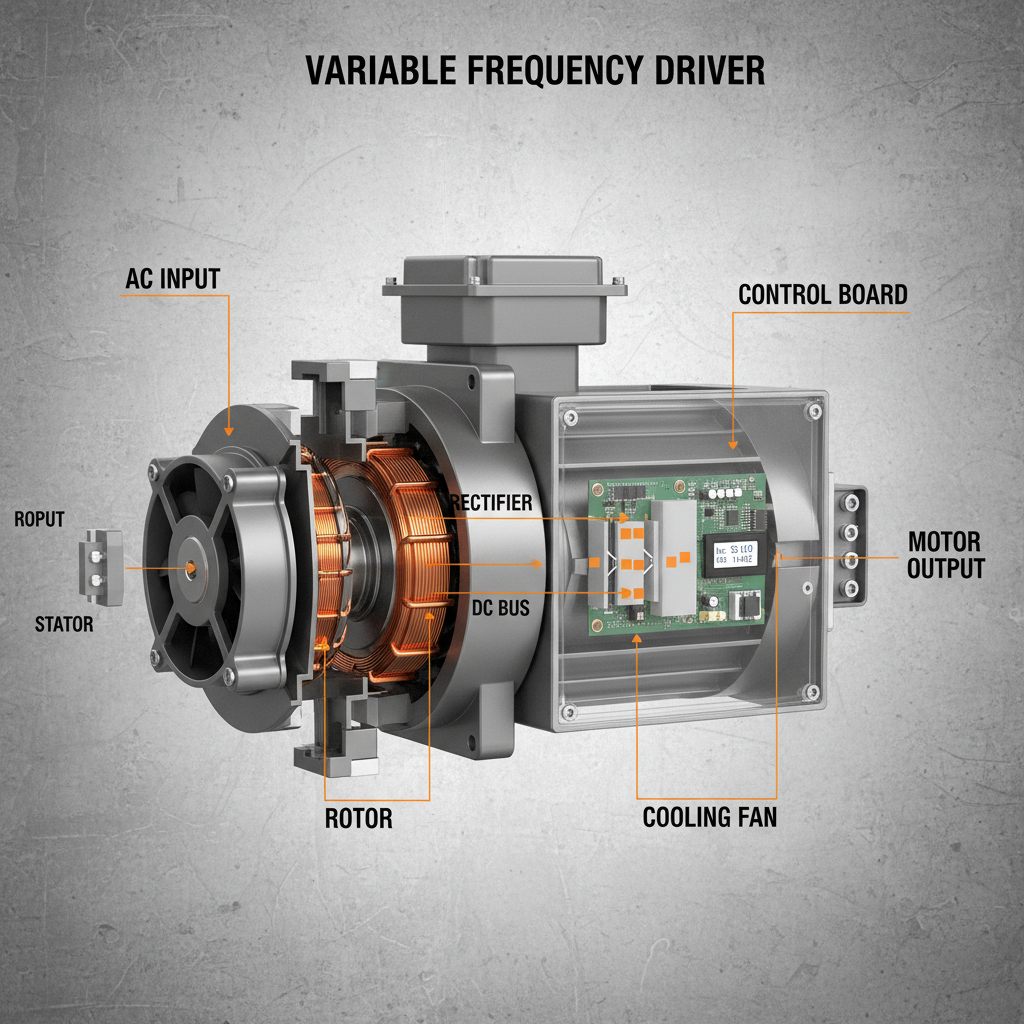
At its core, a vfd motor is a type of motor controller that drives a three-phase AC induction motor by varying the frequency and voltage supplied to the motor. This allows for precise speed and torque control, something traditional motor starters cannot achieve. Instead of directly connecting the motor to the power supply, a VFD rectifies the AC input into DC, filters it, and then inverts it back into AC at a variable frequency.
This fundamental ability to manipulate frequency is what makes VFDs so versatile. By changing the frequency, you directly control the motor’s rotational speed. Lower frequency means slower speed, and higher frequency means faster speed. The voltage is adjusted proportionally to the frequency to maintain a constant motor flux, ensuring optimal performance across the speed range.
The Global Impact of vfd motor
The implementation of vfd motor technology spans continents and impacts nearly every sector of the global economy. From large-scale industrial facilities in Europe and North America to developing infrastructure projects in Asia and Africa, the demand for efficient motor control continues to rise. Significant adoption rates are found in industries like oil & gas, power generation, mining, and water/wastewater treatment.
The United Nations Sustainable Development Goals (SDGs), particularly SDG 7 (Affordable and Clean Energy) and SDG 9 (Industry, Innovation, and Infrastructure), are directly supported by the use of VFDs. By reducing energy consumption and optimizing industrial processes, VFDs contribute to a more sustainable and efficient global economy. The ISO 50001 energy management standard also encourages companies to utilize VFDs as a key strategy for improving energy performance.
The challenge of reducing carbon emissions is a major driver for VFD adoption. Industries are increasingly seeking solutions to minimize their environmental footprint, and vfd motor technology provides a straightforward and effective means of achieving this goal, contributing to a more environmentally responsible global landscape.
Core Components of a vfd motor System
A typical vfd motor system consists of several key components working in concert. The rectifier converts the incoming AC power to DC power. This is often achieved using diodes or, more efficiently, using an active rectifier employing IGBTs (Insulated Gate Bipolar Transistors).
The DC bus, comprised of capacitors, filters the rectified DC power, providing a stable DC voltage. This stable voltage is critical for the next stage – the inverter. The inverter utilizes IGBTs to switch the DC voltage on and off rapidly, creating a simulated AC waveform with a variable frequency and voltage.
Finally, the control circuit, often based on a microcontroller or DSP (Digital Signal Processor), governs the entire process. It receives input signals, calculates the appropriate frequency and voltage, and controls the switching of the IGBTs in the inverter. This control circuit also provides protection features such as overcurrent and overvoltage protection.
Key Factors Influencing vfd motor Performance
Several factors significantly influence the performance and efficiency of a vfd motor system. Motor compatibility is crucial; the motor must be suitable for VFD operation, considering factors like insulation and bearing design. Cable selection is equally important to minimize electromagnetic interference (EMI) and voltage stress.
Proper grounding and shielding are essential for preventing noise and ensuring reliable operation. Environmental conditions, such as temperature and humidity, can also impact VFD performance and lifespan.
vfd motor Performance Metrics
Real-World Applications of vfd motor
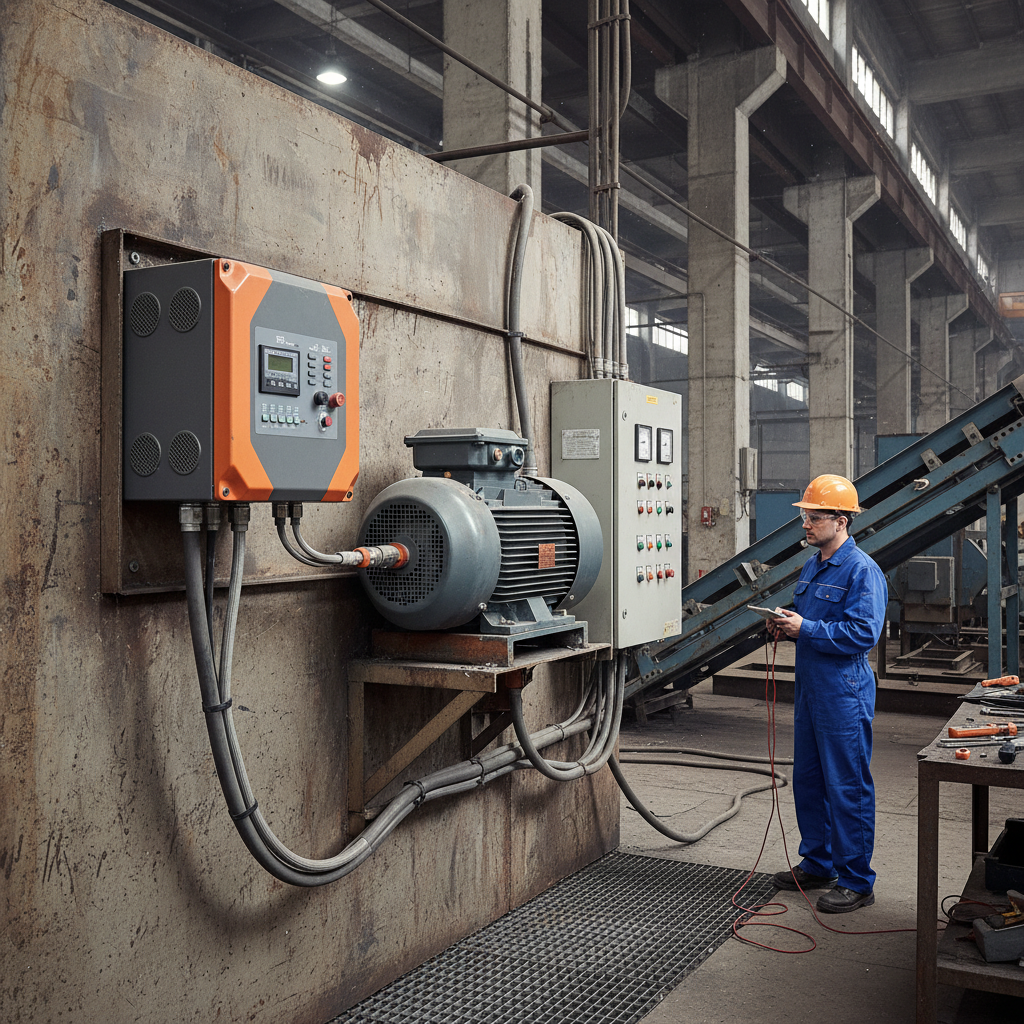
vfd motor technology finds application in a remarkably diverse range of industries. In the manufacturing sector, VFDs control conveyor systems, pumps, fans, and compressors, optimizing production processes and reducing energy waste.
In the water and wastewater treatment industry, VFDs regulate pump speeds to match varying demand, ensuring efficient water distribution and treatment. HVAC systems rely heavily on VFDs to adjust fan and pump speeds based on building occupancy and environmental conditions, enhancing comfort and reducing energy costs.
The Advantages and Long-Term Value of vfd motor
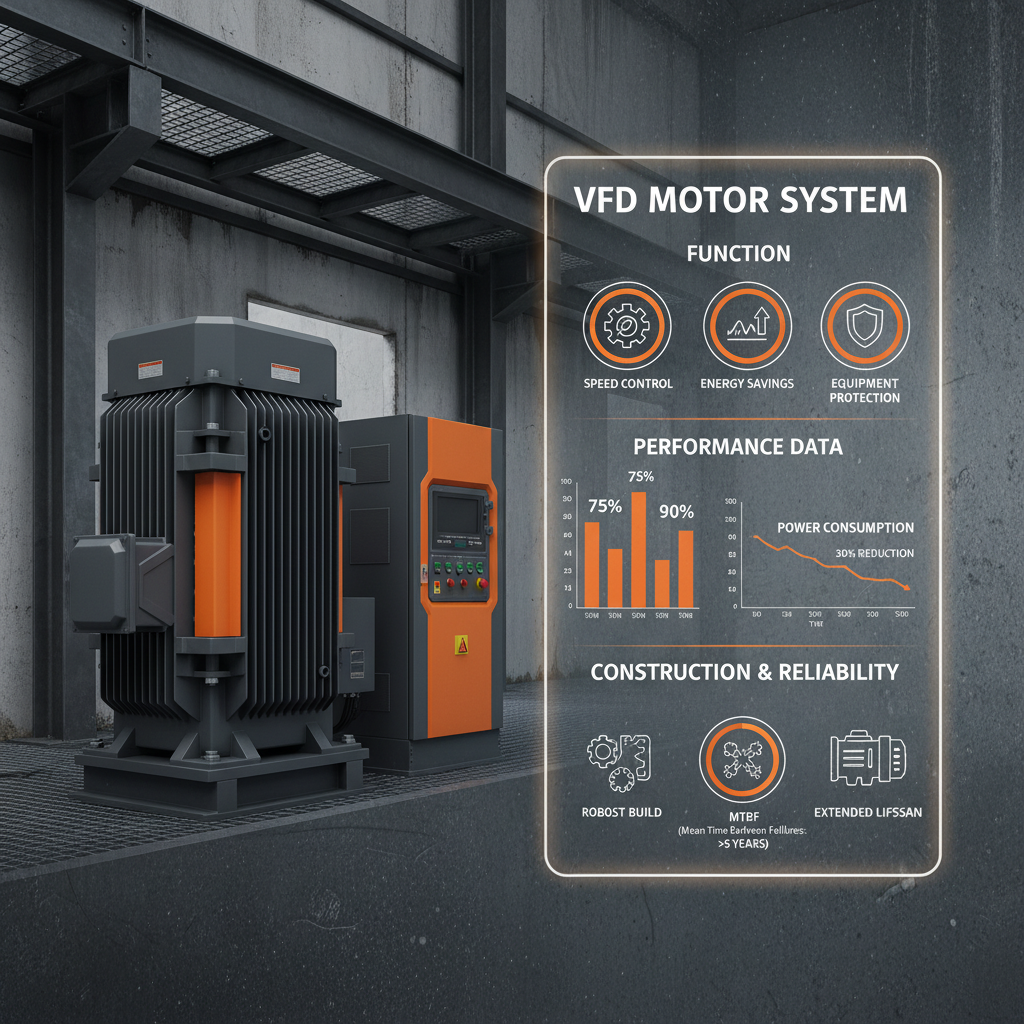
The benefits of implementing vfd motor are substantial and extend beyond simple energy savings. Reduced mechanical stress on equipment translates to lower maintenance costs and extended equipment lifespan. Improved process control leads to higher product quality and increased productivity.
Furthermore, VFDs contribute to enhanced safety by providing precise control and preventing sudden starts and stops. The long-term return on investment (ROI) is often significant, making VFDs a financially sound investment for businesses of all sizes.
The reliability and durability of modern VFDs, combined with their energy-saving capabilities, create a compelling case for adoption. This leads to both economic and environmental benefits, fostering a sustainable and efficient operational model.
Future Trends and Innovations in vfd motor Technology
The future of vfd motor technology is poised for continued innovation. The integration of artificial intelligence (AI) and machine learning (ML) will enable VFDs to self-optimize and predict potential failures, minimizing downtime and maximizing efficiency.
Silicon Carbide (SiC) and Gallium Nitride (GaN) semiconductors are emerging as promising alternatives to traditional IGBTs, offering higher efficiency, faster switching speeds, and improved thermal performance. Increased connectivity through Industrial IoT (IIoT) will allow for remote monitoring and control, facilitating predictive maintenance and data-driven optimization.
The increasing focus on renewable energy sources, such as solar and wind power, will drive demand for VFDs capable of handling fluctuating power inputs and optimizing energy storage systems. This aligns with global sustainability goals and promotes a more resilient energy infrastructure.
Summary of Common vfd motor Challenges and Potential Solutions
| Challenge |
Impact on vfd motor System |
Potential Solution |
Implementation Cost (1-10) |
| Harmonic Distortion |
Reduces power quality and can damage other equipment. |
Install harmonic filters or use active front-end rectifiers. |
7 |
| Motor Heating |
Decreases motor lifespan and efficiency. |
Improve motor ventilation or use a larger motor. |
4 |
| Electromagnetic Interference (EMI) |
Can disrupt sensitive electronic equipment. |
Proper grounding, shielding, and use of shielded cables. |
6 |
| Voltage Spikes |
Can damage VFD components. |
Install surge protection devices. |
5 |
| Complexity of Programming |
Requires skilled technicians for setup and configuration. |
Utilize user-friendly software interfaces and provide comprehensive training. |
6 |
| High Initial Cost |
Can be a barrier to entry for smaller businesses. |
Focus on long-term ROI through energy savings and reduced maintenance. |
7 |
FAQS
The payback period for a vfd motor installation can vary significantly depending on the application, energy costs, and operating hours. However, a typical payback period ranges from 6 months to 2 years, primarily due to the energy savings achieved by optimizing motor speed and reducing energy waste. The initial investment is often offset by reduced energy bills and lower maintenance expenses.
Yes, vfd motor systems can often be retrofitted to existing motors, though compatibility must be verified. It's crucial to ensure the motor's insulation is adequate for handling the voltage spikes produced by the VFD, and that the motor is appropriately sized for the application. In some cases, upgrading the motor may be necessary for optimal performance and reliability.
Common causes of VFD failure include overheating due to inadequate cooling, voltage spikes and transients, harmonic distortion, and contamination from dust or moisture. Proper installation, grounding, filtering, and regular maintenance are essential for preventing these failures and ensuring a long operational lifespan for the vfd motor.
VFDs improve power factor by reducing the reactive power demand of the motor. By controlling the voltage and frequency supplied to the motor, the VFD minimizes the magnetizing current, resulting in a higher power factor and reduced energy losses. This leads to lower utility bills and improved overall system efficiency.
Maintaining a vfd motor system requires specialized technical expertise, including knowledge of electrical systems, motor control principles, and VFD programming. Regular inspections, cleaning, and troubleshooting are necessary. Training programs are available to equip technicians with the skills needed to effectively maintain and repair VFD systems.
Yes, working with VFDs requires strict adherence to safety precautions. VFDs generate high-voltage DC and high-frequency AC, posing a risk of electric shock. Always de-energize the VFD before performing any maintenance or repairs. Use appropriate personal protective equipment (PPE), such as insulated gloves and safety glasses. Follow all applicable electrical safety codes and regulations.
Conclusion
vfd motor technology represents a cornerstone of modern industrial efficiency, delivering substantial benefits in energy savings, process control, and equipment lifespan. From reducing carbon emissions to optimizing manufacturing processes, the impact of VFDs is far-reaching and contributes to a more sustainable and productive global economy. The continuous evolution of VFD technology, driven by innovations in materials and software, promises even greater performance and functionality in the years to come.
Investing in VFDs is not merely a technological upgrade; it's a strategic move towards a more efficient, reliable, and environmentally responsible future. We encourage businesses and industries to explore the potential of vfd motor solutions to unlock significant cost savings, enhance operational performance, and contribute to a more sustainable world. Visit our website at www.tianjinyongkai.com to learn more.