Explore the Benefits of 110 Volt Variable Frequency Drives | Efficient Motor Control Solutions
Understanding the 110 Volt Variable Frequency Drive: A Quiet Revolution in Energy Control
In the modern industrial world, optimizing power usage is not just about reducing bills—it’s about sustainability, reliability, and adapting to dynamic operational needs. Enter the 110 volt variable frequency drive (VFD), a device quietly transforming how equipment is powered and controlled worldwide. Whether in a bustling manufacturing plant or a remote off-grid facility, these drives are redefining efficiency and operational flexibility. Understanding them matters globally as we seek smarter energy solutions that help cut waste and boost productivity.
So why do these drives hold such importance? Simply put, they allow motors to run only as fast as needed rather than at a constant speed. This has dramatic effects on energy savings, machine longevity, and process control—factors critical not only in heavy industries but also in healthcare, agriculture, and humanitarian contexts. If you’ve ever wondered what’s behind smarter motor control technology or how low-voltage systems can make a big impact, this article sheds light on the essentials.
Setting the Scene: The Global Importance of 110 Volt Variable Frequency Drives
According to the International Energy Agency (IEA), industrial motors consume roughly 40% of global electricity use. Yet, an estimated 20–30% of that energy is wasted due to inefficient motor operation. This issue is especially pressing in developing regions where energy costs are high and reliable power is scarce.
The challenge? Traditional motors often run at full speed continuously, regardless of actual demand—a wasteful habit akin to leaving your car engine revving at top speed even when parked. The 110 volt variable frequency drive fits perfectly here, adjusting motor speed and torque so energy is used only as needed. Globally, this technology supports reducing carbon footprints, cutting operational costs, and improving equipment performance.
Oddly enough, while VFDs are a staple in high-voltage industrial settings, the 110-volt variety addresses niche but vital use cases—such as small machinery, remote installations, or retrofit projects where power limitations or safety codes dictate low-voltage operation.
What Exactly Is a 110 Volt Variable Frequency Drive?
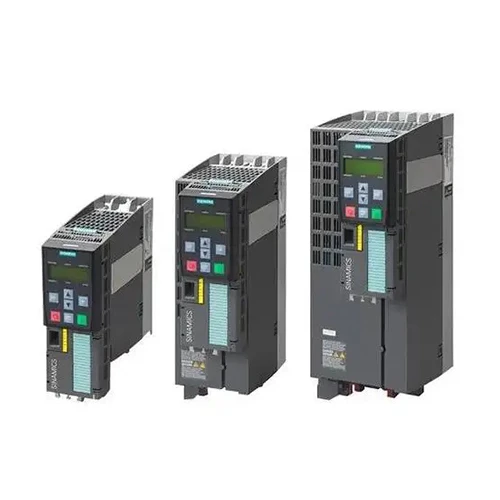
Put simply, a variable frequency drive is an electronic controller that modulates the frequency and voltage supplied to an AC motor. By adjusting these parameters, the motor’s speed can be precisely controlled rather than just running on “full blast.” The 110 volt variation simply means it operates on a lower, more accessible voltage level common in residential or light industrial power supplies.
This low-voltage feature opens up possibilities in modern manufacturing plants, agricultural equipment, HVAC systems, and remote operations where running standard 220V or 460V motors is impractical or unsafe. With increased focus on automation and energy efficiency, VFDs—especially in the 110 volt category—are no longer just “nice to have” but core to operational resilience.
Core Components of the 110 Volt Variable Frequency Drive
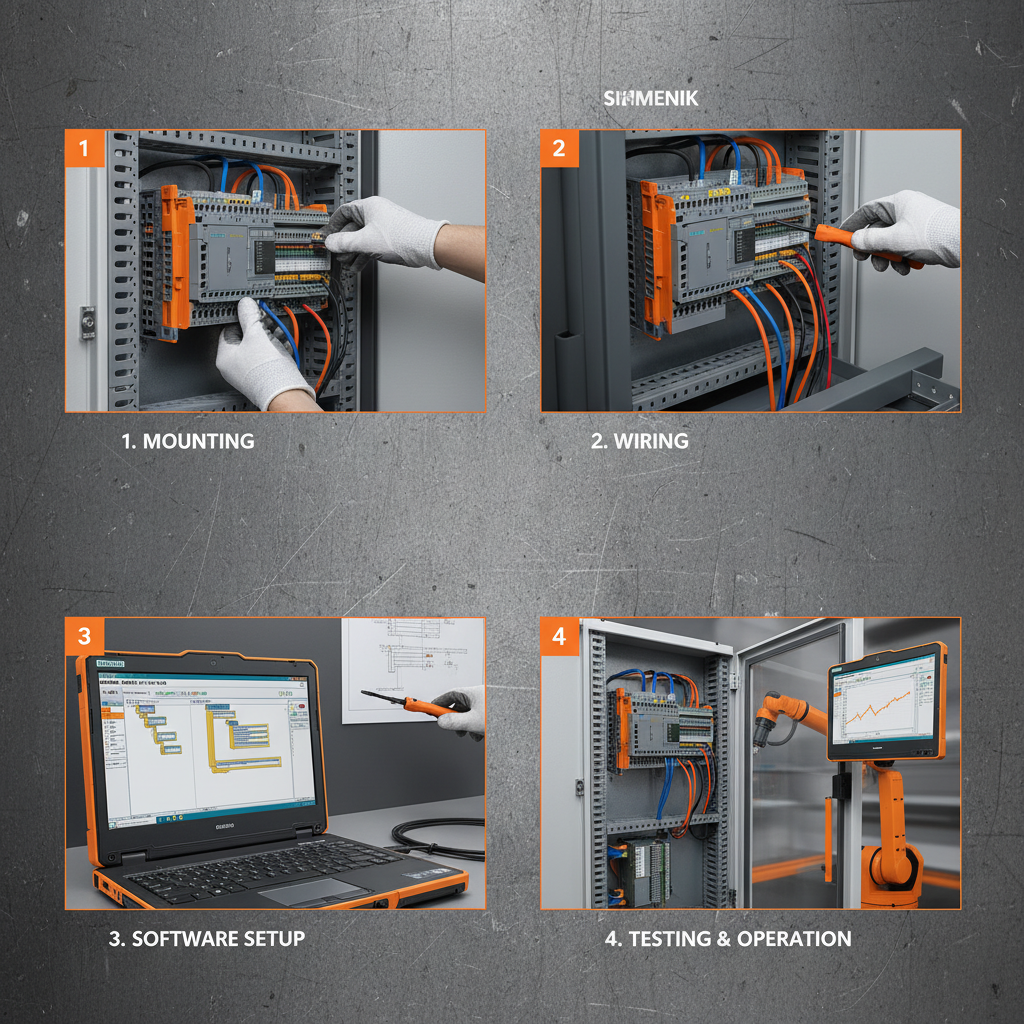
- Power Conversion Unit: Converts input AC to DC and then back to controlled-frequency AC. This is the heart of the VFD, responsible for variable motor speed control.
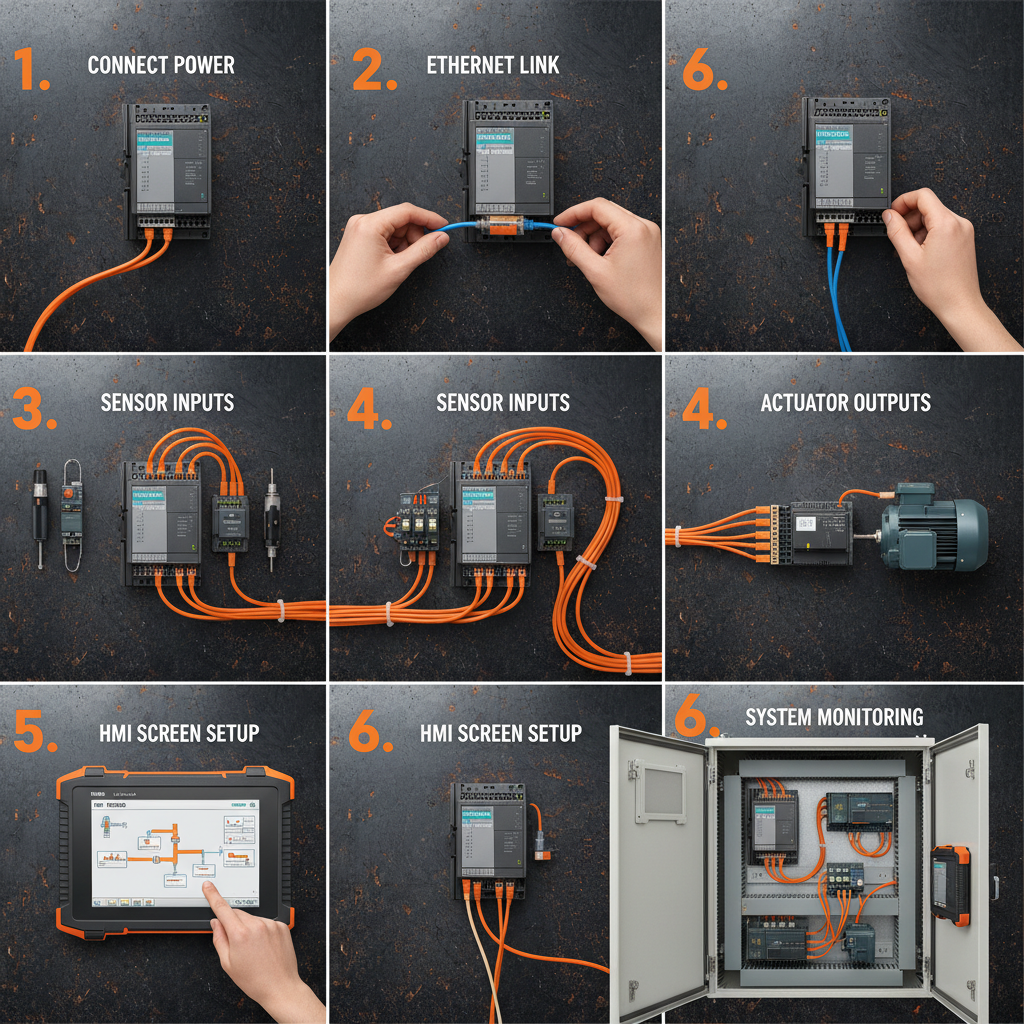
- Control Circuitry: Interfaces with sensors and operator input; manages start, stop, acceleration, and deceleration sequences with precision.
- Protection Systems: Prevents motor and drive damage due to overloads, overheating, or voltage spikes—critical for longevity and safety.
- Communication Interface: Many modern drives support interfaces like Modbus or CAN bus to integrate with PLCs and industry 4.0 platforms.
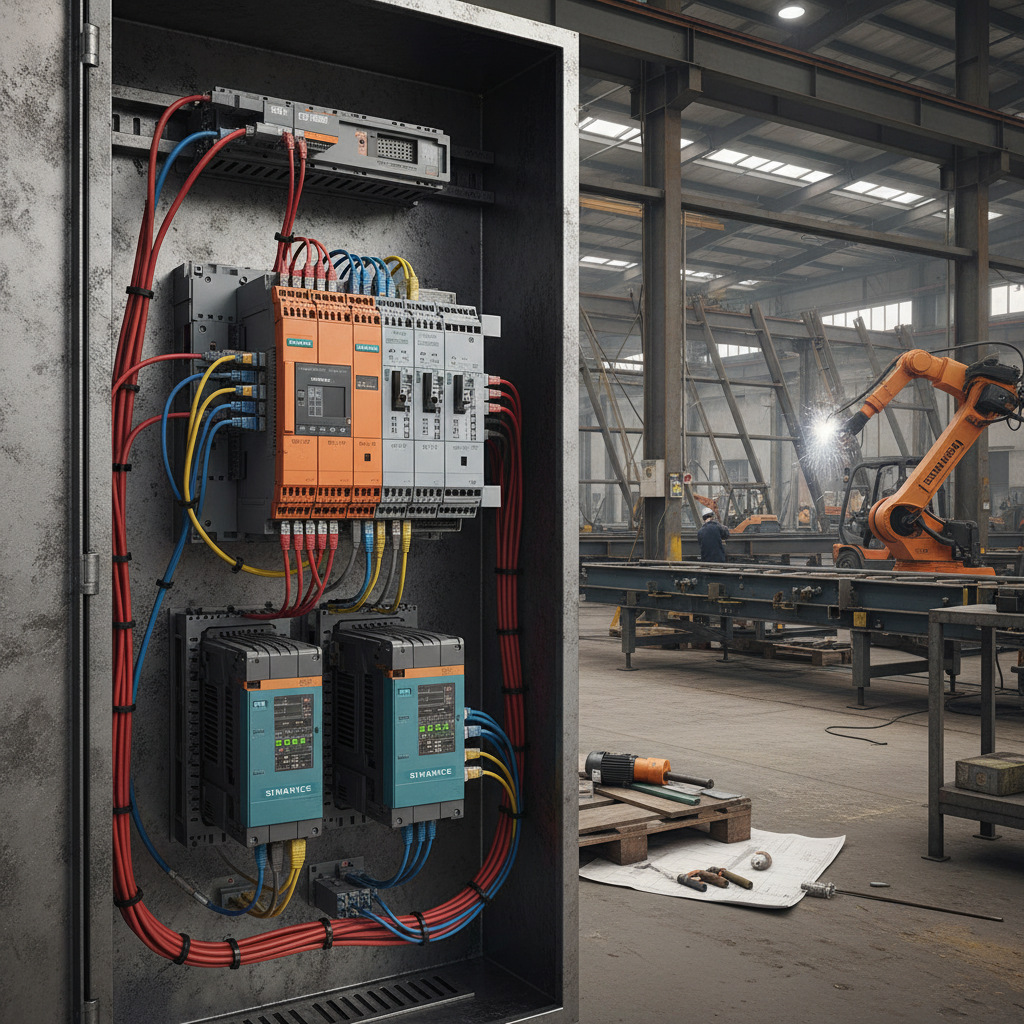
- Enclosure & Durability Features: Designed to withstand environmental conditions specific to installation sites, including dust, moisture, and vibration.
Understanding components helps clarify why selecting the right 110 volt variable frequency drive depends on matching features with operational needs and constraints.
Global Applications and Use Cases of 110 Volt Variable Frequency Drives
Their versatility is impressive. You’ll find these drives in:
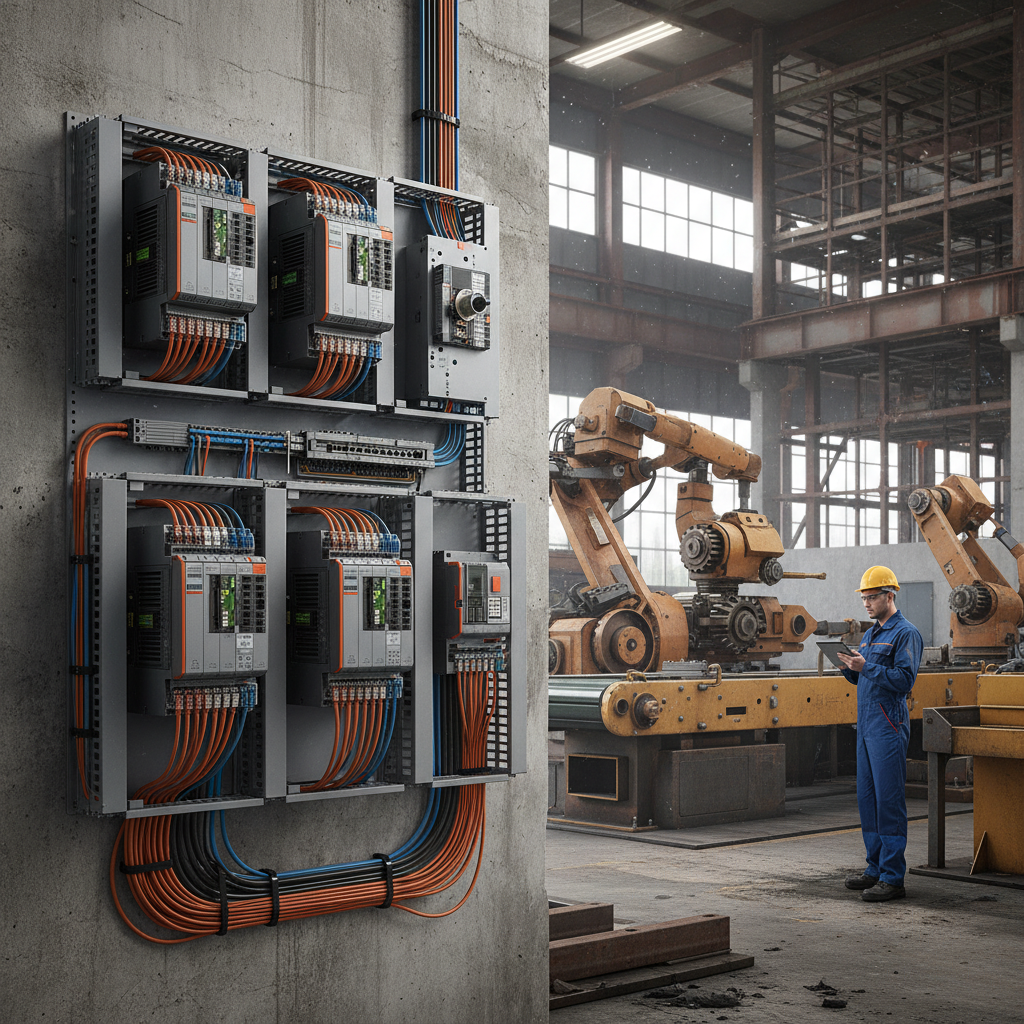
- Small-Scale Manufacturing: Controlling conveyors, pumps, and mixers where 110V supply is standard.
- Agricultural Equipment: Irrigation pumps and grain elevators that benefit from precise speed control for energy savings.
- Remote and Off-Grid Facilities: Sites with limited power infrastructure rely on low-voltage VFDs to control motors safely and efficiently.
- Post-Disaster Relief Operations: Mobile water treatment plants or shelter ventilation systems use portable, robust 110 volt drives to manage critical systems.
- Residential HVAC Systems: High-efficiency fans and compressors often integrate 110 volt VFDs for quietly adjusting airflow and temperature.
In real terms, firms in Southeast Asia and South America find low-voltage drives ideal to retrofit existing infrastructure without costly rewiring—an economic plus when budgets are tight, and downtime is expensive.
Mini Takeaway
The 110 volt variable frequency drive is far from niche; it’s a frontline tool enabling energy-efficient motor control across diverse environments globally.
Advantages and Long-Term Benefits Worth Considering
From a practical angle, here’s why many engineers and facility managers swear by these drives:
- Energy Savings: Variable speed operation can reduce motor energy consumption by 20–50% in many applications, translating to real dollar savings and lower greenhouse gas emissions.
- Extended Equipment Life: Soft starting and controlled acceleration reduce mechanical stress and wear.
- Improved Process Control: Fine-tuned motor speeds improve product quality, reduce scrap, and allow for faster response to process changes.
- Safety and Compliance: By conforming to low-voltage standards (
- Adaptability: Can be integrated with smart IoT systems for predictive maintenance and real-time monitoring.
There’s also something intangible here: peace of mind. Knowing your system adapts rather than fights against fluctuating needs fosters trust and encourages innovation within operations.
Looking Ahead: Future Trends in 110 Volt Variable Frequency Drives
The future is bright—and green. Here are some trends gaining traction:
- Integration with Renewable Energy: As solar and wind power expand, VFDs will manage variable power input efficiently, especially in low-voltage scenarios.
- Digital Smart Drives: AI-enabled predictive analytics will minimize downtime even further.
- Material Innovations: Use of more heat-resistant semiconductors means smaller, more reliable drives.
- Enhanced Cybersecurity: Protecting IoT-connected drives against hacking risks will become a priority.
We might soon see modular plug-and-play 110 volt variable frequency drives that install as quickly as changing a coffee filter—well, one can dream.
Challenges and Ingenious Solutions
Of course, no technology is perfect. Here are some common limitations and workarounds:
- Limited Power Output: 110V drives are inherently limited in power capacity, making them unsuitable for heavy industries without multiple drives or step-up transformers. Solution? Careful load planning and hybrid low/high voltage systems.
- Thermal Management: Compact designs sometimes struggle with heat dissipation. Advanced cooling techniques and materials help mitigate this.
- Harmonic Distortion: Variable speed drives can inject electrical noise back into grids. Filters and advanced power electronics are increasingly integrated to address this.
In real projects, engineers often pair these drives with smart monitoring to flag early warning signs, steering clear of surprise failures.
FAQ: Practical Queries About 110 Volt Variable Frequency Drives
Q1: Can a 110 volt variable frequency drive be used to retrofit existing motor systems safely?
A1: Absolutely, but compatibility depends on motor voltage rating and control needs. A thorough assessment is needed to ensure the drive matches motor specifications and load types. Retrofitting often improves efficiency without major rewiring.
Q2: How energy-efficient are 110V variable frequency drives compared to constant speed motors?
A2: They can reduce energy consumption roughly 20–50%, especially in applications with variable load or duty cycles. The ability to precisely control speed avoids wasteful full-power operation.
Q3: Are these drives suitable for harsh environments?
A3: Many models come with rugged enclosures rated for dust, moisture, and vibration. It’s crucial to choose the right IP rating and cooling method for specific conditions.
Q4: How does integrating a 110V VFD support sustainability goals?
A4: By cutting energy use and boosting equipment longevity, these drives reduce resource consumption and greenhouse gas emissions, aligning with ISO 50001 energy management standards.
Q5: What maintenance do 110V variable frequency drives require?
A5: Routine checks include cleaning dust, verifying connections, firmware updates, and monitoring thermal conditions. Many now offer remote diagnostics to simplify upkeep.
110 Volt Variable Frequency Drive Specification Table
| Specification | Typical Value | Notes |
|---|---|---|
| Input Voltage | 100–120 VAC | Single phase |
| Output Power | 0.1–2 HP (75–1500W) | Varies by model |
| Output Frequency | 0–400 Hz | Variable motor speed control |
| Control Method | V/F, Sensorless Vector | Depends on drive sophistication |
| Protection Features | Overload, Overheat, Short Circuit | Standard in most units |
| Communication | RS485/Modbus (optional) | For integration with PLCs |
Comparing Leading Vendors of 110 Volt Variable Frequency Drives
| Vendor | Product Range | Key Strength | Price Range (USD) | Warranty |
|---|---|---|---|---|
| DriveTech Solutions | 0.1–1.5 HP, sensorless vector control | Robust industrial design | $150–350 | 3 years |
| EcoMotion Electronics | 0.2–2 HP, integrated Modbus | Energy-efficient algorithms | $180–400 | 2 years |
| VoltageFlex Inc. | 0.1–1 HP, basic V/F control | Affordable entry-level drives | $100–250 | 1 year |
Conclusion: Why 110 Volt Variable Frequency Drives Should Be On Your Radar
To sum it up, the 110 volt variable frequency drive offers a smart, flexible way to control motor speed and power at lower voltages—a must-have for optimizing energy use and adapting equipment performance across small to medium scale applications globally. Beyond the obvious cost savings, its impact ripples into sustainability, equipment health, and operational innovation.
Next time you’re upgrading equipment or planning a new installation, consider how these drives fit into your energy strategy. They might feel like a modest component but, frankly, their benefits compound quickly. And with ongoing advances in digital controls and green compatibility, their importance will only grow.
Ready to explore reliable and efficient 110 volt variable frequency drives? Visit our website for product details, technical support, and expert advice.
Mini Takeaway
Understanding and using 110V VFDs today is a small step with outsized rewards for tomorrow’s energy-conscious industries.