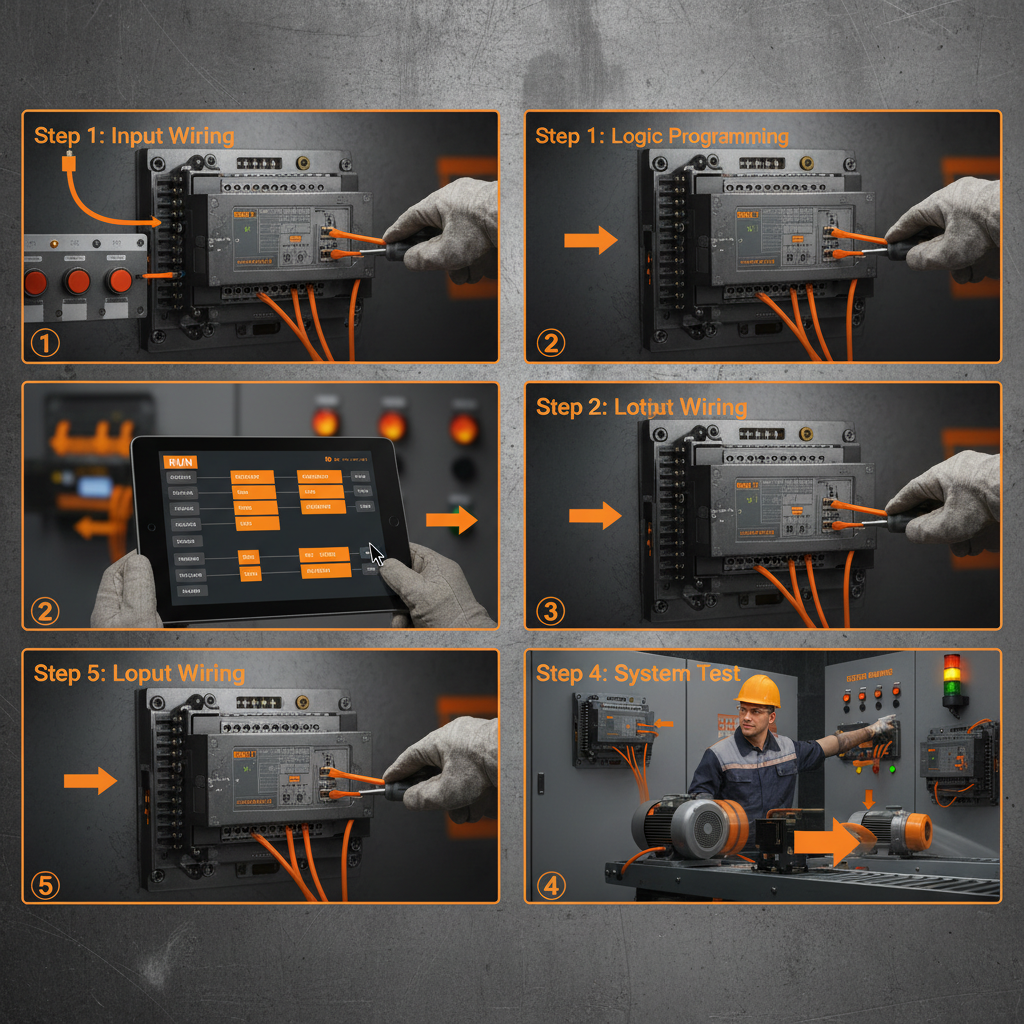
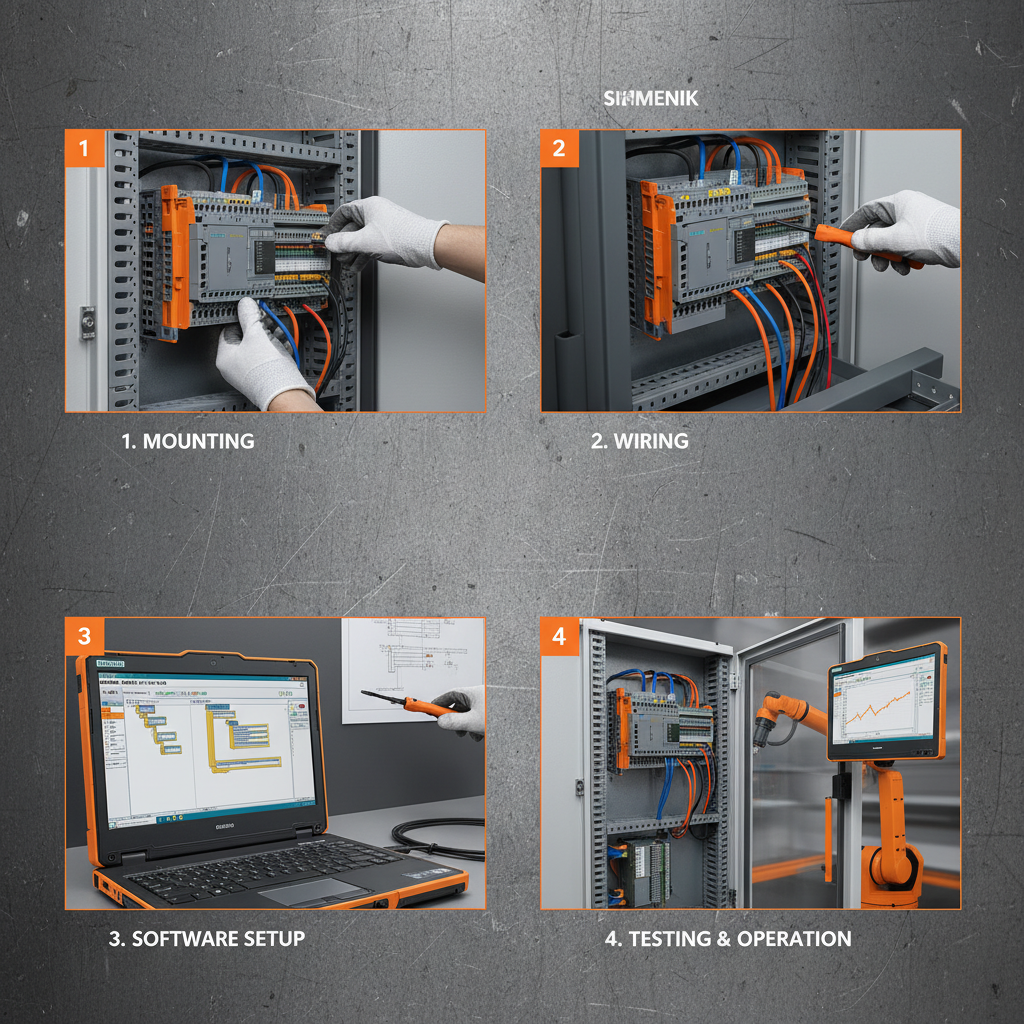
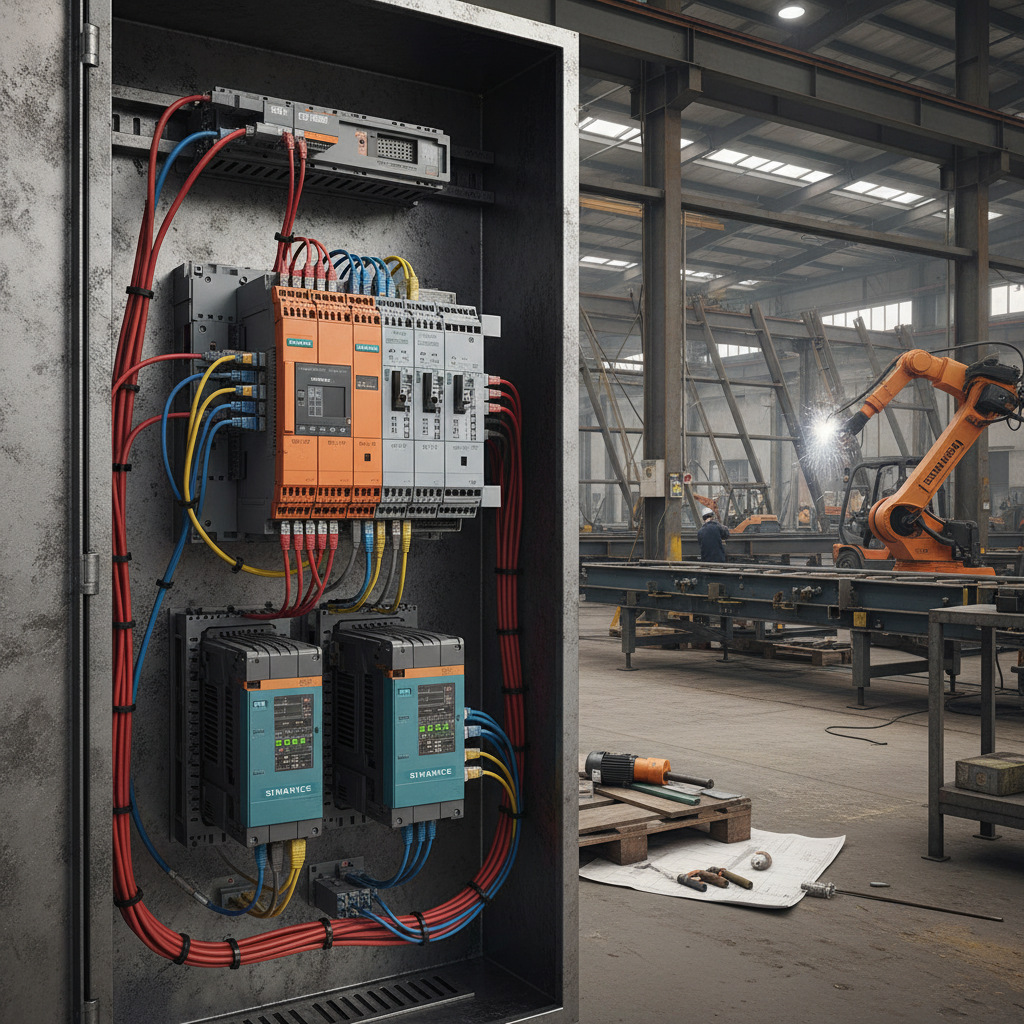
PLC SCADA Siemens Solutions for Advanced Industrial Automation
PLC SCADA Siemens: A Comprehensive Guide for Industrial Automation
In the realm of industrial automation, achieving efficient and reliable control systems is paramount. This is where PLC SCADA Siemens solutions take center stage. This article provides a detailed overview of Programmable Logic Controllers (PLCs), Supervisory Control and Data Acquisition (SCADA) systems, and the role Siemens plays in delivering cutting-edge automation technology. Understanding these technologies is vital for optimizing processes, enhancing productivity, and ensuring operational safety in diverse industrial settings. We'll explore their functionalities, benefits, and integration possibilities.
Understanding Programmable Logic Controllers (PLCs)
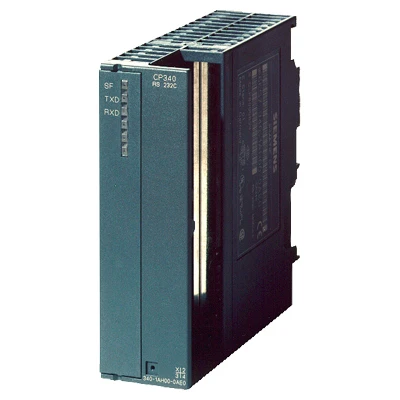
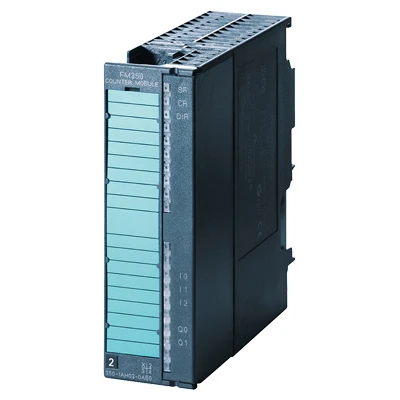
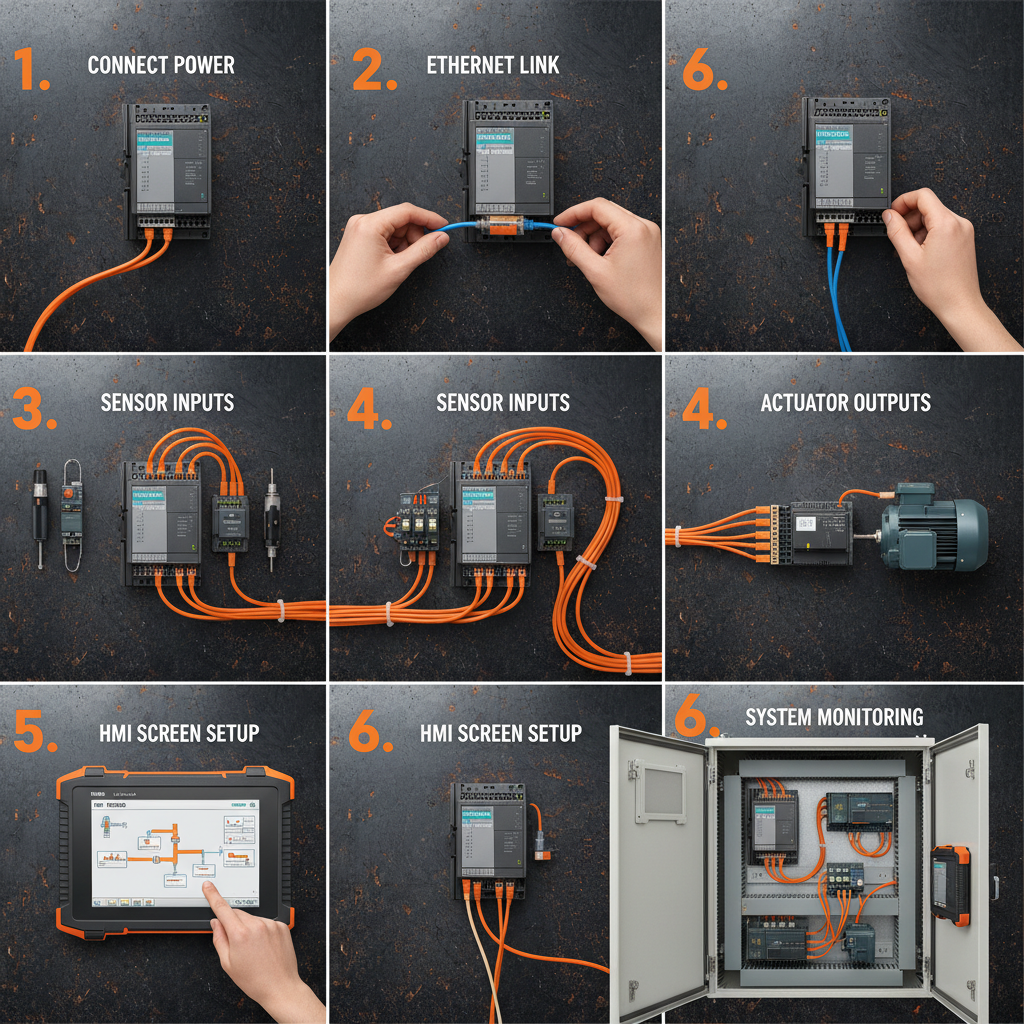
PLCs are specialized computers used to automate industrial processes. They are designed to withstand harsh environments and operate reliably for extended periods. Unlike general-purpose computers, PLCs are built for real-time control, receiving inputs from sensors and sending outputs to actuators based on programmed logic. They are crucial in applications like manufacturing, power generation, and oil and gas. The core components of a PLC include a central processing unit (CPU), input/output (I/O) modules, and a programming device. Tianjin Yongkai offers a range of PLC solutions tailored to various industrial needs.
The Role of SCADA Systems in Industrial Monitoring and Control
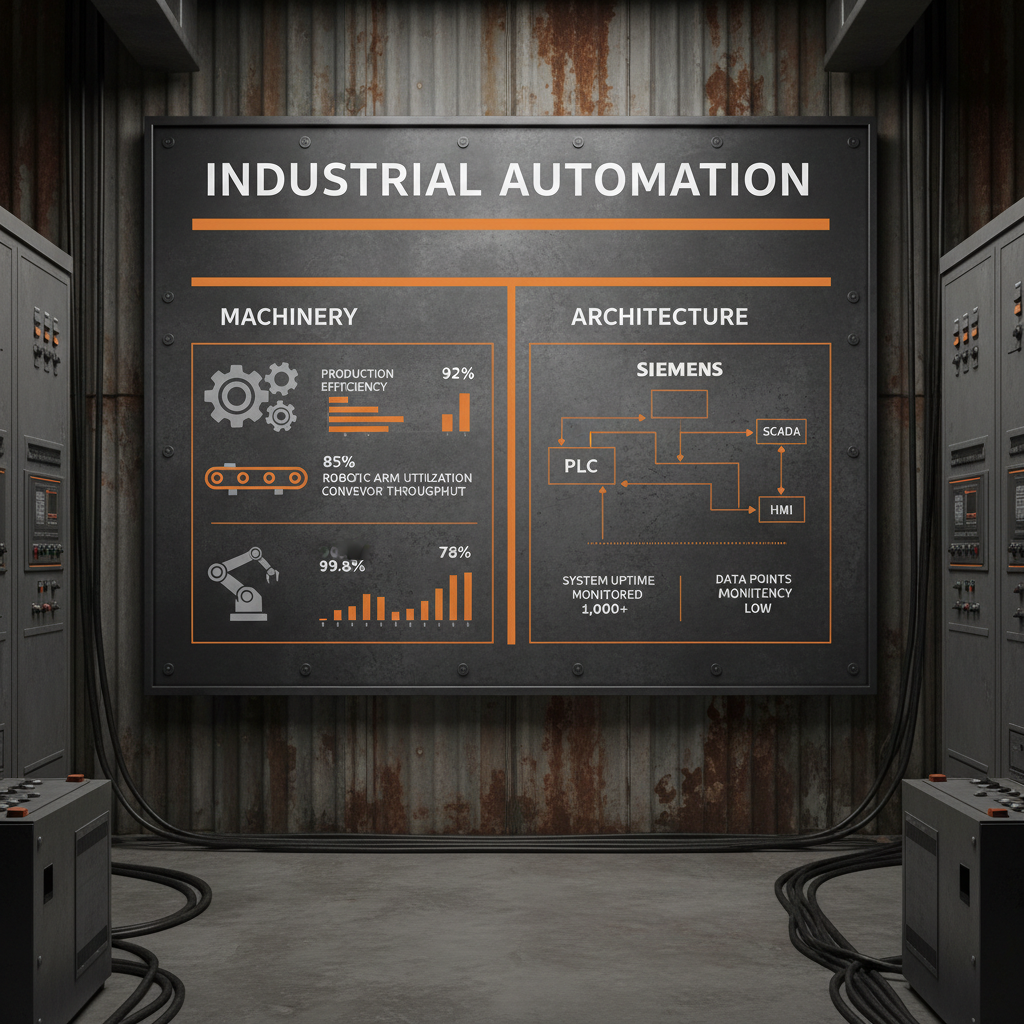
While PLCs control individual processes, SCADA systems provide a supervisory layer for monitoring and controlling entire industrial facilities. SCADA systems gather data from multiple PLCs and other devices, presenting it to operators in a user-friendly interface. This allows for centralized monitoring, remote control, and data analysis. Key features of SCADA systems include real-time data visualization, alarm management, historical data logging, and reporting. SCADA systems are integral to optimizing processes and improving operational efficiency.
Key Benefits of SCADA Systems: Centralized control, enhanced data visibility, improved decision-making, and increased operational efficiency.
PLC SCADA Siemens: A Powerful Combination
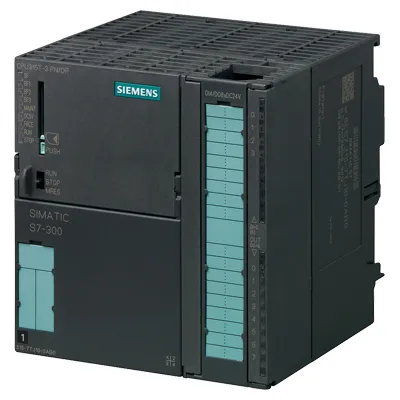
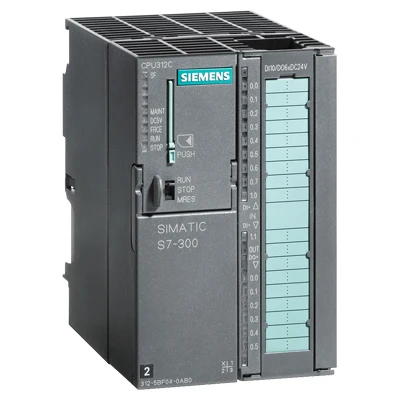
Siemens is a leading provider of both PLC and SCADA technologies. Their integrated solutions offer seamless communication and interoperability, allowing for robust and reliable automation systems. Siemens PLCs, such as the SIMATIC S7 series, are renowned for their performance, reliability, and scalability. Coupled with Siemens SCADA systems like WinCC, operators gain complete control and visibility over their processes. Siemens PLC SCADA solutions are widely adopted across industries for their advanced features and proven performance.
Comparing Siemens PLCs: S7-1200 vs. S7-1500
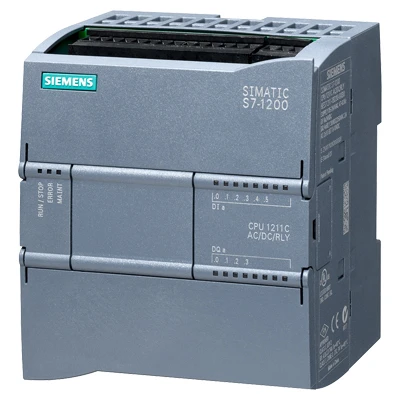
Siemens offers a range of PLCs to suit different application requirements. Two popular choices are the S7-1200 and S7-1500. The S7-1200 is a compact and cost-effective PLC ideal for small to medium-sized applications. The S7-1500, on the other hand, is a high-performance PLC designed for complex and demanding applications. Here’s a comparative overview:
Industries Benefiting from PLC SCADA Siemens Solutions
The benefits of PLC SCADA Siemens technology extend across a wide range of industries. In manufacturing, it optimizes production processes and reduces downtime. In the oil and gas sector, it ensures safe and efficient operations in challenging environments. Power generation relies on it for reliable grid control. Water and wastewater treatment facilities utilize it for efficient resource management. The versatility of these systems makes them indispensable for modern industrial operations.
Future Trends in PLC SCADA Technology
The future of PLC SCADA is being shaped by trends such as the Industrial Internet of Things (IIoT), cloud computing, and artificial intelligence (AI). IIoT enables greater connectivity and data exchange between devices, leading to more intelligent automation systems. Cloud-based SCADA systems offer scalability and accessibility. AI algorithms can analyze data to predict failures, optimize processes, and improve decision-making. Tianjin Yongkai is committed to staying at the forefront of these technological advancements.
Conclusion: Embracing Automation with Siemens
Investing in PLC SCADA Siemens solutions is a strategic move for businesses looking to optimize operations, enhance efficiency, and gain a competitive edge. By leveraging the power of automation, companies can unlock new levels of productivity and drive sustainable growth.
Frequently Asked Questions (FAQs)
What are the key differences between a PLC and a DCS?
While both PLCs and Distributed Control Systems (DCS) are used for industrial automation, they differ in scope and complexity. PLCs are typically used for discrete control tasks, such as controlling individual machines or processes. DCS systems are designed for continuous process control in large-scale industrial plants, managing complex interactions between multiple processes. DCS often have built-in redundancy and advanced process optimization features. The choice between PLC and DCS depends on the specific application requirements.
How secure are Siemens PLC SCADA systems against cyber threats?
Siemens prioritizes cybersecurity in its PLC SCADA systems, incorporating features like role-based access control, encryption, and intrusion detection. However, like any connected system, they are vulnerable to cyber threats. It is crucial to implement robust security measures, including regular software updates, firewalls, and network segmentation, to protect against potential attacks. Following industry best practices for cybersecurity is essential.
What programming languages are used with Siemens PLCs?
Siemens PLCs primarily use the following programming languages, defined by the IEC 61131-3 standard: Ladder Diagram (LAD), Function Block Diagram (FBD), Statement List (STL), Structured Text (SCL), and Sequential Function Chart (SFC). TIA Portal, Siemens’ engineering framework, supports all these languages, allowing developers to choose the most appropriate language for their application.
What are the benefits of using WinCC SCADA system?
WinCC (Windows Control Center) is Siemens’ SCADA system, offering a wide range of benefits, including real-time data acquisition and visualization, alarm management, historical data trending, recipe management, and reporting. It provides a user-friendly interface for operators to monitor and control industrial processes efficiently. Its scalability and integration capabilities make it suitable for a variety of applications.