Look, I've spent years knee-deep in dust and concrete, watching projects rise from the ground. One thing that consistently impacts efficiency and, frankly, my sanity, is pumping systems. For too long, we've relied on outdated methods, constantly adjusting flows, dealing with energy waste, and frankly, fighting with equipment. That’s where the shift to a variable frequency drive pump comes in. It's not just a piece of equipment; it's a smart solution to real-world problems on the job site. It’s about doing more with less, and making sure everything runs smoothly, even when demand fluctuates.
I've seen firsthand the headaches caused by traditional pumps – the surges, the wasted energy, the constant need for manual adjustments. These aren’t minor inconveniences; they translate directly into project delays and cost overruns. A variable frequency drive pump, though, offers a level of control and efficiency that simply wasn't available before. It’s about taking the guesswork out of the equation and letting the pump adapt to the actual needs of the site.
We’re talking about a tangible difference in the bottom line and a significant improvement in workflow. Honestly, once you've used one, going back to a standard pump feels archaic. It’s the kind of upgrade that makes life easier for everyone – the engineers, the operators, and even the project managers trying to keep things on schedule.
The Core Benefits of Variable Frequency Drive Pumps
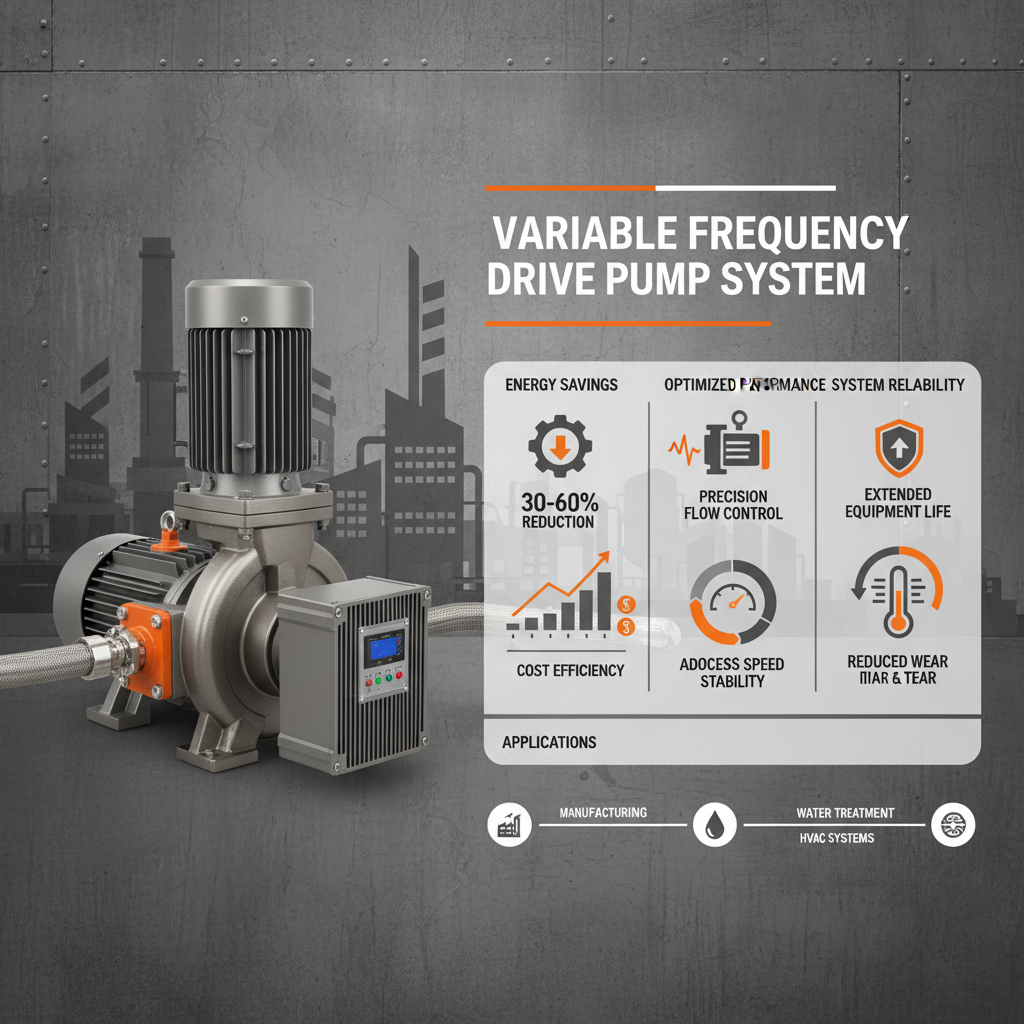
From my experience, the biggest win with a variable frequency drive pump is precision. We’re not talking about just turning a pump on and off. It’s about finely tuning the flow rate to exactly what’s needed, when it’s needed. This minimizes energy waste and reduces wear and tear on the equipment. It’s a simple concept, but the impact on site efficiency is massive.
And it’s not just about energy savings. The smoother operation of a VFD pump extends the lifespan of the entire system, reducing maintenance costs and downtime. That translates to fewer disruptions, faster project completion, and a more reliable operation overall. Believe me, a well-maintained pump is a happy pump – and a happy site foreman.
The Global Impact of Efficient Pumping Solutions
Look around the world, and you'll see water scarcity and energy efficiency are huge challenges. The UN and World Bank are constantly pushing for sustainable solutions, and efficient pumping is a critical part of that. Whether it's supplying clean water to communities, irrigating crops, or managing industrial processes, pumps are everywhere. And a lot of energy is wasted using outdated tech.
The move towards variable frequency drive pump systems isn't just about cost savings for individual projects; it's about contributing to a more sustainable future. Reducing energy consumption lowers carbon emissions, and minimizing water waste helps preserve precious resources. It's a responsible approach that benefits everyone.
Consider large-scale infrastructure projects in developing nations. Reliable and efficient water management is essential for public health and economic growth. Implementing VFD pump technology can make a significant difference in these scenarios, providing access to clean water and supporting sustainable development.
Understanding Variable Frequency Drive Pump Technology
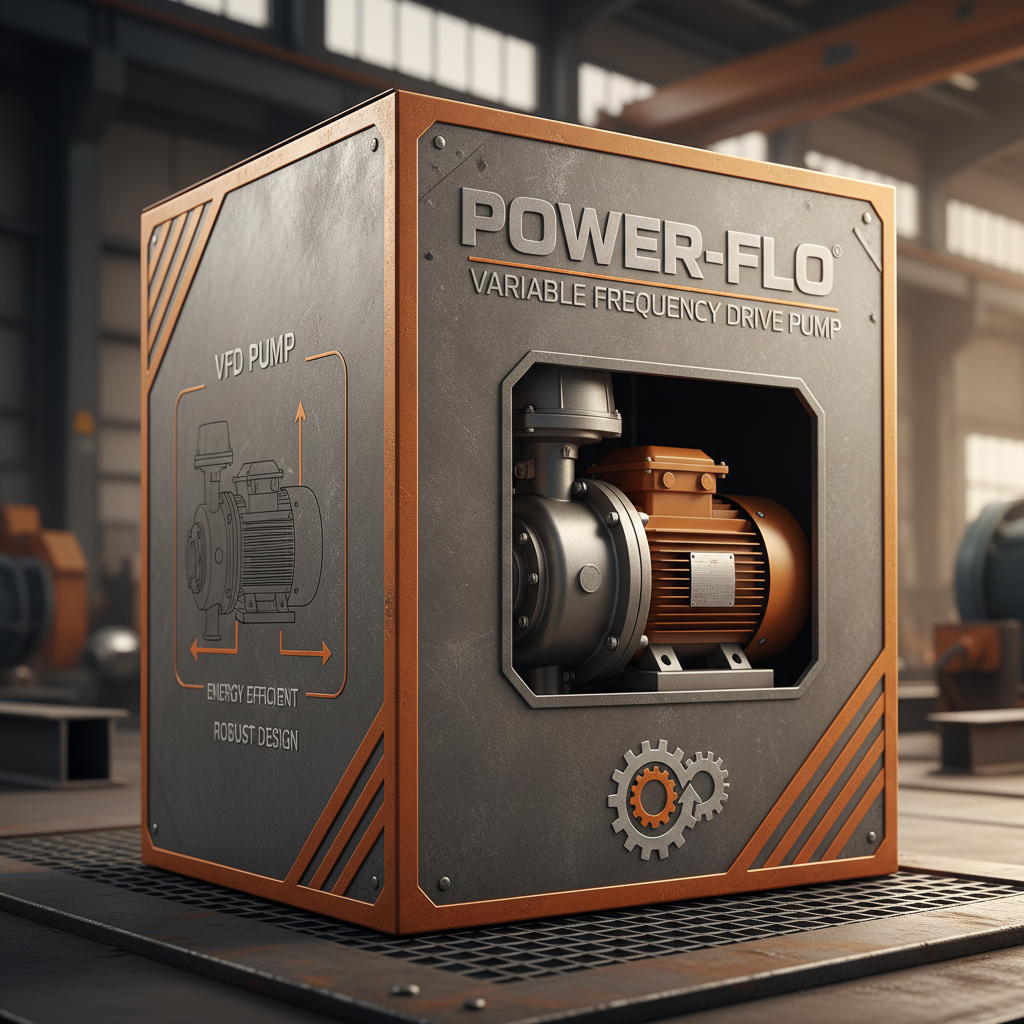
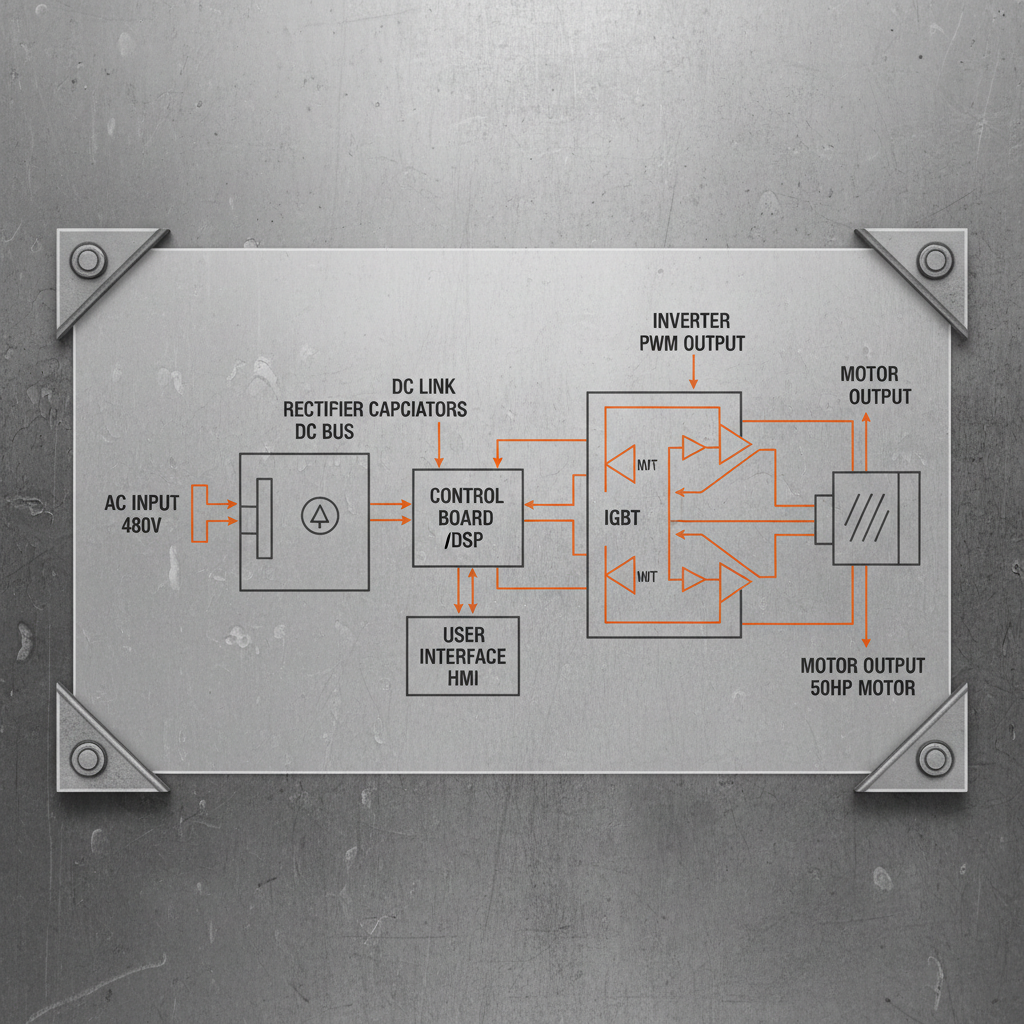
At its core, a variable frequency drive pump uses a VFD to control the speed of the pump motor. This allows it to adjust the flow rate and pressure to match the actual demand. It’s a far cry from the old method of using valves to throttle the flow, which wastes energy and causes unnecessary wear. The VFD essentially fine-tunes the power delivery to the motor, making it incredibly efficient.
The beauty of the system is its responsiveness. If the demand increases, the VFD automatically increases the motor speed, delivering more flow. If the demand decreases, it slows down the motor, conserving energy. It's a dynamic system that adapts to changing conditions in real-time. And modern VFDs are surprisingly easy to integrate into existing systems.
It's also worth noting that VFD pumps can be networked and monitored remotely. This allows for proactive maintenance and optimization of performance. You can track energy consumption, identify potential problems, and make adjustments remotely, saving time and resources.
Key Factors Influencing Performance
There are a few key things that dictate how well a variable frequency drive pump performs. The pump's design is critical; you need a pump that’s compatible with VFD operation. Not all pumps are created equal, and some are more efficient than others when paired with a VFD.
Proper system sizing is also vital. You need to ensure the pump and VFD are appropriately sized for the application. An undersized system won't be able to meet the demand, while an oversized system will be inefficient. It’s about finding that sweet spot where the pump operates at its optimal efficiency point.
Variable Frequency Drive Pump Efficiency Factors
Real-World Applications Across Industries
I've seen these pumps used in everything from wastewater treatment plants to large-scale irrigation projects. In construction, they're ideal for dewatering excavation sites, managing slurry, and supplying water for concrete mixing. The ability to precisely control the flow is a game-changer in these applications.
In the food and beverage industry, variable frequency drive pumps are used for precise liquid handling, ensuring product quality and minimizing waste. They’re also commonly found in HVAC systems, optimizing energy efficiency and maintaining comfortable indoor temperatures.
Long-Term Value and Sustainability
Look, the initial investment in a variable frequency drive pump system is higher than a traditional setup. But the long-term benefits far outweigh the upfront costs. The energy savings, reduced maintenance, and extended equipment life all contribute to a lower total cost of ownership.
Beyond the financial benefits, there’s the environmental aspect. By reducing energy consumption and minimizing waste, VFD pumps contribute to a more sustainable future. It’s a responsible choice that aligns with growing environmental concerns and regulations.
And let’s not forget the increased reliability. A well-maintained VFD pump system is less prone to breakdowns, reducing downtime and keeping projects on schedule. That's a huge win for everyone involved.
Future Trends and Potential Challenges
We’re seeing a lot of innovation in VFD technology, with more intelligent and connected pumps coming to market. Integration with building management systems and remote monitoring capabilities are becoming increasingly common. We’re even starting to see AI-powered VFDs that can learn and optimize performance over time.
One challenge is ensuring compatibility with existing infrastructure. Retrofitting older systems with VFDs can be complex and require careful planning. Another challenge is training personnel to properly operate and maintain these advanced systems.
However, I believe these challenges are surmountable. As the benefits of VFD pumps become more widely recognized, we'll see increased adoption and continued innovation in the field.
Summary of Variable Frequency Drive Pump Considerations
| Application Area |
Key Benefit |
Potential Challenge |
Mitigation Strategy |
| Construction Dewatering |
Reduced energy costs |
Sediment buildup |
Implement filtration systems |
| Wastewater Treatment |
Precise flow control |
Corrosion resistance |
Use corrosion-resistant materials |
| HVAC Systems |
Improved energy efficiency |
Integration complexity |
Hire qualified integrators |
| Irrigation Systems |
Water conservation |
Programming complexity |
Provide thorough training |
| Food & Beverage Processing |
Sanitary operation |
Cleaning requirements |
Select easily cleanable models |
| Industrial Cooling |
Temperature regulation |
Heat dissipation |
Ensure adequate ventilation |
FAQS
From my experience, it's the energy savings. Traditional pumps run at full speed even when you don't need that much flow, wasting a ton of electricity. A VFD pump adjusts the speed to match the demand, reducing energy consumption significantly. That translates directly into lower operating costs. It’s a big win for any project budget.
Installation can be a bit more complex than a standard pump, but it's not rocket science. You’ll need a qualified electrician to handle the wiring and programming of the VFD. It’s crucial to get it right to ensure optimal performance and avoid any issues down the line. Don’t try to cut corners on this.
VFD pumps generally require less maintenance than traditional pumps because they run at lower speeds and experience less wear and tear. However, it’s important to regularly inspect the motor, VFD unit, and control panel for any signs of damage or malfunction. Routine maintenance can prevent costly repairs down the road.
Yes, in many cases! Retrofitting is a common application. However, you'll need to assess the existing system to ensure compatibility. You might need to upgrade the motor or wiring to handle the VFD. It’s best to consult with a qualified engineer to determine the feasibility and cost of a retrofit.
The payback period varies depending on the application, energy costs, and the size of the pump. However, in many cases, the energy savings alone can pay for the investment within a few years. When you factor in reduced maintenance costs and extended equipment life, the payback period can be even shorter.
Generally, yes, but it depends on the fluid's characteristics. VFD pumps can handle a wide range of fluids, including water, wastewater, chemicals, and slurries. However, you need to ensure the pump and VFD are compatible with the specific fluid being pumped. Consider factors like viscosity, corrosiveness, and temperature.
Conclusion
In short, variable frequency drive pumps represent a significant leap forward in pumping technology. They offer a compelling combination of energy efficiency, cost savings, and reliability. For anyone involved in construction, infrastructure, or industrial processes, understanding the benefits of VFD pumps is no longer optional – it's essential.
My advice? Don’t get stuck in the past with outdated technology. Embrace the future of pumping. Explore the possibilities of VFDs and see how they can improve your operations, reduce your costs, and contribute to a more sustainable future. Visit our website to learn more about our range of variable frequency drive pump solutions and how we can help you optimize your pumping systems.