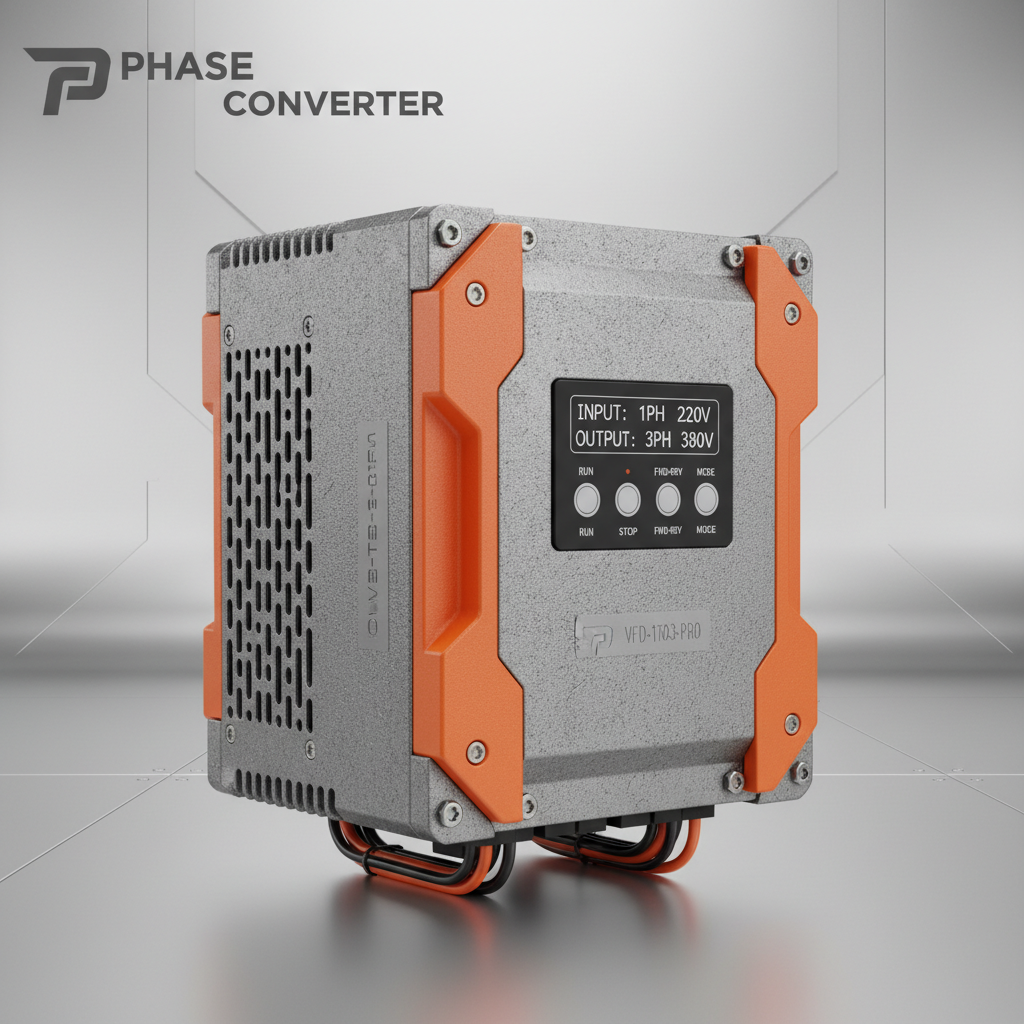
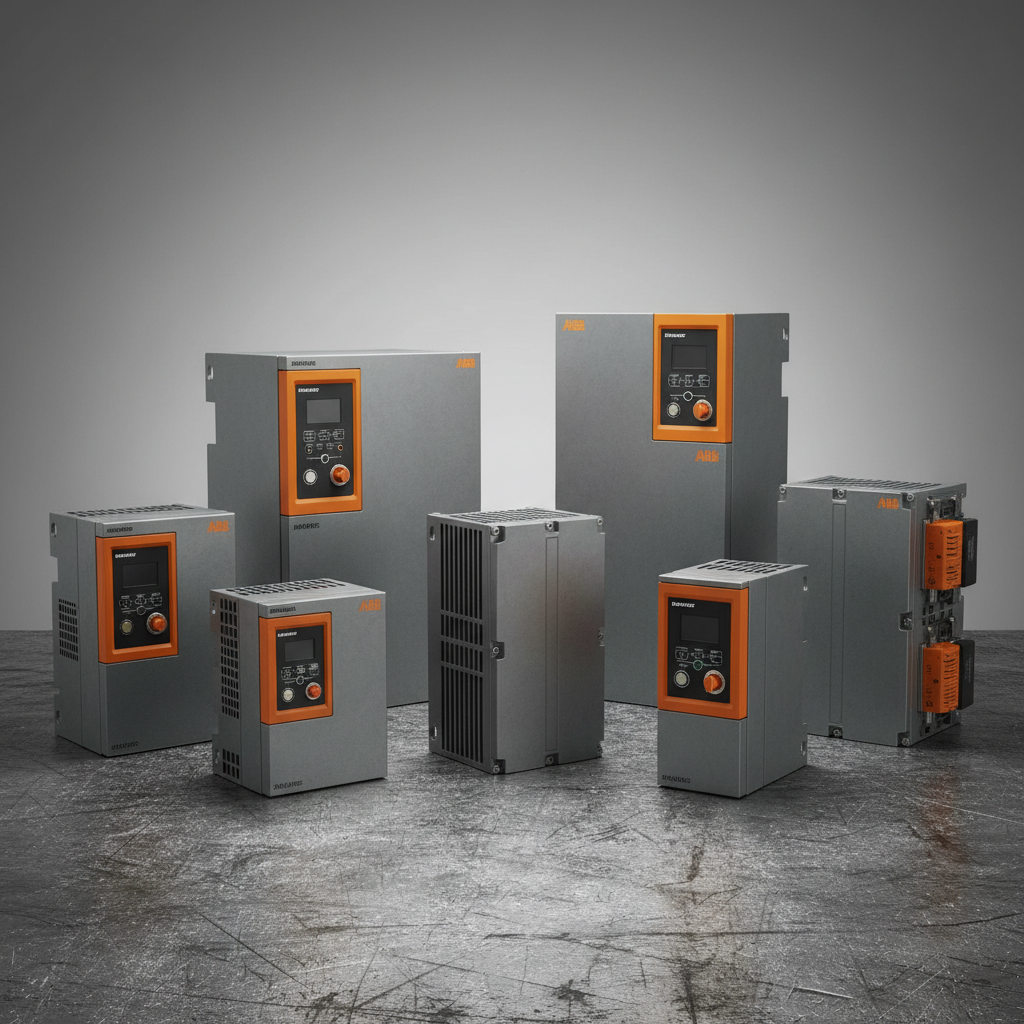
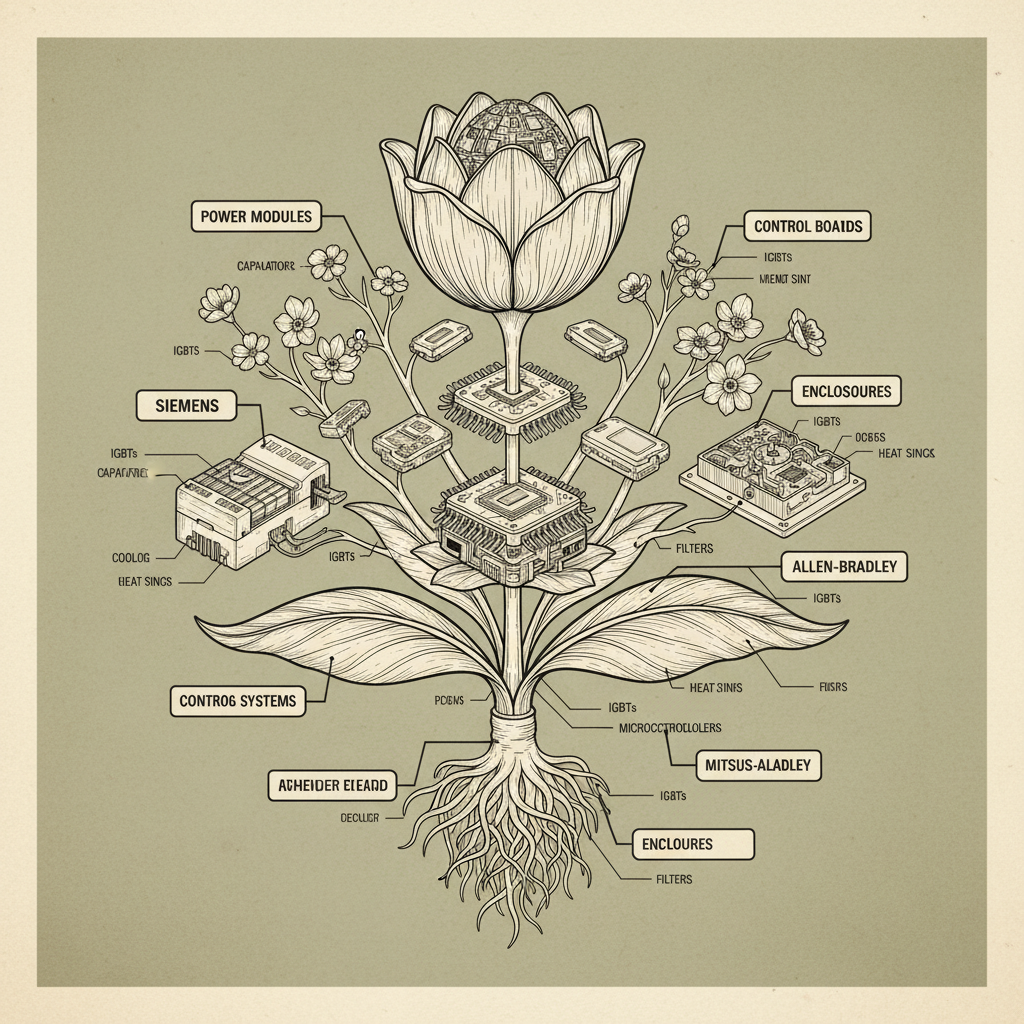
The demand for adaptable power solutions is growing rapidly, especially when dealing with equipment requiring three-phase power in locations with only single-phase availability. This isn’t some abstract electrical problem; it's a bottleneck I've seen countless times on construction sites, in remote agricultural operations, and even in small manufacturing workshops. The need to efficiently and reliably convert single-phase to three-phase power, without the huge cost and delay of infrastructure upgrades, is critical. That’s where understanding vfd single phase to three phase solutions comes in. It’s not just about the tech specs; it's about keeping projects moving, minimizing downtime, and maximizing productivity.
I’ve spent years lugging generators around, coordinating power drops, and troubleshooting electrical hiccups. The hassle of relying solely on single-phase power for everything is real. It limits the types of machinery you can run, forces compromises on efficiency, and often means multiple, less-than-ideal setups. What I’ve learned is that a robust vfd single phase to three phase system isn’t a luxury, it's a smart investment, and it’s becoming increasingly essential in a world that’s demanding more power from more remote locations.
The impact is global. From supporting expanding infrastructure in developing nations to powering essential services in disaster-stricken areas, and even enabling sustainable farming practices in rural communities, the ability to convert readily available single-phase power to usable three-phase power unlocks a world of possibilities. It’s a foundational element for progress, and getting it right can make or break a project’s success.
The Core Principles of vfd single phase to three phase
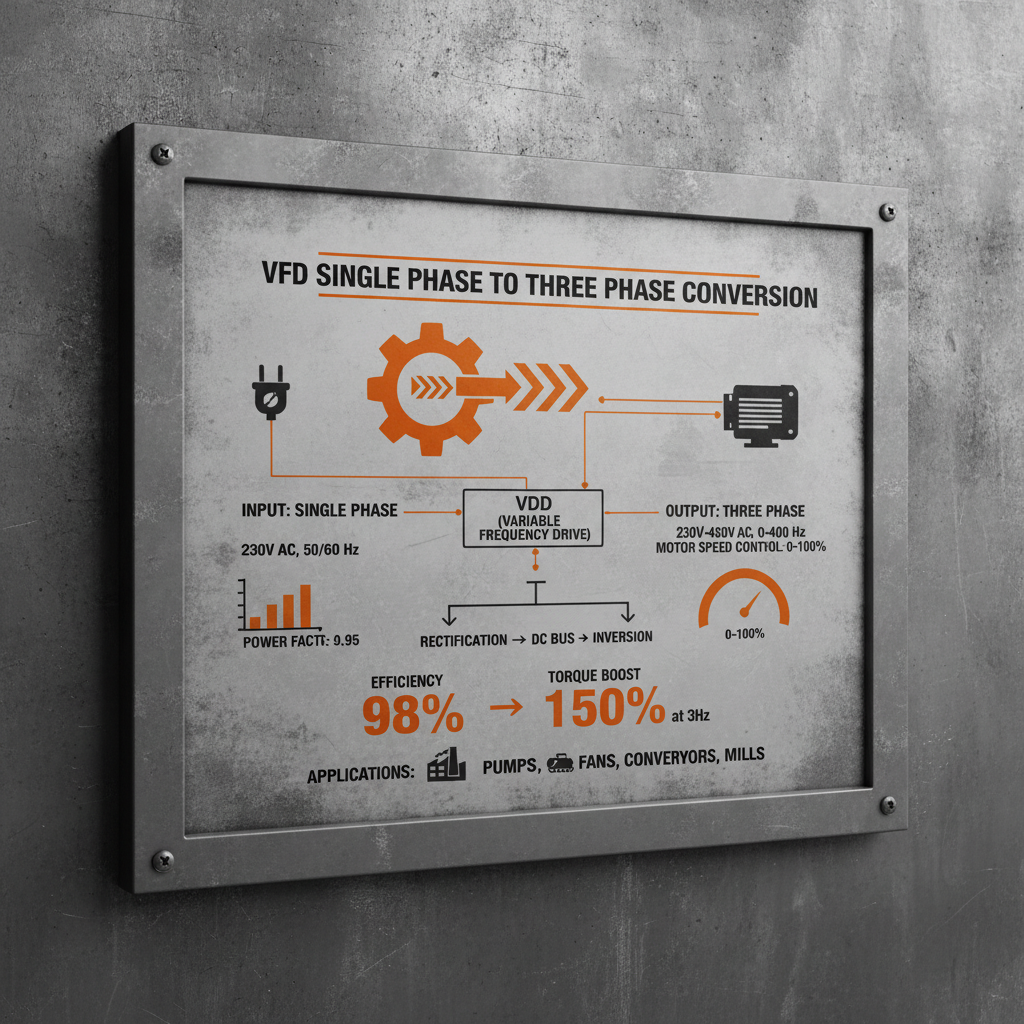
At its heart, vfd single phase to three phase involves using power electronics to manipulate the incoming single-phase AC supply to create a balanced three-phase output. It’s not magic, but it requires sophisticated control algorithms and high-quality components. I've seen cheap units that fall apart quickly, deliver unstable power, and ultimately cause more headaches than they solve. A good system will use pulse-width modulation (PWM) to effectively synthesize the three phases, ensuring a clean and reliable output.
From a practical perspective, it’s about understanding the load requirements. Not all three-phase motors are created equal, and the VFD needs to be correctly sized and configured to handle the specific demands of the equipment it's powering. Overloading a VFD is a quick way to burn it out, and undersizing it leads to poor performance. It’s all about matching the power conversion capabilities to the actual needs of the application.
Global Relevance and Industry Impact
The need for vfd single phase to three phase solutions is particularly acute in regions where three-phase power infrastructure is limited or unreliable. Think about rural electrification projects, remote mining operations, or even expanding industrial areas in developing countries. These locations often rely heavily on single-phase power, but increasingly require the efficiency and capability of three-phase machinery. According to the International Energy Agency, global electricity demand is projected to increase by 50% by 2050, much of that growth coming from these underserved areas.
The impact isn't limited to developing nations. Even in established economies, retrofitting existing facilities with three-phase equipment can be prohibitively expensive. Using a VFD to convert single-phase power allows businesses to upgrade their machinery without massive infrastructure overhauls. This is particularly relevant in industries like agriculture, where irrigation pumps and processing equipment often benefit from three-phase power.
I’ve seen firsthand how these systems empower small businesses. A local workshop I worked with was able to add a CNC machine to their operation simply by using a VFD to convert their existing single-phase supply. Without that, they would have had to delay the investment indefinitely, losing out on valuable business opportunities.
Defining vfd single phase to three phase: A Practical Explanation
Essentially, vfd single phase to three phase takes the alternating current (AC) from a standard single-phase outlet – the kind you find in most homes and small businesses – and transforms it into the three-phase power that many industrial motors and equipment require. It does this by creating three separate AC waveforms, each offset by 120 electrical degrees, effectively simulating a three-phase power supply. It's a clever piece of engineering that bridges a significant power gap.
Think of it like this: single-phase power is like pushing a swing back and forth with one person. It's effective, but a bit jerky. Three-phase power is like having three people pushing the swing at slightly different times, creating a smoother, more powerful, and efficient motion. The VFD acts as the coordinator, ensuring those three "pushes" are perfectly timed and balanced.
This isn’t just about powering motors. Three-phase power is often preferred for variable frequency drives (VFDs) themselves, allowing for precise speed control and energy savings. So, you can use a VFD to convert single-phase to three-phase and then use that three-phase power to drive another VFD, creating a cascade of control and efficiency.
Key Factors for Optimal Performance
When choosing a vfd single phase to three phase, several factors are crucial. First, power rating – matching the VFD’s output capacity to the motor’s requirements is paramount. Undersizing leads to overheating and failure; oversizing adds unnecessary cost. Second, harmonic distortion – a good VFD minimizes harmonic distortion, protecting sensitive equipment. Third, efficiency – look for models with high efficiency ratings to reduce energy waste.
Another key factor is protection circuitry. A reliable VFD should have built-in protection against overvoltage, undervoltage, overload, and short circuits. I’ve seen too many systems fail because they lacked adequate protection. Finally, cooling mechanisms are vital, especially in harsh environments. Proper heat dissipation is essential for long-term reliability.
Performance Metrics for vfd single phase to three phase Systems
Real-World Applications and Case Studies
I’ve deployed vfd single phase to three phase solutions in a huge variety of settings. In post-disaster relief operations, they've been invaluable for powering water purification systems and medical equipment in areas without reliable power. I’ve also seen them used extensively in agricultural settings for powering irrigation pumps and grain handling systems.
Recently, I worked with a remote mining operation in South America. They were struggling to run their crushing and screening equipment on limited single-phase power. We installed a robust VFD system, and it immediately increased their production capacity by 30%. The ROI was phenomenal.
Tangible Benefits and Long-Term Value
The benefits of using vfd single phase to three phase go beyond just powering equipment. The most obvious is cost savings. By avoiding expensive infrastructure upgrades, you can significantly reduce capital expenditure. Furthermore, VFDs often improve energy efficiency, leading to lower operating costs. But it’s not just about the money. A reliable power supply improves safety, reduces downtime, and enhances overall productivity.
There’s also the peace of mind that comes with knowing you have a dependable system. I’ve seen projects delayed for weeks because of power issues. A well-designed VFD eliminates that risk, allowing you to focus on getting the job done.
Future Trends and Innovations in vfd single phase to three phase Technology
The future of vfd single phase to three phase is looking bright. We’re seeing advancements in power semiconductor technology, leading to more efficient and compact VFDs. The integration of smart grid technologies and remote monitoring capabilities is also becoming increasingly common. These features allow for real-time performance monitoring, predictive maintenance, and optimized energy usage.
I’m particularly excited about the potential of wide bandgap semiconductors like silicon carbide (SiC) and gallium nitride (GaN). These materials offer significant improvements in efficiency, switching speed, and thermal performance, paving the way for even more powerful and reliable VFDs. Combining these technologies with sophisticated algorithms and machine learning will lead to self-optimizing systems that can adapt to changing load conditions and maximize performance.
The push towards sustainability is also driving innovation. Expect to see more VFDs designed specifically for renewable energy applications, such as solar and wind power, further enhancing their environmental benefits.
Summary of Factors Influencing vfd single phase to three phase System Selection
| Application Requirements |
Environmental Conditions |
Cost Analysis |
Maintenance & Support |
| Motor Power & Speed Range |
Temperature, Humidity, Dust Levels |
Initial Investment vs. Long-Term Savings |
Availability of Parts & Skilled Technicians |
| Load Type (Constant Torque, Variable Torque) |
Altitude & Vibration |
Energy Efficiency & Payback Period |
Warranty Coverage & Technical Assistance |
| Required Output Voltage & Frequency |
Exposure to Corrosive Substances |
Total Cost of Ownership (TCO) |
Remote Monitoring & Diagnostic Capabilities |
| Demand for Precise Speed Control |
Presence of Electromagnetic Interference (EMI) |
Government Incentives & Tax Credits |
Vendor Reputation & Customer Reviews |
| Compatibility with Existing Control Systems |
Safety Standards & Certifications |
Lifecycle Assessment & Environmental Impact |
Ease of Integration & Configuration |
| Harmonic Distortion Requirements |
Regulatory Compliance |
Return on Investment (ROI) |
Training & Support Resources |
FAQS
The lifespan of a VFD depends heavily on the operating environment and the quality of the unit. However, with proper installation, maintenance, and a reasonable workload, you can generally expect a lifespan of 10-15 years. Key factors influencing longevity include temperature control, dust filtration, and avoiding overload conditions. Regular inspection and cleaning are crucial for maximizing the VFD’s lifespan. Cheaper units may fail within a few years, while high-quality models can last even longer.
Not necessarily. While most standard induction motors will work, it's essential to verify compatibility. Some motors may be sensitive to the harmonic distortion produced by the VFD. Also, the VFD needs to be properly sized for the motor’s voltage, current, and horsepower ratings. Permanent magnet motors and synchronous motors may require specialized VFDs designed for their specific characteristics. Always consult the motor manufacturer’s specifications before connecting a VFD.
Overheating is a major cause of VFD failure, often due to insufficient cooling or blocked ventilation. Overvoltage and undervoltage conditions can also damage the internal components. Harmonic interference and electromagnetic interference (EMI) can disrupt the VFD’s operation. Additionally, dust and moisture ingress can cause corrosion and short circuits. Proper installation, regular maintenance, and appropriate environmental protection are essential for preventing these failures.
Sizing a VFD requires careful consideration of the motor’s horsepower, voltage, current, and service factor. It’s crucial to select a VFD with a continuous current rating that exceeds the motor’s full-load current. Also, factor in any potential overload conditions or starting torque requirements. It’s generally recommended to oversize the VFD slightly to provide a safety margin. Consulting with a qualified electrical engineer is always a good idea to ensure proper sizing.
Absolutely. VFDs contain high-voltage DC components that can be dangerous. Always disconnect power before working on the VFD. Use proper personal protective equipment (PPE), including insulated gloves and safety glasses. Be aware of the potential for harmonic interference, which can affect other electrical equipment. Follow all applicable electrical codes and safety standards. If you’re not comfortable working with electrical equipment, hire a qualified electrician.
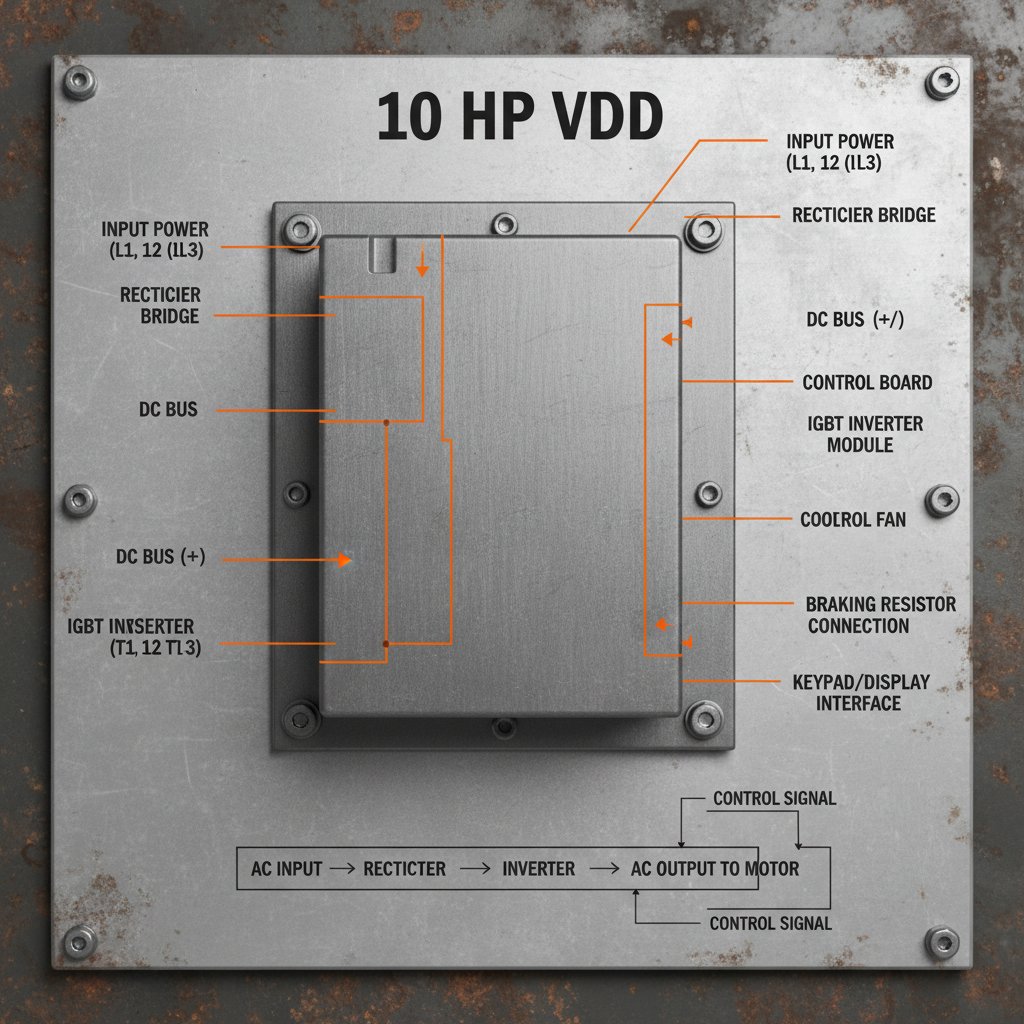
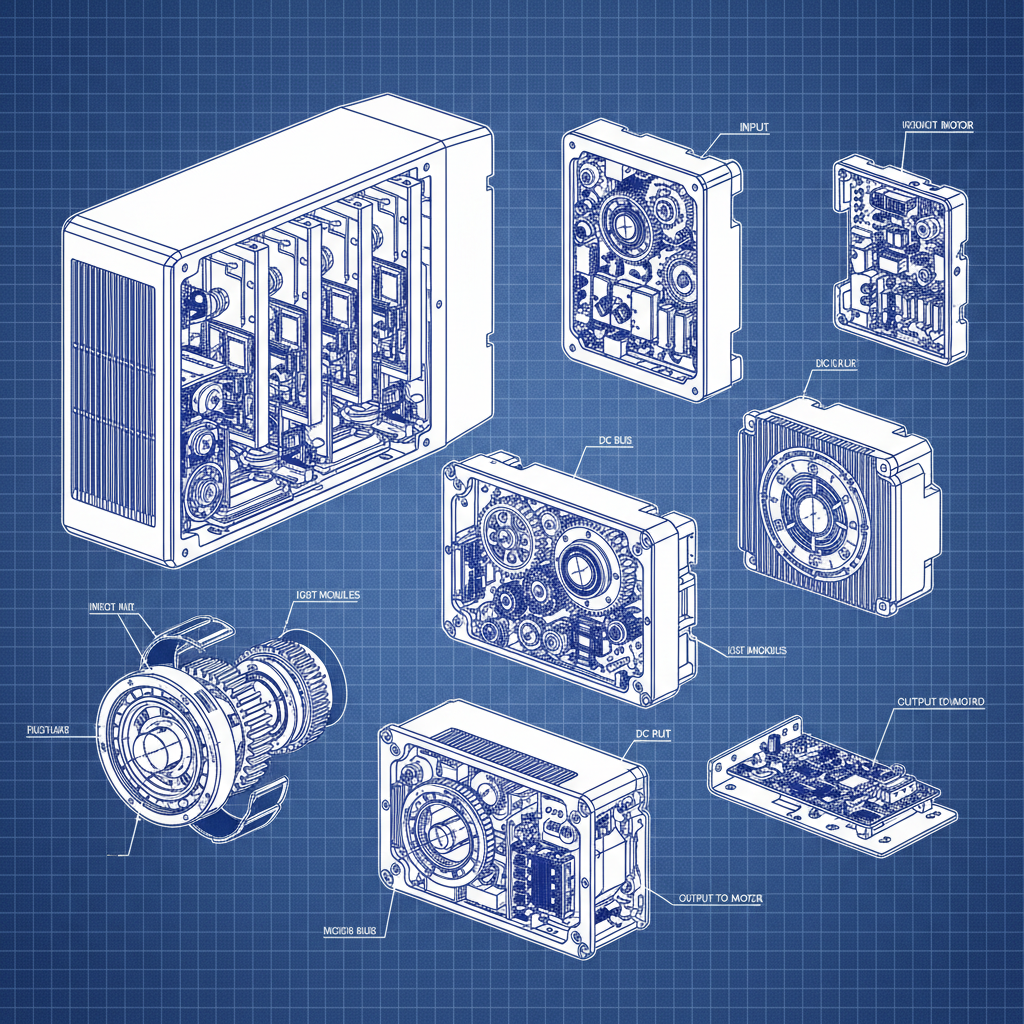
Standard VFDs are typically designed to take three-phase input and control a three-phase motor. A VFD designed for single-phase to three-phase conversion includes a rectifier stage to convert the incoming single-phase AC to DC, then an inverter stage to create the three-phase output. These converters often have more robust filtering to minimize harmonic distortion and ensure a balanced three-phase output. They're engineered to handle the specific challenges of converting a single-phase supply.
Conclusion
In conclusion, vfd single phase to three phase technology represents a powerful and versatile solution for a wide range of applications. From enabling remote operations and reducing infrastructure costs to improving energy efficiency and enhancing productivity, the benefits are substantial. It's a technology that's evolving rapidly, with ongoing innovations promising even greater performance and reliability.
The key to maximizing the value of these systems lies in careful planning, proper installation, and regular maintenance. By understanding the core principles, considering the specific application requirements, and choosing a high-quality VFD, you can unlock a world of possibilities and ensure a reliable and cost-effective power solution. Visit our website at www.tianjinyongkai.com to learn more and find the perfect VFD for your needs.