Comprehensive Guide to VFD Design: Enhancing Industrial Efficiency and Sustainability
Understanding VFD Design: The Backbone of Modern Industrial Efficiency
Variable Frequency Drive (VFD) design might not be the buzzword everyone throws around at cocktail parties, but frankly, it’s one of the unsung heroes behind much of today’s industrial innovation. In a nutshell, VFD design controls motor speed and torque, boosting energy efficiency and operational flexibility in countless applications worldwide—from manufacturing plants to HVAC systems. Given the pressing global energy challenges and the ongoing push toward sustainability, mastering vfd design has become crucial for engineers and businesses alike.
Why VFD Design Matters Globally
Globally, industrial motors consume roughly 45% of all electricity in manufacturing sectors (according to the International Energy Agency). VFDs enable these motors to run only as fast as needed, slashing energy waste dramatically. The United Nations advocates for energy efficiency in line with Sustainable Development Goal 7, and VFDs are at the heart of that movement. But it’s not just about electricity bills—vfd design tackles problems like process control precision, equipment longevity, and environmental footprint. Without smart drives, many modern processes would be inefficient, costly, and more polluting.
What Is VFD Design?
Simplifying things, VFD design refers to creating variable frequency drives—devices that modulate the frequency of electrical power supplied to motors. Changing the frequency directly adjusts a motor’s speed and torque output.
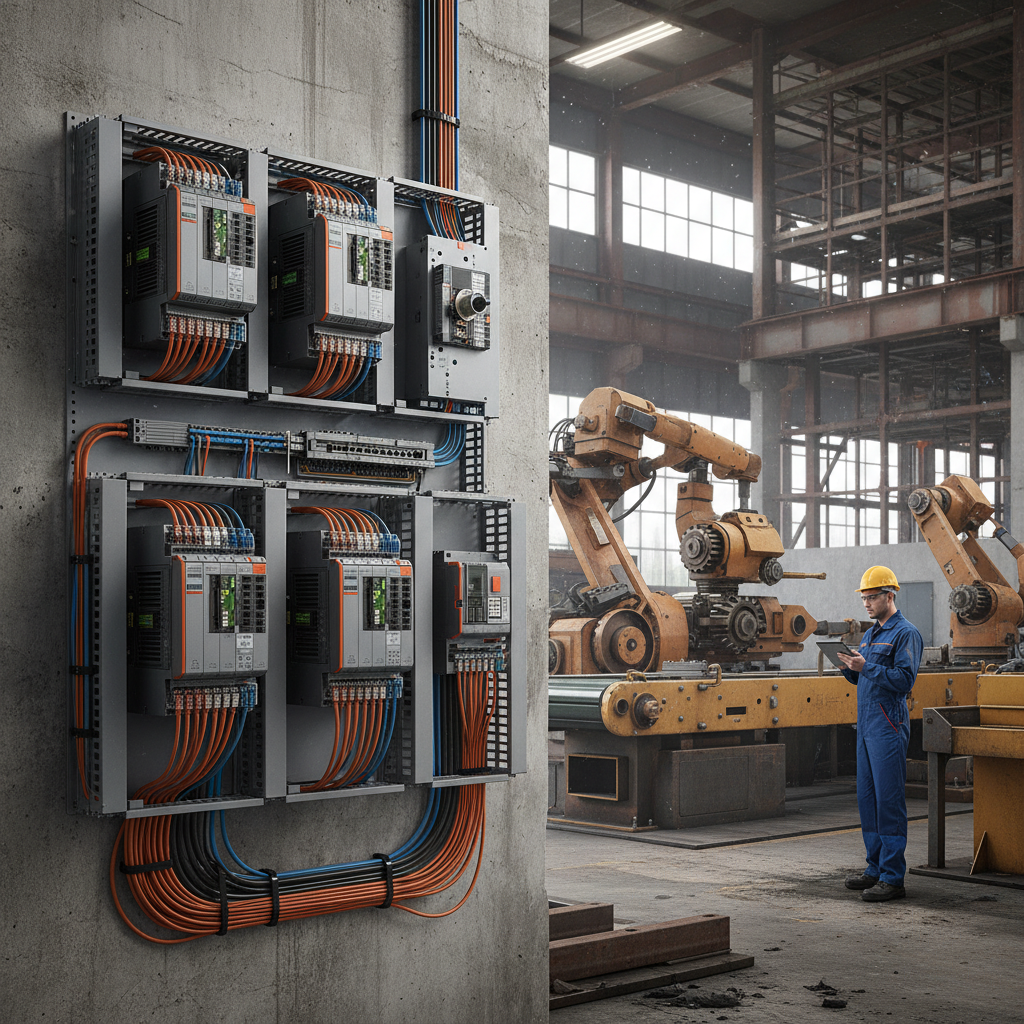
It’s a clever blend of power electronics, control software, and hardware engineering. VFDs connect seamlessly to electric motors, enabling industries—from water treatment plants to textile factories—to manage processes smoothly, reduce wear, and save power. Oddly enough, these devices are also increasingly important in humanitarian and infrastructure projects where power stability and efficiency are paramount.
Core Components & Key Factors in VFD Design
1. Power Electronics
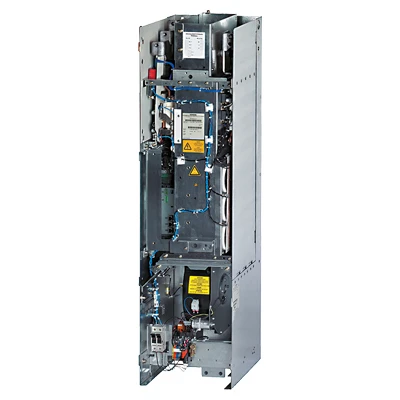
The heart of any VFD is its power conversion section. This includes rectifiers, DC links, and inverters. The quality of these components influences efficiency, size, and heat output. Modern designs often use IGBTs or MOSFETs for fast switching.
2. Control Algorithms
Good VFDs rely on precise control software—vector control, PID loops, or sensorless techniques—that fine-tune motor performance under varying load conditions. This is where flexibility and responsiveness come in.
3. Thermal Management
VFDs generate heat. Smart design ensures adequate cooling—whether air, liquid, or advanced heat sinks—to increase lifespan and reliability.
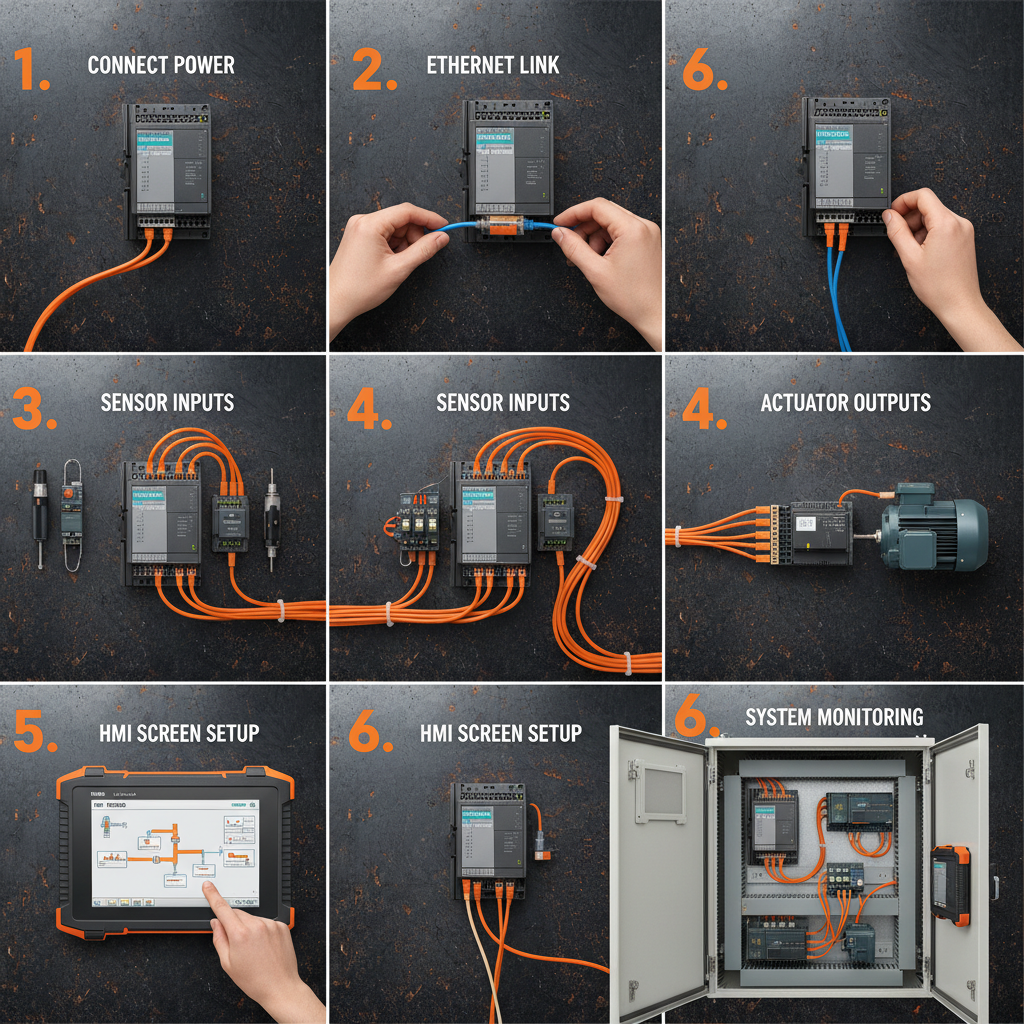
4. User Interface & Connectivity
Modern VFDs often provide easy-to-use interfaces and connect to industrial networks for monitoring or predictive maintenance.
5. Durability & Compliance
In harsh environments, a VFD’s design must withstand dust, moisture, or vibrations, and comply with standards like IEC, UL, or ISO.
Typical Product Specifications in VFD Design
| Specification | Typical Value | Notes |
|---|---|---|
| Input Voltage | 200–600 V AC | Varies by application |
| Output Frequency Range | 0–400 Hz | Supports oversized motors |
| Maximum Output Current | Up to 300 A | Depends on cooling |
| Communication Protocols | Modbus, Ethernet/IP, Profinet | Integration with automation |
| Operating Temperature | -10°C to +50°C | Standard industrial rating |
Global Applications & Use Cases of VFD Design
VFD technology is truly global—and versatile. In Europe and North America, it’s often found in HVAC systems, helping reduce building energy footprints. Industries like mining and oil extraction in Australia and South America depend on VFDs to regulate powerful pumps and conveyors.
Post-disaster relief operations leverage mobile power units with VFDs for efficient water pumping without straining local grids. Similarly, in remote industrial zones such as parts of Southeast Asia and Africa, VFDs support renewable energy microgrids—balancing loads when power sources fluctuate.
The growing push for electrification in emerging markets is making VFD design a cornerstone for upgrading factory automation and infrastructure resilience.
Vendor Comparison: Leading VFD Manufacturers
| Manufacturer | Power Range | Control Features | Connectivity | Typical Price Range |
|---|---|---|---|---|
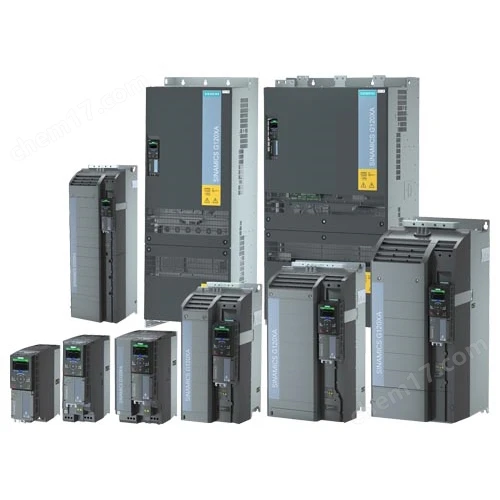
| Siemens | 0.5 kW–4 MW | Advanced vector control, 6-pulse | Profinet, Modbus, Ethernet/IP | High |
| Schneider Electric | 0.75 kW–2 MW | Sensorless Vector, V/f Control | Modbus, Ethernet/IP | Medium |
| Yaskawa | 0.1 kW–3 MW | Sensorless Vector, Torque Control | Modbus, Ethernet/IP, MECHATROLINK | Medium to High |
| Tianjin Yongkai | 0.75 kW–1000 kW | Vector control, PID, Multi-protection | Modbus, CANopen, Customized | Competitive |
Advantages & Long-Term Value of VFD Design
- Energy Savings: Drives can reduce motor power consumption by 20-50%, lowering costs sustainably.
- Equipment Longevity: Soft starting & controlled speed prevent mechanical stress.
- System Flexibility: Adapt to changing processes or integrate with IoT for smart maintenance.
- Environmental Impact: Less energy waste means reduced carbon footprint—a win for climate goals.
- Reliability & Safety: Overload protection and fault diagnostics protect operators and equipment.
It's one thing to talk numbers, but when you consider the trust engineers place in VFDs during mission-critical operations, the stakes are real—and the rewards meaningful.
Future Trends & Innovations
Looking ahead, I’m excited about advances like wide-bandgap semiconductors—SiC and GaN—that promise higher efficiency and smaller sizes. Green energy integration is another hot topic; VFDs will be key in smoothing out the variable nature of solar and wind power.
Digital transformation means smart VFDs with embedded AI for predictive maintenance and performance optimization are becoming mainstream faster than many expected. Plus, robotics and Industry 4.0 standards push customization on control algorithms and communication protocols.
Challenges & Solutions in VFD Design
Of course, it's not all roses. VFD-equipped systems can generate harmonic distortion impacting power quality, a conundrum for sensitive environments. Many engineers mitigate this with filters or advanced modulation techniques. Heat dissipation remains a practical challenge, especially in confined spaces, but innovations in cooling tech help.
Cost and complexity sometimes deter small users, which is why scalable, modular VFD kits are gaining traction to serve diverse needs without breaking the bank.
FAQ: Frequently Asked Questions About VFD Design
- What advantages does VFD design offer over traditional motor starters?
- VFDs allow precise motor speed control and reduce inrush current during start-up, which protects mechanical components and saves energy, unlike simple on/off starters.
- How long can VFDs operate in harsh industrial environments?
- With appropriate enclosure (IP ratings) and cooling, VFDs can reliably run for 10+ years, though periodic maintenance is essential for longevity.
- Are VFDs suitable for use with renewable energy systems?
- Absolutely. VFDs help manage fluctuating power input by adapting motor speeds, making them ideal for solar-powered water pumps or wind-powered industrial devices.
- Can VFD solutions be customized for export and integration overseas?
- Yes, many vendors offer tailored communication protocols, voltage ratings, and certifications to comply with international standards and simplify global deployment.
Conclusion & Next Steps
VFD design isn’t just about tweaking motor speeds; it’s a foundational technology shaping how industries tackle efficiency, sustainability, and control worldwide. As global energy demands mount and environmental pressures intensify, VFDs will remain a smart, versatile solution.
If you’re keen to explore cutting-edge variable frequency drives, or need customized solutions, visit our website — you might find exactly what your project requires.
Mini takeaway: VFD design is a smart, adaptable key to saving energy and boosting industrial process control worldwide.