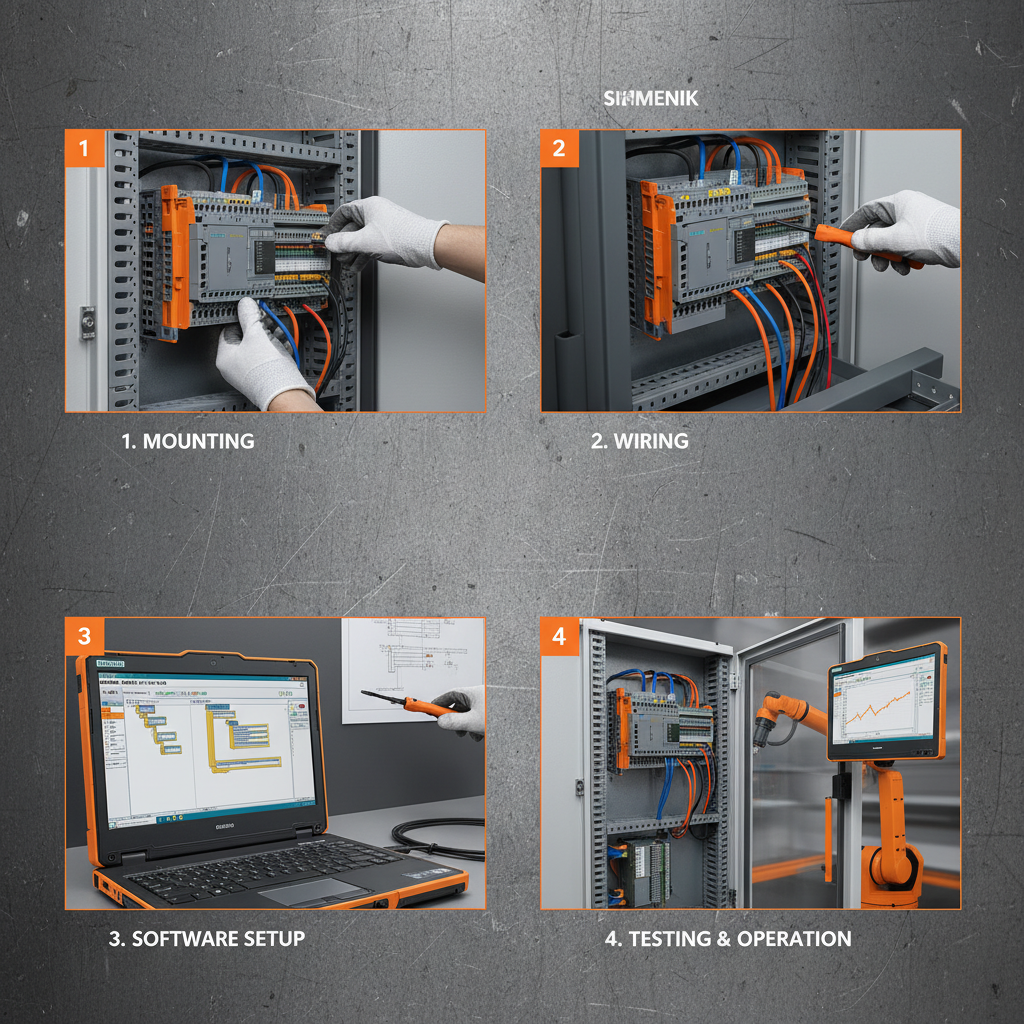
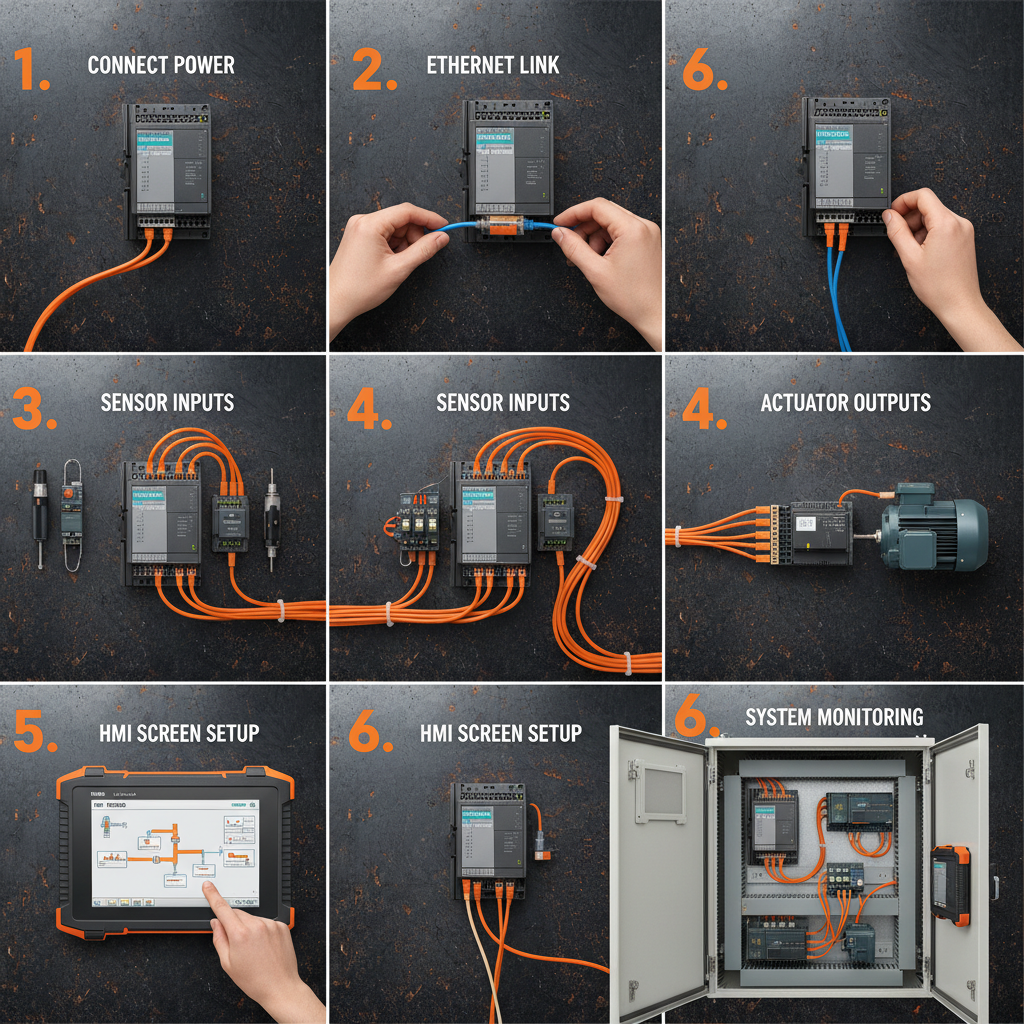
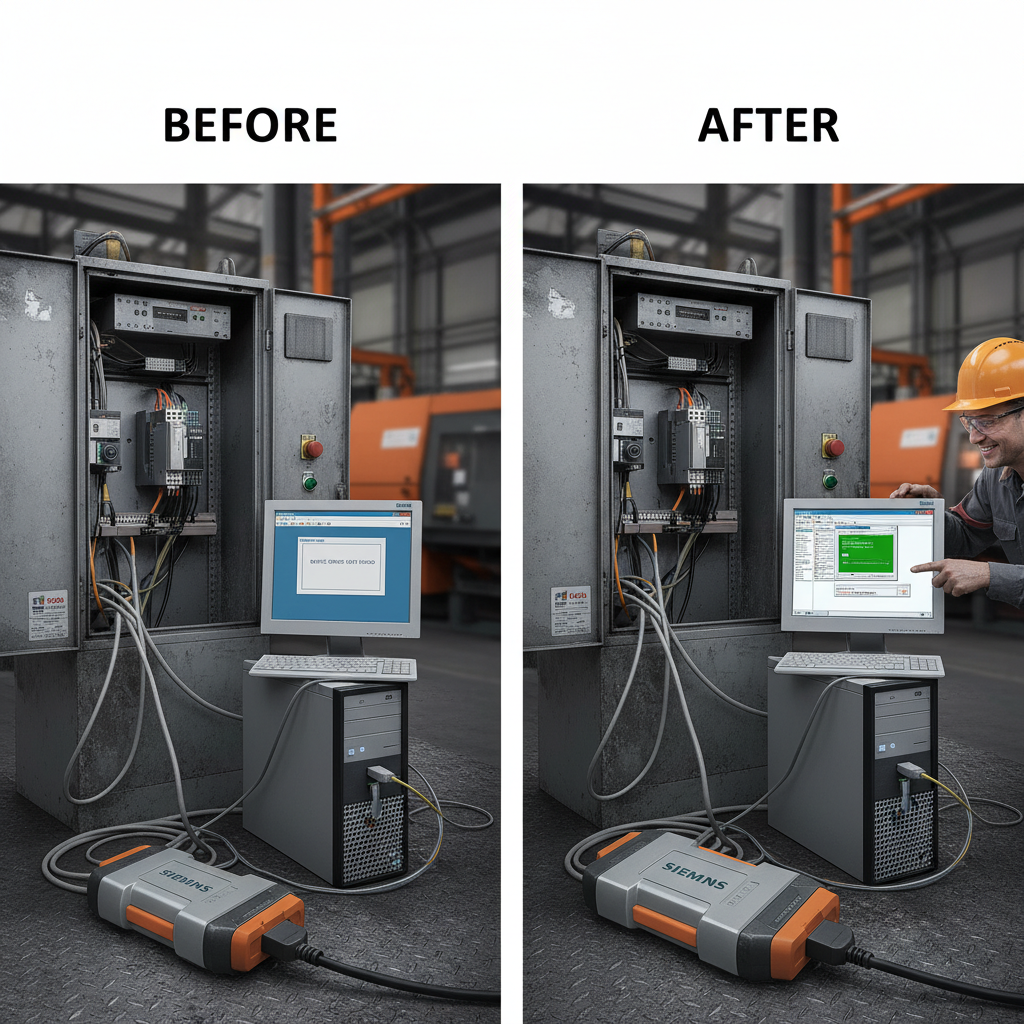
Comprehensive Guide to VFD Units for Industrial Efficiency and Sustainability
Understanding the Role of VFD Units in Today’s Industrial Landscape
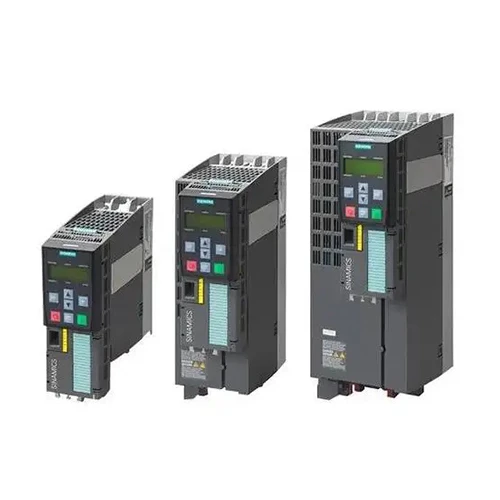
Variable Frequency Drive units, or simply vfd units, have quietly become the unsung heroes of industrial efficiency around the globe. Far beyond just technical jargon, these devices play a key role in optimizing energy consumption, controlling motor speeds, and enabling smarter automation. With the rising energy demands worldwide and increasing calls for sustainability from organizations like the UN and ISO, understanding vfd unit technology is, frankly, more relevant than ever. So why exactly does the vfd unit matter so much, and what makes it a cornerstone of modern industry? Let’s dive in.
Global Relevance: Energy Efficiency Meets Industry Needs
As industrialization spreads — roughly 60% of global electricity consumption is tied to motor-driven systems according to the International Energy Agency (IEA) — vfd units offer a pragmatic solution to trim power wastage. The World Bank notes that in developing regions, inefficient motor use often means prohibitively high costs and environmental strain. That's where vfd units step in, reducing instantaneous power surges and enabling variable-speed control to match exact operational needs rather than constant full-power running.
The challenge? Many industrial setups worldwide still rely on outdated systems causing energy losses that ripple through supply chains and consumer costs. A modern vfd unit can solve precisely that by bringing automation, precision, and efficiency together.
What Exactly Is a VFD Unit?
At its core, a vfd unit is an electronic device that controls the rotational speed and torque of an AC motor by varying the frequency and voltage of the electricity powering it. If that sounds technical, think of it as the dimmer switch on a lamp — instead of switching the motor abruptly on or off, it lets you "dim" the motor power to exactly what’s needed.
These units aren’t just industry toys; they tie into humanitarian and environmental efforts by enabling energy savings in everything from water pumping in drought-prone zones to manufacturing plants pushing for greener credentials.
Core Components Driving VFD Unit Capabilities
1. Durability & Build Quality
VFD units often work in harsh environments — think dusty factories or outdoor installations. Rugged casing and high-grade components ensure they remain reliable without frequent downtime.
2. Scalability & Flexibility
Whether it’s a tiny compressor or a massive conveyor belt system, today's vfd units come in sizes and specifications that flexibly match the application.
3. Energy Efficiency
By matching motor speed to actual load demands, vfd units can cut power consumption by up to 50% in some applications — a significant saving over traditional fixed-speed drives.
4. User Interface & Control Features
Modern units boast intuitive touchscreens, programmable logic controllers, and connectivity for remote monitoring — making integration into Industry 4.0 setups smoother.
5. Safety & Compliance
Compliance with global standards (e.g., IEC, UL) and built-in protection features like overload protection ensure workers and equipment remain safe.
How VFD Units Are Revolutionizing Industries Worldwide
From the sprawling textile mills of South Asia to automated automotive lines in Europe, vfd units have found a role everywhere. Notably:
- Water Management: VFD units regulate pump speeds dynamically to conserve water – a game-changer in arid regions where every drop matters.
- Manufacturing: Variable speed control cuts mechanical stress and extends machine lifespan, significantly reducing maintenance costs.
- Mining & Resources: In remote mining operations, VFD units optimize energy use under fluctuating loads, conserving diesel or grid power.
- HVAC Systems: Building climate control benefits from smooth speed adjustments in fans and compressors, improving comfort and cutting emissions.
Even disaster relief scenarios have indirectly benefited. Imagine portable water pumps deployed after floods — vfd units help ensure those pumps operate efficiently almost straight out of the box.
Mini takeaway: VFD technology isn’t just industrial gadgetry; it’s quietly transforming sustainability efforts across the board by ensuring machines don’t overconsume energy.
Specifications to Consider When Choosing a VFD Unit
| Specification | Typical Range | Importance |
|---|---|---|
| Input Voltage | 200V - 690V AC | Must match plant grid supply |
| Output Power Rating | 0.5 kW – 500 kW | Depends on motor size and task |
| Control Type | V/F, sensorless vector, closed loop | Affects precision & response |
| Cooling Method | Air-cooled or liquid-cooled | Important for harsh environments |
| Protection Ratings | IP20 to IP65 | Ensures dust/water resistance |
Comparing Leading Vendors of VFD Units
| Vendor | Special Features | Typical Applications | Price Range |
|---|---|---|---|
| Siemens | Highly customizable, Industry 4.0 ready | Large manufacturing, mining | $$$ |
| ABB | Energy-saving algorithms, rugged design | Water treatment, oil & gas | $$$ |
| Yaskawa | Compact size, user-friendly interface | HVAC, light manufacturing | $$ |
| Tianjin Yongkai | Customized drive solutions, excellent customer support | Wide industrial sectors, emerging markets | $-$$ |
The Advantages and Lasting Impact of VFD Units
Honestly, many engineers I spoke with praise vfd units as cost savers not only on electricity bills but also on holistic equipment maintenance. Less wear from gradual speed changes translates to longer machine life and fewer sudden breakdowns — which means less downtime and fewer emergency repairs.
On a broader, social level, embracing vfd technology means businesses align better with global climate goals. Cleaner factories emit less carbon, making communities safer and healthier — a kind of tech with heart, if you will.
Looking Ahead: Future Trends in VFD Technology
We’re on the cusp of some cool innovations: imagine vfd units integrated with AI to predict load changes instantly, or made from even lighter, eco-friendlier materials. With digital transformation accelerating across industries, vfd units are becoming smarter and more connected every year.
What’s also exciting is the push for green energy integration — vfd units helping manage solar or wind-powered motors will become standard, paving the way for hybrid industrial energy systems.
Addressing Challenges in VFD Implementation
While vfd units seem almost magical, they're not without hurdles. Installation complexity, initial cost, and electrical noise interference are common concerns. But with ongoing R&D and better educational resources, these issues are steadily diminishing.
One practical tip I've noticed: partnering with vendors like tianjinyongkai.com who offer tailored solutions and strong support helps overcome many teething problems during deployment.
FAQ: Your Top Questions About VFD Units
- Q: How does a VFD unit improve motor efficiency?
- A: By varying the motor speed to the exact needs of the process, vfd units reduce wasted energy present in fixed-speed motors running at full capacity unnecessarily.
- Q: Are vfd units compatible with all types of motors?
- A: Most vfd units are designed for AC induction motors, but advances now allow compatibility with synchronous and permanent magnet motors in many cases.
- Q: What maintenance does a vfd unit require?
- A: Regular cleaning, firmware updates, and checking cooling components are vital. Compared to conventional drives, maintenance is often simpler and less frequent.
- Q: Can vfd units help reduce carbon footprint?
- A: Absolutely. By cutting energy waste and enabling smoother operations, they directly lower greenhouse gas emissions associated with industrial power use.
Conclusion: Why Your Industry Should Invest in VFD Units Today
Wrapping things up — the vfd unit isn’t just a fancy technical gadget, it’s a strategic investment. From cost savings to environmental stewardship, its benefits ripple far beyond your factory floor. If you want to discover high-quality vfd units tailored to your needs, explore trusted vendors and see how this tech can power your future greener and smarter.
Quick Reflection
It’s fascinating how something seemingly small—an electronic drive—can influence global sustainability efforts and industrial innovation so profoundly. Of course, it’s one piece of a larger puzzle, but an important one. Often, the path to big change begins with better control—of energy, of processes, and eventually, of our shared future.