Explore the Benefits and Applications of 120v Frequency Drives | Tianjin Yongkai
Understanding the 120v Frequency Drive: Why It Matters Globally
In an age where energy efficiency, precision control, and sustainable industry practices are more crucial than ever, the humble 120v frequency drive quietly plays a pivotal role. It’s easy to overlook this small but powerful device — it controls the speed and torque of electric motors by varying the motor input frequency and voltage. This naturally leads to better energy savings, lower wear-and-tear on equipment, and enhanced process control. From manufacturing plants in Europe to water treatment systems in sub-Saharan Africa, its impact crosses borders and industries.
Globally, the shift towards variable frequency drives speaks to a larger goal: reducing carbon footprints while boosting machine performance. The International Energy Agency reports that industrial motors consume roughly 45% of worldwide electricity (1). Employing frequency drives that operate at standard 120v helps industries optimize energy usage especially in regions reliant on residential or light commercial power systems. So understanding the nuances of the 120v frequency drive transcends technical tidbits — it’s about efficiency, sustainability, and smart investment.
Setting the Scene: The Global Importance of 120v Frequency Drives
To put it simply, 120v frequency drives are vital in areas where the standard electrical supply is 120 volts AC — think North America primarily, but also many remote or developing zones powered by generators or solar microgrids. According to the ISO and UN statistics, industrial small-scale electrification projects focusing on improving productivity must adapt to local electrical grids (ISO, 2). The frequency drive acts as a bridge between rugged, old-school motors and today’s requirements for smarter, adaptive mechanisms.
Yet, despite their promise, many industries struggle with legacy equipment that wastes power. The challenge lies in retrofitting or upgrading with compatible drives that run on the 120v system without exorbitant costs or downtime. And frankly, the technology can appear complicated to some engineers, who might lean toward higher voltage systems by default. This is where clarity about 120v frequency drives really helps those decision-makers recognize the potential for both cost savings and reduced environmental impact.
What Is a 120v Frequency Drive?
Simply put, a 120v frequency drive — often called a Variable Frequency Drive (VFD) designed for a 120-volt power supply — adjusts the speed of an electric motor by changing the frequency of the electrical power supplied. Traditional motors run at a fixed speed based on the AC power frequency (usually 60 Hz in the U.S./Canada). But a 120v frequency drive tweaks this frequency, allowing motors to run slower or faster as needed.
This ability to "vary" the motor speed leads to smoother startup and stopping, less mechanical stress, and energy savings because motors aren’t running at full speed all the time.
In industrial terms, this means better process control with less energy wasted. For humanitarian or remote applications, the integration of 120v frequency drives means simpler, safer setups that can run efficiently on local power standards — a key for reliability where infrastructure might be unstable.
Core Components of a 120v Frequency Drive
1. Durability for Demanding Sites
Many engineers I’ve talked to stress that drives operating on a residential 120v line must withstand voltage fluctuations and sometimes dusty or humid environments. High-quality enclosures, thermal management, and surge protection help these drives last years even in rough field conditions.
2. Scalability and Compatibility
Because 120v systems are common in smaller setups or older factories, drives designed for these voltages often come in modular designs. This means you can upgrade easily without overhaul — a real plus if you want to expand production lines or automate incrementally.
3. Cost Efficiency and Return on Investment
It’s no secret: upfront costs matter. Drives at 120v tend to be less expensive than high-voltage alternatives, making them attractive especially to small businesses or organizations in developing countries. Over time, lower energy bills and less maintenance usually cover the initial purchase.
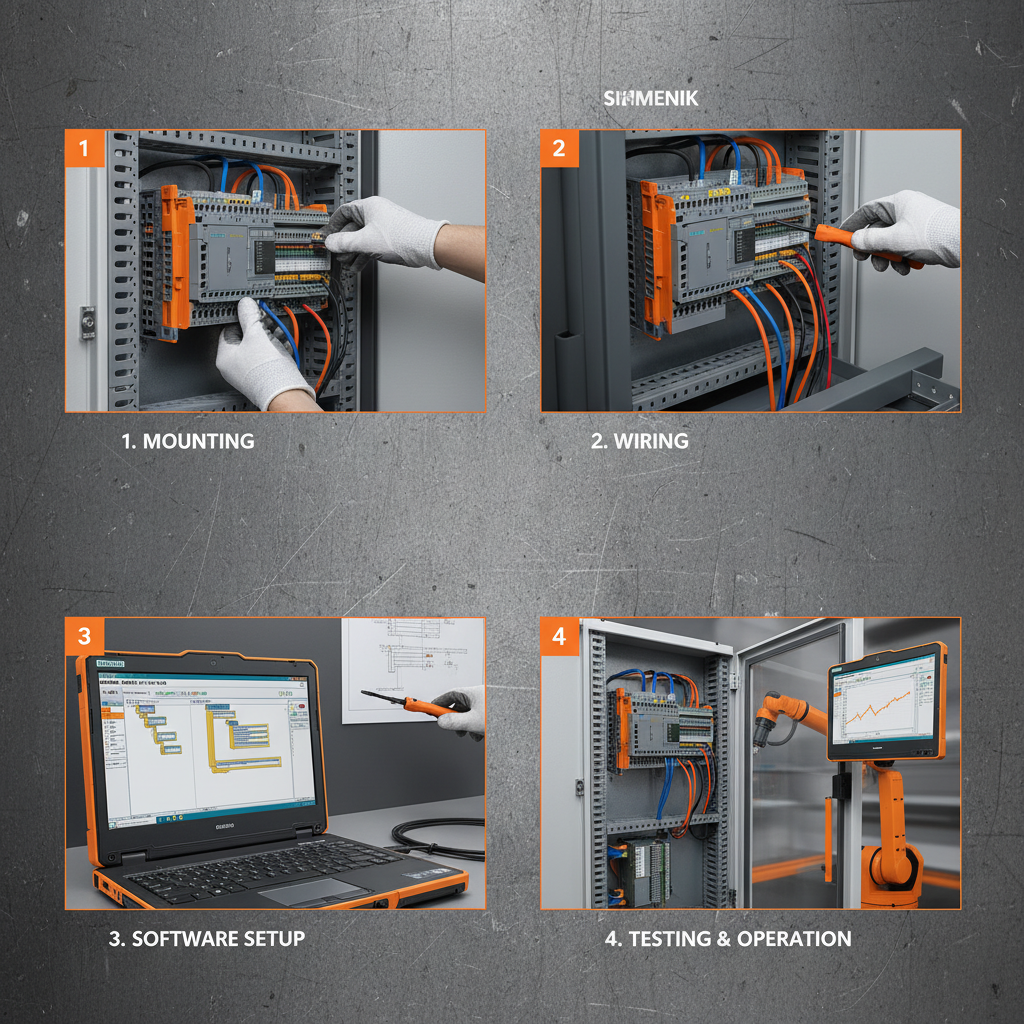
4. Ease of Installation and Monitoring
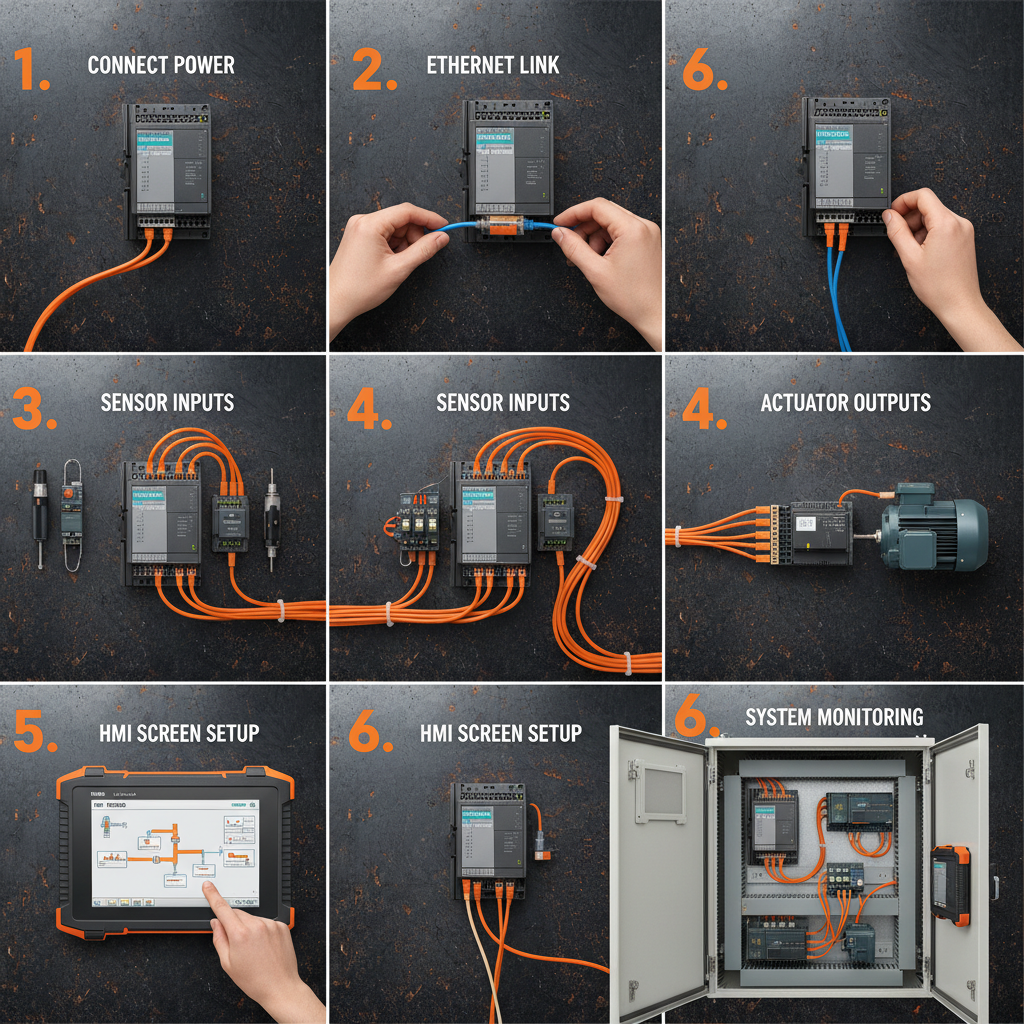
Many modern 120v frequency drives include digital displays and connectivity options (like Wi-Fi or Bluetooth), so operators get feedback and can tune performance right from their tablets or phones. This reduces setup time and keeps troubleshooting simpler.
5. Integration with Renewable Energy Systems
Here’s the kicker — these drives are increasingly compatible with solar or wind microgrids that output at 120v AC, helping integrate green energy in places that might otherwise rely on diesel generators.
Mini Takeaway:
A 120v frequency drive isn’t just a device — it’s a gateway to smarter control, energy efficiency, and adaptability in numerous real-world environments.
Real-World Applications of 120v Frequency Drives
Across industries, the use cases stretch far beyond what you might expect. Here are just a few notable settings:
- Home and Commercial HVAC Systems: Many units run on 120v lines and benefit hugely from frequency drives by reducing energy use during off-peak operations.
- Water Treatment Plants: Pumps controlled with 120v frequency drives adjust flow rates precisely, conserving power while maintaining clean water delivery.
- Remote Mining and Small-Scale Manufacturing: In parts of Africa and Southeast Asia, 120v drives help operate equipment without needing costly high-voltage infrastructure.
- Disaster Relief and Mobile Medical Units: Portable power systems that rely on 120v inputs often depend on frequency drives to maintain safe and steady motor operation in unpredictable environments.
Specifications for a Typical 120v Frequency Drive
| Specification | Details |
|---|---|
| Input Voltage | 120 VAC ±10% |
| Frequency Range | 0.1 Hz to 400 Hz |
| Output Voltage | 0 to 120 VAC (adjustable) |
| Overload Capacity | 150% for 60 seconds |
| Communications | RS485, Modbus, Bluetooth (optional) |
| Operating Temperature | -10°C to 50°C (14°F to 122°F) |
| Dimensions | 150mm x 120mm x 80mm |
Comparing Vendors and Their 120v Frequency Drive Offerings
| Vendor | Power Rating | Key Features | Price Range (USD) | Warranty |
|---|---|---|---|---|
| DrivePower Inc. | 0.5 - 5 HP | Wi-Fi enabled, Overload protection, Compact size | $250 - $600 | 3 years |
| GreenVolt Solutions | 0.75 - 7.5 HP | Solar compatibility, Bluetooth control, Energy-saving mode | $350 - $900 | 5 years |
| MotorEase | 0.25 - 3 HP | Easy installation, LCD interface, Surge protection | $200 - $450 | 2 years |
Why Choose a 120v Frequency Drive? Long-Term Benefits
Let me tell you, when we talk about advantages, it’s not just about numbers — though those count a lot. First, there’s the obvious cost savings through reduced energy consumption. In real terms, a variable frequency drive avoids spinning motors at full speed unnecessarily, knocking down electricity bills by as much as 30-50% in many applications. Then, there’s the sustainability angle: less energy use means lower emissions, which matters in the global fight against climate change (3).
On a social level, these drives translate into safer, more reliable machines. Fewer mechanical failures mean workplace accidents drop and downtime shrinks. Trust builds when workers and managers see their equipment respond more smoothly. And innovation? Frankly, integrating frequency drives makes scaling automation easier down the line — so companies aren’t stuck in yesterday’s engineering.
Emerging Innovations and Future Trends
Oddly enough, the 120v frequency drive sector is buzzing with new developments—some pushing green energy integration, others focusing on digital shifts. Expect to see drives that harvest power directly from solar arrays with smarter in-built battery management, or those connected to IoT networks, providing real-time analytics for predictive maintenance.
Add to that growing regulatory pressures encouraging energy efficiency standards worldwide, and you get a market ripe for growth and innovation. Even compact 120v drives are trending towards higher efficiency classes, quieter operation, and better EMI filtering.
Challenges in Today’s 120v Frequency Drive Deployment and How to Overcome Them
It’s not all smooth sailing. Common hurdles include the reluctance of companies to invest in retrofit due to downtime fears. Some drives produce electrical noise or cause voltage dips if not installed correctly. There’s also the challenge of training operators who might see these as “black boxes.”
The best way around these snags? Solid technical support from vendors, proper site assessments beforehand, and thorough staff training. Choosing drives with adaptive filtering and robust diagnostics helps identify issues before they become costly failures. Honestly, once that learning curve is cleared, operators gain confidence quickly.
FAQ: Frequently Asked Questions About 120v Frequency Drives
- 1. Can a 120v frequency drive be used with high-voltage motors?
- No, 120v frequency drives are designed specifically for motors operating at or compatible with 120 volts AC. Using them with high-voltage motors (e.g., 230v or 480v) can damage equipment or cause failure.
- 2. How difficult is it to install a 120v frequency drive in an existing system?
- Installation is generally straightforward, especially for smaller motors. Many drives come with user-friendly interfaces and detailed manuals. However, it’s advisable to consult a qualified electrician or technician to ensure safety and compatibility.
- 3. Are 120v frequency drives energy efficient?
- Absolutely. By adjusting motor speed according to demand, they significantly reduce energy consumption versus direct-on-line starting methods, leading to long-term savings on electricity bills.
- 4. Do these drives support remote monitoring?
- Many modern 120v frequency drives come equipped with communication protocols such as Modbus or Bluetooth, allowing remote monitoring and control from smart devices or central control systems.
- 5. Is it possible to use 120v frequency drives with renewable energy setups?
- Yes, particularly when solar or wind systems output 120v AC or are combined with inverters that convert DC power accordingly. This compatibility is an increasing trend in off-grid and sustainable projects.
Wrapping It Up: The Long-Term Value of the 120v Frequency Drive
To sum up, the 120v frequency drive stands as a small yet mighty solution — boosting energy efficiency, improving machinery lifespan, and enabling smarter process control in a variety of settings. It's not flashy but it sure is essential, thoughtfully designed for widespread adoption and tailored to the practical realities of many industries and communities. If you want to explore options or discover how these drives can fit your projects, 120v frequency drive experts and suppliers like us offer a deep well of solutions — and we’d be glad to help you make the most of this quietly revolutionary technology.
References:
1. International Energy Agency (IEA), "The Future of Industrial Energy Efficiency," 2021.
2. ISO, "Electrotechnical Equipment and Systems," 2023.
3. United Nations Environment Programme (UNEP), "Sustainable Industry and Energy Use," 2022.