What Is the Meaning of VFD? A Practical Guide for Industrial Equipment
What Is the Meaning of VFD in Industrial Equipment?
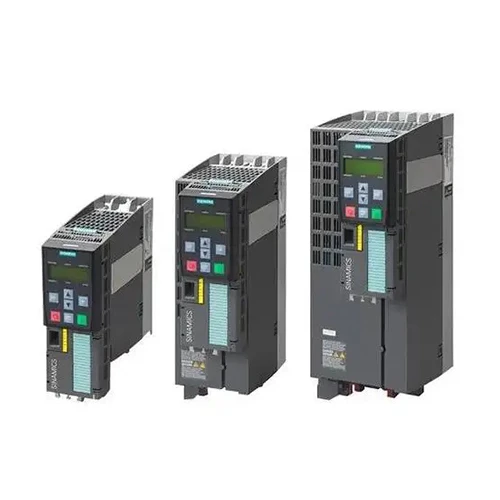
Having spent more than a decade working with industrial machinery, I can tell you that understanding what a VFD is can simplify a lot of your work — and frankly, it’s a term that pops up so often, it’s worth a clear look. In real terms, VFD stands for Variable Frequency Drive. That might sound a bit dry, but it’s actually one of the most transformative technologies in motor control and energy efficiency for plants and factories.
Put simply, a VFD is a device that controls the speed and torque of an electric motor by varying the input frequency and voltage. Before VFDs came along, motors would usually run at a fixed speed — either full throttle or off — which, as you might imagine, can be wasteful and rough on equipment.
What I find interesting is how VFDs act as the ‘muscle coach’ for motors. They gently warm motors up, adjust speed as needed, and help avoid sudden jolts. This smooth control not only extends the motor's lifespan but also slashes energy consumption, which in today’s context of rising electricity costs and sustainability concerns, is a huge deal.
Many engineers I’ve met say the adoption of VFD technology has nearly revolutionized systems involving pumps, conveyors, fans — you name it. It’s odd enough how something that sounds so technical still sneaks into so many everyday industrial applications.
VFD Product Specifications
| Specification | Details |
|---|---|
| Input Voltage | 380V – 480V AC |
| Output Frequency Range | 0.1 Hz to 400 Hz |
| Control Methods | V/F Control, Sensorless Vector Control |
| Communication Interfaces | Modbus, CANopen, Profibus |
| Protection Features | Overload, Short Circuit, Overvoltage, Undervoltage |
| Cooling Method | Forced Air Cooling |
When selecting a VFD, I always recommend thinking about the operating environment — dust, moisture, temperature — these can all impact your drive's longevity. Also, customization is key. I've seen clients request tailored I/O interfaces or expanded communication protocols to fit into complex automation setups. That kind of flexibility really separates the serious vendors from the rest.
Comparing Top VFD Vendors
| Vendor | Price Range | Customization Options | Warranty | Support & Service |
|---|---|---|---|---|
| Tianjin Yongkai | $$ | High – Custom I/O, Protocols | 2 Years | 24/7 Reactive & Proactive |
| General Electric | $$$ | Medium | 1 Year | Business Hours Only |
| Siemens | $$$ | High | 2 Years | Global 24/7 Support |
As a small aside, I remember a client in food processing who switched from fixed-speed motors to VFDs for their conveyor lines. The result? A 20% drop in energy bills and a noticeable reduction in product damage due to smoother starts and stops. Those kinds of outcomes are exactly why I’m convinced VFDs are more than just a fancy acronym.
Many newer models also incorporate regenerative braking and advanced fault diagnostics, which frankly make troubleshooting way less of a headache than it used to be.
At the end of the day, a VFD isn’t just about motor speed. It’s about control, efficiency, and adaptability — all of which spell out better performance and cost savings in the long run.
So, if you’re just getting into this, start by figuring out your motor’s load profile and think about how varying speed might improve operations. It feels like a small step, but trust me, it opens up a whole new way of thinking about machinery.
To wrap things up, here are some quick references for further reading: