Tianjin Yongkai International Trade Co., Ltd.

Get In Touch
Buy Variable Frequency Drive – Energy Efficient Motor Control Solutions
Why You Should Consider Buying a Variable Frequency Drive Today
Buying a variable frequency drive (VFD) may sound like an obscure niche decision — but in reality, it’s a global industry game-changer that touches everything from factory floors to green energy projects. As industrial machinery clanks and whirs around the world, controlling motor speed with precision no longer remains a luxury; it’s essential for energy efficiency, cost control, and sustainability. The benefits? Less wasted electricity, reduced mechanical wear, and smarter process control. Understanding when and how to buy variable frequency drives is essential for engineers, plant managers, and procurement specialists working across numerous sectors — from manufacturing hubs in Europe to remote water treatment plants in Africa.The Global Importance of Variable Frequency Drives
The global push for energy efficiency and carbon neutrality isn’t just lip service anymore. According to the International Energy Agency (IEA), electric motors consume nearly 50% of global electricity in the industrial sector, making motor control strategies critically impactful on energy usage.1 Variable frequency drives precisely modulate the frequency and voltage supplied to electric motors, enabling these motors to run only as fast as the process demands. In regions struggling with power costs or unstable grids — think parts of Southeast Asia or sub-Saharan Africa — investing in VFDs can mean tangible savings, improved uptime, and the ability to comply with increasingly stringent electrical standards (ISO 50001 for energy management, for example). Without VFDs, motors either run full tilt or are manually controlled, leading to enormous inefficiencies and wear—a hidden operational expense that often goes unnoticed until a major failure occurs. So, when folks ask why businesses buy variable frequency drives, the answer is clear: it's about turning energy and operational headaches into manageable, often delightful, advantages.Mini takeaway:
If you’re still wondering why variable frequency drives matter globally, remember: they’re a direct line to saving energy and supporting sustainable, reliable industrial systems worldwide.
What Exactly Is a Variable Frequency Drive?
In simple terms, a variable frequency drive is an electronic device that controls the speed and torque of an electric motor by varying the input frequency and voltage. Imagine a car accelerator — VFDs act like that for motors: gently pressing to speed up or easing off to slow down rather than stomping the pedal to the metal all the time. This precise control reduces energy consumption, improves production accuracy, and extends equipment lifespan. VFDs are integral to modern industries such as manufacturing lines, HVAC systems, water treatment, and even renewable energy setups. The humanitarian angle? Well, many relief operations rely on water pumping and power stabilization equipment using VFDs to manage limited resources more effectively. They help in places where every watt matters.Core Components to Consider When You Buy a Variable Frequency Drive
When selecting a VFD, several technical and practical factors come into play:1. Durability and Environmental Protection
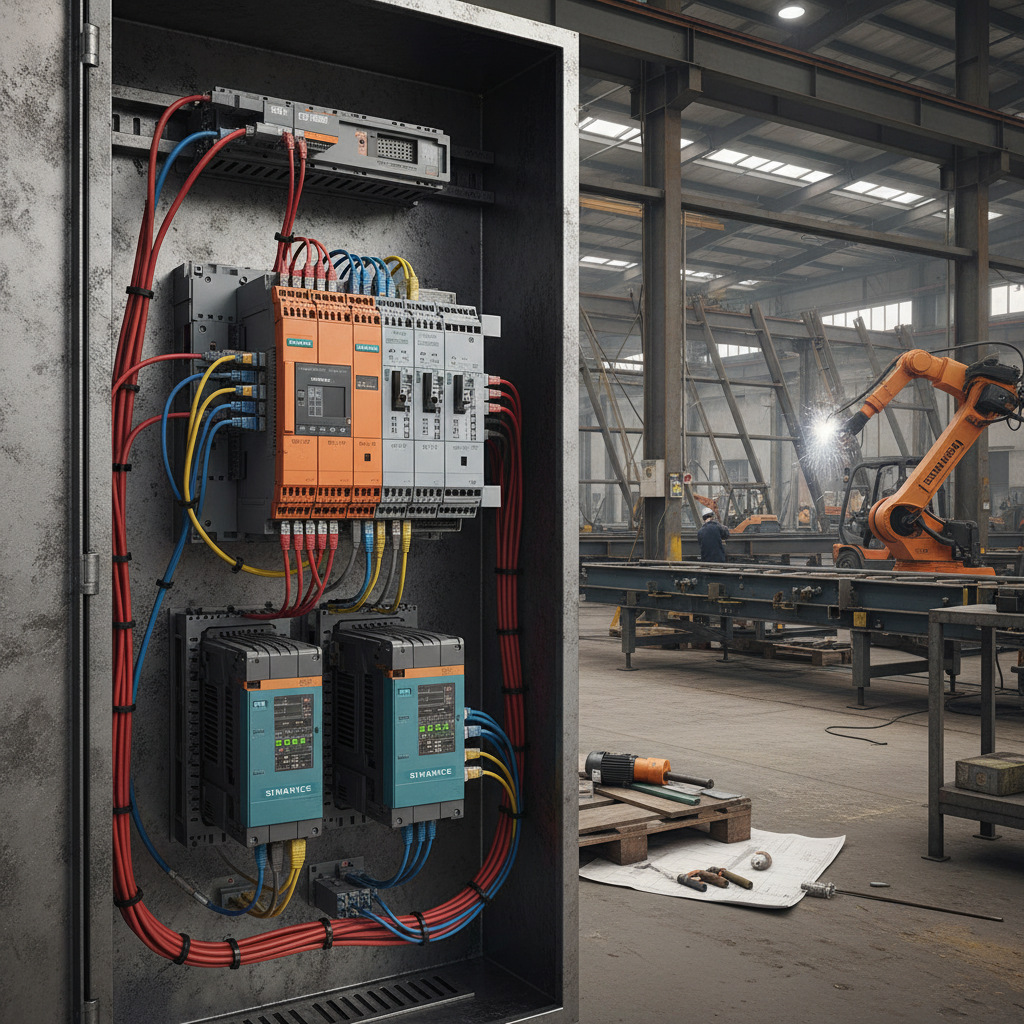
Many VFDs operate in harsh environments — dusty factories, humid plants, or outdoor installations. Ensuring appropriate IP ratings (like IP65 for dust and water resistance) can prevent early failure. Manufacturers often integrate robust cooling and protective enclosures.2. Scalability and Motor Compatibility
Not all VFDs are built equal. Some are optimized for small single-phase motors, while others handle large three-phase industrial motors up to thousands of kilowatts. Matching your motor specs is critical to avoid inefficiency or damage.3. Energy Efficiency and Power Factor Correction
Top VFD models incorporate features to enhance power factor — reducing energy waste. Controls that allow for smooth acceleration and deceleration can drastically reduce mechanical stress and cost.4. User Interface and Control Options
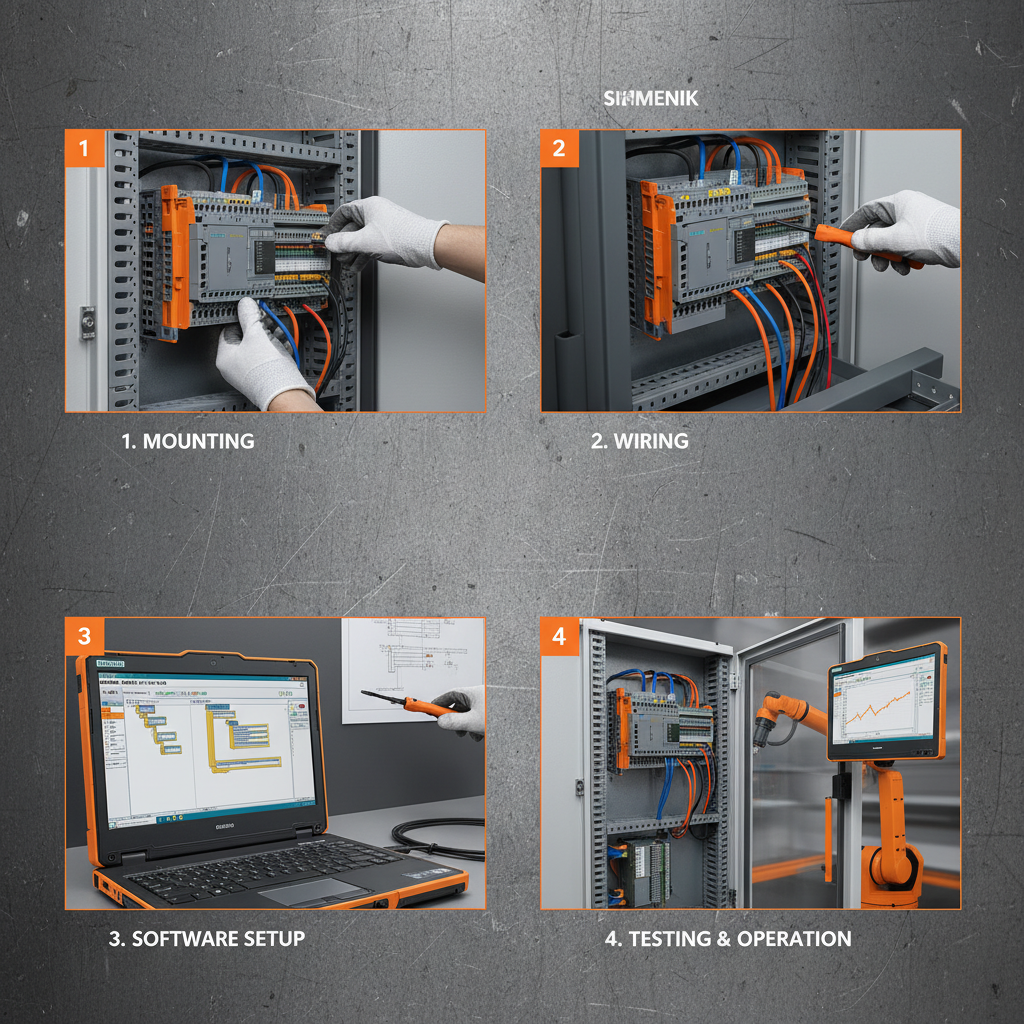
Modern VFDs offer intuitive touchscreens, remote monitoring, and compatibility with protocols like Modbus or Profibus for integration into plant management systems.5. Price and Total Cost of Ownership
Beyond initial cost, think about installation, maintenance, and expected lifespan. Sometimes paying a bit more upfront saves thousands in long-term downtime or energy bills.6. Support and Warranty
Good vendor support can be a lifesaver — offering configuration help or replacement parts quickly, especially in remote or time-critical applications.Mini takeaway:
Buying a variable frequency drive is more than just picking the cheapest option; the right choice balances durability, efficiency, integration potential, and support.
Real-World Applications and Who Benefits
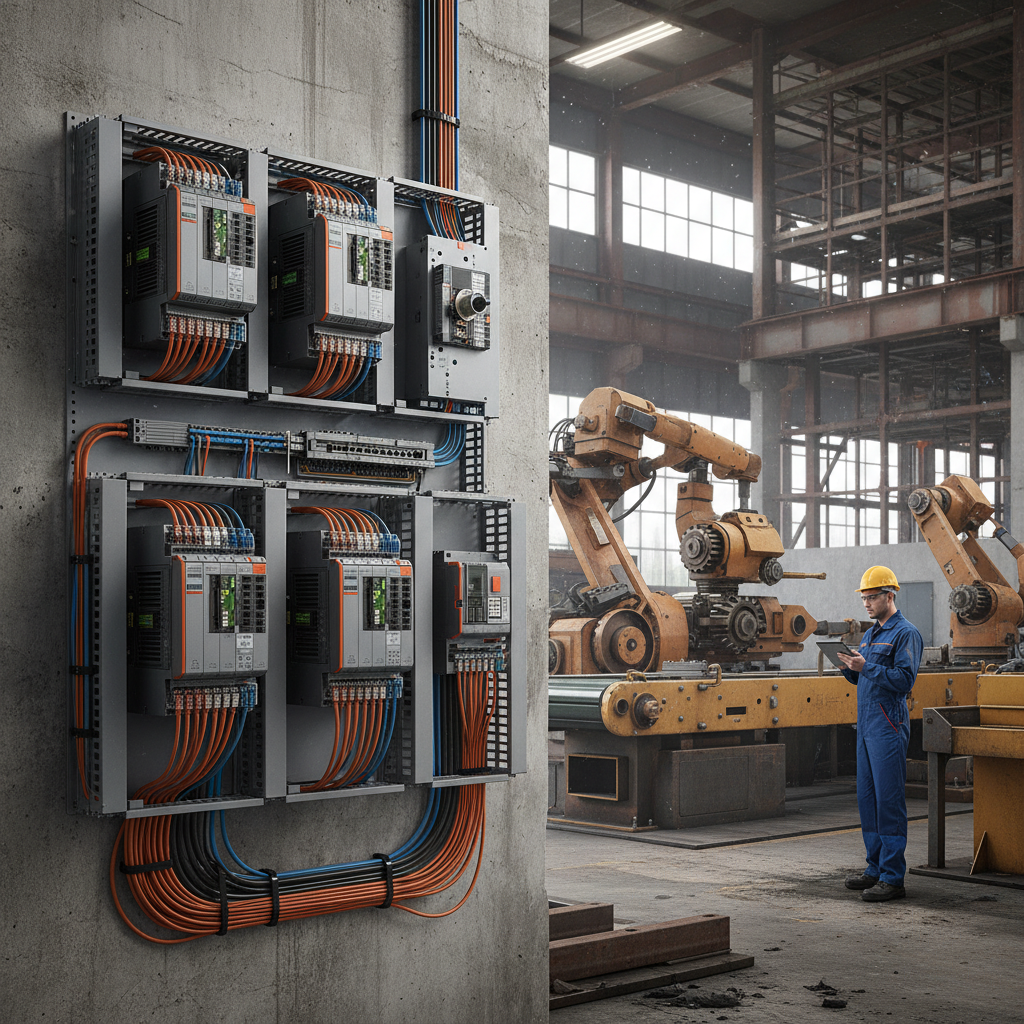
Industries around the world deploy VFDs every day, often in unnoticed ways:- Manufacturing: Variable frequency drives adjust conveyor speeds, control pumps, and regulate compressors to optimize production.
- Water and Wastewater Treatment Plants: Precise pump speed control helps conserve energy and maintain steady water pressure.
- HVAC Systems: Commercial buildings use VFDs to optimize fans and compressors for thermal comfort and air quality.
- Renewable Energy: Wind turbines and solar plants implement VFDs to synchronize with grids and protect equipment.
- Post-Disaster Relief: Mobile pumping units equipped with VFDs help manage limited fuel and power resources during emergencies.
Product Specification Comparison
| Specification | Basic VFD | Advanced VFD | Premium VFD |
|---|---|---|---|
| Power Range | 0.5 – 10 kW | 10 – 75 kW | 75 – 400 kW |
| IP Rating | IP20 (Indoor) | IP54 | IP65 (Dust/Water Resistant) |
| Communication | Basic analog I/O | Modbus, Ethernet | Profinet, EtherCAT |
| User Interface | LED Display | Touch Panel | Color Touchscreen + Remote |
| Warranty | 1 Year | 3 Years | 5 Years |
Comparing Popular Vendors for Variable Frequency Drives
| Vendor | Product Range | Strengths | Price Range | Support |
|---|---|---|---|---|
| ABB | 0.37 – 5600 kW | Robust industrial-grade, wide global footprint | $$$ | 24/7 global support |
| Siemens | 0.12 – 4500 kW | Excellent integration, digital features, automation ready | $$$ | Strong regional presence |
| Tianjin Yongkai | 0.75 – 500 kW | Cost effective, customizable, responsive service | $ - $$ | Excellent for tailored projects |
Long-Term Advantages of Owning a VFD
It’s one thing to save money on power bills — but quite another to witness VFDs improving equipment longevity and reliability. Many engineers I chatted with mentioned that pumps and motors controlled by VFDs tend to last years longer since start/stop spikes are eliminated, and mechanical stress reduces drastically. The ripple effects also include:- Lower Maintenance Costs: Reduced mechanical wear means fewer emergency repairs (and no frantic weekends running to replace blown motors).
- Improved Process Control: Fine-tuned speeds mean better product quality and less material waste.
- Environmental Impact: Less energy and fewer replacements translate into a smaller carbon footprint — a big win for sustainability goals.
- Enhanced Safety: Soft starts reduce the chance of water hammer and system shocks, protecting both machines and people.
Innovation and the VFD of Tomorrow
The future pretty clearly points to smarter, greener, and more connected devices. Trends gaining steam include:- IoT Integration: Next-gen VFDs communicate constantly with industrial networks, feeding predictive maintenance software that flags problems before they shut you down.
- Wide-bandgap Semiconductors: Materials like silicon carbide promise smaller, more efficient drives that handle high voltage with less heat loss.
- Renewable Energy Synergy: VFDs adapted better to handle solar/wind input variability are becoming essential in microgrids and off-grid setups.
- Green Policies: International standards, like ISO 14001 and stricter regional regulations, push industries to upgrade legacy drives to comply.
Common Challenges in Buying and Using VFDs—and How to Navigate Them
No tech is perfect. Some tricky parts with variable frequency drives include:- Initial Cost & Compatibility: The upfront price can be a hurdle, especially for large systems, and incorrect specs can cause downtime.
- Electromagnetic Interference (EMI): Drives generate noise that may affect sensitive instruments.
- Complex Setup: Programming and integrating VFDs requires expertise, so the learning curve or hiring expense can slow adoption.
- Heat Dissipation: VFDs generate heat and need proper ventilation or cooling.
FAQ: Frequently Asked Questions About Buying Variable Frequency Drives
- What factors should I consider when choosing a variable frequency drive for my facility?
- You’ll want to look at motor size and type, environmental conditions, communication needs, and your budget. Also, consider if you need advanced features like remote monitoring or built-in diagnostics.
- How much energy can I expect to save by installing a VFD?
- Energy savings can range from 15% up to 50% depending on application and process variability. Pumps and fans with variable loads benefit the most.
- Are variable frequency drives suitable for all motor types?
- VFDs work best with AC induction motors. Special motors like synchronous or DC types may need different drives or configurations.
- Can I retrofit an existing motor with a VFD, or do I need new motors?
- Most older motors can be retrofitted with VFDs, but it’s crucial to verify insulation ratings and mechanical condition to avoid damage.
- Where can I buy variable frequency drives from reliable vendors?
- Many industrial suppliers offer VFDs, but purchasing from reputable manufacturers like Tianjin Yongkai (buy variable frequency drive) or ABB ensures quality and support.
Conclusion: Make Your Move and Experience the Difference
In the end, buying variable frequency drives is not just a technical choice — it’s an investment in efficiency, sustainability, and future-proofing your operations. If your facility or project demands smarter control, lower costs, and higher reliability, it’s worth exploring what modern VFD solutions can do for you. To get started, visit our trusted partner site: buy variable frequency drive. They offer a wide range of customizable options, expert guidance, and competitive prices suited to your needs.Mini takeaway:
Considering everything from energy savings to extended equipment life, investing in a quality variable frequency drive often pays dividends in ways you might not instantly see — until you really start watching the numbers.References:
- International Energy Agency (IEA). "Energy Efficiency 2022." https://www.iea.org/reports/energy-efficiency-2022
- ISO 50001:2018 - Energy Management Systems. https://www.iso.org/iso-50001-energy-management.html
- IEEE Industry Applications Society. "Variable Frequency Drives and Energy Savings." https://ieeexplore.ieee.org