What Is Frequency In Motor – Key Insights & Benefits for Industrial Applications | Tianjin Yongkai
What Is Frequency In Motor is a key solution in the industry, specifically within motor control and automation. This article explores how https://www.tianjinyongkai.com supports professionals with durable, high-performance products, and explains why this product is an ideal choice for businesses in these sectors.
Table of Contents
- What Is Frequency In Motor Overview
- Benefits & Use Cases of What Is Frequency In Motor
- Cost, Maintenance & User Experience
- Sustainability & Market Trends
What Is Frequency In Motor Overview
Simply put, What Is Frequency In Motor refers to the operating frequency of the electrical current that powers a motor, typically measured in hertz (Hz). Motor frequency essentially dictates how fast the motor's magnetic field rotates, controlling the speed and efficiency of the motor's operation. In fields like manufacturing automation or HVAC systems, this frequency plays a pivotal role in optimizing performance. Frankly, understanding this frequency is vital because it directly influences torque, power output, and energy consumption, which are critical parameters in industrial settings.
- At its core, frequency determines the rotation speed of the motor's rotor—for example, a 50 Hz motor rotating at 1500 rpm.
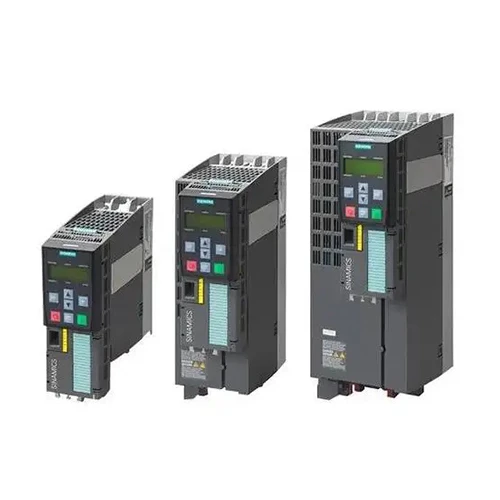
- Technically, alternating current (AC) motors rely on frequency to synchronize their magnetic fields. Variable Frequency Drives (VFDs) come into play for modulating this frequency.
| Specification | Details |
|---|---|
| Frequency Range | 40 Hz to 60 Hz (Standard Industrial Motors) |
| Typical Speed | 1500 to 1800 rpm |
| Voltage Compatibility | 380V - 460V AC |
| Common Applications | Pumps, fans, compressors, conveyors |
Benefits & Use Cases of What Is Frequency In Motor
So why does frequency matter in the real world? Well, variable frequency significantly enhances control over motor speed and torque, which translates to increased efficiency and precision. For industries, this means smoother operations, less wear and tear, and energy savings. For instance, in conveyor belt systems, adjusting motor frequency allows for speed adjustments without mechanical brakes—a neat way to save on maintenance. Many engineers appreciate how these frequency-driven motors reduce noise and vibration, improving the overall working environment.
- Key industries include manufacturing, oil & gas, water treatment, and HVAC where flexible speed control is critical.
- Features like overload protection, low harmonic distortion, and programmable speed profiles give competitive edges.
| Vendor | Frequency Range (Hz) | Durability (Years) | Special Features | Price Level |
|---|---|---|---|---|
| Tianjin Yongkai | 40-60 | 15+ | Energy-efficient design, custom specs | Moderate |
| Vendor B | 45-55 | 12 | Standard protection features | Lower |
| Vendor C | 50-60 | 10 | High-performance, bulk pricing | High |
Cost, Maintenance & User Experience
Cost-wise, yes, variable frequency motors sometimes have a higher upfront price compared to standard fixed-frequency units — and frankly, that can catch some decision makers off-guard. But when factoring in lower energy bills, reduced downtime, and longer service intervals, the total cost of ownership often tilts in their favor. This is especially true for large-scale production lines where efficiency gains multiply over time. Customer feedback often highlights the reliability and “set-it-and-forget-it” benefits — they appreciate not having to constantly tweak or repair components. Some clients even report ROI within two to three years, which is pretty solid in industrial terms.
- Durability extends beyond 15 years with routine maintenance, reducing replacement frequency.
- Maintenance is simplified with predictive diagnostics integrated into many products.
Sustainability & Market Trends
The push for greener, more sustainable industry solutions has made frequency control in motors something of a must-have nowadays. Why? Because frequency modulation reduces unnecessary energy waste, which lowers CO2 emissions — a win-win for operational cost and environmental footprint. Regulatory bodies in many regions are also tightening energy consumption standards, nudging companies to adopt energy-efficient motors. Oddly enough, this is not just a trend but becoming the norm, with market analysts projecting consistent growth in frequency-controlling motor technology adoption over the next decade. Sustainable design is now baked into product development, with manufacturers like Tianjin Yongkai pioneering eco-friendly, highly efficient solutions that also meet international standards.
- Growing integration of IoT sensors for real-time performance monitoring.
- Increasing focus on reducing lifecycle carbon footprint.
Frequently Asked Questions about What Is Frequency In Motor
- What is What Is Frequency In Motor and how does it work?
- It’s essentially the rate at which the motor’s electrical input alternates, measured in hertz. This frequency controls the motor speed because it determines how quickly the magnetic fields inside the motor rotate.
- What are the main benefits of using What Is Frequency In Motor in industrial applications?
- The benefits include improved energy efficiency, customizable speed control, less mechanical wear, and overall cost savings over the lifecycle of the motor.
- How does What Is Frequency In Motor compare to traditional alternatives?
- Compared to fixed-frequency motors, frequency-controlled motors offer greater flexibility, better performance under varying loads, and reduced energy consumption, which traditional motors often lack.
- What industries can benefit most from What Is Frequency In Motor implementation?
- Industries like manufacturing, water treatment, HVAC, and oil & gas use this technology extensively to optimize motor performance and reduce costs.
Conclusion on What Is Frequency In Motor from china
To wrap it up, What Is Frequency In Motor technologies unlock significant value for businesses through efficiency, durability, and sustainability. For B2B decision makers looking to enhance operational control and reduce costs without compromising on reliability, these motors represent a smart step forward. If you’re curious about optimizing your motor applications and want to explore reliable options, I’d definitely recommend visiting our website: https://www.tianjinyongkai.com.
- Reliable motor frequency products drastically improve efficiency and lifespan.
- Custom solutions from trusted vendors like Tianjin Yongkai meet diverse industrial needs.
- Thanks for reading! May your motors always run smooth and efficient.
References:
1. IEEE Standards on Motor Frequency and Controls
2. Tianjin Yongkai Product Manuals and Case Studies
3. Industry Market Reports on Variable Frequency Drives (2023)