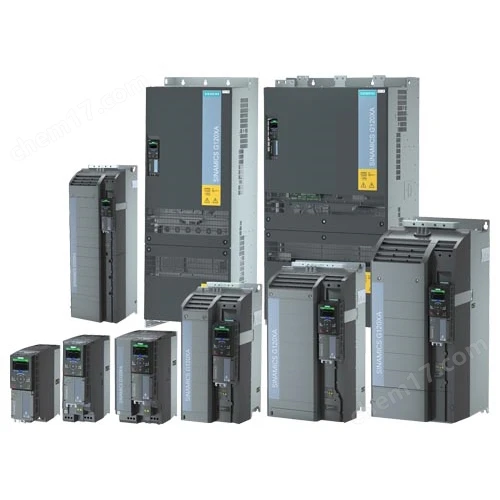
120 Volt Variable Frequency Drives: Efficient Motor Speed Control for Industry
Understanding 120 Volt Variable Frequency Drives: What They Mean for Industry and Innovation
If you've ever been curious about how industries control electric motor speeds with finesse or wondered how energy efficiency has quietly crept into billions of machines worldwide, 120 volt variable frequency drives (VFDs) are part of that story. To put it plainly, these gadgets let you regulate the power frequency—and thus the speed—of an electric motor using a pretty standard 120 volt input. In a world trying to save energy and reduce carbon footprints, knowing what VFDs do is like holding a tiny but mighty key to smarter electricity use and longer machinery life.
Globally speaking, the relevance is getting impossible to overlook. Reports from the International Organization for Standardization (ISO) and the United Nations Sustainable Energy initiatives underscore efforts to improve energy management in industry. VFDs, including the 120 volt models, quietly make this happen. But it’s not just about energy savings—it's about cleaner manufacturing, better equipment longevity, and a general push towards smarter automation in everything from pumps to conveyors.
Yet, many industries still wrestle with outdated equipment that jerks and wastes power rather than modulating motor speed gently. That's where understanding and deploying a 120-volt variable frequency drive can pivot your operations towards modern efficiency.
What Exactly Is a 120 Volt Variable Frequency Drive?
In simple terms, a variable frequency drive (VFD) is an electronic controller that varies the frequency and voltage supplied to an electric motor. Normally, motors run at fixed speeds tied directly to the AC line frequency—either 50 or 60 Hz—but a VFD changes that frequency to adjust motor speed.
The “120 volt” part means the drive is designed to operate on a 120 V supply, common for lighter industrial and residential applications. Think of it as a scaled-down controller, practical for low-voltage AC motors. This makes them ideal for small pumps, fans, and conveyors, especially where space or power supply constraints exist.
Beyond industry, such drives can be lifesavers in humanitarian efforts—off-grid water pumps in remote villages often rely on low-voltage drives to balance power and mobility. So, their relevance stretches beyond factories to real, impactful field applications.
Key Components of 120 Volt Variable Frequency Drives
1. Durability and Build Quality
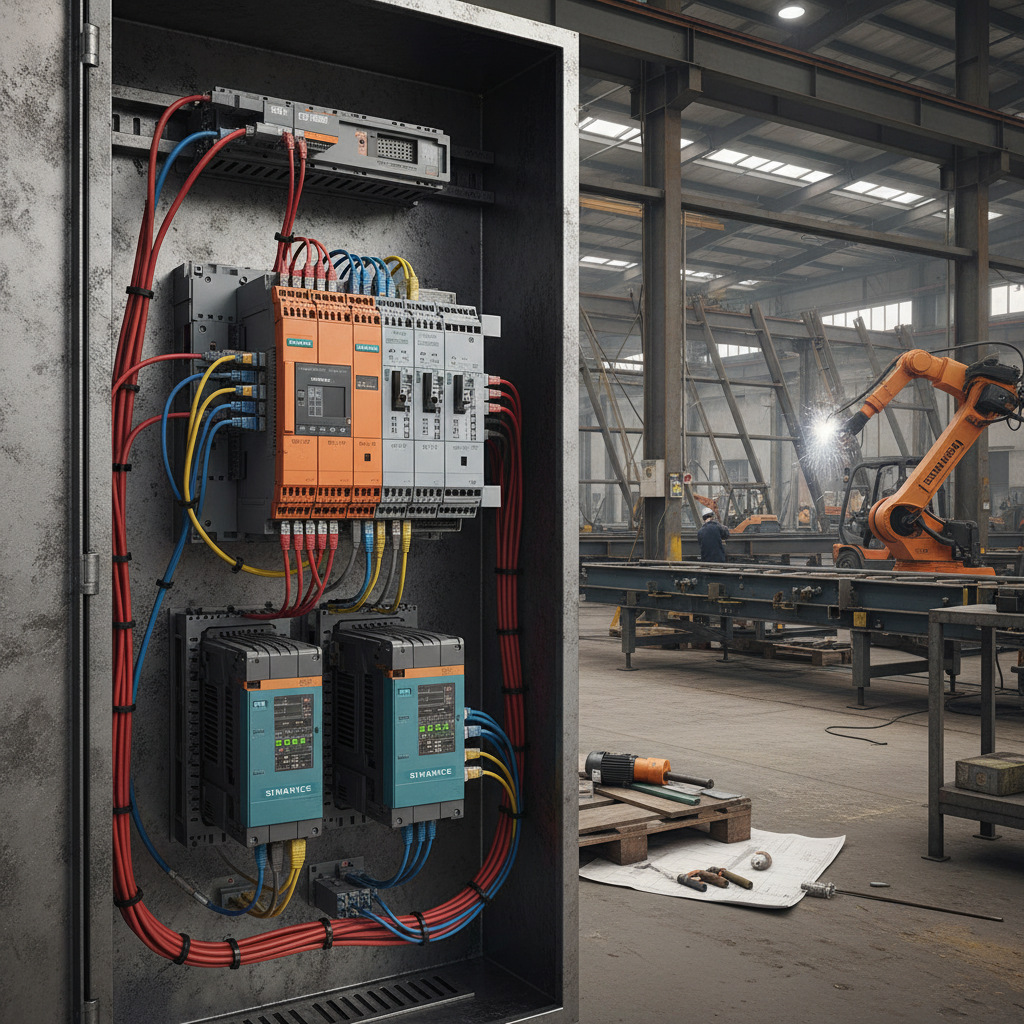
For something that manages electric motors continuously, ruggedness matters. Many 120 V variable frequency drives come with protective coatings and heat-resistant components to endure tough factory floors or outdoor setups. Durability reduces downtime, which frankly every plant manager appreciates.
2. Scalability and Compatibility
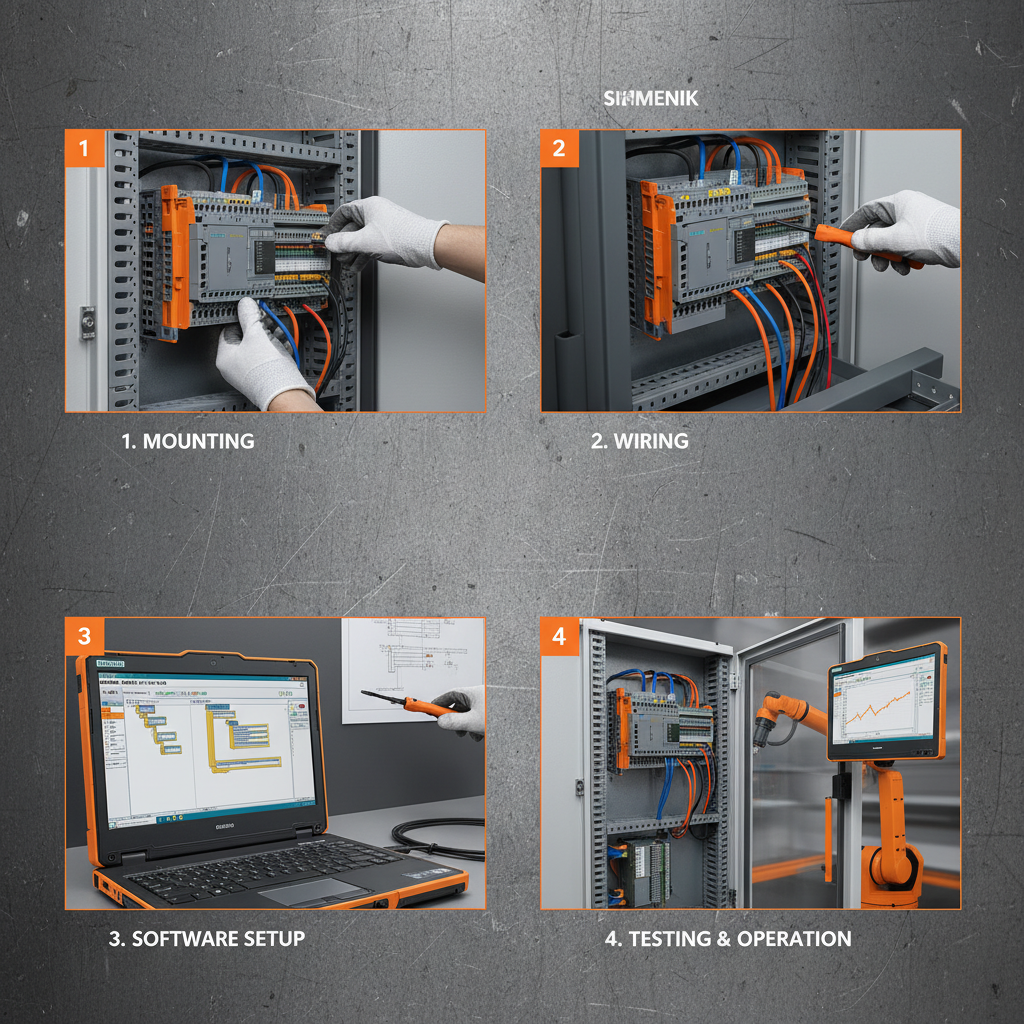
They’re typically designed to integrate seamlessly with a range of 120 V motors. Many engineers I've spoken with praise the plug-and-play nature of modern drives—the days of complicated rewiring are waning.
3. Cost Efficiency
The initial investment is surprisingly affordable compared to higher voltage drives. Plus, the savings on energy and maintenance—since running motors at variable speeds reduces wear—add up dramatically over a machine's lifecycle.
4. User-Friendly Controls
Recent designs boast intuitive digital interfaces, allowing operators to tweak settings quickly without a full electrical engineering team. This makes them accessible to smaller businesses or even home workshops.
5. Safety Protections
Overcurrent, overload, and thermal protection features are standard. Such safeguards are non-negotiable to avoid equipment damage and workplace hazards.
Mini Summary
- 120 V VFDs control motor speed by adjusting frequency/voltage.
- Designed for smaller motors and low-voltage setups.
- Durability, cost efficiency, and ease of use put them on many radars.
Global Applications of 120 Volt Variable Frequency Drives
From North American HVAC systems to Asia-Pacific water treatment plants, these drives find diverse applications. A notable example is in agricultural irrigation: farms in sub-Saharan Africa use solar-powered 120 V VFDs to run pumps with great efficiency, even where grid power is inconsistent.
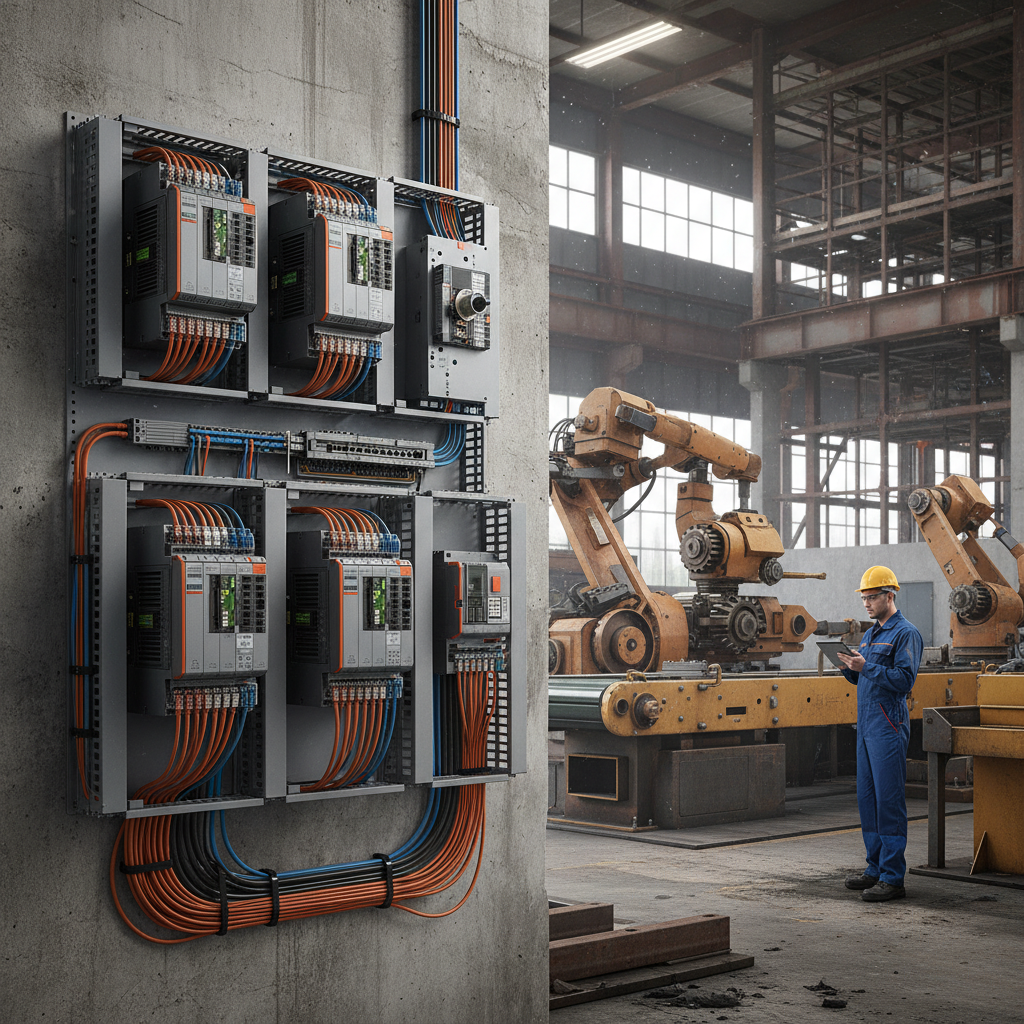
In industrial settings, small conveyors or mixers—especially in food processing or packaging lines—use these drives for precise speed control that translates into consistent product quality. In disaster relief zones, where quick setup of electrical systems is essential but power sources are limited, low-voltage drives enable vital pumps or fans to run safely and smoothly.
Many of these examples emphasize adaptability to local power conditions and the ability to minimize energy consumption in areas where every watt counts.
Advantages and Long-Term Value of Using 120 Volt Variable Frequency Drives
- Energy Savings: Variable control means motors don’t waste power when full speed isn’t necessary.
- Longer Equipment Life: Soft start/stop functions reduce mechanical stress.
- Sustainability: By conserving energy, they align with global climate goals.
- Safety & Reliability: Built-in protections foster trust on busy industrial floors.
- Cost Effectiveness: Investments often recover within months via energy bills.
Honestly, the emotional satisfaction for operators comes from running equipment that “just works” smoothly without jolts or power spikes. Seeing steady production flow year-round builds confidence and pride.
What’s Next? Future Trends in 120 Volt Variable Frequency Drives
Innovation is marching forward. Manufacturers are increasingly incorporating IoT connectivity and remote monitoring capabilities. Imagine diagnosing a motor's health or tweaking speeds from a smartphone across continents.
Green energy compatibility, particularly solar input integration, is also growing. Given the low voltage of these drives, pairing them with renewable microgrids is proving quite practical.
On the materials front, expect lighter, more heat-resilient components thanks to advances in semiconductors and circuit design—this means more compact and efficient drives.
Challenges in Deployment and How to Overcome Them
Despite their perks, adoption hurdles persist. Technical unfamiliarity in smaller firms means many underuse or overlook these drives. Additionally, fluctuating supply voltage can lead to instability.
Experts recommend thorough operator training and choosing models with wide input voltage tolerance. Also, local partners offering installation support can smooth out many bumps in the road.
Mini takeaway:
Smart education and resilient product design help overcome most challenges.
Product Specification Table: Typical 120 Volt Variable Frequency Drive
| Specification | Value |
|---|---|
| Input Voltage | 120 Vac ±10% |
| Output Frequency Range | 0.5 – 400 Hz |
| Maximum Output Current | 10 A |
| Control Interface | Digital keypad / Remote input |
| Protection | Overload, Overcurrent, Overheat |
Vendor Comparison: Popular 120 Volt VFD Brands
| Vendor | Price Range | Features Highlight | Warranty |
|---|---|---|---|
| DriveCo | $150 – $250 | Compact design, user-friendly LCD | 2 years |
| VoltEase | $180 – $300 | Wide voltage tolerance, remote control | 3 years |
| EcoDrive Systems | $200 – $350 | IoT ready, solar compatible | 3 years |
Frequently Asked Questions About 120 Volt Variable Frequency Drives
Q1: Can a 120 V VFD work with motors rated for higher voltage?
A1: Generally, 120 volt variable frequency drives are designed for motors rated at or near 120 V. Using them with higher voltage motors risks damage or poor performance. For higher voltages, matching the VFD to the motor’s voltage rating is essential to ensure safe operation.
Q2: How much energy can I realistically save by using a 120 V variable frequency drive?
A2: Energy savings depend heavily on the application, but for things like pumps and fans running at less than full speed, savings of 20–50% over constant-speed motors are common. Reduced wear and maintenance also cut indirect costs, making these drives quite cost-effective in real terms.
Q3: Are 120 volt VFDs suitable for outdoor use?
A3: Some models come with weatherproof enclosures or ratings like IP54 or IP65, making them suitable for outdoor or dusty environments. Always confirm the casing specifications and consult the supplier to ensure suitability for your specific site conditions.
Q4: Can these drives be integrated into automated systems?
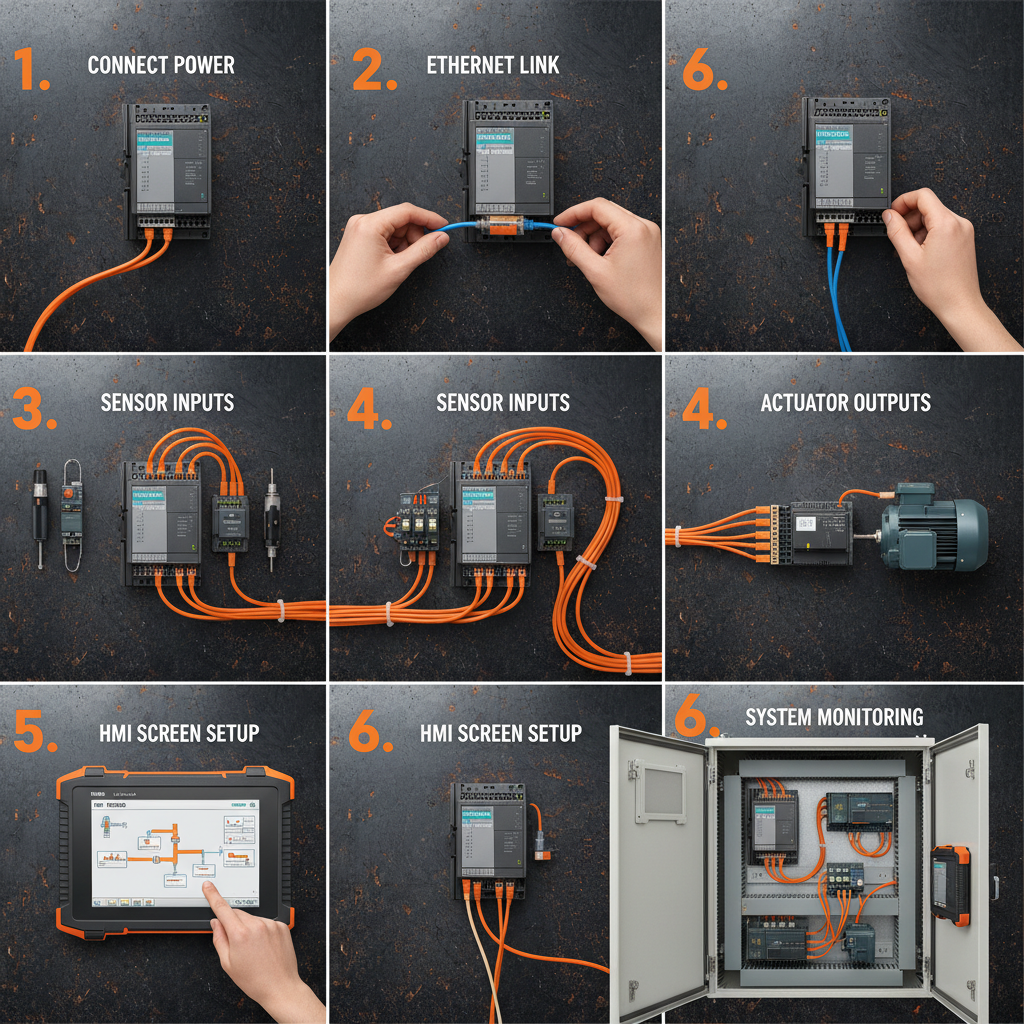
A4: Yes! Most modern 120 V variable frequency drives support interfaces like analog/digital inputs, Modbus communication, or even wireless connectivity, which makes integration into PLCs or SCADA systems straightforward for automation.
Q5: How do I choose the right 120 V VFD for my application?
A5: Start by reviewing your motor’s power and voltage specs, the control features you need, and the environment where it will operate. Consulting with suppliers or experts is wise to ensure compatibility and that features meet your operational requirements.
Wrapping Up: Why 120 Volt Variable Frequency Drives Still Matter
To put it simply, 120 volt variable frequency drives marry power efficiency with affordable, flexible motor control. They’re a vital puzzle piece for industries stretching from agriculture to manufacturing, even extending into humanitarian arenas. Deploying them today can lead to substantial savings tomorrow—whether it’s on energy bills, maintenance downtime, or even carbon footprint.
For businesses and organizations eager to tap into these benefits, understanding product specs and vendor options is key. And if you’re ready for smoother, smarter motor control, check out our selection of 120 volt variable frequency drives—it might be the easiest upgrade you make all year.