Siemens PLC Suppliers | Genuine PLCs & VFD Drives for Automation
Navigating the Industrial Automation Landscape: The Role of Advanced PLC Solutions
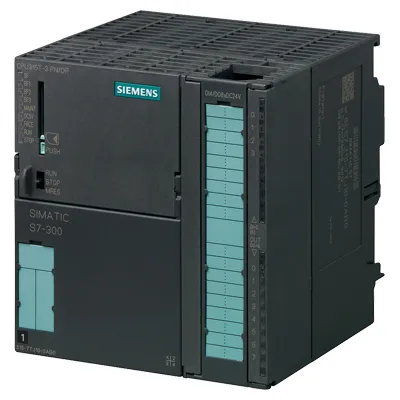
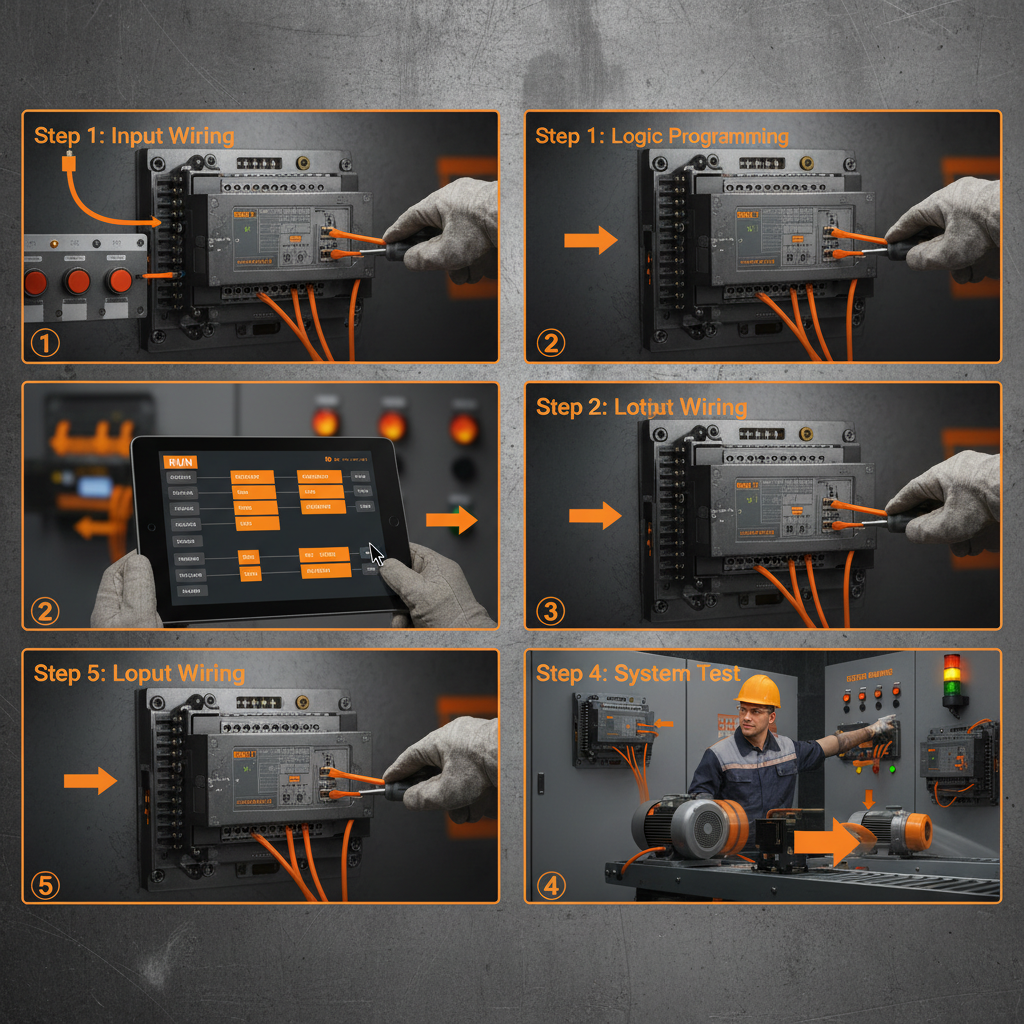
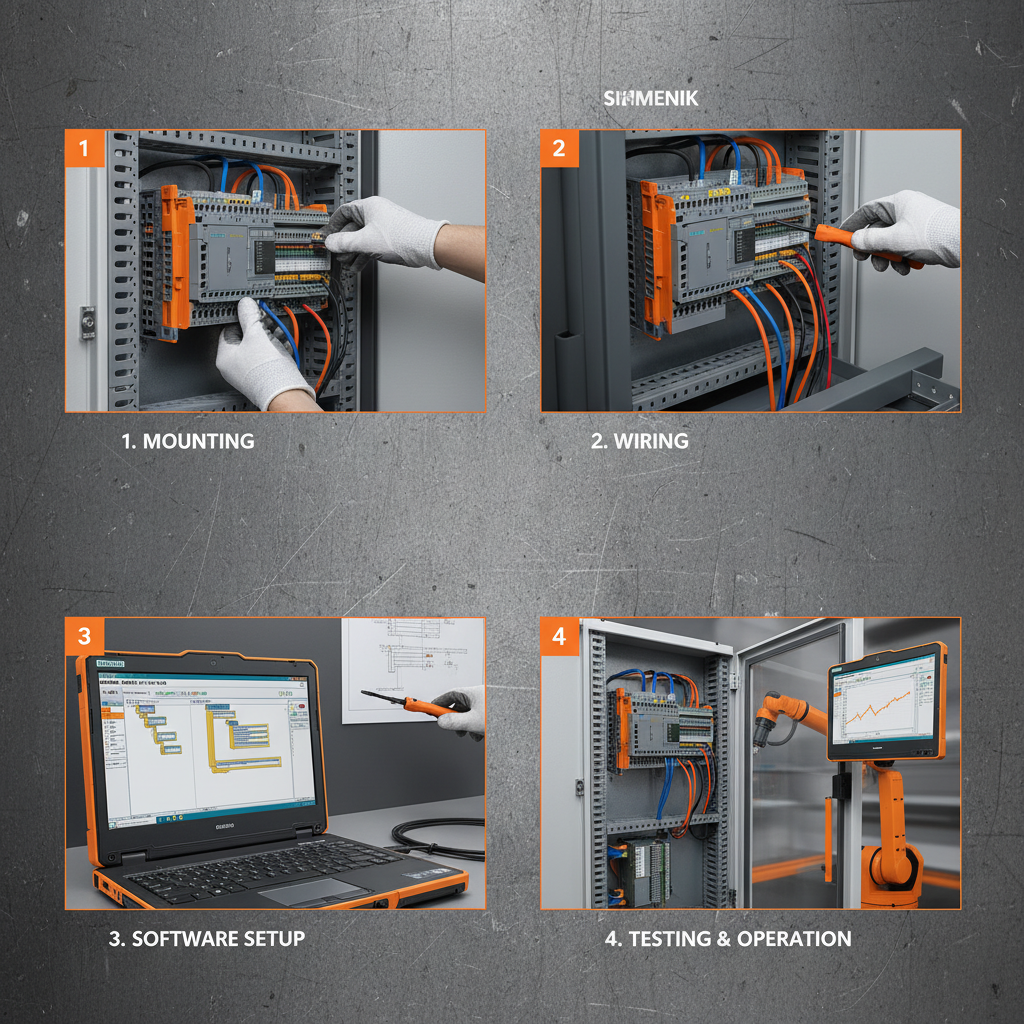
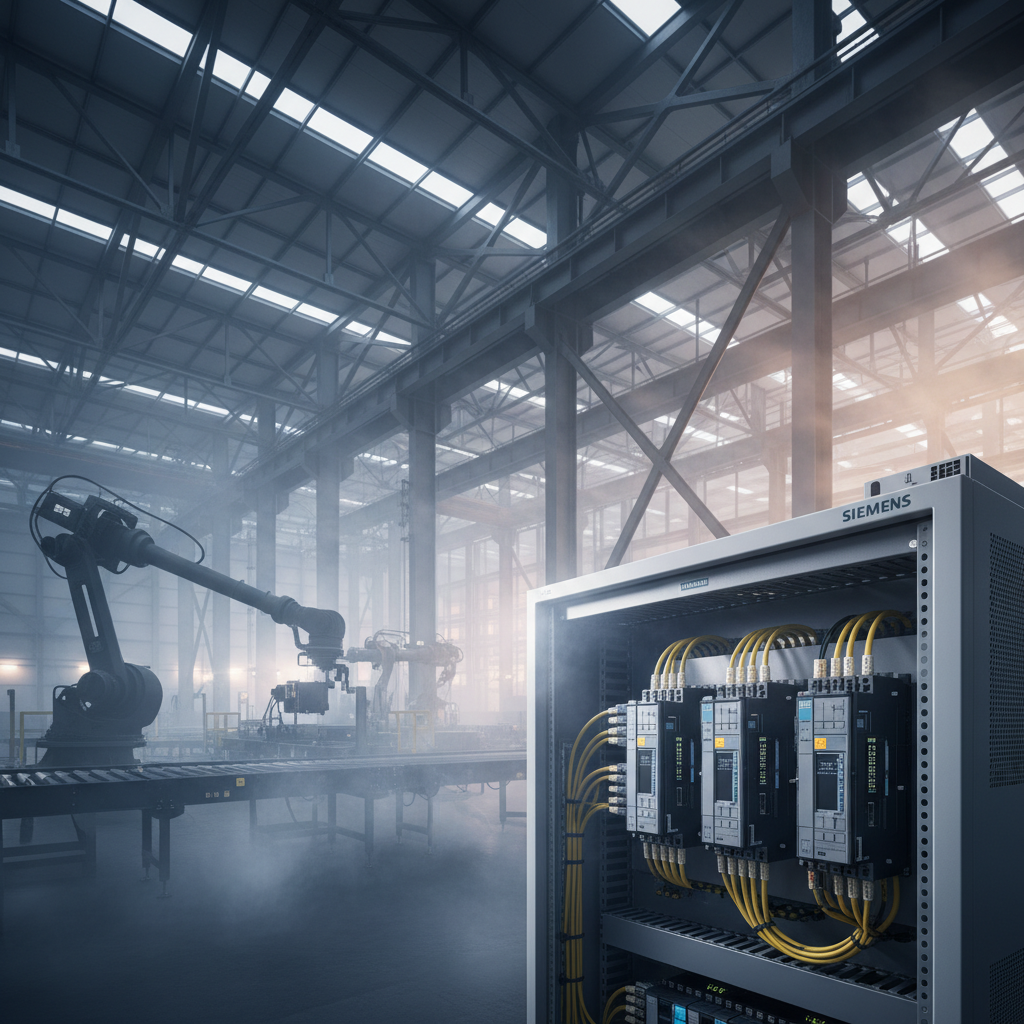
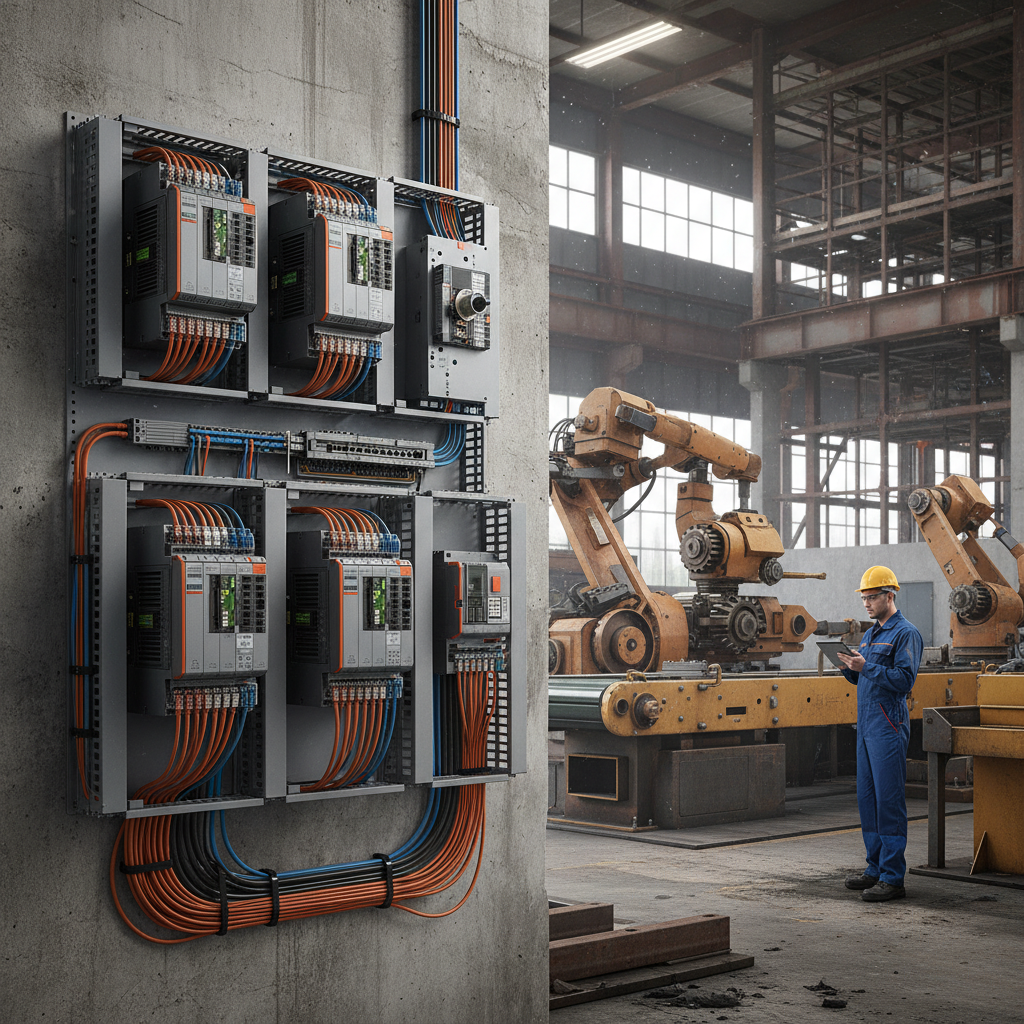
In the rapidly evolving world of industrial automation, Programmable Logic Controllers (PLCs) form the backbone of efficient, reliable, and scalable operations. As industries transition towards Industry 4.0 paradigms, the demand for robust and intelligent control systems is unprecedented. This shift places significant emphasis on selecting the right technology partners, particularly when it comes to critical components like PLCs. For businesses seeking high-performance and globally recognized automation solutions, identifying dependable siemens plc suppliers is a strategic imperative. Siemens, a global leader in industrial technology, offers a comprehensive portfolio of PLCs that drive innovation across diverse sectors.
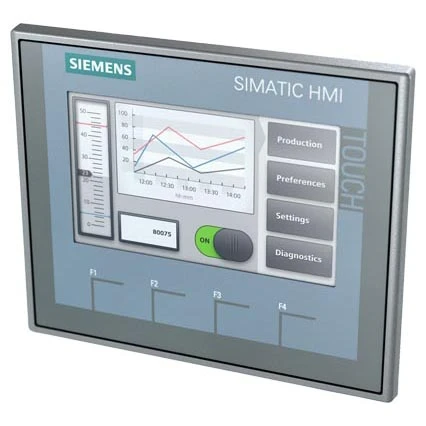
Current industry trends highlight an increased focus on seamless integration of PLCs with other smart factory components, including Human-Machine Interfaces (HMIs), SCADA systems, and Variable Frequency Drives (VFDs). The convergence of operational technology (OT) and information technology (IT) demands PLCs that are not only powerful in their control capabilities but also secure and capable of extensive data communication. Furthermore, there's a growing need for energy-efficient solutions and predictive maintenance features, pushing manufacturers to innovate beyond traditional control functions.
The Advanced Manufacturing Process of Digital Expansion Modules
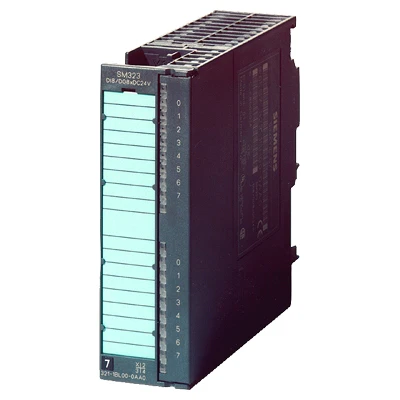
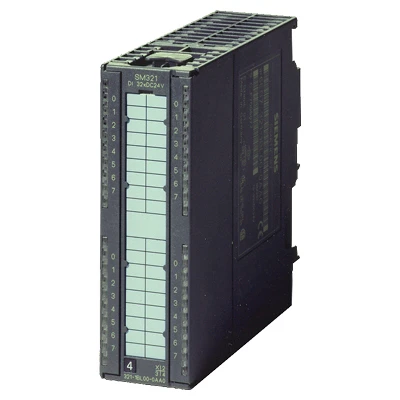
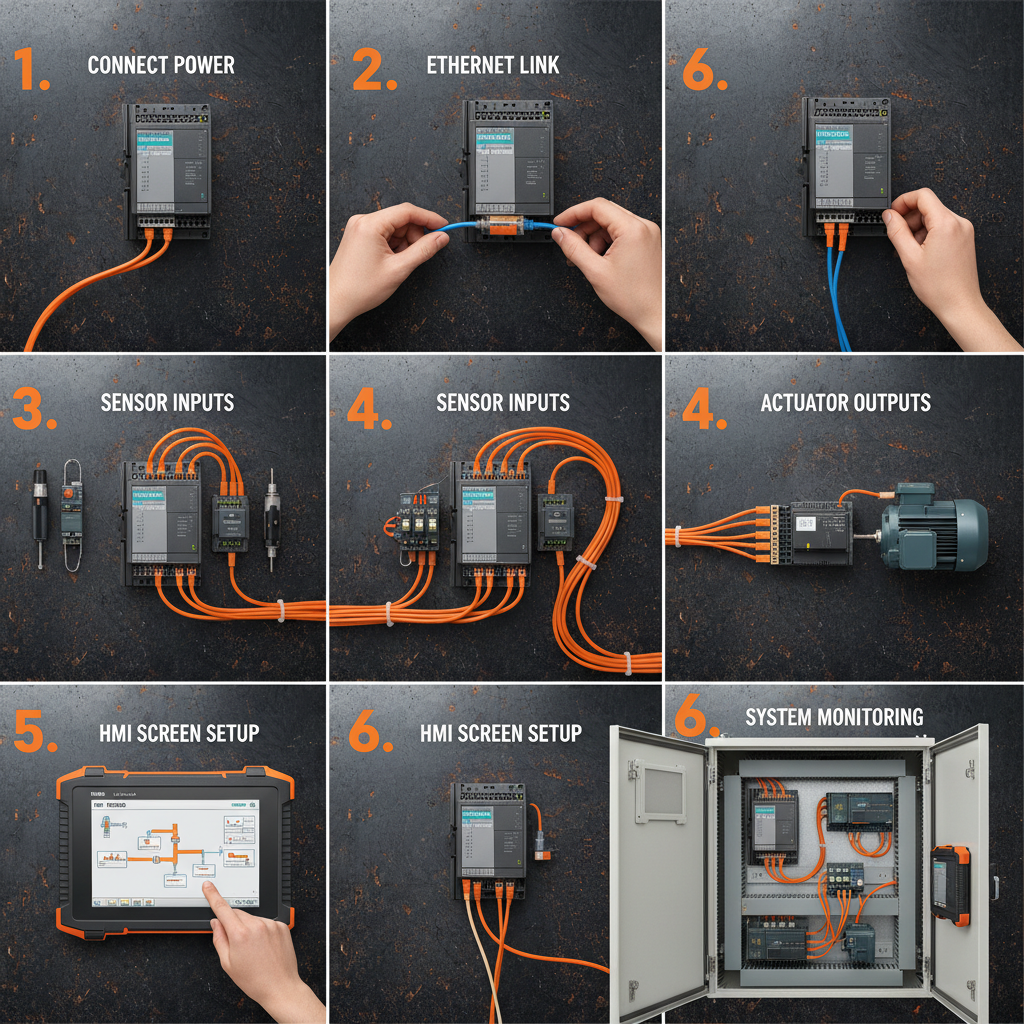
Understanding the meticulous manufacturing process behind a component like a Digital Expansion Module, which complements Siemens PLCs, underscores the commitment to quality and reliability that defines leading siemens plc suppliers. The journey from raw material to a robust industrial component involves several stages, each adhering to stringent quality control standards.
Process Flow Overview:
- 1. Component Sourcing & Quality Control: High-grade silicon for semiconductors, oxygen-free copper for circuitry, and robust engineering plastics for enclosures are meticulously sourced. All raw materials undergo rigorous testing for purity, electrical conductivity, thermal stability, and mechanical strength to meet global standards like RoHS and REACH.
- 2. Printed Circuit Board (PCB) Fabrication: Multi-layered PCBs are manufactured with precision, incorporating advanced techniques to ensure signal integrity and thermal management. This stage follows IPC-A-610 Class 2 or 3 standards for electronic assemblies, ensuring reliability in industrial environments.
- 3. Surface Mount Technology (SMT) Assembly: Automated SMT lines precisely place miniature electronic components (resistors, capacitors, microcontrollers) onto the PCBs. High-speed pick-and-place machines ensure accuracy down to micrometers.
- 4. Soldering Process (Reflow & Wave): Components are secured using advanced soldering techniques. Reflow soldering is used for SMT components, ensuring uniform heating and strong solder joints. Wave soldering is typically applied for through-hole components, ensuring robust mechanical and electrical connections. All processes are conducted in controlled environments to prevent oxidation and ensure solder joint integrity.
- 5. Functional Testing & Calibration: Each module undergoes comprehensive electrical and functional testing. Automated Test Equipment (ATE) verifies every input and output channel, measuring voltage, current, response times, and communication protocols. Environmental stress screening (ESS) including temperature cycling and vibration tests ensure performance under extreme conditions. Compliance with IEC 61131 standards for PLCs is paramount.
- 6. Enclosure Assembly: The robust housing, typically made from high-impact engineering plastics (e.g., PC-ABS blends) or sometimes die-cast aluminum (for enhanced EMC or hazardous area applications), is assembled. This ensures protection against dust, moisture, and electromagnetic interference, often meeting IP20 or higher ratings.
- 7. Final Quality Assurance & Packaging: A final visual inspection and system-level test are performed. Modules are packaged to prevent damage during transit and storage, with anti-static protection.
Key Specifications & Advantages:
- Materials: High-purity silicon, flame-retardant engineered plastics, high-conductivity copper alloys.
- Testing Standards: ISO 9001, IEC 61131, UL, CE, ATEX (for specific models).
- Service Life: Designed for an operational lifespan exceeding 20 years in typical industrial conditions, enabled by robust component selection and thermal management.
- Target Industries: Petrochemical (explosion-proof design, precision control), Metallurgy (high temperature and vibration resistance), Water Supply & Drainage (corrosion resistance, long-term stability in harsh environments), Automotive, Food & Beverage, Energy.
- Advantages:
- Energy Saving: Optimized internal circuitry and intelligent power management reduce operational energy consumption.
- Corrosion Resistance: Encapsulated components and sealed enclosures protect against industrial pollutants and moisture.
- Precision Control: High-resolution inputs/outputs and fast response times enable precise process regulation.
- High Reliability: Redundant design options, extensive self-diagnostics, and robust construction minimize downtime.
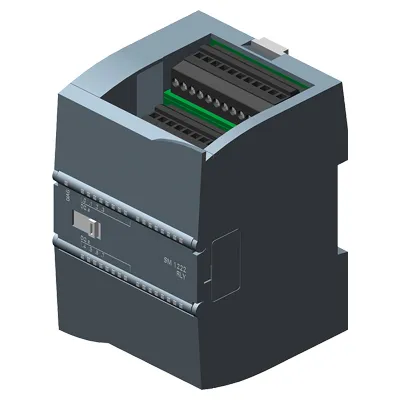
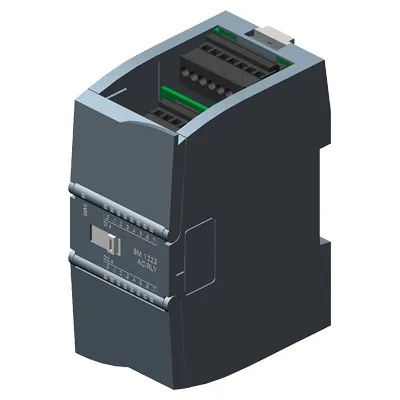
Technical Specifications: Siemens Digital Expansion Modules (SIMATIC S7-1200 Series)
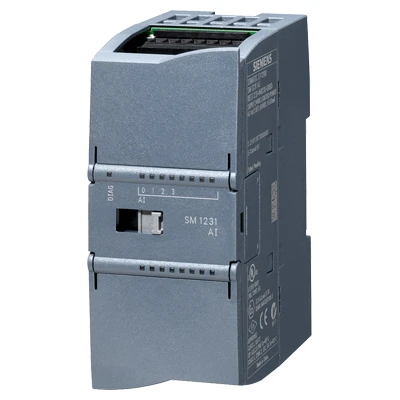
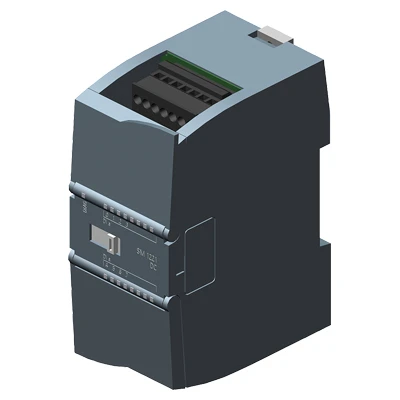
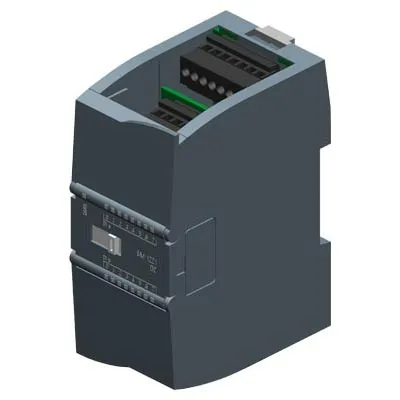
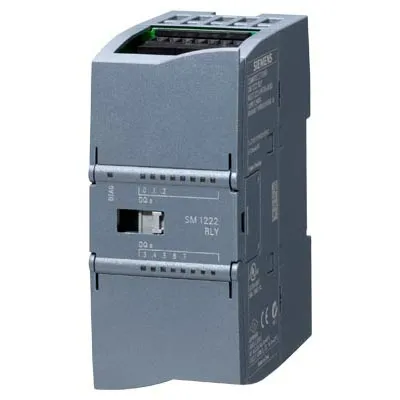
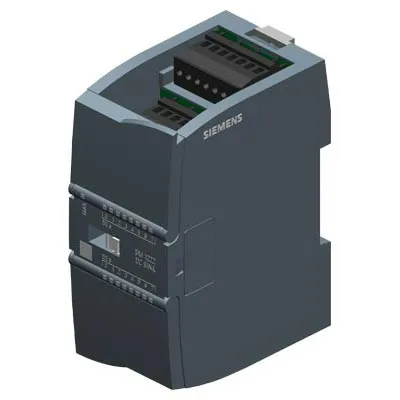
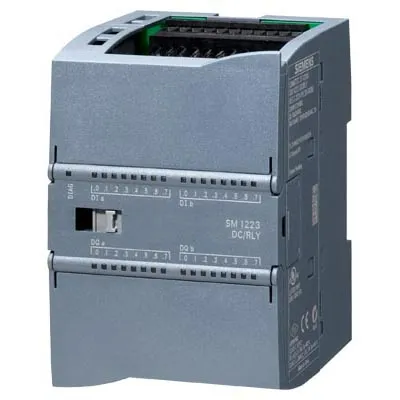
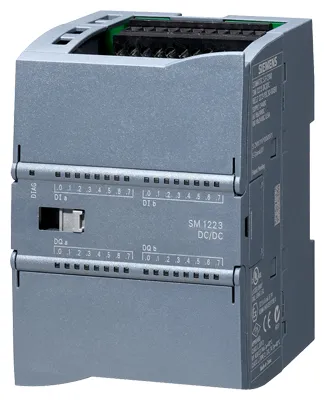
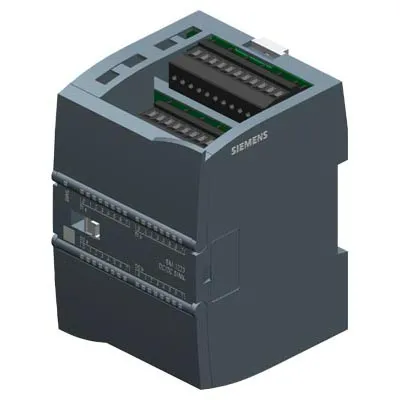
As leading siemens plc suppliers, we emphasize the technical superiority and modularity of Siemens products. The SIMATIC S7-1200 series offers compact and scalable solutions, with various digital expansion modules designed to extend the PLC's I/O capabilities. Below are representative specifications for common Digital Input (DI) and Digital Output (DQ) expansion modules:
Product Specification Table: Siemens SIMATIC S7-1200 Digital Expansion Modules
| Parameter | SM 1221 Digital Input Module (e.g., 6ES7221-1BH32-0XB0) | SM 1222 Digital Output Module (e.g., 6ES7222-1BF32-0XB0) | SM 1223 Digital I/O Module (e.g., 6ES7223-1PL32-0XB0) |
|---|---|---|---|
| Module Type | Digital Input | Digital Output (Relay) | Digital Input/Output (Transistor) |
| Number of Channels | 16 DI | 16 DQ | 16 DI / 16 DQ |
| Input Voltage (Nominal) | 24 V DC | N/A (Output) | 24 V DC (Input) |
| Output Type | N/A (Input) | Relay (Potential-free) | Transistor (Sink/Source) |
| Output Current per Channel | N/A | Max. 2 A (resistive load) | Max. 0.5 A |
| Input Delay (Min/Max) | 0.2 ms / 20 ms | N/A | 0.2 ms / 20 ms (Input) |
| Isolation | Optically isolated | Channel-to-backplane, channel-to-channel (relay) | Optically isolated |
| Power Consumption (Max) | 2 W | 3 W | 4.5 W |
| Dimensions (WxHxD) | 45 x 100 x 75 mm | 45 x 100 x 75 mm | 70 x 100 x 75 mm |
| Operating Temperature | -20°C to +60°C | -20°C to +60°C | -20°C to +60°C |
| Certifications | CE, UL, cULus, ATEX (specific models), FM, RCM, EAC, marine approvals | CE, UL, cULus, ATEX (specific models), FM, RCM, EAC, marine approvals | CE, UL, cULus, ATEX (specific models), FM, RCM, EAC, marine approvals |
Note: Specifications are typical and may vary slightly by specific product version or order number. Always refer to the official Siemens data sheets for precise details.
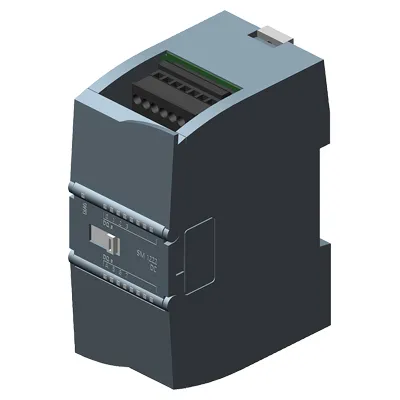
Diverse Application Scenarios and Technical Advantages
The versatility and robustness of Siemens PLCs, readily available through proficient siemens plc suppliers, enable their deployment across an extensive range of industries, delivering significant technical advantages.
Typical Application Scenarios:
- Petrochemical Industry: Siemens PLCs are crucial for precise control in hazardous environments. They manage complex batch reactions, ensure safety interlocks, control distillation columns, and oversee pipeline networks. Their robust design, often with ATEX certifications, guarantees reliable operation where safety and precision are paramount.
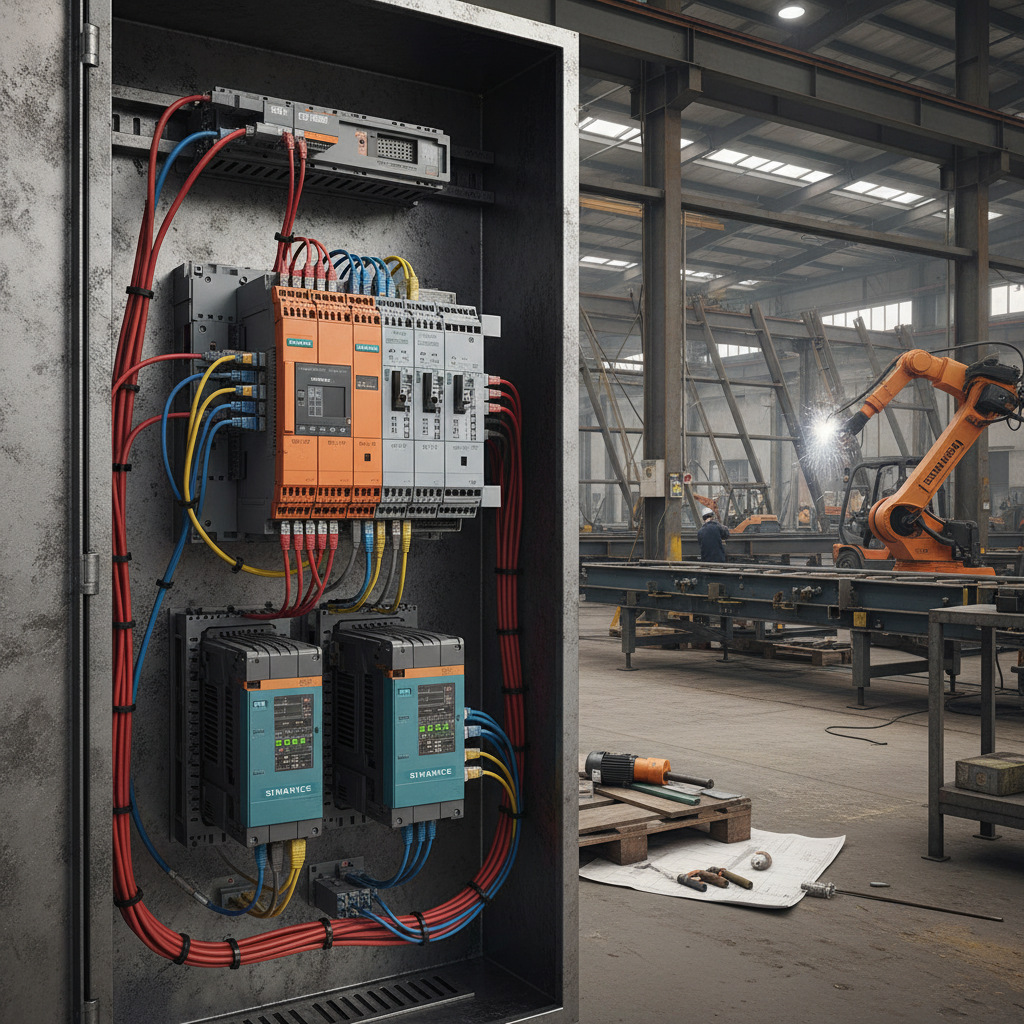
- Metallurgy and Heavy Manufacturing: In steel mills, aluminum smelters, and foundries, PLCs control rolling mills, furnace temperatures, material handling systems, and robotic welding cells. The ability to withstand high temperatures, dust, and vibration, combined with high-speed processing, makes them ideal for these demanding environments.
- Water Supply & Drainage Systems: PLCs automate pump stations, filtration plants, chemical dosing, and sewage treatment processes. Their long service life and corrosion-resistant components ensure reliable operation in wet and chemically aggressive conditions, contributing to energy savings through optimized pump control strategies.
- Food & Beverage: Control of mixing, cooking, bottling, and packaging lines. PLCs ensure hygienic processes, consistent product quality, and rapid changeovers, critical for efficiency and compliance.
- Automotive Manufacturing: From robotic assembly lines to paint shops and quality inspection, Siemens PLCs orchestrate complex production sequences, ensuring high throughput, precision, and flexibility for diverse vehicle models.
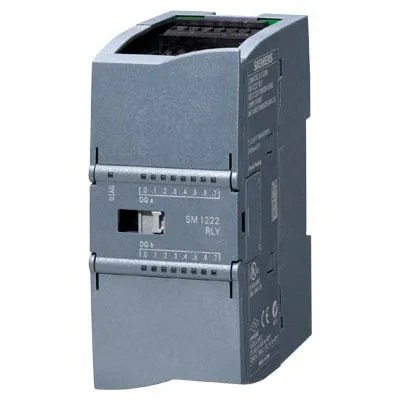
Technical Advantages:
- Modularity and Scalability: Siemens PLCs offer a highly modular architecture, allowing users to expand I/O, communication, and special function modules as requirements evolve without replacing the entire system. This future-proof design significantly reduces long-term investment.
- Integrated Development Environment (TIA Portal): The Totally Integrated Automation (TIA) Portal provides a unified engineering framework for PLCs, HMIs, and drives, streamlining development, diagnostics, and maintenance. This reduces engineering time by up to 30% and offers intuitive programming and simulation tools.
- High Performance and Speed: Modern Siemens PLCs feature powerful processors, high-speed backplanes, and optimized communication protocols (e.g., PROFINET), enabling rapid data processing and deterministic control for critical applications. For instance, the S7-1500 series boasts processing times down to 1 ns per binary instruction.
- Advanced Diagnostics and Reliability: Extensive diagnostic functions are built into the hardware and software, providing detailed error messages and system status information, enabling quick troubleshooting and minimizing downtime. Redundancy options for CPUs and power supplies further enhance system availability.
- Robust Security Features: With integrated security functions like access protection, copy protection, and communication encryption, Siemens PLCs offer comprehensive protection against unauthorized access and manipulation, vital for safeguarding industrial control systems against cyber threats.
- Energy Efficiency: Siemens PLCs and associated components are designed for optimal energy consumption. When integrated with intelligent vfd drive manufacturers solutions, they can significantly reduce energy usage in motor control applications, leading to substantial operational cost savings.
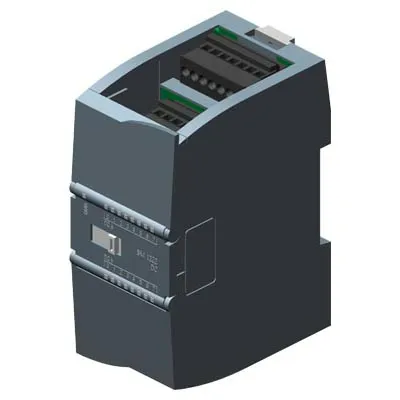
Vendor Comparison: Siemens PLCs vs. Competitors
Choosing the right PLC vendor is a critical decision for any industrial enterprise. While several reputable automation companies exist, Siemens consistently stands out due to its technological advancements, comprehensive ecosystem, and global support. Here's a comparison with other prominent players in the market:
PLC Vendor Comparison Table
| Feature/Vendor | Siemens (SIMATIC) | Rockwell Automation (Allen-Bradley) | Schneider Electric (Modicon) | Mitsubishi Electric (MELSEC) |
|---|---|---|---|---|
| Integrated Ecosystem | Excellent (TIA Portal for PLC, HMI, Drives, Safety) | Very Good (Studio 5000, FactoryTalk View) | Good (EcoStruxure Automation Expert) | Good (iQ Works) |
| Global Presence & Support | Extensive, worldwide service network | Strong, especially in North America | Strong, particularly in Europe | Strong, particularly in Asia |
| Performance & Speed | High-end, very fast processing (S7-1500) | High performance (ControlLogix) | Good performance (M580 ePAC) | Very fast (iQ-R Series) |
| Connectivity & IoT | Excellent (PROFINET, OPC UA, Cloud Connectivity) | Very Good (EtherNet/IP, FactoryTalk) | Good (Modbus TCP/IP, Ethernet) | Good (CC-Link IE Field, Ethernet) |
| Cost (Overall System) | Competitive, excellent TCO due to integration | Often perceived as higher initial cost | Competitive, strong value proposition | Competitive, strong for high-speed tasks |
| Industry Specialization | Process, Factory, Hybrid, Motion Control | Discrete, Batch, Process | Process, Machine Control, Building Automation | Machine Control, Robotics, Semiconductor |
When considering the complete automation solution, including integration with vfd drive manufacturers and other intelligent devices, Siemens offers a cohesive platform that often translates to lower overall engineering and maintenance costs. Our role as siemens plc suppliers is to provide not just components, but integrated solutions that leverage these advantages.
Customized Solutions and Application Case Studies
Beyond standard product offerings, exceptional siemens plc suppliers distinguish themselves through their ability to deliver tailored solutions. We understand that every industrial application has unique requirements, and off-the-shelf components may not always suffice. Our expertise lies in leveraging the flexibility of Siemens platforms to create optimized, customized automation systems.
Customization Expertise:
- System Integration: Seamless integration of Siemens PLCs with existing legacy systems, third-party hardware (e.g., specialized sensors, actuators), and enterprise-level software (MES/ERP).
- Custom Programming & Logic Development: Developing highly optimized PLC programs (Ladder Logic, FBD, SCL) to meet specific control algorithms, safety requirements, and performance KPIs. This often involves intricate motion control, PID loops, or complex state machine programming.
- Hardware Modification & Enclosures: Supplying PLCs and modules within custom-designed industrial enclosures (e.g., explosion-proof, weather-resistant, stainless steel for hygiene) to suit extreme operating environments or space constraints.
- Migration & Upgrade Services: Assisting clients in upgrading older Siemens SIMATIC S5/S7-300/400 systems to the latest S7-1200/1500 generation, ensuring minimal downtime and preserving valuable existing infrastructure.
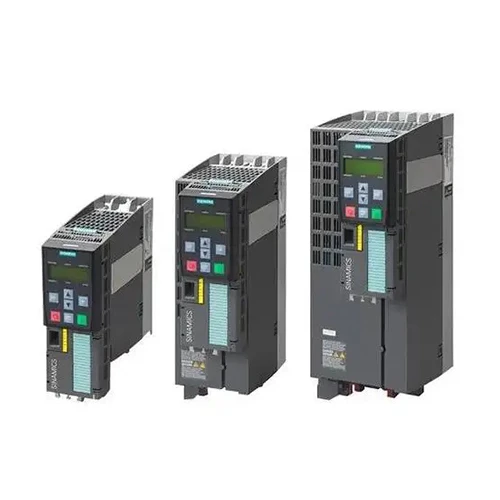
- Optimized VFD Solutions: Integrating Siemens PLCs with advanced vfd suppliers offerings, including Siemens' own SINAMICS drives or compatible third-party VFDs, to provide precise motor control, energy efficiency, and predictive maintenance capabilities for motor-driven applications.
Real-World Application Case Studies:
-
Case Study 1: Large-Scale Municipal Water Treatment Plant
Challenge: An aging control system at a major municipal water treatment plant led to inefficient pump operation, frequent manual interventions, and high energy consumption. Redundancy was also insufficient, posing risks to continuous water supply.
Solution: We implemented a fully redundant Siemens SIMATIC S7-1500 PLC system, integrating it with Siemens SINAMICS G120 VFDs for all major pumps. Custom programming was developed to optimize pump scheduling based on real-time demand and energy tariffs, incorporating advanced PID control for chemical dosing.
Results: The plant achieved a 22% reduction in energy consumption for pumping operations, with maintenance costs dropping by 15% due to improved diagnostics and extended equipment life. Operator efficiency increased by 30%, and system uptime improved to 99.98%. Customer Feedback: "The new Siemens PLC system has revolutionized our operations. The reliability and energy savings are simply outstanding."
-
Case Study 2: Automotive Parts Manufacturing Line
Challenge: A component assembly line faced issues with inconsistent product quality, slow changeover times for different part variants, and lack of real-time production data for OEE analysis.
Solution: We deployed Siemens SIMATIC S7-1200 PLCs with integrated PROFINET communication across the assembly line, connecting to robotic cells, vision systems, and conveyor controls. The TIA Portal was used to develop a flexible production logic that enabled rapid recipe changes and data acquisition for MES integration.
Results: Product defect rates were reduced by 18%, and line changeover times decreased by 40%. Real-time data visibility allowed for immediate performance monitoring and optimization, boosting overall equipment effectiveness (OEE) by 10%. Customer Feedback: "The flexibility of the Siemens system has significantly improved our ability to respond to market demands. Data insights are now a game-changer for us."
Ensuring Trust and Authority: Our Commitment to Standards
Authoritativeness and Certifications:
As a trusted provider, we uphold the highest industry standards. All Siemens products we supply, including the Digital Expansion Module, are backed by rigorous certifications. These include ISO 9001 (Quality Management), CE (European Conformity), UL (Underwriters Laboratories) for safety, and often specific industry certifications such as ATEX for hazardous environments and various marine approvals (e.g., ABS, BV, DNV GL). Our long-standing partnerships with leading industrial enterprises across petrochemical, metallurgy, and water treatment sectors attest to our proven track record and expertise. We strictly adhere to and leverage authoritative references like IEC 61131 standards for PLCs, ensuring every solution meets global benchmarks for performance and safety.
Trustworthiness: FAQ, Lead Time, Warranty & Support
Frequently Asked Questions (FAQ)
-
Q: What is the typical lead time for Siemens PLC components?
A: Lead times vary based on product availability and order volume. For standard modules, typical lead times range from 2-4 weeks. For specialized or high-demand items, it can be 6-12 weeks. We recommend contacting us for the most accurate current lead time. -
Q: Do Siemens PLCs seamlessly integrate with third-party VFDs and other devices?
A: Yes, Siemens PLCs are designed for open communication. While optimal integration is achieved within the Siemens ecosystem (e.g., SINAMICS drives from leading vfd suppliers), they support standard protocols like PROFINET, PROFIBUS, Modbus TCP/IP, and OPC UA, allowing for broad compatibility with various third-party vfd drive manufacturers and field devices. -
Q: What warranty is offered on Digital Expansion Modules and other Siemens PLC products?
A: Most new Siemens industrial automation products come with a standard 12-month manufacturer's warranty, covering defects in materials and workmanship from the date of purchase. Extended warranty options and service contracts are also available for critical applications. -
Q: What kind of customer support can we expect after purchase?
A: We provide comprehensive after-sales support including technical assistance, troubleshooting, spare parts availability, and access to Siemens' global support network. Our team of certified engineers offers product training, system commissioning support, and maintenance services to ensure optimal performance and longevity of your automation investment.
Fulfillment Details:
We maintain strategic inventory levels of commonly used Siemens PLC components to facilitate rapid fulfillment. Our logistics network is optimized for timely and secure delivery globally, ensuring that your projects stay on schedule. For urgent requirements, expedited shipping options are available.
Conclusion: Partnering for Automation Excellence
The selection of robust, reliable, and technologically advanced PLCs is foundational to achieving operational excellence in modern industrial environments. Siemens PLCs, backed by a network of expert siemens plc suppliers, offer unparalleled performance, versatility, and an integrated ecosystem that drives efficiency and innovation. From the meticulous manufacturing process of each digital expansion module to the comprehensive support and customization options, Siemens' commitment to quality and forward-thinking solutions ensures that businesses can meet the challenges of Industry 4.0 head-on. By partnering with a knowledgeable supplier, industries can unlock the full potential of Siemens automation technology, ensuring long-term reliability, enhanced productivity, and sustainable growth.
References
- Siemens AG. (2023). SIMATIC S7-1200 System Manual. Siemens Industry Online Support.
- International Electrotechnical Commission. (2013). IEC 61131-3: Programmable controllers - Part 3: Programming languages.
- Manufacturing Execution Systems Association (MESA International). (2020). MES and Industry 4.0: Achieving Smart Manufacturing.
- Institute of Electrical and Electronics Engineers (IEEE). (2019). The Role of Programmable Logic Controllers in Modern Industrial Automation. IEEE Transactions on Industrial Electronics.
- Vanderbilt, J. (2021). Industrial Control Systems: Architecture, Components, and Cyber Security. CRC Press.