Comprehensive Guide to 3 Phase Motor and VFD: Benefits, Applications, and Trends
Understanding 3 Phase Motor and VFD: Powering the Future of Industry
If you’ve ever wondered how industries keep massive machinery running smoothly or how energy efficiency is boosted in heavy-duty applications, the combination of 3 phase motor and VFD is where you want to start looking. These two technologies form a powerful duo that’s quietly revolutionizing manufacturing floors, water treatment plants, HVAC systems, and even renewable energy projects around the world. But why do they matter globally? Well, think about the sheer amount of electrical energy consumed by industrial motors — it’s enormous. By integrating variable frequency drives (VFDs) with three-phase motors, industries can save energy, reduce costs, and operate more reliably. Understanding this pairing isn’t just technical curiosity; it’s key for sustainable progress.
Introduction: The Global Context of 3 Phase Motor and VFD
Globally, electric motors consume nearly half of all industrial electricity usage, according to reliable sources like Wikipedia. Since many of these motors are three-phase induction types, combining them with variable frequency drives offers a practical way to optimize energy consumption and control. The International Energy Agency (IEA) estimates that implementing VFDs on three-phase motors could reduce energy use in manufacturing sectors by up to 30%. That’s huge — especially when you consider industrial energy costs often make or break profitability and sustainability efforts. Yet, many factories still run motors at full speed regardless of actual demand, leading to needless waste.
The challenge? Retrofitting old systems isn’t always straightforward, and understanding the interaction between 3 phase motors and their VFD controls can feel daunting without proper guidance.
Definition & Meaning: What Exactly Are 3 Phase Motor and VFD?
To keep things simple, a 3 phase motor is an electric motor powered by three alternating current (AC) supply lines, which deliver a smooth and consistent rotational force — making it ideal for heavy loads and continuous operation. You’ll often find these in pumps, conveyor belts, compressors, or even electric vehicles.
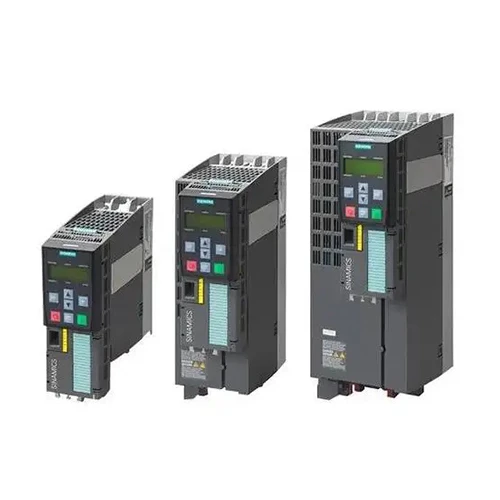
A VFD (Variable Frequency Drive) is an electronic system that controls the motor’s speed by adjusting the frequency and voltage of its power supply. By tweaking these parameters, VFDs allow motors to run only as fast as needed — no more, no less.
Together, they enable industries to shift from thinking “motor runs at constant speed” to “motor runs at optimal speed,” which is crucial for modern automation, energy efficiency, and responsive process control.
Key Components That Make 3 Phase Motor and VFD Work
1. Durability
Three-phase motors used with VFDs must withstand varying operational speeds and loads without overheating or mechanical strain, so high-quality materials and smart design are essential.
2. Scalability
From small pumps in building ventilation to huge motors in steel mills, the combination scales well, allowing businesses of any size to adopt variable frequency control.
3. Cost Efficiency
Though initial VFD installation may seem pricey, the long-term energy savings and reduced maintenance costs often justify the investment quickly.
4. Control Flexibility
VFDs provide precise speed and torque control, essential for processes that demand accuracy—say, in pharmaceuticals or food processing industries.
5. Energy Savings
By cutting down motor speed during low-demand phases, VFDs dramatically reduce electricity consumption, lowering carbon footprints and utility bills.
6. Integration with Automation Systems
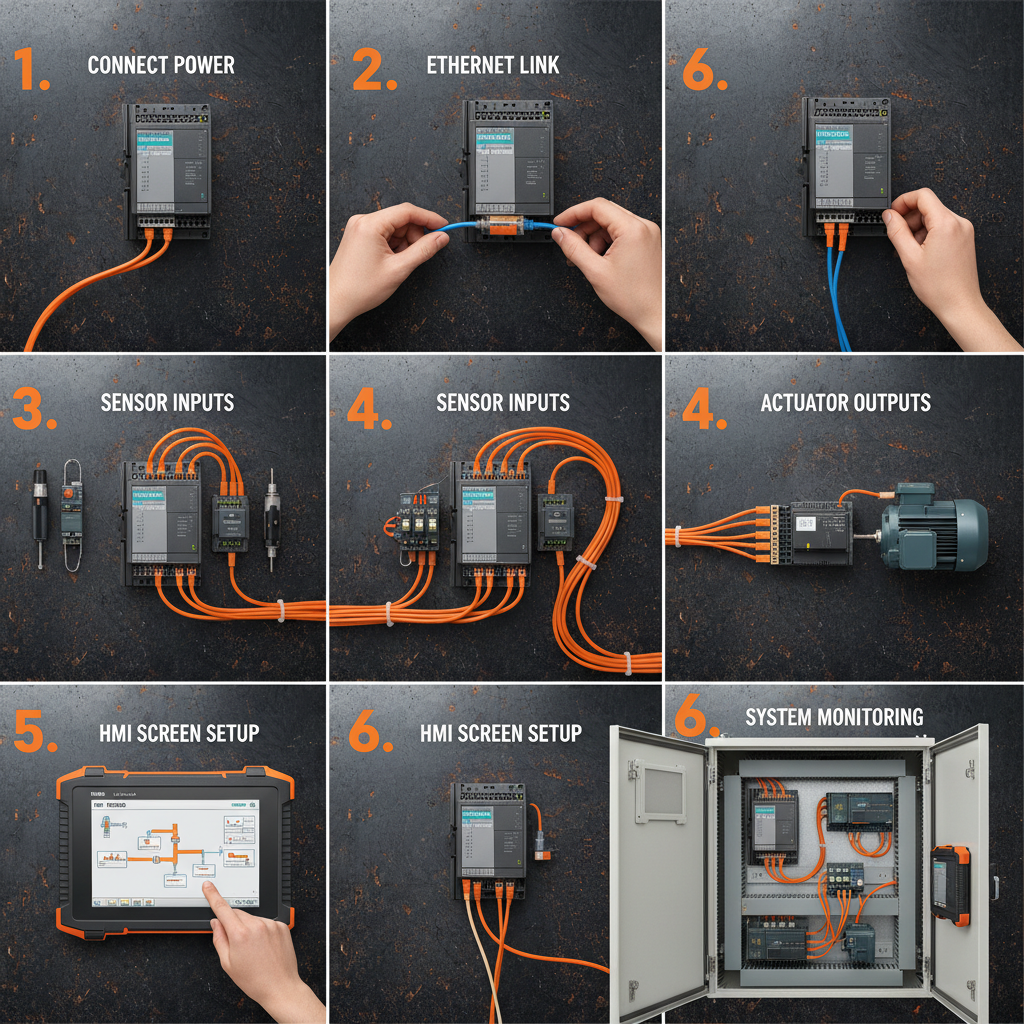
Modern VFDs can be networked for real-time monitoring and control, matching Industry 4.0 and smart factory standards.
Mini takeaway
Combining 3 phase motors with VFDs unlocks flexibility, efficiency, and control, indispensable for modern industrial operations.
Global Applications & Real-World Use Cases
Industries across continents rely on this technology. In North America and Europe, sectors like aerospace manufacturing and wastewater treatment leverage 3 phase motor and VFD setups for reliability and precision. In Asia’s rapidly industrializing regions, where energy costs escalate, VFDs help save millions annually by trimming electricity spikes.
In humanitarian engineering, mobile water purification units powered by 3 phase motors and VFDs provide smooth, adaptable flow rates crucial in emergency relief zones. Oddly enough, even in remote mining sites in Africa or South America, these technology pairings improve uptime and reduce costly downtime.
For example, Mitsubishi Electric’s industrial motors paired with their Variable Frequency Drives have been extensively employed in smart building HVAC systems in Japan, demonstrating how climate control can become both precise and energy efficient.
Advantages & Long-Term Value of 3 Phase Motor and VFD Integration
- Cost Savings: Decreasing energy consumption by up to 30% translates into significant dollars saved over time.
- Sustainability: Lower power consumption means fewer greenhouse gas emissions, aligning with global environmental goals.
- Reliability: VFDs protect motors from mechanical stress by enabling soft start/stop, extending equipment lifespan.
- Process Control: Enhanced responsiveness improves product quality and reduces material waste.
- Safety and Trust: Because systems are smarter and more predictable, operators can work more confidently.
Future Trends & Innovations
The future looks bright and a bit digital. Integration of IoT sensors with VFDs is becoming standard, enabling predictive maintenance rather than reactive fixes. New semiconductor materials like silicon carbide (SiC) promise VFDs that are smaller, cooler, and more efficient. Green energy applications—solar-powered motor systems controlled via VFDs—are also emerging rapidly. As global standards tighten, vendors are building drives that comply with ISO 50001 for energy management, which could become industry benchmarks.
Challenges & Solutions to Successful Adoption
The main hurdles? High upfront costs, compatibility with legacy motors, and knowledge gaps in system integration. But, many companies now offer plug-and-play VFDs, training programs, and retrofit kits that simplify transitions. Partnering with experienced vendors often proves invaluable — because frankly, it’s easy to get overwhelmed by technical jargon otherwise.
Product Specification Example
| Specification | Typical Value |
|---|---|
| Motor Power | 0.75 to 500 kW |
| Voltage Rating | 380 V – 690 V AC |
| VFD Frequency Range | 0.1 to 400 Hz |
| Efficiency | Up to IE4 Premium Efficiency |
| Communication Protocols | Modbus, Profibus, Ethernet/IP |
Vendor Comparison Table
| Vendor | Product Range (kW) | Efficiency Level | Warranty | Integration Support |
|---|---|---|---|---|
| Mitsubishi Electric | 0.75 – 500 | IE4 Premium | 3 Years | Extensive (IoT Ready) |
| Siemens | 1 – 400 | IE3/IE4 | 2 Years | Good (Industry 4.0) |
| ABB | 0.75 – 500+ | IE4 | 3 Years | Excellent (Smart Solutions) |
Frequently Asked Questions About 3 Phase Motor and VFD
What is the primary benefit of using a VFD with a 3 phase motor?
The main advantage is energy efficiency. VFDs let you adjust motor speed and torque to match actual process needs, preventing wasted electricity and reducing costs in the long run.
Can VFDs be retrofitted on existing 3 phase motors?
Yes, in many cases VFDs can be added to existing motors without replacing them, though it depends on motor condition and compatibility. Consulting with a technical expert is advised.
How does a 3 phase motor and VFD combo improve equipment longevity?
Because VFDs enable soft starts and controlled acceleration rates, they reduce mechanical stress on the motor and associated machinery, which extends the operational life and lowers maintenance frequency.
Are there specific industries where 3 phase motor and VFD are especially beneficial?
Absolutely. Industries such as HVAC, water treatment, mining, and automated manufacturing rely heavily on this combo for precision control and energy savings.
What should I look for when choosing a VFD for a 3 phase motor?
Consider the motor size, required frequency range, communication protocols, and ease of integration with your automation system. Vendor support and warranty are also important factors.
Conclusion & Call to Action
The integration of 3 phase motor and VFD presents industrial sectors with unmatched energy efficiency, operational flexibility, and sustainability potential. Investing time and resources in understanding and adopting this technology can reap financial and environmental dividends for years to come. If you’re interested in exploring tailored solutions, or just want to dive deeper into how these systems can power your operation smarter and greener, visit our website: https://www.tianjinyongkai.com.
In real terms, this technology isn’t just about machinery. It’s about building industries—and a world—that run smarter, cleaner, and more reliably.