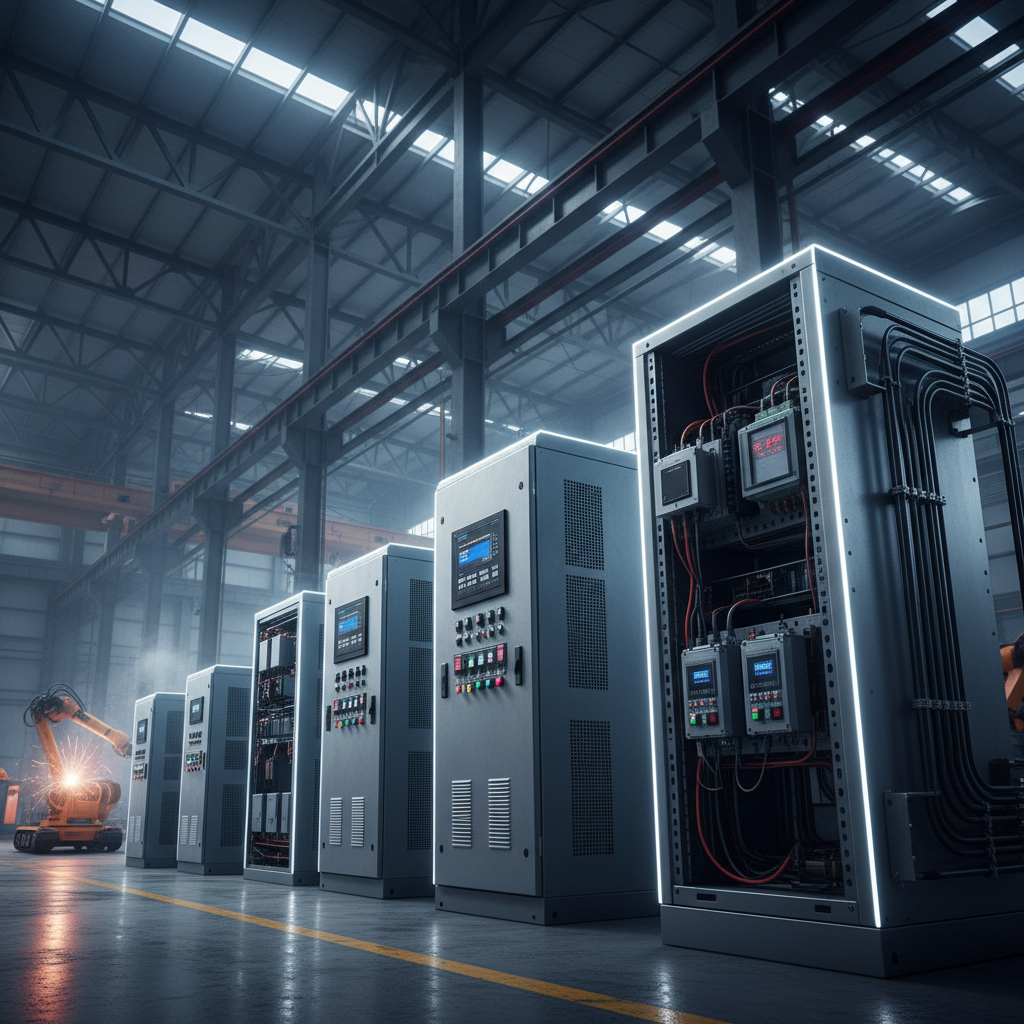
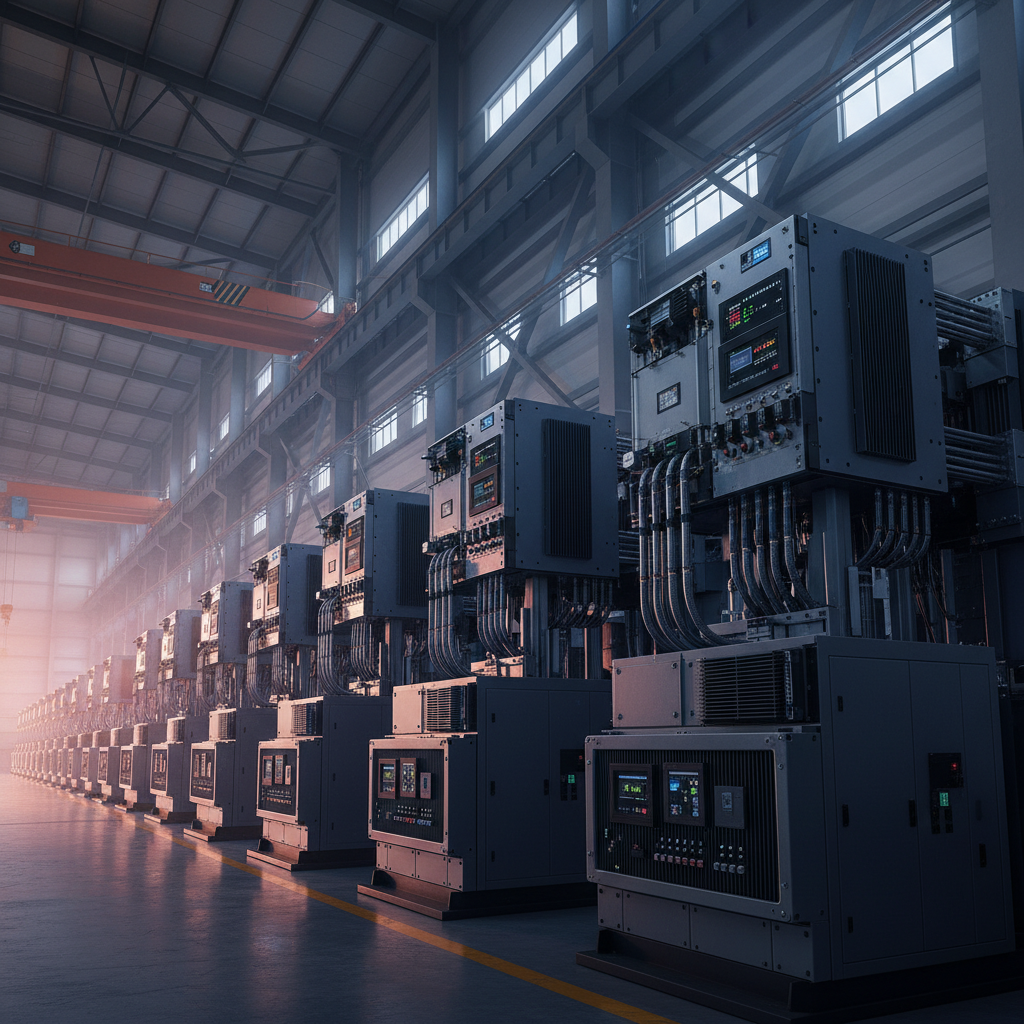
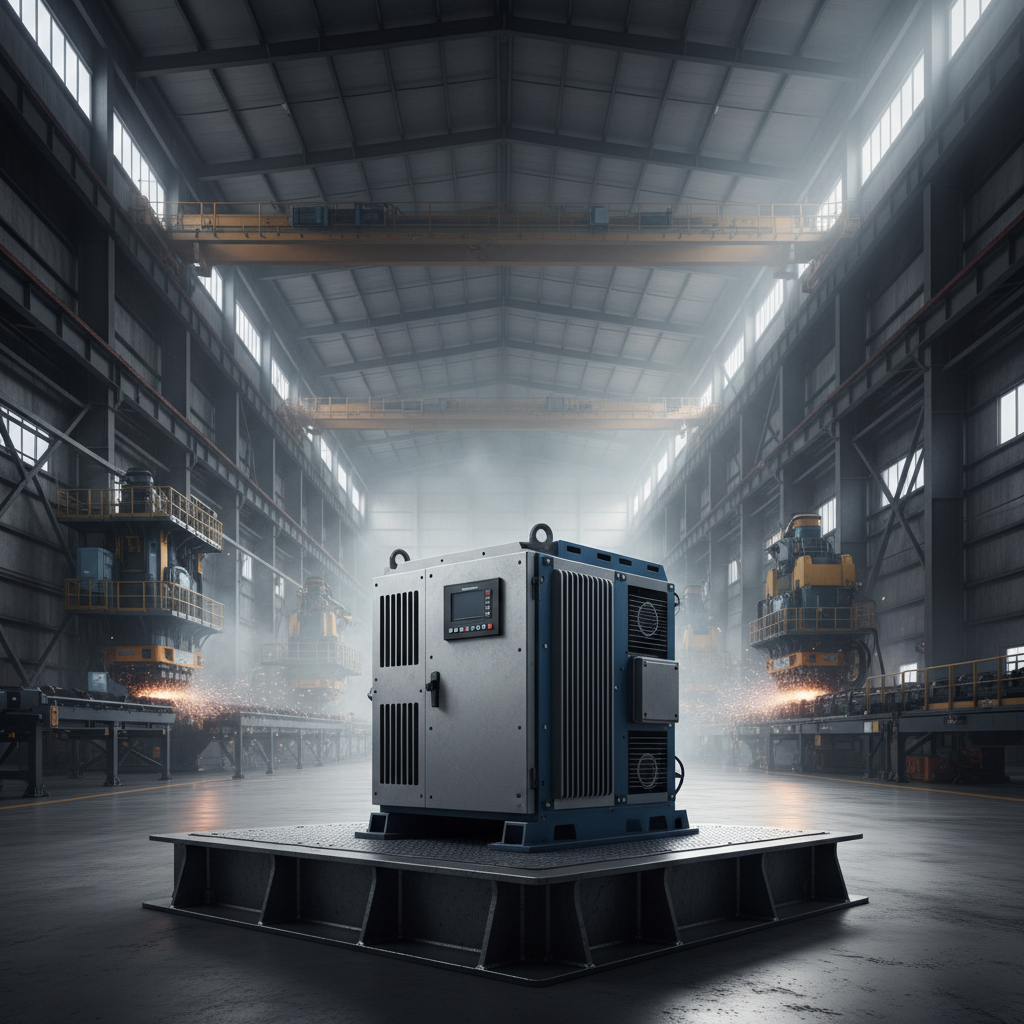
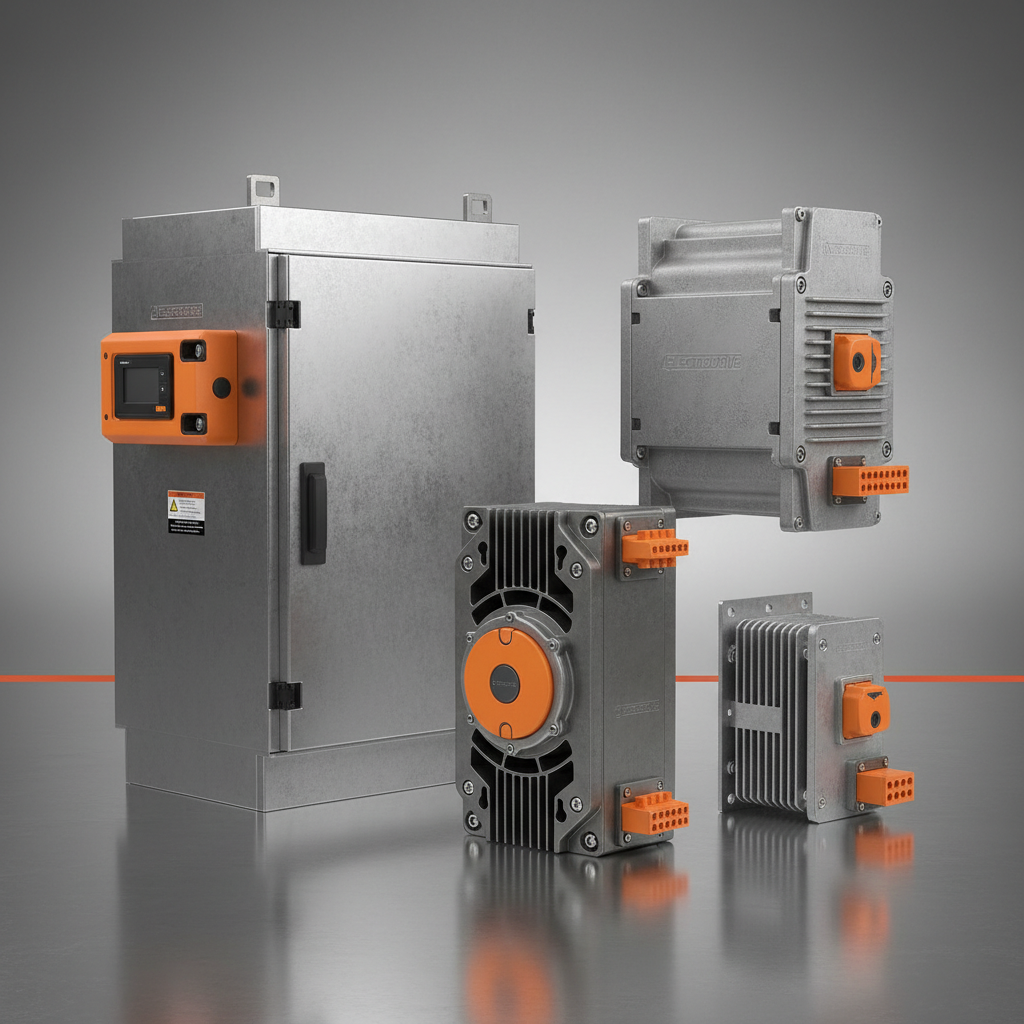
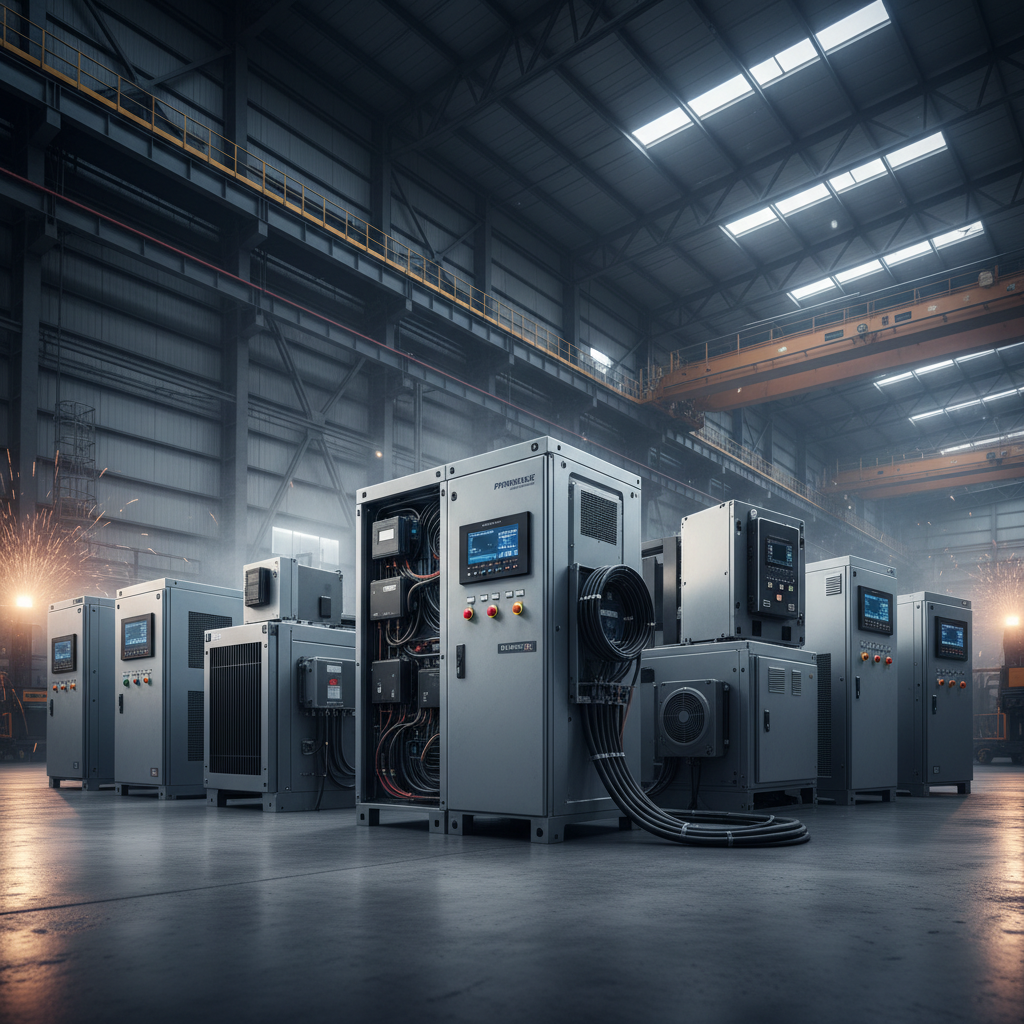
Variable Frequency Drives (VFDs), also known as Adjustable Speed Drives (ASDs), are revolutionizing industrial processes globally. These devices control the speed of an electric motor by varying the frequency and voltage supplied to it. The increasing demand for energy efficiency, process optimization, and automation is fueling the widespread adoption of types of variable frequency drives across diverse sectors. Understanding the different types available is crucial for selecting the best solution for specific application needs.
The global market for VFDs is substantial and continues to grow. According to recent reports, the global variable frequency drive market size was valued at USD 28.9 billion in 2023 and is projected to reach USD 41.2 billion by 2030, growing at a CAGR of 5.2% from 2024 to 2030 (Source: Grand View Research). This growth is driven by stricter energy efficiency regulations, increasing automation in manufacturing, and the expanding use of VFDs in water and wastewater treatment.
A significant challenge industries face is reducing energy consumption and operational costs while maintaining production efficiency. Types of variable frequency drives provide a key solution to this problem, offering precise motor control, reduced energy waste, and enhanced process reliability. They are pivotal in meeting sustainability goals and optimizing resource utilization.
Introduction to Types of Variable Frequency Drives
Variable Frequency Drives aren’t a one-size-fits-all solution. The diversity of industrial applications necessitates a range of different types of variable frequency drives. These can broadly be categorized by their technology, voltage levels, and application focus. Understanding these distinctions is vital for effective implementation.
From scalar VFDs to vector drives and direct torque control (DTC) systems, each type offers unique capabilities and performance characteristics. Selecting the appropriate VFD ensures optimal motor control, improved efficiency, and extended equipment lifespan, ultimately contributing to significant cost savings and enhanced operational reliability.
Core Components and Functionality
At the heart of every VFD is a rectifier, which converts incoming AC power to DC power. This DC power is then converted back to AC power with a variable frequency and voltage by an inverter. The control circuit, often utilizing microprocessors and sophisticated algorithms, governs this process, allowing for precise motor speed and torque control. The braking resistor is a crucial component for absorbing excess energy generated during deceleration, preventing damage to the VFD and motor.
The functionality of a VFD extends beyond simple speed control. Features such as programmable acceleration and deceleration rates, adjustable voltage/frequency ratios (V/f curves), and built-in protection mechanisms (overload, overvoltage, short circuit) enhance performance and safeguard the motor and connected equipment. Modern VFDs often incorporate communication protocols like Modbus and Ethernet/IP for seamless integration into industrial automation systems.
Different types of variable frequency drives prioritize different aspects of this core functionality. For example, vector drives focus on precise torque control, while scalar drives offer simpler and more cost-effective solutions for less demanding applications.
Key Factors Influencing VFD Selection
Several key factors determine the ideal VFD for a specific application. Motor horsepower and voltage requirements are primary considerations. The type of load (constant torque, variable torque, constant power) significantly impacts the required VFD capabilities. For example, pumps and fans typically fall under variable torque loads, whereas conveyors and extruders require constant torque.
Environmental conditions, such as temperature, humidity, and the presence of dust or corrosive substances, must also be taken into account. NEMA enclosure ratings provide a standardized measure of protection against these elements. Additionally, the required level of control precision, energy efficiency targets, and the need for communication capabilities all play a crucial role in the selection process.
The cost of the VFD, including installation and maintenance, is a critical factor. However, focusing solely on upfront costs can be shortsighted. A higher-quality VFD may have a higher initial cost but can deliver significant long-term savings through improved efficiency, reduced downtime, and extended equipment lifespan. Choosing the correct types of variable frequency drives is therefore a balance between initial investment and long-term return.
Global Applications of Variable Frequency Drives
The applications of VFDs are incredibly diverse, spanning numerous industries and geographical regions. In manufacturing, VFDs control the speed of conveyor systems, pumps, fans, and compressors, optimizing production processes and reducing energy consumption. Water and wastewater treatment plants rely heavily on VFDs to control pumps and blowers, improving efficiency and ensuring stable operation.
The oil and gas industry utilizes VFDs in pump and compressor applications, enhancing process control and minimizing energy waste. In the HVAC sector, VFDs control fan and pump speeds in ventilation and air conditioning systems, contributing to energy savings and improved indoor air quality. Across regions like North America, Europe, and Asia-Pacific, the demand for VFDs is consistently rising.
In post-disaster relief operations, portable VFDs can be deployed to quickly restore power to critical infrastructure. In remote industrial zones, they enable precise control of essential equipment, minimizing downtime and maximizing productivity. The versatility of different types of variable frequency drives make them essential components in modern industrial automation.
VFD Performance Comparison by Type
Advantages and Long-Term Value Proposition
The benefits of implementing VFDs are substantial and multifaceted. Cost savings through reduced energy consumption are a primary driver. VFDs enable motors to operate at optimal speeds, matching the actual demand, rather than running at full speed constantly. This reduces energy waste and lowers electricity bills.
Beyond cost savings, VFDs enhance process control, improve product quality, and extend equipment lifespan. Reduced mechanical stress on motors and connected equipment leads to less downtime and lower maintenance costs. The inherent safety features of VFDs, such as overload protection, contribute to a safer working environment. The selection of the right types of variable frequency drives impacts all these advantages.
Future Trends in VFD Technology
The future of VFD technology is centered around increased efficiency, intelligence, and connectivity. Silicon Carbide (SiC) and Gallium Nitride (GaN) power semiconductors are gaining prominence, offering higher switching frequencies and lower losses, resulting in more efficient and compact VFD designs. Predictive maintenance capabilities, enabled by advanced sensors and data analytics, will further reduce downtime and optimize performance.
Integration with Industrial Internet of Things (IIoT) platforms is becoming increasingly common, allowing for remote monitoring, control, and data analysis. This enables proactive maintenance, optimized energy management, and improved overall system efficiency. Further developments in AI and machine learning algorithms are expected to enhance the capabilities of VFDs, enabling even more sophisticated control strategies.
Challenges and Innovative Solutions
Despite their many benefits, VFDs can present certain challenges. Harmonic distortion, generated by the switching action of the inverter, can negatively impact power quality and potentially damage sensitive equipment. Line reactors and harmonic filters are commonly used to mitigate this issue.
Another challenge is electromagnetic interference (EMI), which can disrupt the operation of nearby electronic devices. Proper shielding and grounding techniques are essential to minimize EMI. Furthermore, the complexity of VFD systems can require specialized training for installation, commissioning, and maintenance.
Innovative solutions, such as active front-end (AFE) rectifiers, offer improved power factor correction and reduced harmonic distortion. Regenerative VFDs capture and reuse energy during deceleration, further enhancing efficiency and reducing energy costs. Advancements in software and diagnostic tools simplify troubleshooting and maintenance, reducing downtime and improving overall system reliability.
Summary of Key VFD Challenges and Solutions
| Challenge |
Impact |
Solution |
Implementation Complexity |
| Harmonic Distortion |
Power quality issues, equipment damage |
Line reactors, harmonic filters, AFE rectifiers |
Medium |
| Electromagnetic Interference (EMI) |
Disruption of nearby electronics |
Shielding, grounding, filtering |
Low |
| Maintenance Complexity |
Requires specialized training |
Advanced diagnostic tools, remote monitoring |
Medium |
| High Initial Cost |
Budgetary constraints |
Life cycle cost analysis, phased implementation |
Low |
| Voltage Fluctuations |
Motor performance instability |
Dynamic V/f control, vector control |
Medium |
| Cooling Requirements |
Overheating and component failure |
Forced air cooling, liquid cooling |
High |
FAQS
Scalar VFDs, also known as voltage/frequency drives, are simpler and less expensive, controlling motor speed by varying the voltage and frequency proportionally. They are suitable for applications with constant torque loads like fans and pumps. Vector VFDs, on the other hand, offer precise torque control, making them ideal for applications requiring accurate speed regulation and dynamic performance, such as conveyors and cranes. They achieve this by controlling both the magnitude and orientation of the voltage.
VFDs improve energy efficiency by allowing motors to operate at optimal speeds, matching the actual load requirements. Instead of running at full speed constantly, VFDs adjust the motor speed, reducing energy waste. This is particularly effective for variable torque loads where power consumption is proportional to the cube of the speed. Furthermore, regenerative VFDs can capture and reuse energy during deceleration, further increasing efficiency.
Common issues include harmonic distortion, EMI, and overheating. Harmonic distortion can be mitigated using line reactors or harmonic filters. EMI can be reduced with proper shielding and grounding. Overheating can be prevented by ensuring adequate cooling, such as forced air or liquid cooling. Regular maintenance and monitoring are also crucial for identifying and addressing potential problems.
The braking resistor is a crucial component for absorbing excess energy generated during motor deceleration. When a motor is decelerated rapidly, it acts as a generator, producing energy that needs to be dissipated. Without a braking resistor, this energy can damage the VFD or cause overvoltage conditions. The braking resistor converts this energy into heat, safely dissipating it and protecting the system.
Common communication protocols include Modbus, Ethernet/IP, Profibus, and Profinet. These protocols allow VFDs to be integrated into industrial automation systems, enabling remote monitoring, control, and data exchange. Ethernet/IP and Profinet are particularly popular for high-speed communication and advanced control applications.
Determining the appropriate VFD size involves considering the motor's horsepower, voltage, and current requirements, as well as the type of load. The VFD must be rated to handle the motor's full load current and voltage. It's also important to consider potential overload conditions and select a VFD with sufficient capacity to handle them. Consult with a VFD specialist for accurate sizing.
Conclusion
In conclusion, types of variable frequency drives are essential components in modern industrial automation. Understanding the different types, their core functionalities, and their application-specific advantages is crucial for optimizing performance, reducing energy consumption, and enhancing overall system reliability. From scalar drives to vector drives and beyond, the right VFD solution can unlock significant benefits for businesses across diverse sectors.
Looking ahead, advancements in semiconductor technology, connectivity, and data analytics will continue to drive innovation in VFD technology. Embracing these advancements will be key to unlocking even greater efficiency, intelligence, and sustainability in industrial processes. Visit our website at www.tianjinyongkai.com to explore our wide range of VFD solutions and discover how we can help you optimize your operations.