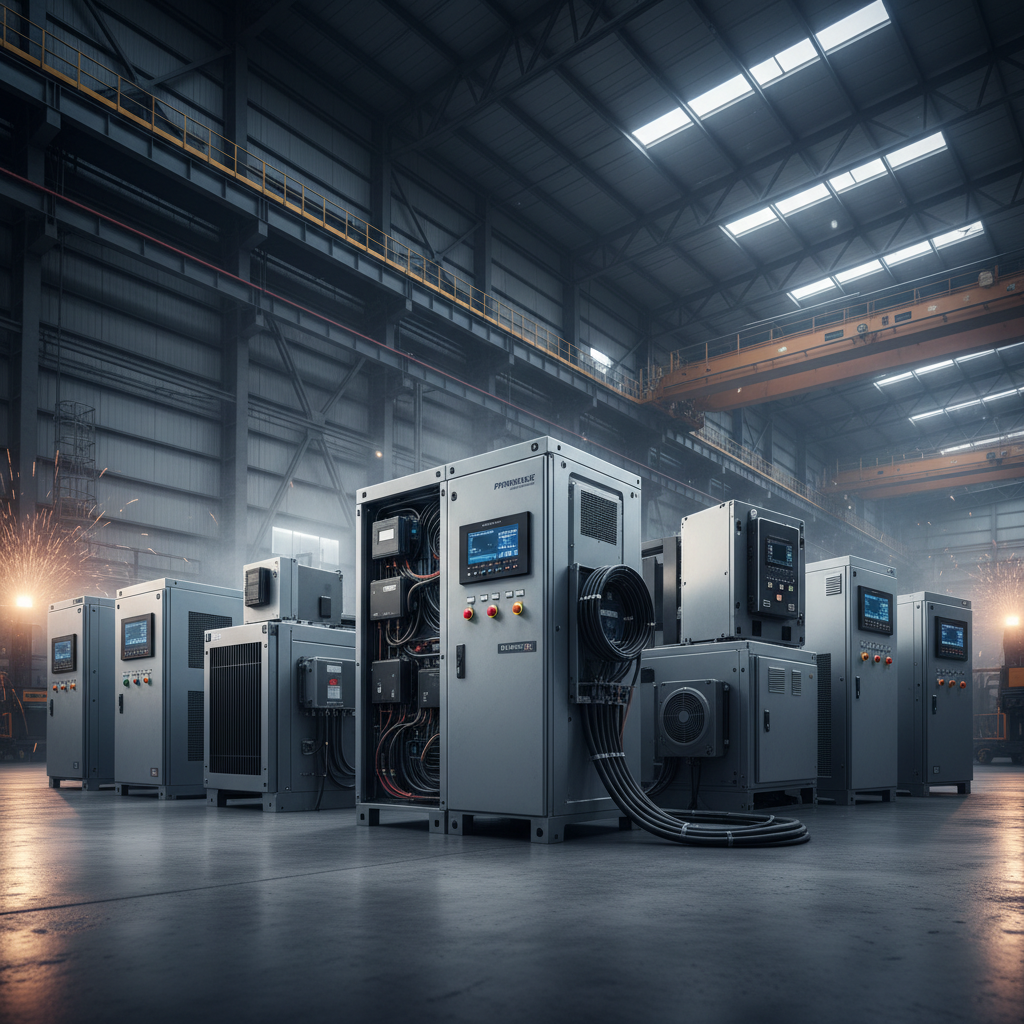
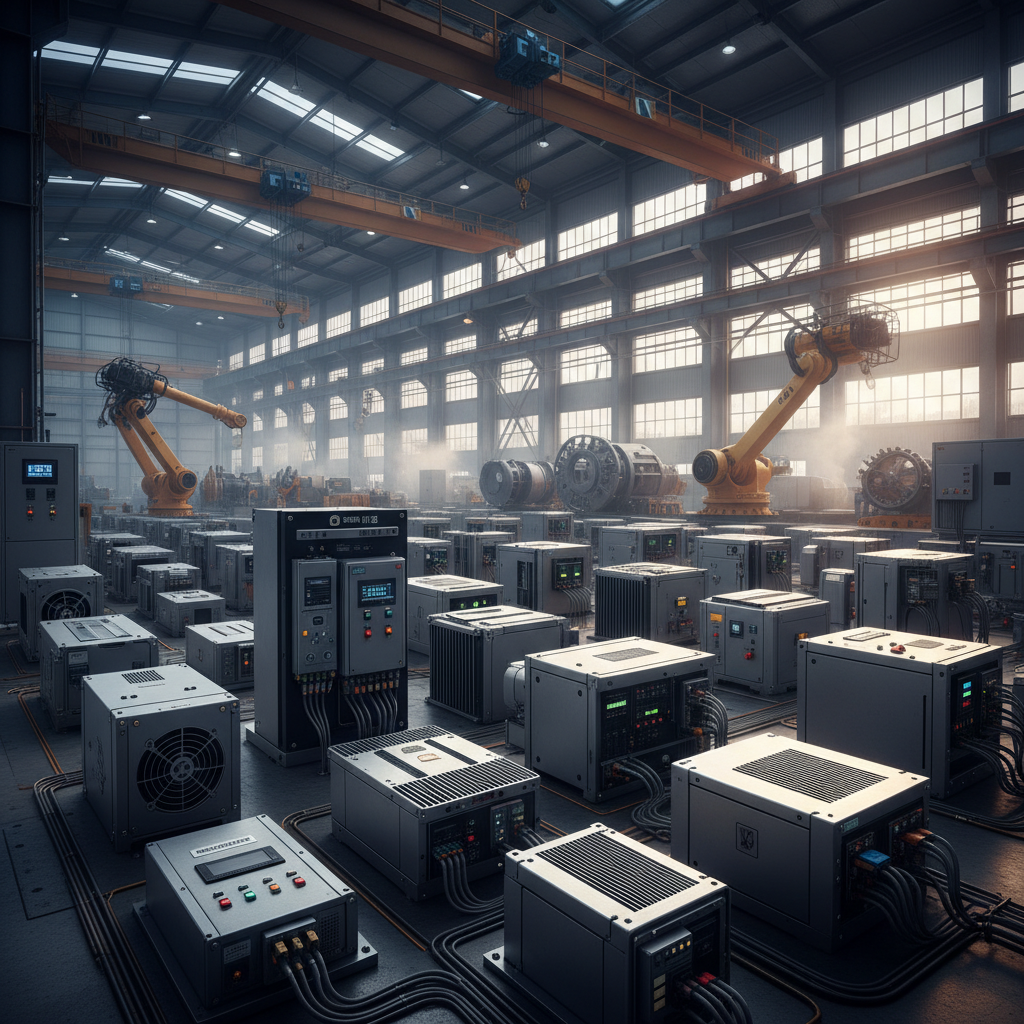
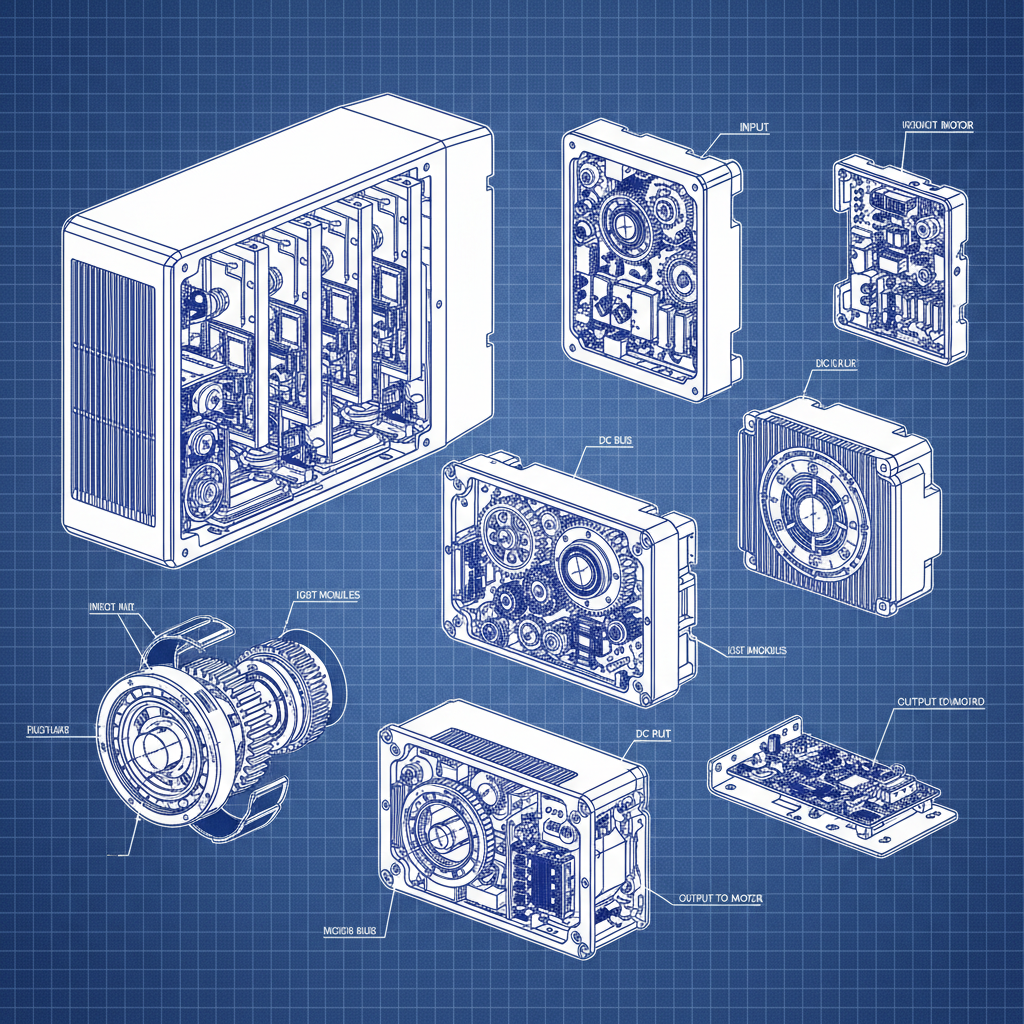
Variable Frequency Drives (VFDs), also known as adjustable-speed drives, are becoming increasingly vital across a multitude of industries globally. Understanding the different types of VFD available in the market is crucial for optimizing processes, reducing energy consumption, and enhancing equipment longevity. This knowledge empowers businesses to make informed decisions regarding motor control, contributing to greater efficiency and sustainability.
The global demand for VFDs is driven by factors like stringent energy efficiency regulations, increasing automation in manufacturing, and the growth of renewable energy sources. According to industry reports, the VFD market is projected to reach substantial growth in the coming years, indicating a widespread adoption of this technology. The United Nations Sustainable Development Goals also encourage energy conservation, further boosting the need for efficient motor control solutions.
Essentially, VFDs control the speed of an AC electric motor by varying the frequency and voltage supplied to the motor. This differs significantly from traditional methods of speed control, which often involved mechanical adjustments or energy-wasting resistance. The ability to precisely control motor speed is critical in applications ranging from simple pumps and fans to complex industrial processes and sophisticated robotics.
Introduction to types of vfd available in the market
The landscape of motor control is rapidly evolving, and understanding the types of VFD available in the market is paramount for engineers, facility managers, and anyone involved in industrial automation. These drives are no longer simply speed control devices; they are integral components of modern, energy-efficient systems.
A diverse range of VFD technologies are available, each catering to specific application requirements and operating environments. From basic scalar VFDs to sophisticated vector drives and direct torque control (DTC) systems, the choice can be complex. Selecting the appropriate VFD involves careful consideration of factors such as motor type, load characteristics, and performance expectations.
Defining Variable Frequency Drives
A Variable Frequency Drive (VFD) is an electronic device used to control the speed of an AC (Alternating Current) motor. Unlike traditional motor control methods, VFDs achieve this by varying the frequency and voltage supplied to the motor. This allows for precise and efficient speed control, optimized for the specific demands of the application.
The core function of a VFD is to convert fixed-frequency, fixed-voltage AC power into variable-frequency, variable-voltage AC power. This conversion is typically accomplished through a rectifier, a DC link (capacitor bank), and an inverter. The inverter section then synthesizes a new AC waveform with the desired frequency and voltage.
This technology is deeply connected to modern industrial needs, playing a key role in automation, energy conservation, and process optimization. Industries like manufacturing, oil & gas, water treatment, and HVAC rely on VFDs to improve efficiency and reduce operational costs.
Core Components and Characteristics
Several key factors define the performance and suitability of different types of VFD available in the market. One critical aspect is the drive’s control method. Scalar VFDs, the simplest type, control voltage and frequency proportionally. Vector VFDs offer more precise control by managing both voltage and frequency, as well as the phase relationship between them, resulting in improved torque and speed regulation.
Another important factor is the drive’s power rating, which must be appropriately sized for the motor and load. Over-sizing leads to inefficiency, while under-sizing can cause overheating and damage. Durability, measured by enclosure type (IP rating) and operating temperature range, is crucial for harsh environments. Finally, communication capabilities (e.g., Modbus, Ethernet/IP) enable integration with industrial control systems.
Scalability is another defining characteristic. Some VFDs are designed for standalone applications, while others offer modular architectures that can be easily expanded to accommodate future growth or changes in system requirements. Cost-efficiency, including initial purchase price, installation costs, and ongoing energy savings, is a significant consideration for many users. Furthermore, the availability of advanced features, such as built-in protection functions and diagnostic tools, can enhance the overall value proposition of a VFD.
The control architecture dictates the responsiveness and accuracy of the drive. Sensorless vector control relies on estimations based on motor parameters, while closed-loop vector control utilizes feedback from encoders for precise position and speed control. The harmonic distortion produced by the VFD is also an important consideration, as excessive harmonics can interfere with other equipment.
Global Applications of VFDs
The applications of VFDs are incredibly diverse, spanning a wide range of industries and regions. In manufacturing, they are used to control conveyor systems, pumps, fans, and compressors, optimizing production processes and reducing energy consumption. In the oil & gas industry, VFDs control pumps and compressors in pipelines and refineries, ensuring efficient fluid transport.
Water and wastewater treatment plants utilize VFDs to control pumps and blowers, optimizing aeration and pumping processes. HVAC systems benefit from VFDs controlling fans and pumps, providing precise temperature control and reducing energy costs. Renewable energy systems, such as wind turbines and solar power plants, often integrate VFDs for grid synchronization and power conditioning.
Geographically, VFD adoption is highest in industrialized nations like the United States, Germany, and Japan. However, emerging economies in Asia-Pacific, Latin America, and Africa are experiencing rapid growth in VFD demand due to increasing industrialization and infrastructure development. In remote industrial zones, VFDs contribute to reliable operation and reduced maintenance.
Application Sectors for types of vfd available in the market
Advantages and Long-Term Value
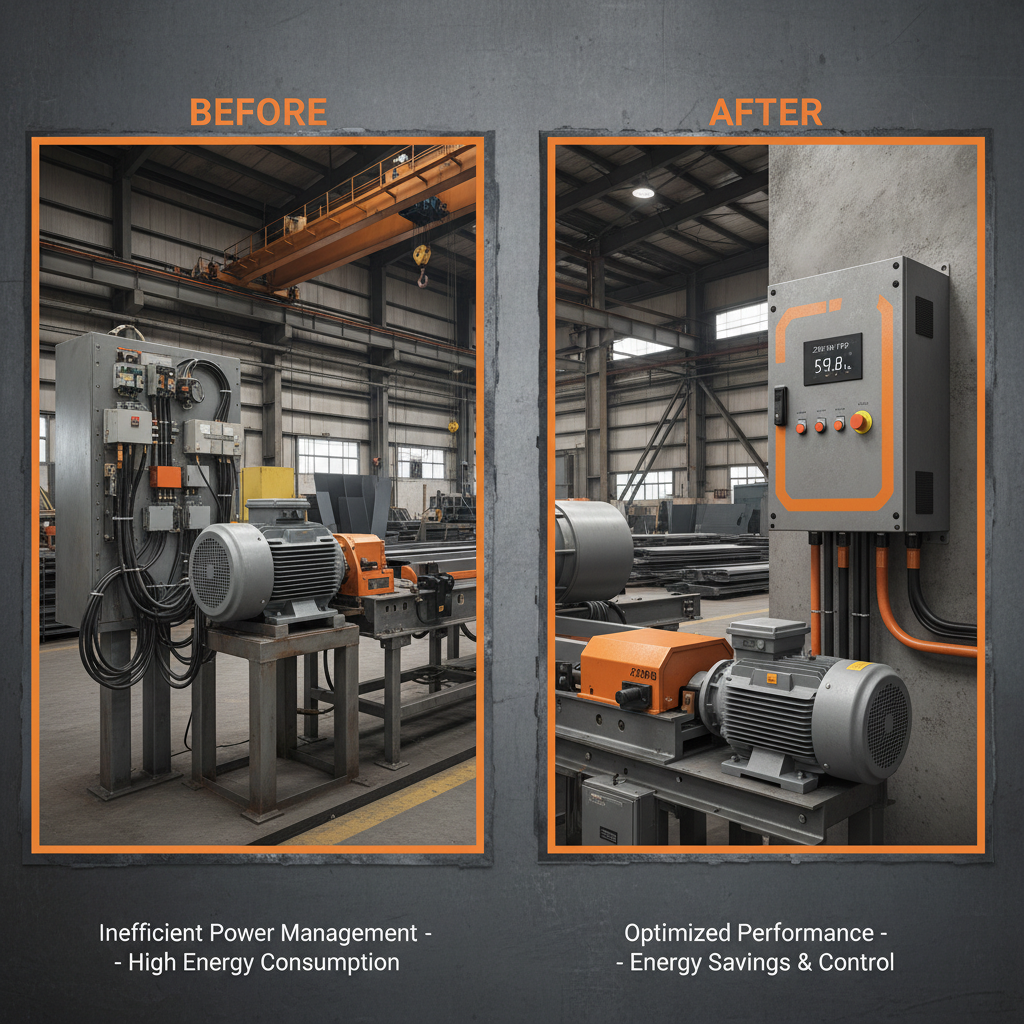
Implementing the right types of VFD available in the market delivers tangible benefits across multiple dimensions. Cost savings are significant, primarily through reduced energy consumption – VFDs can often lower energy bills by 20-50%. Improved process control leads to higher product quality, reduced waste, and increased throughput.
From a sustainability perspective, VFDs contribute to lower carbon emissions and reduced environmental impact. Their ability to optimize motor performance minimizes energy waste, aligning with global efforts to combat climate change. Reliability is enhanced through features like soft starting and stopping, reducing mechanical stress on equipment and extending its lifespan.
Future Trends in VFD Technology
The future of VFD technology is focused on increased efficiency, intelligence, and connectivity. Silicon Carbide (SiC) and Gallium Nitride (GaN) power semiconductors are emerging as replacements for traditional silicon devices, offering higher switching frequencies, lower losses, and improved thermal performance. These advancements will enable smaller, more efficient VFDs.
Digitalization is playing a key role, with VFDs becoming increasingly integrated with Industrial Internet of Things (IIoT) platforms. This allows for remote monitoring, predictive maintenance, and data-driven optimization. Artificial intelligence (AI) and machine learning (ML) algorithms are being incorporated to enhance control strategies and optimize performance in real-time.
Challenges and Solutions in VFD Implementation
Despite the numerous benefits, implementing types of VFD available in the market can present challenges. Harmonic distortion remains a concern, requiring the use of harmonic filters or line reactors to mitigate its effects. Motor compatibility is also crucial; older motors may not be suitable for VFD operation without derating or modifications.
Proper grounding and shielding are essential to prevent electromagnetic interference (EMI) and ensure reliable operation. Skilled personnel are needed for installation, commissioning, and maintenance. To address these challenges, manufacturers are developing more robust and user-friendly VFDs, along with comprehensive training programs and support services.
Solutions like active front-end (AFE) drives minimize harmonic distortion, while advanced motor insulation systems improve compatibility. Remote diagnostic capabilities enable faster troubleshooting and reduced downtime.
Core Characteristics of Advanced VFD Technologies
| Technology Type |
Energy Efficiency (Scale 1-10) |
Complexity of Implementation (Scale 1-10) |
Typical Application |
| Scalar VFD |
6 |
3 |
Simple Fan and Pump Control |
| Vector VFD |
8 |
6 |
Precision Manufacturing and Process Control |
| Direct Torque Control (DTC) |
9 |
7 |
High-Performance Servo Applications |
| Silicon Carbide (SiC) VFD |
10 |
8 |
High-Frequency Applications and Extreme Environments |
| Regenerative VFD |
8 |
7 |
Applications Requiring Energy Recuperation |
| Smart VFD (IIoT Enabled) |
9 |
9 |
Predictive Maintenance and Remote Optimization |
FAQS
The primary difference lies in their control methods. Scalar VFDs control voltage and frequency proportionally, offering basic speed control. Vector VFDs control both voltage and frequency, along with the phase relationship between them, enabling precise torque and speed regulation, making them ideal for demanding applications like conveyors and cranes. Vector drives provide superior performance in scenarios requiring constant torque or precise speed control.
Proper VFD sizing is crucial for optimal performance and longevity. You need to consider the motor's horsepower (HP), voltage, and current draw. The VFD should be rated for at least the motor's full load current. Also factor in potential overload conditions and altitude adjustments. Consulting with a VFD specialist or using online sizing tools can ensure you select the appropriate drive.
Harmonics are distorted waveforms generated by VFDs that can interfere with other electrical equipment. They are a byproduct of the conversion process. Mitigation techniques include using harmonic filters, line reactors, or active front-end (AFE) drives. Harmonic filters absorb harmonic currents, while AFE drives actively shape the input current waveform to reduce harmonic distortion. A site survey can help determine the level of harmonic distortion and the appropriate mitigation strategy.
It's often possible, but requires careful consideration. Older motors may not have insulation suitable for the voltage stresses imposed by a VFD. Derating the motor's voltage and/or using an output filter can help protect the motor. Inspecting the motor insulation and consulting with a motor specialist are recommended. Some older motors may not be compatible and require replacement.
Regenerative braking captures the energy generated when a motor slows down and returns it to the power grid or a DC bus capacitor. This increases energy efficiency and reduces heat dissipation. It’s particularly beneficial in applications with frequent start-stop cycles or those involving heavy loads, such as elevators, cranes, and conveyors. It reduces energy costs and extends the life of mechanical brakes.
IIoT integration enables remote monitoring, control, and diagnostics of VFDs. This allows for predictive maintenance, optimized performance, and faster troubleshooting. Data collected from VFDs can be analyzed to identify trends, improve efficiency, and reduce downtime. Furthermore, IIoT connectivity facilitates seamless integration with other industrial control systems, creating a more intelligent and automated manufacturing environment.
Conclusion
In conclusion, understanding the diverse types of VFD available in the market is paramount for optimizing industrial processes, reducing energy consumption, and enhancing overall efficiency. From basic scalar drives to advanced vector and regenerative technologies, the selection process requires careful consideration of application requirements and operating environments. The benefits extend beyond cost savings, encompassing sustainability, reliability, and improved process control.
Looking ahead, the integration of VFDs with IIoT platforms, coupled with advancements in power semiconductor technology, will drive further innovation and unlock new possibilities for energy efficiency and automation. Embracing these advancements and investing in the right VFD solutions is crucial for businesses seeking to remain competitive and sustainable in the evolving landscape of modern industry. Visit our website at www.tianjinyongkai.com to explore our comprehensive range of VFD products and solutions.