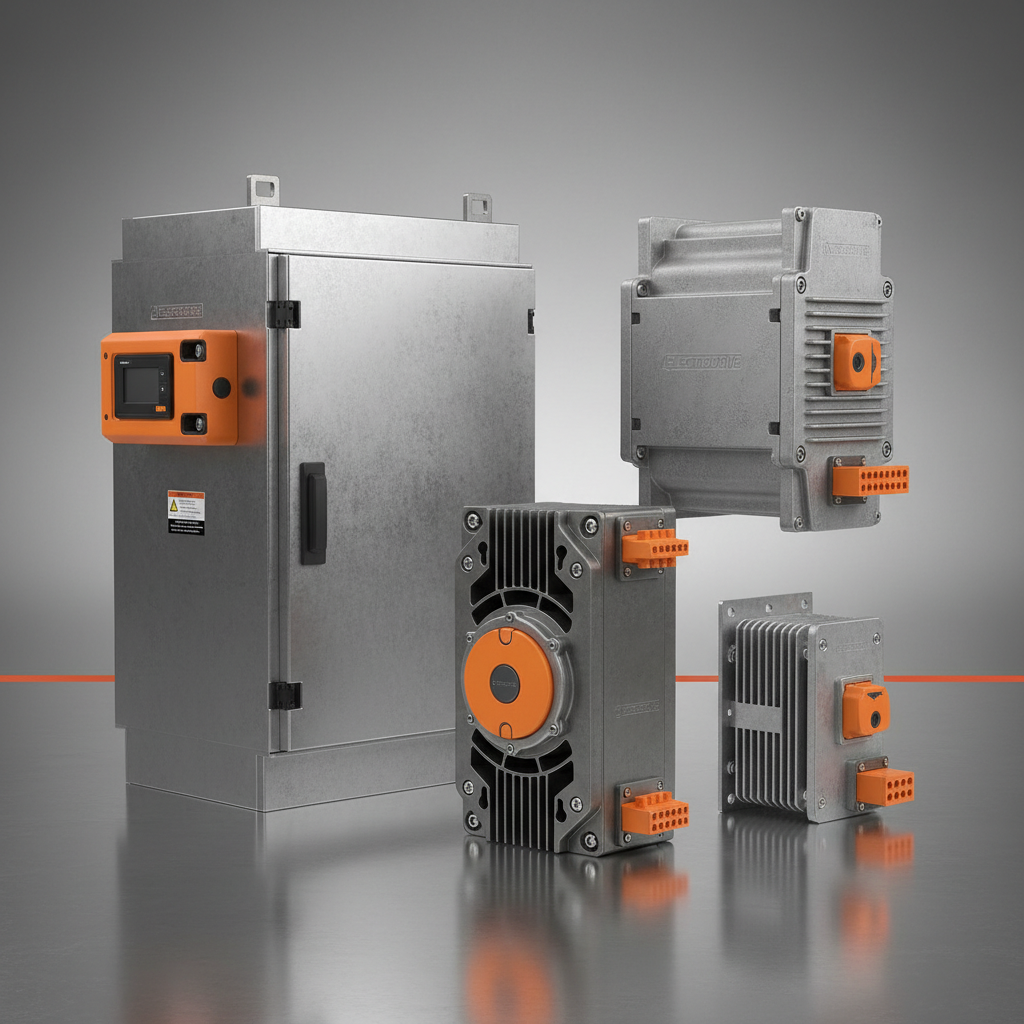
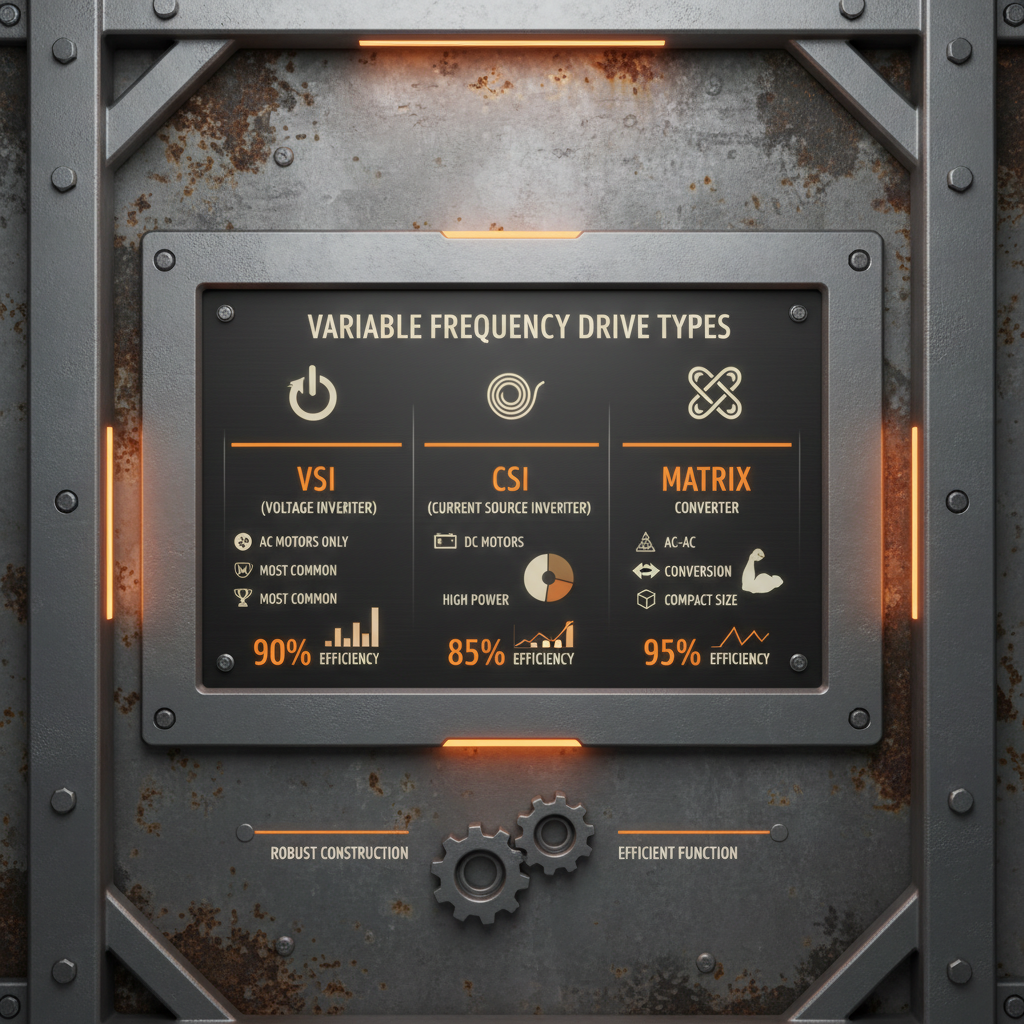
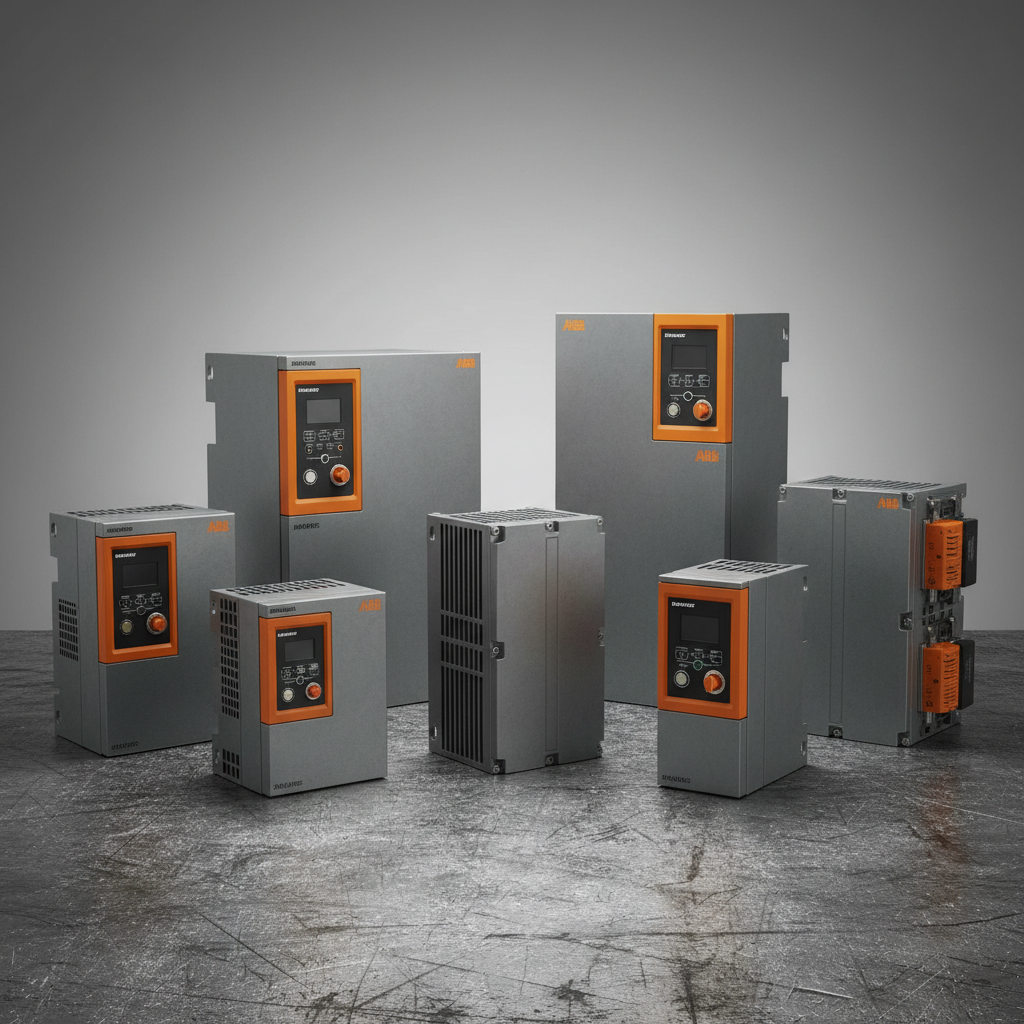
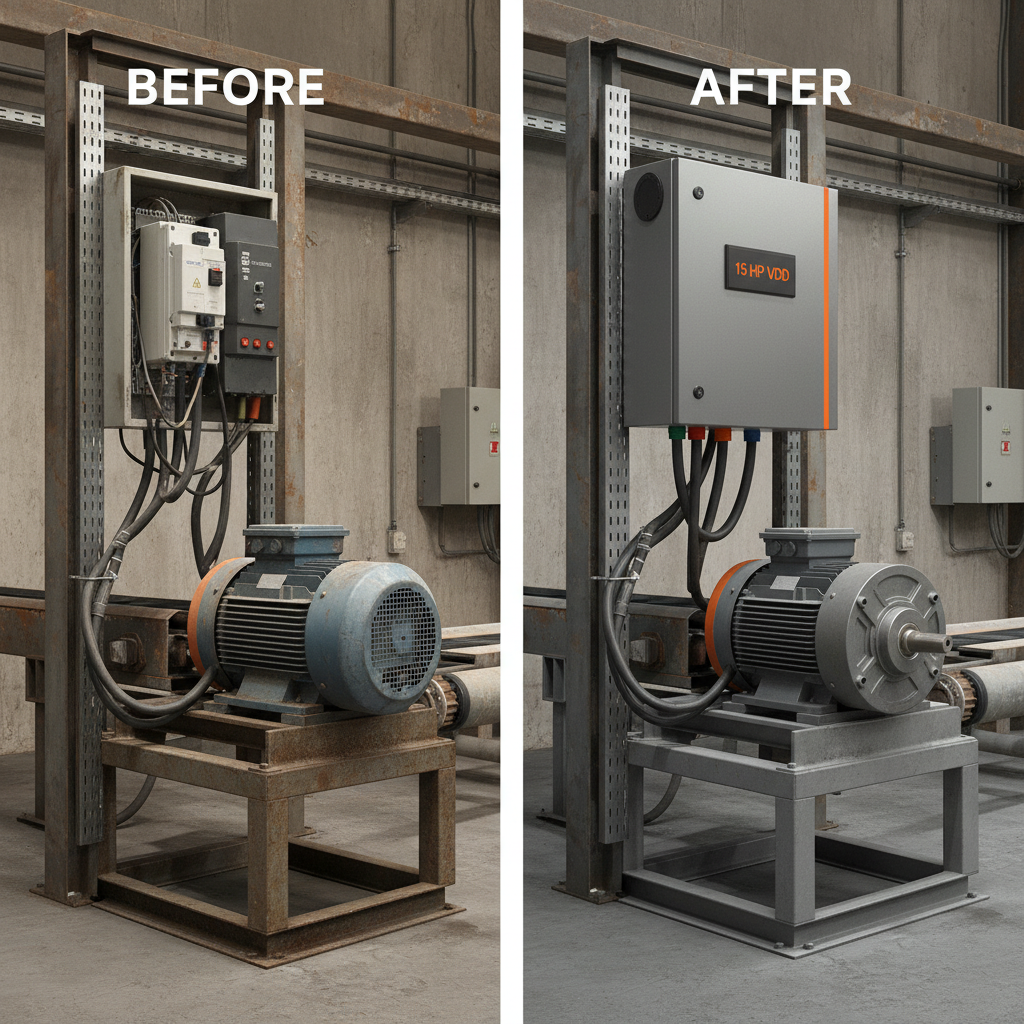
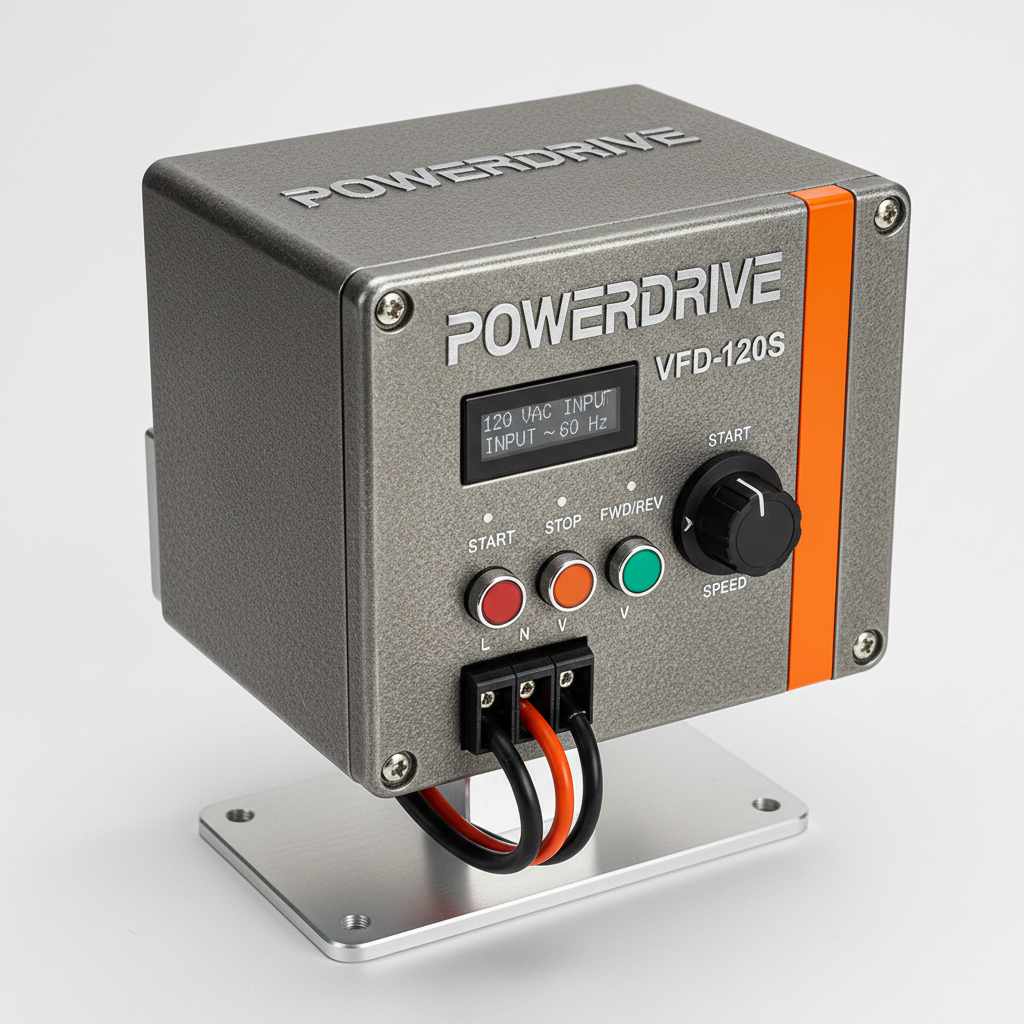
Variable frequency drives (VFDs), also known as adjustable speed drives, are pivotal components in modern industrial control systems. Understanding the different variable frequency drive types is crucial for optimizing energy consumption, improving process control, and enhancing the lifespan of connected equipment. The global demand for efficient and reliable motor control solutions is steadily increasing, driving innovation and specialization within the VFD market.
The relevance of VFDs extends far beyond simply controlling motor speed. They address critical challenges like energy waste, mechanical stress on equipment, and the need for precise process control in diverse applications. Globally, industries are facing pressure to reduce their carbon footprint and improve operational efficiency. VFDs are a key enabling technology in achieving these goals, impacting sectors from manufacturing and HVAC to water treatment and transportation.
These drives offer a cost-effective solution for optimizing performance and extending the operational life of motors. The market is experiencing significant growth, fueled by increasing automation and the demand for more energy-efficient systems. The effective implementation of the correct variable frequency drive types translates to tangible benefits for businesses and environmental sustainability.
The Core Principles of variable frequency drive types
At its core, a variable frequency drive operates by controlling the frequency and voltage supplied to an electric motor. By altering these parameters, the VFD effectively manages the motor’s speed and torque. This principle forms the basis of all variable frequency drive types, though the implementation varies.
The ability to precisely control motor speed is invaluable in countless applications, from optimizing pump performance in water treatment facilities to ensuring smooth and efficient operation of conveyors in manufacturing plants. Understanding these core principles is the first step to selecting the right VFD for a specific application.
Understanding VFD Technology
VFD technology has evolved significantly since its inception. Initially, VFDs relied on complex and bulky components. Modern VFDs, however, utilize sophisticated power electronics, including insulated-gate bipolar transistors (IGBTs), to efficiently convert AC power to DC and then back to AC with variable frequency and voltage.
The key to a VFD's functionality is its ability to create a synthetic sinusoidal waveform. This waveform, generated through pulse-width modulation (PWM), precisely controls the motor's speed and torque. Different variable frequency drive types employ varying PWM techniques and filtering mechanisms to optimize performance and minimize harmonic distortion.
The intelligence of the VFD lies in its microprocessors and control algorithms. These components enable advanced features such as closed-loop control, communication protocols (e.g., Modbus, Ethernet/IP), and built-in protection functions, enhancing system reliability and optimizing energy efficiency.
Key Components & Characteristics
Several key characteristics define the performance and suitability of different variable frequency drive types. One critical factor is the drive’s power rating, which must be appropriately matched to the motor’s horsepower requirements. Over-sizing or under-sizing can lead to inefficiencies or system failures.
Another important aspect is the drive’s input and output voltage compatibility. Ensuring that the VFD is designed to operate with the available power supply and the motor’s voltage requirements is essential. Further features like enclosure type (NEMA rated for different environments) and built-in diagnostics play a significant role in determining overall system reliability.
Finally, the control mode of the VFD – whether scalar control (V/Hz), vector control, or direct torque control – influences its ability to provide precise speed and torque control. Vector control, for instance, offers superior dynamic performance and is ideal for applications requiring high accuracy and responsiveness.
Global Applications and Industry Impact
The applications of variable frequency drive types are incredibly diverse, spanning across numerous industries. In the manufacturing sector, VFDs are widely used to control conveyor systems, pumps, fans, and compressors, optimizing production processes and reducing energy consumption.
The HVAC industry utilizes VFDs to regulate fan and pump speeds in heating, ventilation, and air conditioning systems, enhancing energy efficiency and maintaining comfortable indoor environments. Water and wastewater treatment plants rely on VFDs to control pumps and blowers, optimizing treatment processes and minimizing operating costs.
Globally, VFDs are playing a crucial role in infrastructure projects, particularly in the development of smart cities and sustainable energy systems. From optimizing water distribution networks to controlling renewable energy sources, these drives are essential components in building a more efficient and sustainable future.
VFD Adoption Rates Across Key Industries
Advantages and Long-Term Value Proposition
The benefits of implementing variable frequency drive types are multi-faceted. The most immediate advantage is energy savings. By precisely matching motor speed to the actual load requirements, VFDs significantly reduce energy consumption, leading to lower operating costs.
Beyond energy savings, VFDs improve process control, enhance equipment lifespan, and reduce mechanical stress on motors and driven equipment. This translates to decreased maintenance costs, reduced downtime, and increased productivity. Furthermore, VFDs contribute to a more sustainable operation, reducing a company’s carbon footprint.
Future Trends and Technological Advancements
The future of VFD technology is driven by trends towards greater efficiency, connectivity, and intelligence. Advancements in power semiconductors, such as silicon carbide (SiC) and gallium nitride (GaN) devices, are enabling the development of more compact and efficient VFDs with improved performance.
The integration of VFDs with Industrial Internet of Things (IIoT) platforms is gaining momentum, enabling remote monitoring, predictive maintenance, and advanced process optimization. Furthermore, the increasing adoption of renewable energy sources is driving demand for VFDs that can seamlessly integrate with solar and wind power systems.
Challenges and Innovative Solutions
Despite the numerous benefits, implementing variable frequency drive types can present challenges. Harmonic distortion, generated by PWM control, can interfere with other sensitive electronic equipment. Implementing filters and using advanced PWM techniques can mitigate this issue.
Another challenge is the potential for motor bearing currents, which can cause premature bearing failure. Using insulated bearings or common-mode chokes can address this problem. Finally, ensuring proper grounding and shielding is crucial to prevent electromagnetic interference (EMI) and maintain system reliability.
Innovative solutions are continuously being developed to overcome these challenges, including advanced filtering technologies, sophisticated control algorithms, and improved drive designs.
Summary of Common VFD Challenges and Solutions
| Challenge |
Impact on System |
Solution |
Implementation Cost (1-10) |
| Harmonic Distortion |
Interference with other equipment, reduced power quality |
Harmonic Filters, Advanced PWM techniques |
6 |
| Motor Bearing Currents |
Premature bearing failure, increased maintenance |
Insulated Bearings, Common-Mode Chokes |
7 |
| Electromagnetic Interference (EMI) |
Disruption of sensitive electronic devices |
Proper Grounding and Shielding |
4 |
| Voltage Fluctuations |
Instability in the connected equipment. |
Line Reactors, DC Chokes |
5 |
| Incorrect VFD Sizing |
Inefficient operation, potential damage |
Accurate Load Analysis, Proper Drive Selection |
3 |
| Environmental Conditions |
Reduced lifespan and reliability |
Appropriate Enclosure (NEMA Rating) |
6 |
FAQS
Scalar control (V/Hz) is simpler and more cost-effective, suitable for applications where precise speed regulation isn't critical. Vector control offers superior dynamic performance, precise torque control, and is ideal for demanding applications like cranes and robotics. It utilizes more complex algorithms to decouple flux and torque control. Ultimately, the choice depends on the application's requirements and budget.
Selecting the right VFD size is crucial. You need to consider the motor’s horsepower (HP), full-load amps (FLA), and voltage. The VFD’s continuous current rating must be equal to or greater than the motor’s FLA. It’s also wise to add a safety factor (e.g., 10-20%) to account for potential overload conditions and ensure long-term reliability. Consulting a VFD specialist is recommended for complex applications.
VFDs generate harmonic distortion due to the PWM switching process. This can impact power quality and interfere with other sensitive equipment. Mitigation techniques include using harmonic filters (passive or active), line reactors, DC chokes, and employing advanced PWM schemes within the VFD itself. Proper grounding and shielding are also essential for minimizing EMI.
A common mode choke is used to suppress common mode noise, which can cause motor bearing currents. These currents can lead to premature bearing failure. By blocking the high-frequency common mode noise, the choke protects the motor bearings and extends their lifespan. It’s a relatively inexpensive and effective solution for mitigating this issue.
Modern VFDs typically support a range of communication protocols for integration with automation systems. Common protocols include Modbus RTU/TCP, Ethernet/IP, Profibus, and Profinet. These protocols enable remote monitoring, control, and data exchange between the VFD and a programmable logic controller (PLC) or supervisory control and data acquisition (SCADA) system.
Proper grounding is critical for safety and to minimize EMI. Connect the VFD’s grounding terminal to a dedicated ground point. Use shielded cables for all motor and control wiring, and ensure the shielding is properly grounded at both ends. Avoid running VFD cables in the same conduit as sensitive signal cables. Regularly inspect grounding connections for corrosion or looseness.
Conclusion
In conclusion, understanding the nuances of variable frequency drive types is essential for optimizing industrial processes, reducing energy consumption, and enhancing system reliability. From the core principles of operation to the latest technological advancements, VFDs offer a powerful solution for a wide range of applications. Selecting the appropriate drive, implementing best practices for installation and maintenance, and leveraging the benefits of IIoT integration are key to unlocking their full potential.
As industries continue to prioritize efficiency and sustainability, the demand for sophisticated VFD solutions will undoubtedly grow. By embracing innovation and staying abreast of emerging trends, businesses can harness the power of these drives to create a more efficient, productive, and environmentally responsible future. Visit our website at www.tianjinyongkai.com to learn more about our comprehensive range of VFD products and services.