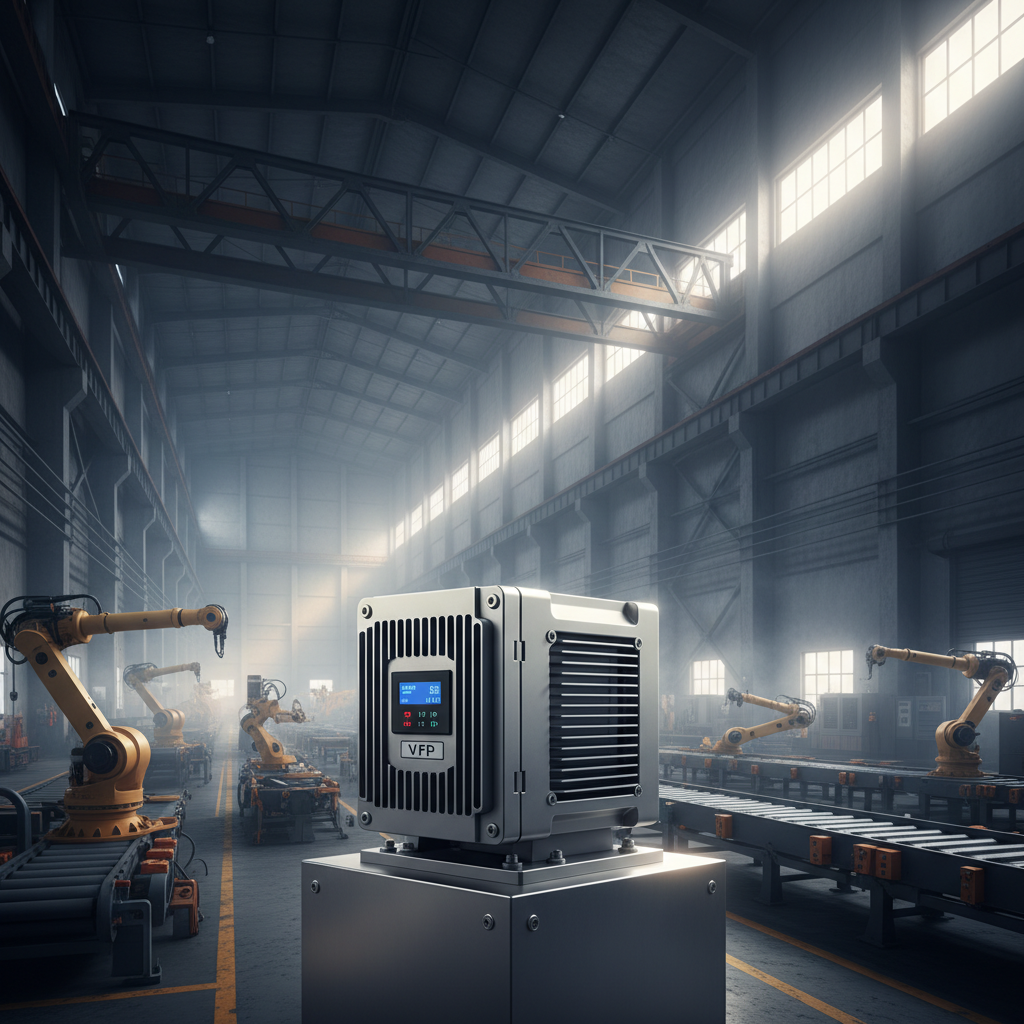
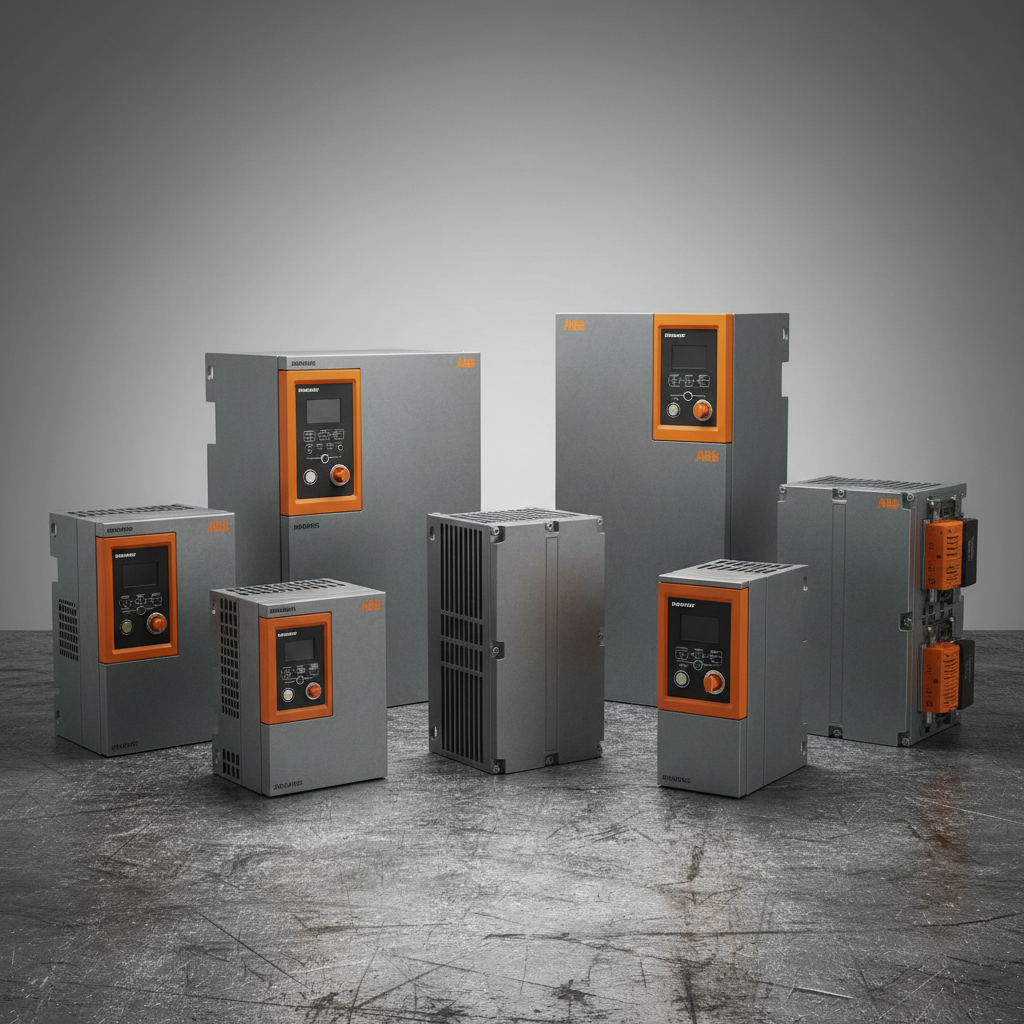
In the rapidly evolving landscape of industrial automation, the precision of signal processing determines the overall efficiency of a production line. A high-performance variable speed drive controller environment relies heavily on the seamless integration of digital modules to manage switching inputs and outputs, ensuring that machinery operates with pinpoint accuracy and reliability.
The global demand for scalable automation has led to the development of modular systems that allow manufacturers to avoid unnecessary initial investment while maintaining the capacity for future growth. By employing flexible digital expansion modules, industries can adapt their control logic in real-time, optimizing the throughput of their mechanical systems without requiring a complete hardware overhaul.
Whether managing complex discrete manufacturing or simple building automation, the implementation of a robust variable speed drive controller framework ensures that digital signals are processed with minimal latency and maximum stability, reducing downtime and increasing operational safety across the factory floor.
Reliability and Industrial Grade Design
The foundation of any effective variable speed drive controller system is the physical reliability of its components. The S7-1200 digital modules are engineered with industrial-grade specifications, ensuring they can withstand the harsh environments typical of electrical mechanical manufacturing, including electromagnetic interference and temperature fluctuations.
This high anti-interference capability ensures that digital signals—such as switching inputs and outputs—are processed without corruption. By prioritizing stability, these modules allow for long-term operation in demanding settings, which is critical for maintaining the uptime of automated assembly lines and heavy machinery.
Flexible Channel Configuration and Scalability
One of the primary challenges in automation is avoiding over-investment in hardware that may not be fully utilized. To address this, the modular design of the digital extension allows users to select exactly the number of channels they need, with options for 8, 16, and 32 input/output channels.
This flexibility means that a variable speed drive controller setup can start small and expand organically. As a business grows or a production task becomes more complex, additional digital modules can be integrated to handle more sensors or actuators without requiring a replacement of the main CPU.
This modular approach optimizes the total cost of ownership, as companies only pay for the capacity they currently require while retaining a clear, low-cost path for future system upgrades through the S7-1200 PLC series architecture.
Fast Response Times for Real-Time Control
In high-speed industrial environments, milliseconds can be the difference between a successful cycle and a system collision. A high-performance variable speed drive controller depends on digital modules that can collect and output signals in real-time to maintain strict synchronization.
The S7-1200 digital module is specifically optimized for fast signal processing. By minimizing the latency between signal acquisition and the subsequent control action, the variable speed drive controller can manage high-precision tasks such as rapid sorting or emergency stop triggers with extreme accuracy.
This real-time capability is essential for discrete manufacturing, where sensor signal acquisition must trigger immediate actuator responses. The result is a smoother operation that enhances the overall reliability and safety of the industrial process.
Ease of Installation and TIA Portal Integration
Reducing engineering time is a key goal for modern automation projects. These digital modules feature a compact design that allows them to be connected directly to the right side of the S7-1200 PLC. This "snap-on" capability eliminates the need for complex additional wiring, significantly speeding up the deployment of a variable speed drive controller system.
Furthermore, the seamless integration with TIA Portal software allows engineers to configure, program, and debug modules through a single interface. This unified environment supports parametric settings and online monitoring, ensuring that updates to user programs are handled efficiently and without error.
Operational Efficiency of Variable Speed Drive Controller Modules
Integrated Diagnostics and Fault Detection
Minimizing downtime requires a proactive approach to fault detection. The built-in diagnostic functions of the S7-1200 digital modules allow for real-time monitoring of signal statuses. This means that a variable speed drive controller can instantly detect issues such as wire disconnections or short circuits.
Through the TIA Portal, detailed diagnostic information is provided directly to the operator. This removes the guesswork from troubleshooting, allowing technicians to pinpoint the exact module or channel causing the fault, thereby reducing the Mean Time to Repair (MTTR) in complex industrial systems.
Voltage Level Support and Compatibility
Industrial environments utilize a wide variety of electrical standards. To ensure a variable speed drive controller can interface with diverse equipment, these modules support multiple voltage levels, including 24V DC, 120V AC, and 230V AC.
This broad compatibility eliminates the need for numerous external signal converters, which often introduce additional points of failure and increase the size of the control cabinet. By supporting native voltage levels, the system remains lean and efficient.
Whether the application involves low-voltage sensors in a logistics conveyor or higher-voltage actuators in engineering machinery, the modular flexibility ensures the system is perfectly matched to the electrical requirements of the site.
Application Scenarios and Cost Performance
The versatility of the S7-1200 digital modules makes them suitable for a vast array of fields. In discrete manufacturing, they handle sensor acquisition and actuator control; in logistics, they manage conveyor belts and sorting systems; and in building automation, they control lighting and access systems, all while serving as a reliable variable speed drive controller interface.
From a financial perspective, these modules offer an exceptional balance of performance and affordability. They are specifically designed for small to medium-sized automation projects, allowing companies to implement high-end PLC functionality without the prohibitive costs associated with large-scale enterprise systems.
Ultimately, the modular design allows users to choose between input-only, output-only, or mixed modules. This optimization ensures that the system configuration is lean, reducing waste and maximizing the return on investment for the end-user.
Performance Analysis of S7-1200 Digital Modules in Various Scenarios
| Application Field |
Primary Function |
Reliability Score |
Cost-Effectiveness |
| Discrete Manufacturing |
Sensor Acquisition |
9.5 |
High |
| Logistics Automation |
Conveyor Control |
9.0 |
Very High |
| Building Automation |
Access Control |
8.5 |
High |
| Water Treatment |
Valve Switching |
9.2 |
Medium |
| Packaging Machinery |
Actuator Triggering |
9.8 |
High |
| Textile Industry |
Motor Switching |
8.8 |
High |
FAQS
These modules provide the essential digital I/O interface needed to send start/stop commands and receive status feedback. By offering high reliability and fast response times, they ensure the controller can adjust motor speeds and directions based on real-time sensor data without lag.
Yes, they are designed with industrial-grade components that offer high anti-interference capabilities. This makes them ideal for environments with significant electrical noise, ensuring the variable speed drive controller remains stable and operational over long periods.
Absolutely. The modular design allows you to add digital modules (8, 16, or 32 channels) directly to the right side of the PLC. This means you can scale your variable speed drive controller capacity without needing to replace your core hardware.
The product line is highly versatile, supporting various industrial standards including 24V DC, 120V AC, and 230V AC. This ensures compatibility with a wide range of sensors and actuators used in conjunction with a variable speed drive controller.
TIA Portal provides a unified engineering environment for configuration, programming, and debugging. For those using a variable speed drive controller, it allows for easy parametric settings and online monitoring to troubleshoot faults quickly.
Mixed modules optimize space and cost by combining both inputs and outputs in a single unit. This reduces the overall footprint in the control cabinet and simplifies the wiring of a variable speed drive controller system.
Conclusion
The integration of S7-1200 digital modules provides a robust, scalable, and highly efficient foundation for any modern industrial control system. By combining industrial-grade reliability, flexible channel configurations, and seamless TIA Portal integration, these modules ensure that a variable speed drive controller can operate with maximum precision and minimal downtime. The ability to adapt to various voltage levels and expand organically makes this solution an ideal choice for small to medium-sized automation projects across diverse sectors.
As the industry moves toward greater digitalization and "Industry 4.0," the importance of modular and diagnostic-capable hardware will only increase. Investing in flexible digital infrastructure today not only reduces initial capital expenditure but also future-proofs your operations against evolving technical requirements. To explore the best hardware options for your next automation project, visit our website: www.oukeconstruction.com