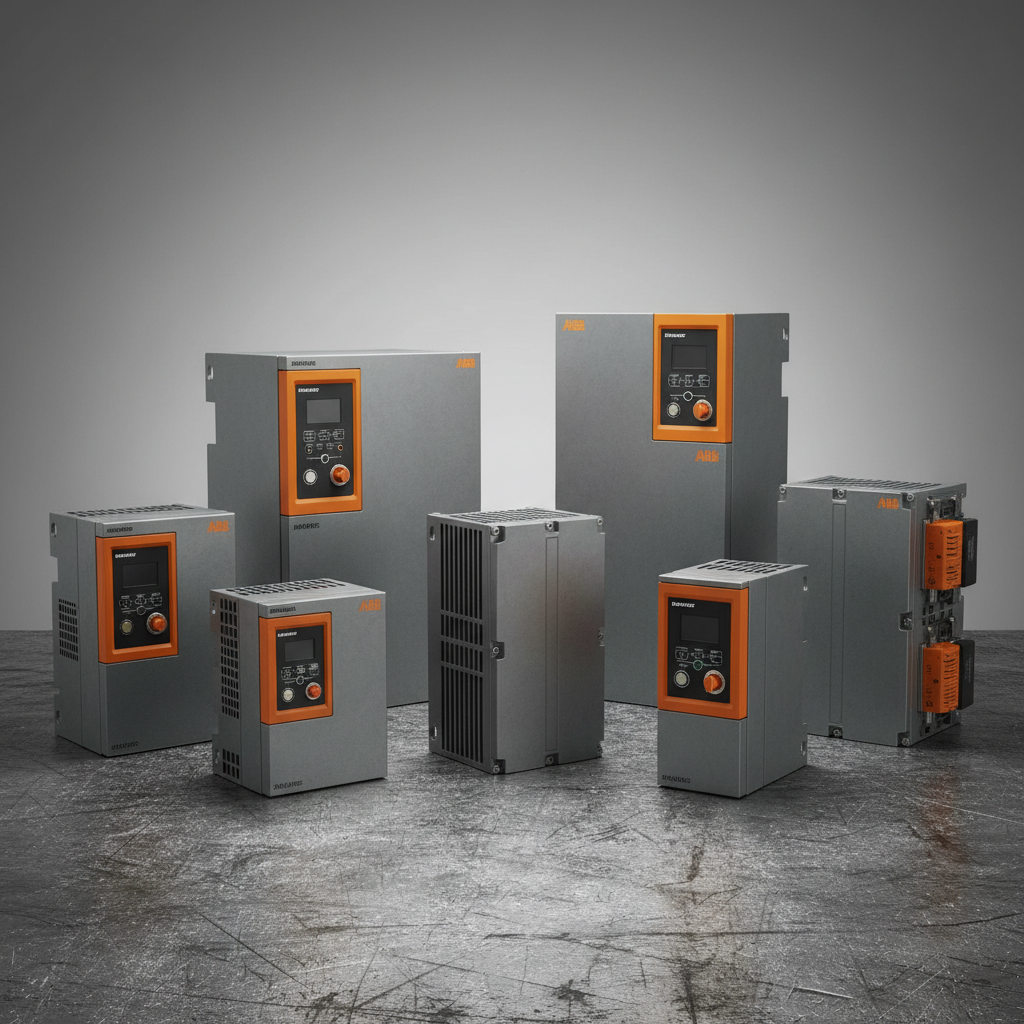
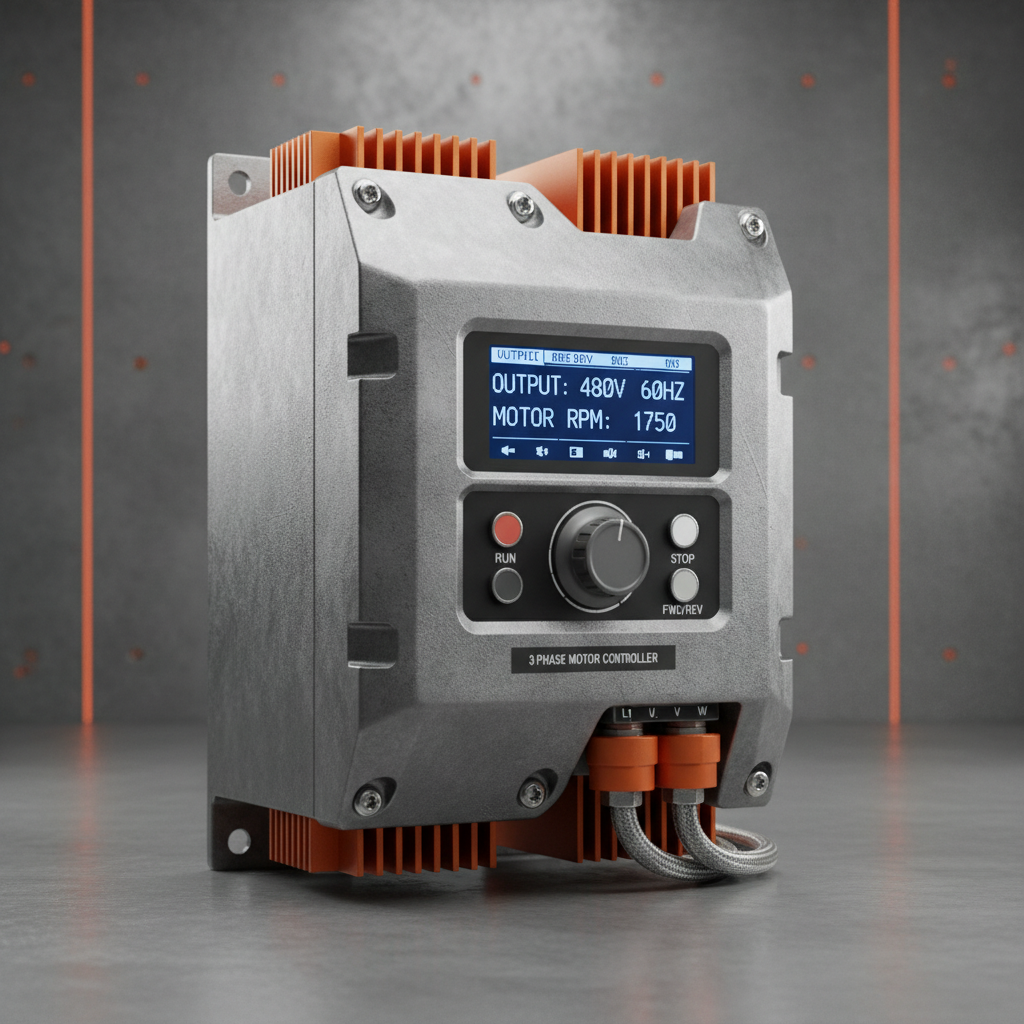
Variable Frequency Drives (VFDs), also known as adjustable-speed drives, are pivotal components in modern industrial automation and energy management. Different types of VFD drives cater to a wide spectrum of applications, from simple fan and pump control to complex, high-performance machinery. Understanding these diverse types is crucial for optimizing efficiency, reducing energy consumption, and enhancing process control across various industries. This knowledge empowers businesses to make informed decisions, maximizing return on investment and minimizing environmental impact.
The global demand for VFDs is experiencing significant growth, driven by increasing energy costs, stricter environmental regulations, and the widespread adoption of automation technologies. Reports from organizations like the UN and the World Bank highlight the urgent need for energy efficiency improvements in developing nations, creating a substantial market for VFDs. The ISO 50001 energy management standard further incentivizes industries to implement energy-saving measures, with VFDs being a key enabling technology. Addressing this demand requires a nuanced understanding of the different types of VFD drives available.
A major challenge in many sectors is the need to retrofit existing infrastructure with energy-efficient solutions. Often, the ideal VFD type isn't immediately obvious, leading to suboptimal performance or even incompatibility issues. Selecting the correct VFD type is essential for seamless integration, long-term reliability, and achieving the desired energy savings. Consequently, exploring different types of VFD drives becomes critical to overcoming these hurdles and realizing substantial operational benefits.
Introduction to Different Types of VFD Drives
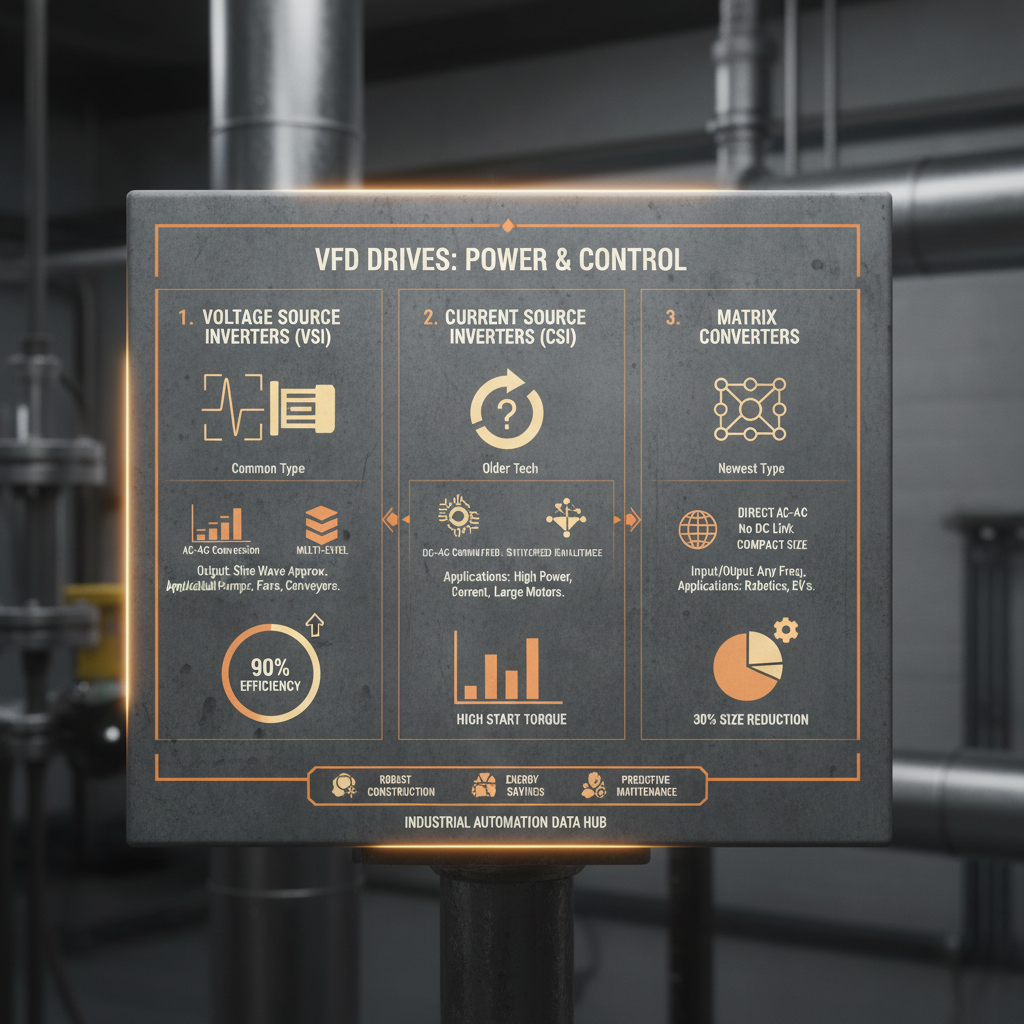
Different types of VFD drives exist to address varying application requirements. These include Scalar VFDs (also known as Voltage/Frequency or V/Hz control), Vector VFDs (offering enhanced performance with field-oriented control), Direct Torque Control (DTC) VFDs providing rapid torque response, and specialized drives like regenerative drives for energy recovery. Each type utilizes different control algorithms and hardware components to deliver specific performance characteristics.
The selection of the appropriate VFD type significantly impacts system efficiency, control precision, and overall cost-effectiveness. Factors such as motor type, load characteristics, and application demands must be carefully considered to ensure optimal performance. A deeper understanding of the strengths and weaknesses of each VFD type is essential for making informed decisions.
Defining Different Types of VFD Drives
A VFD, at its core, controls the speed of an AC induction motor by varying the frequency and voltage supplied to the motor. Different types of VFD drives achieve this control using different techniques. Scalar VFDs are the simplest and most cost-effective, adjusting both voltage and frequency linearly. This method is suitable for applications with constant torque loads, like fans and pumps.
Vector VFDs, on the other hand, employ more sophisticated control algorithms to maintain constant torque over a wider speed range. They achieve this by controlling both the magnitude and orientation of the motor’s magnetic field. This capability makes them ideal for applications requiring precise speed control and dynamic performance, such as conveyors and cranes.
Finally, Direct Torque Control (DTC) VFDs offer even faster torque response and improved efficiency by directly controlling the motor’s torque and flux. These are generally used in high-performance applications where rapid acceleration and deceleration are required. Understanding these fundamental differences is key to selecting the right solution.
Key Characteristics of VFD Drive Types
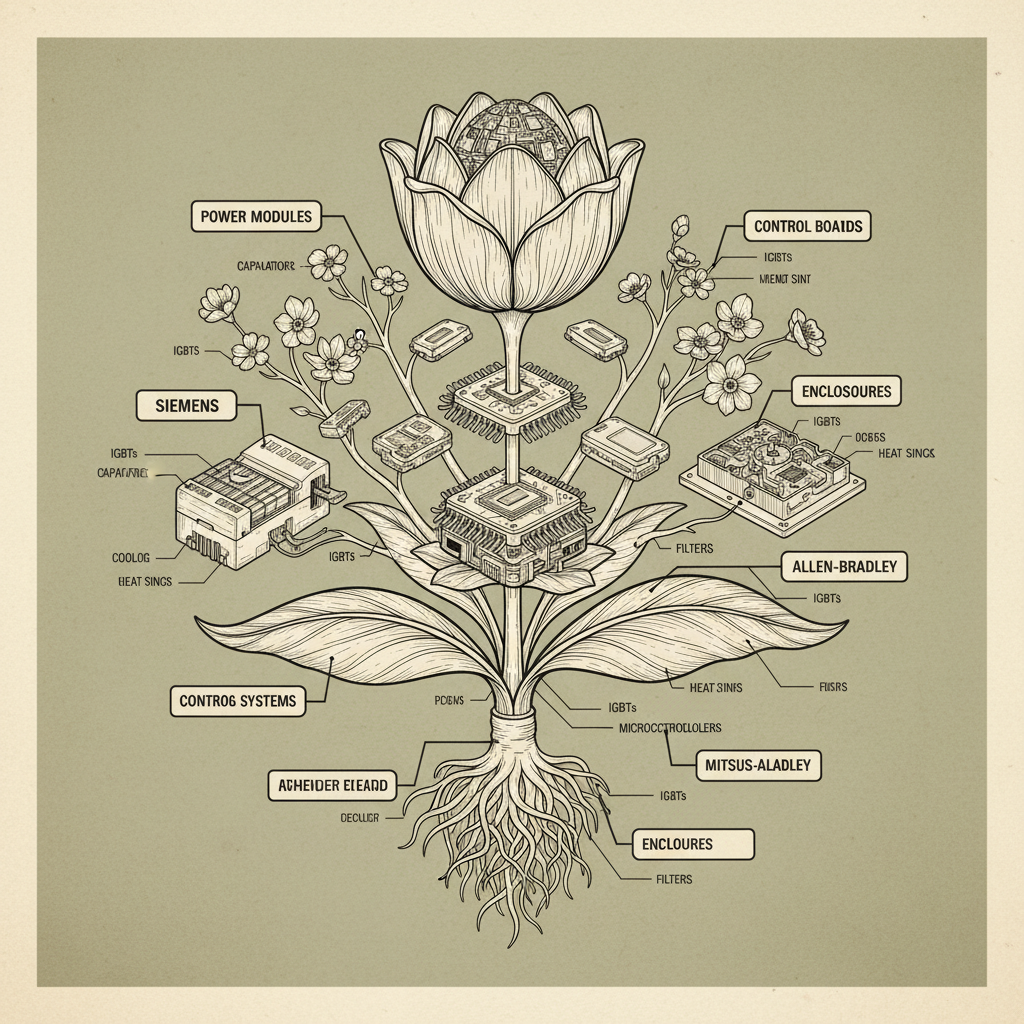
Durability is a critical factor, especially in harsh industrial environments. Some VFDs are designed with rugged enclosures, conformal coatings, and extended temperature ratings to withstand challenging conditions. Scalability is also important, allowing systems to be expanded or modified as needs change. Modular VFD designs offer greater flexibility and ease of maintenance.
Cost efficiency plays a significant role in VFD selection. Scalar VFDs typically have the lowest upfront cost, while vector and DTC drives are more expensive due to their advanced features. However, the energy savings and performance improvements offered by the latter can often justify the higher initial investment. Energy savings from reduced motor speed often outweighs the initial cost.
Another key aspect is harmonic distortion. VFDs can generate harmonic currents that can disrupt power quality and damage sensitive equipment. Utilizing line reactors, DC chokes, and active harmonic filters can mitigate these effects. Choosing a VFD with built-in harmonic mitigation capabilities can simplify installation and improve system reliability.
Global Applications of Different Types of VFD Drives
Different types of VFD drives are used extensively in various industries worldwide. In manufacturing, vector VFDs are commonly used for controlling robotic arms, conveyor systems, and precision machinery. In the oil and gas industry, ruggedized VFDs control pumps and compressors in remote locations. In the water and wastewater treatment sector, scalar VFDs efficiently manage pump and fan speeds, reducing energy consumption.
Specifically, in China, the rapid growth of industrialization has spurred a massive demand for VFDs in sectors like textiles, plastics, and metalworking. In Europe, stringent energy efficiency regulations drive the adoption of VFDs in HVAC systems and building automation. North America sees widespread use in applications like food processing and material handling.
Application Suitability of Different Types of VFD Drives
Advantages & Long-Term Value of VFD Implementation
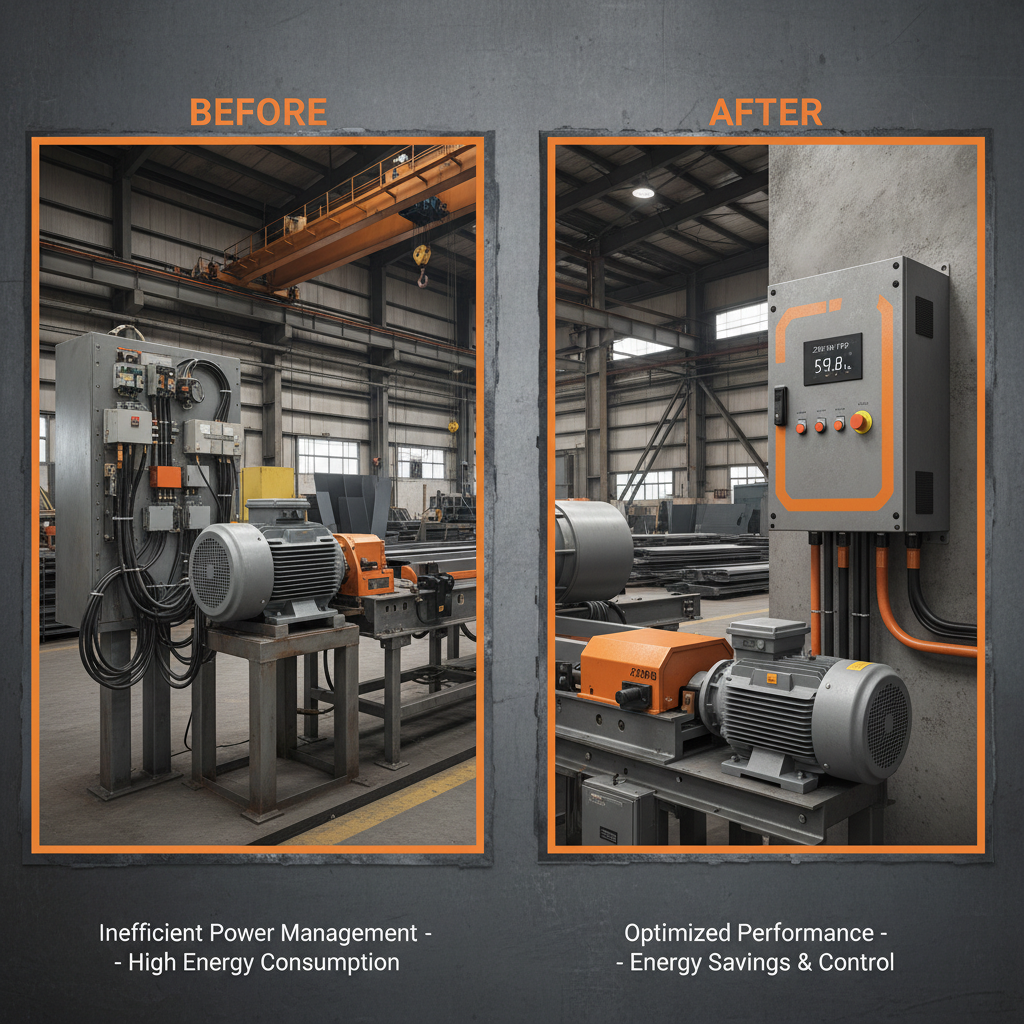
Implementing different types of VFD drives yields substantial cost savings through reduced energy consumption. By precisely matching motor speed to application demand, VFDs eliminate wasted energy and lower electricity bills. Beyond cost savings, VFDs enhance process control, improve product quality, and extend the lifespan of connected equipment.
From a sustainability perspective, VFDs contribute to a smaller carbon footprint by reducing energy usage and lowering greenhouse gas emissions. They also promote a safer working environment by providing controlled acceleration and deceleration, minimizing mechanical stress on machinery. Trust in reliable performance and long-term savings are key benefits for businesses investing in VFD technology.
Future Trends in VFD Drive Technology
The future of VFD technology is intertwined with the broader trends of digitalization, automation, and sustainability. We are seeing increasing integration of VFDs with Industrial Internet of Things (IIoT) platforms, enabling remote monitoring, predictive maintenance, and data-driven optimization. Advancements in power semiconductors, like silicon carbide (SiC) and gallium nitride (GaN), are leading to more efficient and compact VFD designs.
Furthermore, regenerative drives, capable of feeding energy back into the grid, are gaining traction as a means of maximizing energy recovery and reducing overall energy costs. The development of more sophisticated control algorithms, including artificial intelligence (AI) and machine learning (ML), promises to further enhance VFD performance and adaptability.
The convergence of these technologies will enable VFDs to play an even more critical role in building smart, efficient, and sustainable industrial systems. This also includes more integrated safety features and cybersecurity protection in all different types of VFD drives.
Challenges and Solutions in VFD Application
Despite their numerous benefits, implementing different types of VFD drives can present challenges. Harmonic distortion, as previously mentioned, remains a concern, requiring careful system design and mitigation strategies. Another challenge is the potential for motor insulation degradation due to the high-frequency switching of VFDs. Using inverter-duty motors and output filters can address this issue.
Proper grounding and shielding are crucial to minimize electromagnetic interference (EMI) and ensure reliable operation. Furthermore, the complexity of VFD programming and configuration can require specialized expertise. Training programs and user-friendly software interfaces are essential for successful implementation.
Finally, compatibility issues between VFDs and existing equipment can arise. Thorough system analysis and careful component selection are necessary to ensure seamless integration. A skilled engineering team with experience in VFD applications is vital for overcoming these challenges and maximizing the value of this technology.
Summary of VFD Type Selection Criteria
| Application Type |
Recommended VFD Type |
Key Considerations |
Cost Estimate (1-10) |
| Constant Torque Applications (e.g., Conveyors) |
Vector VFD |
Precise speed control, dynamic response |
7 |
| Variable Torque Applications (e.g., Fans, Pumps) |
Scalar VFD |
Simple control, cost-effectiveness |
4 |
| High-Performance Servo Control |
DTC VFD |
Fast torque response, precise positioning |
9 |
| Energy Recovery Applications |
Regenerative VFD |
Energy savings, grid support |
8 |
| Harsh Industrial Environments |
Ruggedized VFD (Vector or Scalar) |
Environmental protection, reliability |
6 |
| Applications Requiring Low Harmonic Distortion |
VFD with Active Harmonic Filter |
Power quality improvement, reduced EMI |
7 |
FAQS
Scalar VFDs, also known as V/Hz drives, simply adjust voltage and frequency proportionally. This is a cost-effective solution for simple applications like fans and pumps. Vector VFDs, however, offer more sophisticated control by managing the motor's magnetic field, allowing for precise speed and torque control over a wider range. They are ideal for applications demanding higher performance, like conveyors and cranes.
Selecting the correct VFD size is critical. You must ensure the VFD’s current rating (amps) exceeds the motor’s full load amps (FLA). It’s also essential to consider the motor’s voltage and the application's required overload capacity. Undersizing can lead to overheating and failure, while oversizing can reduce efficiency and increase cost. Consulting a VFD supplier is recommended.
Harmonics are distorted waveforms created by the switching action of the VFD. They can cause interference with other equipment and reduce power quality. Mitigation strategies include using line reactors, DC chokes, or active harmonic filters. Selecting a VFD with built-in harmonic mitigation capabilities is also a good option.
An output filter reduces the high-frequency noise and voltage spikes generated by the VFD's switching. This protects the motor insulation from premature failure and minimizes electromagnetic interference (EMI) with other nearby equipment. Filters are particularly important when using long motor cables or in sensitive environments.
Regenerative VFDs capture energy generated during braking and deceleration and return it to the power grid or a DC bus. This can result in significant energy savings, particularly in applications with frequent start-stop cycles or heavy loads. While more expensive upfront, the long-term cost savings can often justify the investment.
Regular maintenance for VFDs includes cleaning dust and debris from the heatsink, checking fan operation, inspecting capacitor voltage, and verifying input/output connections. Periodically checking the VFD’s firmware and updating it if necessary can also improve performance and reliability. Preventative maintenance can significantly extend the VFD's lifespan.
Conclusion
In conclusion, understanding the different types of VFD drives – from the simplicity of scalar drives to the precision of vector and DTC options – is paramount for optimizing industrial processes, reducing energy consumption, and improving overall system efficiency. Selecting the right VFD requires careful consideration of application demands, cost constraints, and long-term performance goals. The diverse array of VFD technologies available provides solutions for a wide range of challenges across countless industries.
Looking ahead, the integration of VFDs with IIoT platforms, the adoption of advanced power semiconductors, and the development of AI-powered control algorithms will further revolutionize this technology. Investing in VFD technology is not merely a cost-saving measure; it's a strategic move towards a more sustainable, efficient, and resilient future. To learn more about selecting the optimal VFD drive for your needs, visit our website: different types of vfd drives.