Tianjin Yongkai International Trade Co., Ltd.

Get In Touch
Selecting the right motor control system often comes down to a critical decision: how to precisely manage speed and torque without sacrificing energy efficiency. For industrial operators, the shift toward flexible automation has made the ability to buy variable frequency drive units a priority for reducing operational overhead and mechanical wear.
The modern industrial landscape is moving away from rigid, fixed-speed operations toward dynamic control. This transition is driven by the need for tighter process synchronization and the integration of smart controllers that can adjust output based on real-time sensor feedback, effectively eliminating the energy waste associated with traditional throttling methods.
Whether managing large-scale pumping stations or precision conveyor systems, understanding the technical interplay between power electronics and motor dynamics is essential. This guide examines the critical evaluation factors for VFD procurement and how modular expansion components can enhance system flexibility.


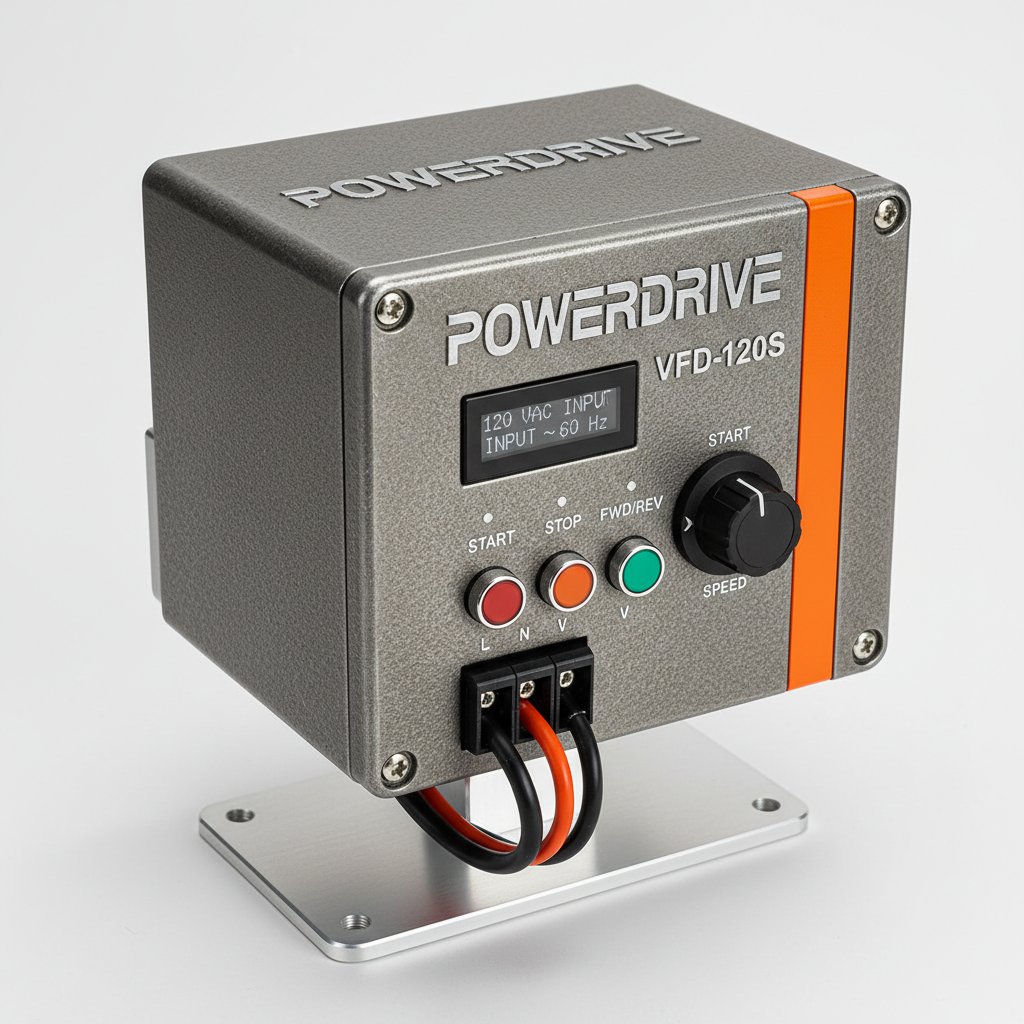
Variable Frequency Drives (VFDs) operate on the principle of converting a fixed-voltage, fixed-frequency AC power source into a variable-voltage, variable-frequency output. This is achieved through a three-stage process: rectification of AC to DC, filtering the DC via a capacitor bank, and finally inverting the DC back to AC using Pulse Width Modulation (PWM).
By adjusting the frequency of the output current, the drive directly controls the rotational speed of the AC induction motor. This removes the need for mechanical gearboxes or dampers in many applications, reducing the total cost of ownership and simplifying the overall electromechanical design.
When evaluating VFDs, the primary consideration is the load profile. Constant torque loads, such as conveyors and positive displacement pumps, require full torque across the entire speed range. In contrast, variable torque loads, such as centrifugal fans and pumps, see torque requirements increase with the square of the speed, allowing for different drive tuning.
Voltage ratings and current capacity are the next critical metrics. A drive must be rated for the maximum full-load current of the motor, rather than just the motor's kilowatt rating, to prevent overheating during startup or peak loads. Additionally, the presence of an integrated braking resistor is vital for applications requiring rapid deceleration.
Environmental ratings (IP levels) also dictate where a drive can be installed. In harsh industrial environments, such as those handled by Tianjin Yongkai International Trade Co., Ltd., ensuring the drive has adequate heat dissipation and protection against particulate ingress is essential for maintaining long-term reliability.
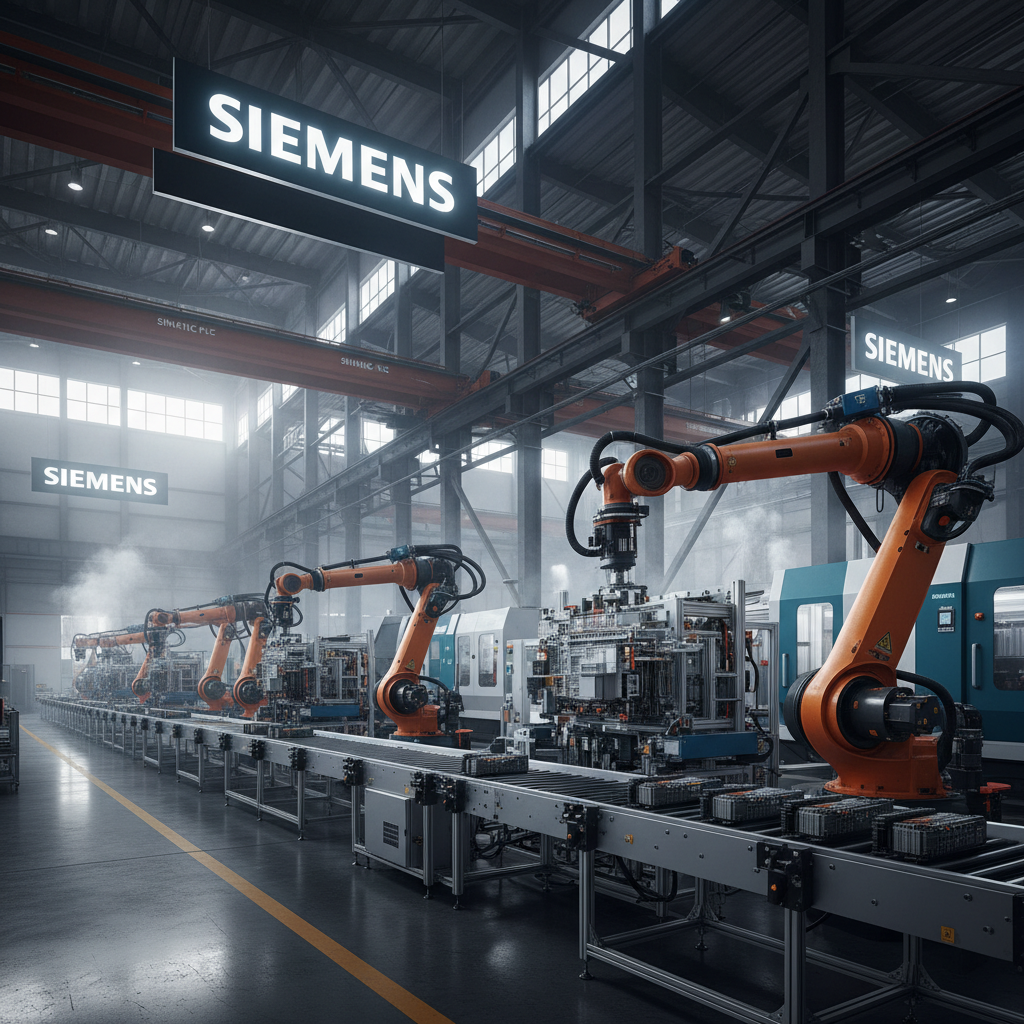
A VFD is rarely a standalone device; it typically functions as the actuator for a PLC. The seamless communication between the controller (such as the S7-1200 or S7-1500 series) and the drive ensures that speed adjustments are synchronized with the rest of the production line.
Modular expansion, such as using S7-1200 signal boards for digital and analog I/O, allows for the expansion of control points without increasing the physical footprint of the PLC, enabling precise 0-10V or 4-20mA speed references to the VFD.
The integration of these systems via TIA Portal allows engineers to monitor drive status and adjust parameters in real-time. This connectivity reduces downtime by allowing for remote diagnostics and the implementation of automated energy-saving profiles based on production demand.
The implementation of VFDs significantly alters the energy consumption curve of a facility. Unlike across-the-line starters that cause high current spikes during startup, VFDs provide a "soft start," which reduces mechanical stress on couplings and belts while lowering peak demand charges from utility providers.
The efficiency gains are most pronounced in fluid handling. According to the affinity laws, reducing the motor speed by 20% can potentially reduce the power consumption by nearly 50%, provided the system is not limited by static head pressure.
In a typical industrial setting, such as a wastewater treatment plant, VFDs are utilized to manage variable inflow rates. By adjusting the pump speed to match the actual water level rather than running at 100% capacity and using a valve to restrict flow, the system avoids unnecessary turbulence and energy loss.
Similarly, in precision manufacturing, VFDs are paired with S7-1200 controllers to synchronize multiple conveyors. By utilizing modular signal boards for real-time sensor acquisition, the system can automatically slow down a feed line if the downstream assembly station reports a bottleneck, preventing product pile-ups.
The industry is currently shifting toward Silicon Carbide (SiC) and Gallium Nitride (GaN) semiconductors. These wide-bandgap materials allow VFDs to operate at higher switching frequencies with significantly lower heat losses, leading to smaller footprints and higher power density in control cabinets.
Another emerging trend is the integration of AI-driven predictive maintenance. By analyzing the harmonic distortions and current signatures passed through the drive, systems can now detect bearing wear or insulation failure in the motor before a catastrophic breakdown occurs.
Furthermore, the move toward "Edge" control means that more intelligence is being embedded directly into the drive. Future units will likely handle more of the local control logic, reducing the processing burden on the central PLC and improving response times for high-speed applications.
When you decide to buy variable frequency drive equipment, the lowest initial price is rarely the best metric. The total cost of ownership (TCO) includes the installation cost, the energy savings over five years, and the cost of potential downtime.
A critical trade-off exists between a basic drive and a high-performance vector control drive. While basic V/f drives are sufficient for simple fans, vector drives are necessary for applications requiring precise torque at zero speed, such as cranes or winders.
Selecting a supplier with a comprehensive understanding of electromechanical control, such as Tianjin Yongkai International Trade Co., Ltd., ensures that the chosen hardware is compatible with existing PLC architectures and meets local electrical standards for harmonic emissions.
| Application | Recommended Control | Key Priority | Relative Complexity |
|---|---|---|---|
| Centrifugal Fan | Open-Loop V/f | Energy Efficiency | Low |
| Conveyor Belt | Sensorless Vector | Consistent Torque | Medium |
| Precision Winder | Closed-Loop Vector | Speed Accuracy | High |
| Water Pump | PID Control | Pressure Stability | Medium |
| Heavy Crane | Flux Vector | Holding Torque | High |
| Small Mixer | Basic V/f | Cost Effectiveness | Low |
V/f (Volts per Hertz) control maintains a constant ratio between voltage and frequency, which is suitable for simple loads like fans where precision isn't critical. Vector control, however, decouples the magnetizing current from the torque-producing current, allowing the drive to control torque and speed independently. This is essential for high-performance applications requiring high torque at low speeds.
In many systems, flow is restricted using valves while the motor runs at full speed, which wastes energy. VFDs reduce the motor speed to match the required flow. Because power consumption in centrifugal pumps is proportional to the cube of the speed, even a small reduction in RPM leads to a substantial decrease in kilowatt usage.
Most AC induction motors are compatible, but "inverter-duty" motors are preferred. Standard motors may suffer from insulation breakdown due to the voltage spikes caused by PWM switching. Inverter-duty motors have reinforced insulation and may include external cooling fans to prevent overheating when the motor runs at low speeds and the internal fan is less effective.
When a motor decelerates quickly, it acts as a generator, feeding energy back into the drive. This can cause the DC bus voltage to rise to dangerous levels, triggering an overvoltage fault. A braking resistor dissipates this excess energy as heat, allowing for faster, controlled stops without tripping the system.
Modular components, like the S7-1200 signal boards, allow controllers to add analog inputs/outputs without needing a larger PLC chassis. This allows the PLC to send precise speed references (e.g., 4-20mA) and receive real-time feedback (e.g., actual RPM) from the VFD, facilitating closed-loop control and better process synchronization.
Heat is the primary enemy of power electronics. Poor ventilation or clogged filters lead to capacitor degradation and IGBT failure. Other common causes include electrical surges (transients) and the accumulation of conductive dust on the circuit boards, which can cause short circuits. Proper enclosure cooling and regular maintenance are critical for longevity.
The decision to integrate variable frequency drives into an industrial process is more than a hardware upgrade; it is a strategic move toward energy autonomy and mechanical longevity. By matching the drive's control logic—whether V/f or Vector—to the specific load profile, operators can achieve a balance between performance and operational cost.
As automation continues to lean toward modularity and intelligence, the synergy between high-performance VFDs and flexible PLC systems, such as the S7-1200 family, will remain the cornerstone of efficient industrial design. Investing in quality components and professional procurement ensures that these systems deliver value long after the initial installation.